


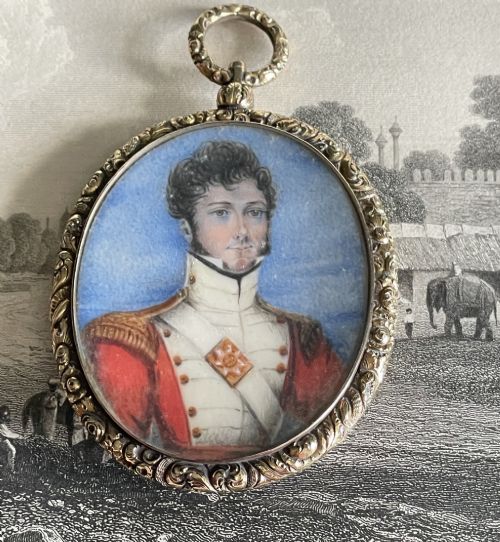


Georgian Portrait of Officer
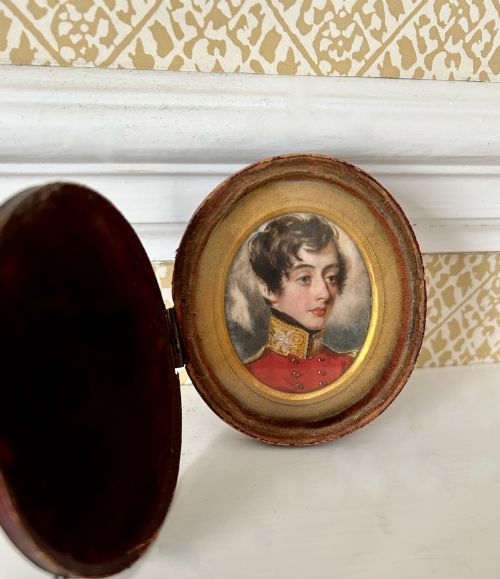
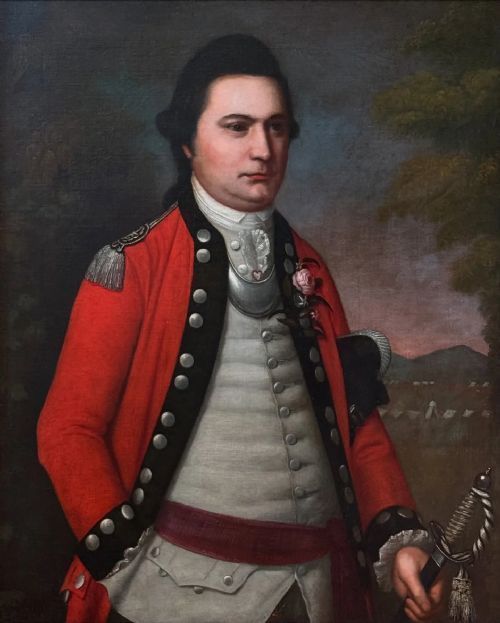
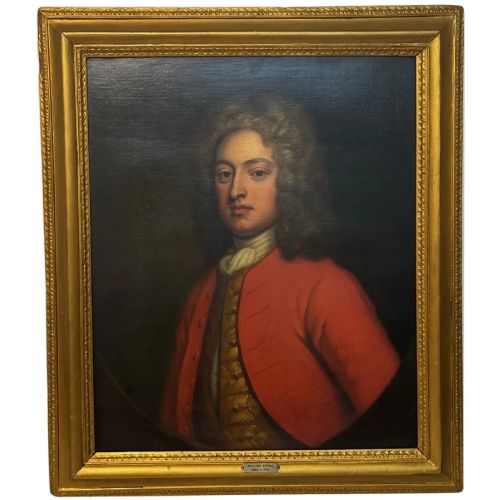
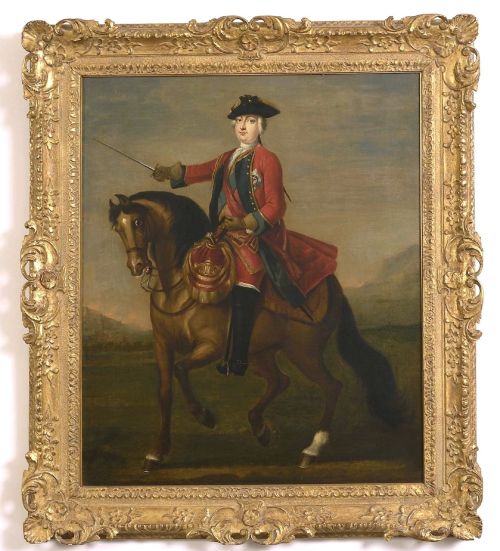
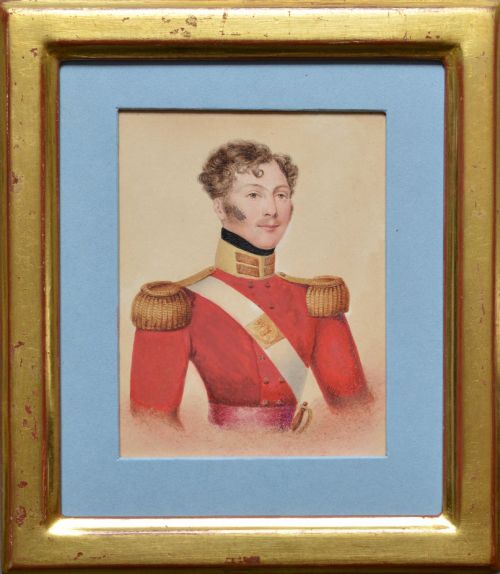
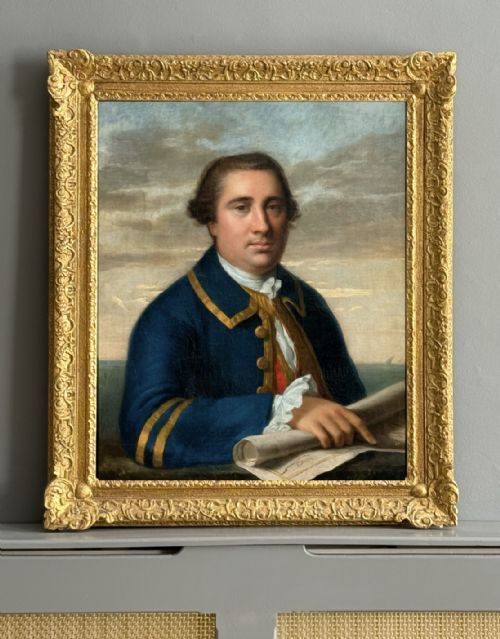
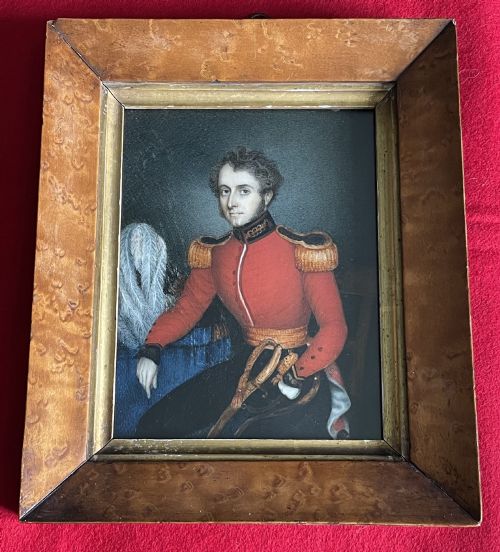
When you examine a georgian portrait of officer, you confront the resolute gaze of military history rendered in oil, watercolour, or enamel.
Georgian Portrait of Officer
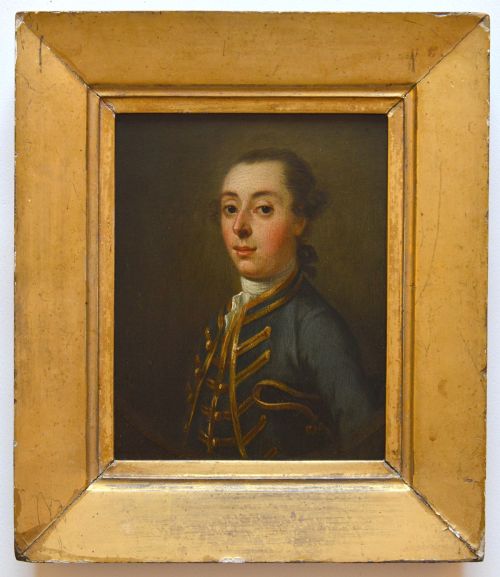
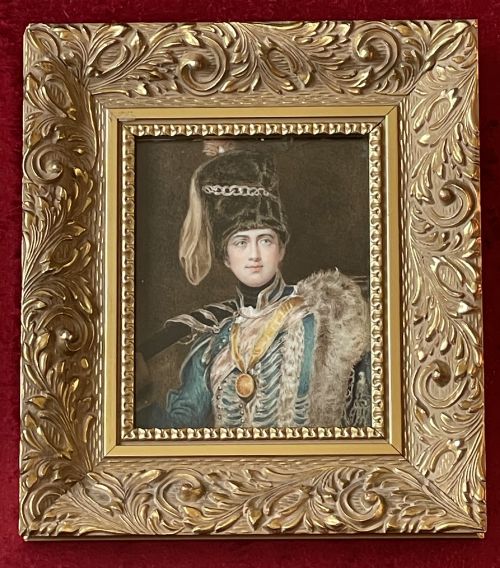
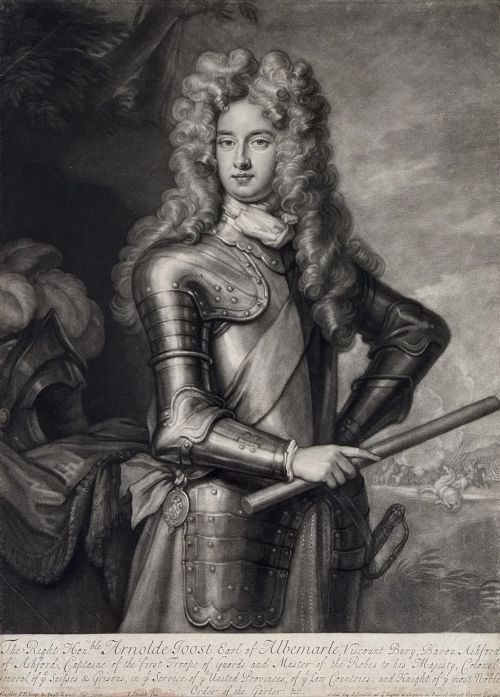
A georgian portrait of officer depicts military figures ranging from naval captains and infantry lieutenants to field marshals and generals. These subjects appear in formal uniform, often bearing medals, orders, or regimental insignia that denote their rank and service.
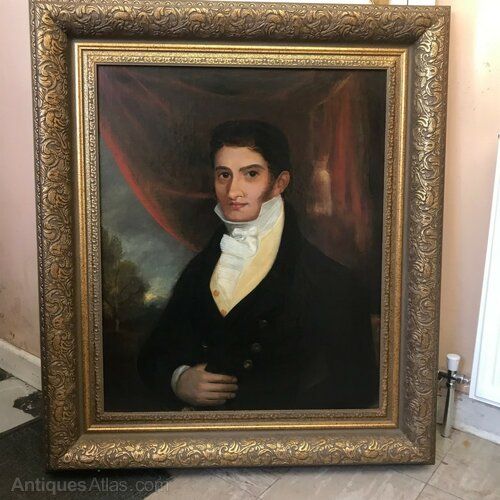
The selection encompasses large-scale oil paintings on canvas as well as intimate portrait miniatures executed on paper, ivory, or agate panels. Such works frequently record specific historical individuals, from British regiments to continental and Anglo-Indian commands.
Many pieces emerge from the British and European schools of the eighteenth and nineteenth centuries, spanning the Georgian, Regency, and Victorian periods. Anonymous works sit alongside documented paintings attributed to known portraitists of the era.
Materials and Technique
Artists relied primarily on oil on canvas for larger works, building depth through layered pigment to render the heavy wools, brass buttons, and gold lace of military dress. Miniature portraits utilised delicate watercolours on paper or detailed enamel work set into protective glass and precious metal frames, such as gold.
Framing played an integral role in presentation, with period pieces frequently housed in elaborate giltwood frames or fitted cases. Support panels varied from traditional woven canvas and stretched linen to rigid wooden boards and specialised stone surfaces like agate.
Georgian Portrait of Officer Retail Price Guide 2026
Typical asking prices for georgian portrait of officer among the pieces listed under this phrase on Sellingantiques today, from the lower quarter to the upper quarter. They describe what is for sale here now, not the wider market.
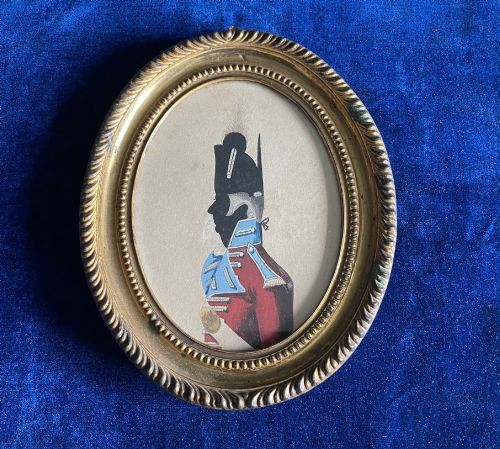
Several officers gaze out from their frames wearing elaborate busby hats and brandishing cymbals as members of militia bands.
Distinctions in Execution
The survival of original framing, particularly period giltwood or fine gold surrounds, influences the integrity of the piece. Superior examples retain their original backing, untouched paint surfaces, and well-documented provenance connecting the sitter to specific historical campaigns.
Lemuel Francis Abbott·Stickland Lowry·Henry Bone·John Simmons·Sir Thomas Lawrence·Edward Pugh·Henry Hoppner Meyer·Sir William John Newton·George Duncan Beechey·Sir Richard Westmacott·Gerrit Schipper·Henry Wyatt
The Georgian Portrait of Officer Glossary
- Portrait Miniature
- A small, highly detailed painting executed on a portable surface such as ivory, vellum, or card. These intimate works were often worn as personal mementoes or kept in specialised leather cases.
- Giltwood
- Wood that has been coated with a thin layer of gold leaf or gold powder over a prepared gesso ground. It provides the decorative, reflective border typical of period picture frames.
- Enamel Miniature
- A painting created by fusing vitreous glass pastes onto a metal base under high heat. This technique ensured the colours remained vibrant and resistant to fading over centuries.
- Regimental Dress
- The specific uniform, facings, and headwear worn by soldiers of a designated military unit. Details within the costume help historians date the painting and identify the wearer's specific regiment.
- Provenance
- The documented history of ownership surrounding a work of art. A clear lineage connects the physical object to past collections, exhibitions, and historical archives.
Georgian Portrait of Officer: Frequently Asked Questions
How do I identify the military rank?
Uniform details such as collar insignia, epaulettes, lace patterns, and chest decorations indicate the sitter's position within their regiment.
Contemporary records and historical commissioning notes often confirm the exact rank held at the time of the sitting.
Are these portraits always painted from life?
Many works record formal sittings arranged by the officer or his family to commemorate promotion, active service, or retirement.
Posthumous portraits also exist, painted from earlier sketches or related likenesses to honour deceased commanders.
What is the difference between an oil painting and a miniature?
Oil paintings on canvas were intended for permanent display on the walls of country houses, messes, and institutional headquarters.
Miniatures were scaled down for personal carriage, designed to be held in the hand or worn close to the body.
How should I care for a period canvas?
Paintings require stable ambient temperatures and protection from direct sunlight to prevent the canvas from slackening and the oil pigments from cracking.
Dusting should be performed gently with a dry, soft brush by an experienced conservator rather than household cleaning agents.