
Georgian Oil Portrait on Canvas
When choosing a georgian oil portrait on canvas, you acquire a hand-painted window into eighteenth-century society rendered on woven textile.
Georgian Oil Portrait on Canvas
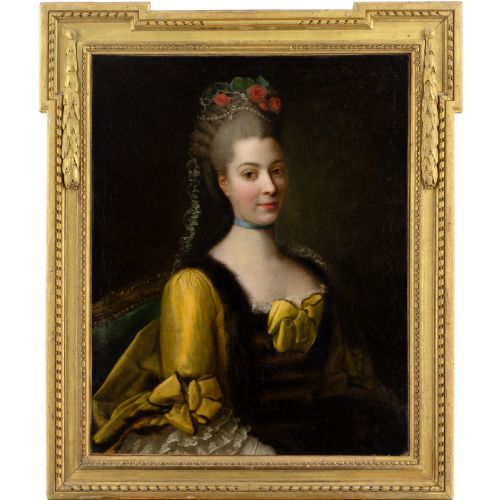
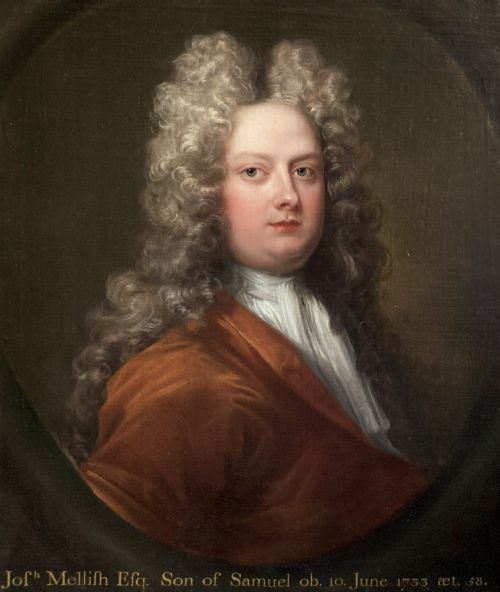
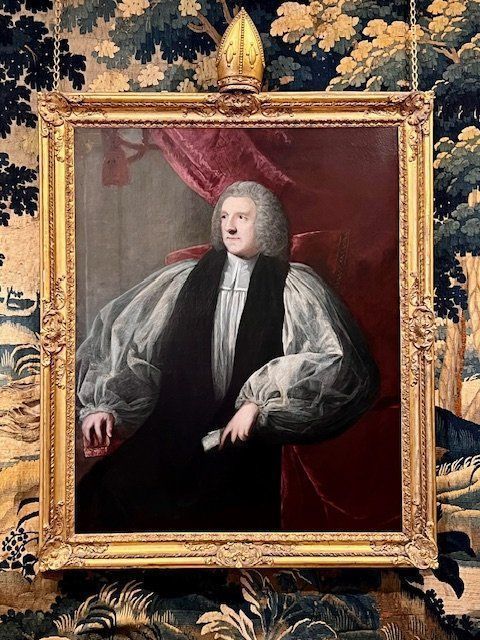
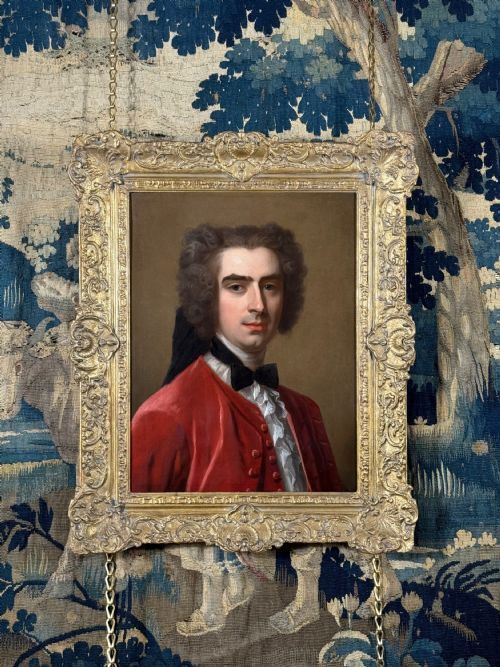
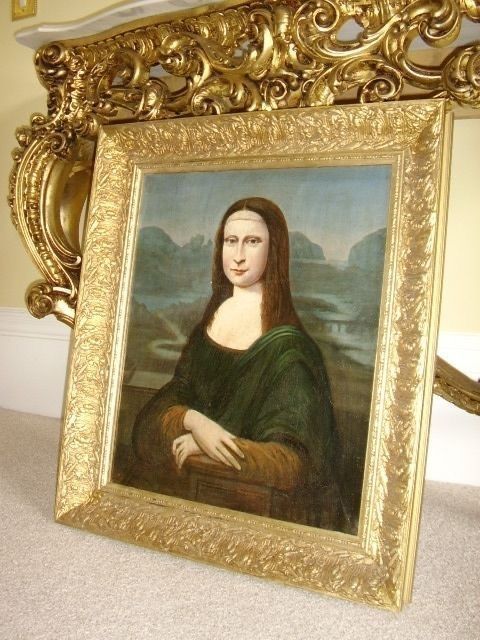
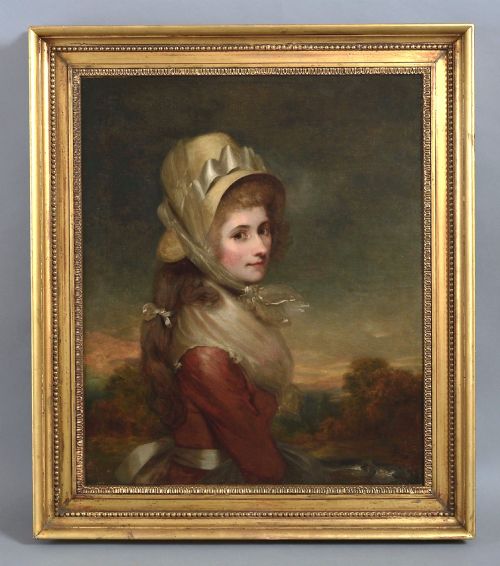
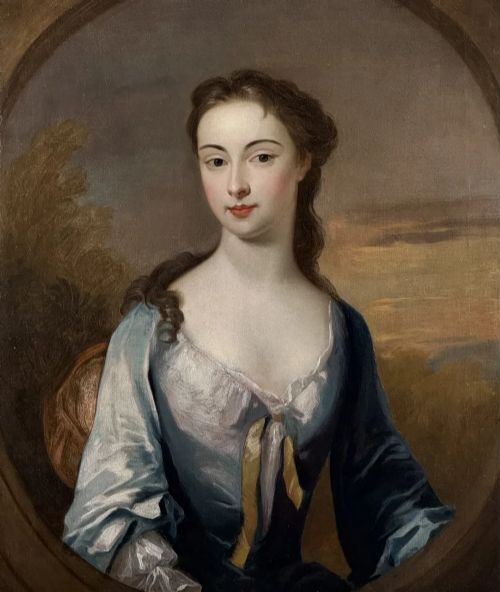
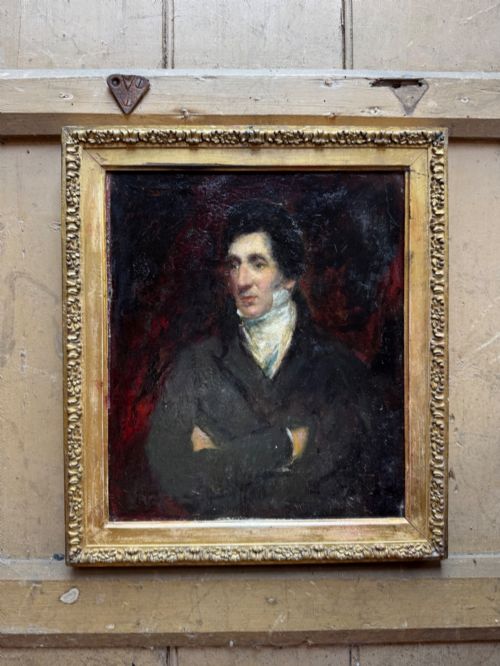
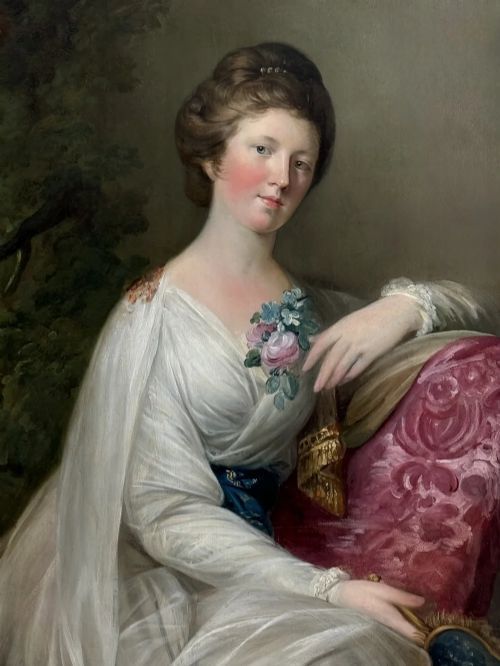
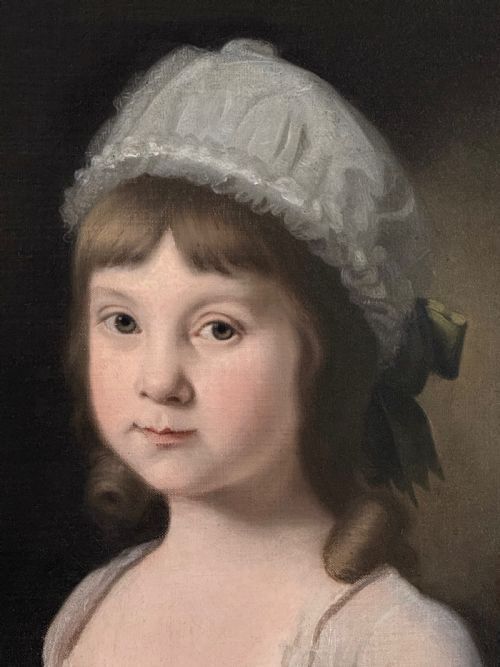
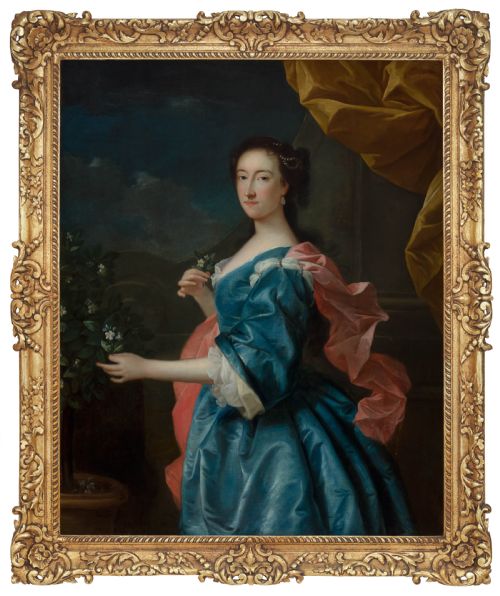
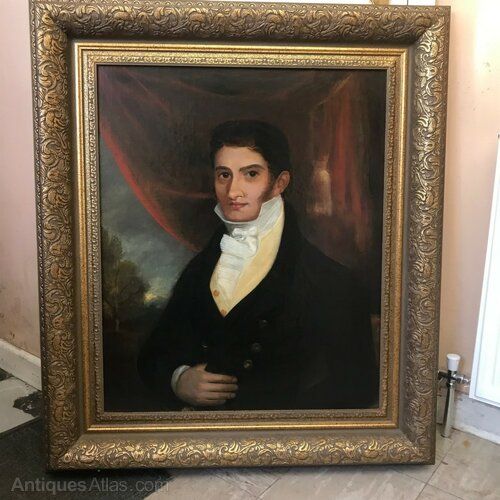
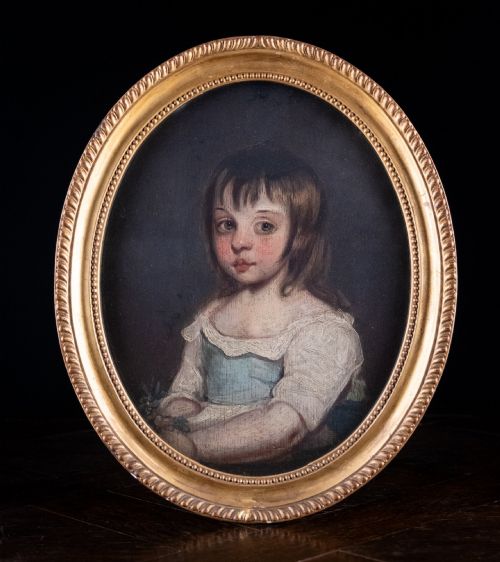
A georgian oil portrait on canvas captures notable figures, officers, clergy, and gentlefolk from the eighteenth century and the Regency era. These works range from intimate bust-length portrayals of children and country girls to grand depictions of military commanders and nobility. Most examples originate from British schools, executed by named portraitists, studio assistants, or provincial painters working within classical and baroque traditions.
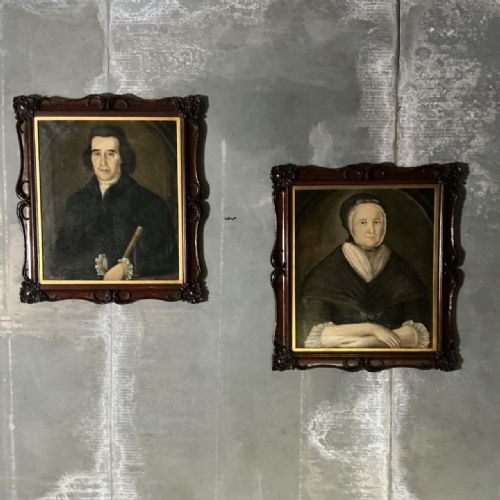
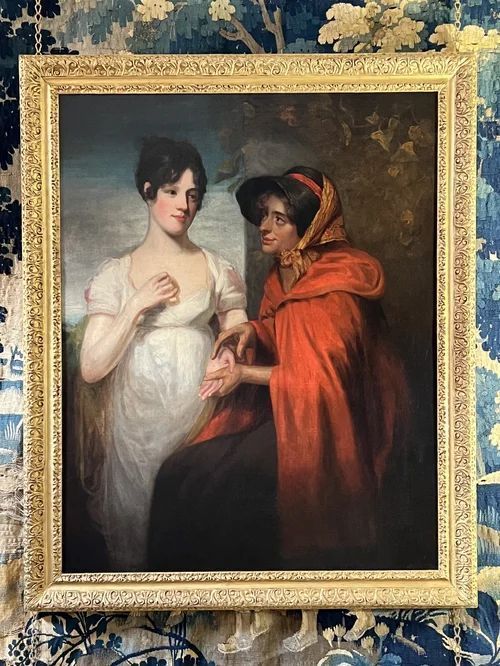
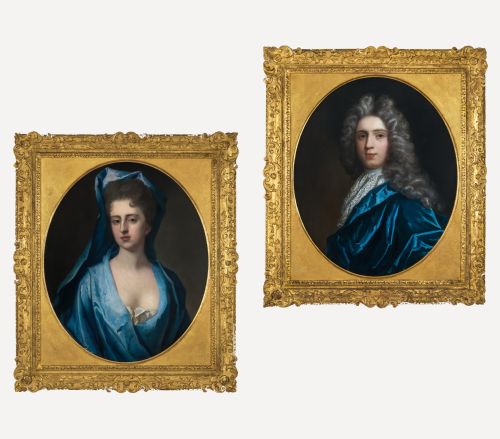
The subjects frequently appear in contemporary dress, such as scarlet jackets, blue dresses, or academic robes, sometimes accompanied by symbolic flora or objects like orange trees and hats. While the majority belong firmly to the eighteenth century, related canvases stretch from the seventeenth century through to nineteenth-century interpretations and later studio copies. Buyers encounter both individual likenesses and paired works depicting husbands and wives or allegorical figures.
Surviving pieces reflect the aesthetic priorities of Georgian portraiture, emphasising lifelike flesh tones, dignified poses, and psychological depth. The sitters might be identified by historical records, or remain anonymous country gentlefolk whose names have faded from provenance. Each canvas acts as a primary historical document, recording the textile textures, hairstyles, and social hierarchies of the period.
Materials and Technique
Painters applied oil paint formulated from ground pigments and drying oils directly onto woven canvas, which was stretched over a wooden frame or occasionally laid onto wood panels. The weave of the canvas varies from coarse to fine, influencing how the brushwork and glazes settle across the surface. Many historic canvases retain their original unlined state, while others received later conservation treatments to stabilise the textile.
Giltwood and carved wood frames frequently accompany these paintings, providing the structural boundary and decorative context typical of eighteenth-century and Regency interiors. Guilders applied thin sheets of gold leaf over preparation layers on the wooden mouldings to create luminous borders that complement the dark, rich varnishes of the portraits. These frames demonstrate traditional joinery and carving techniques appropriate to the period of the artwork.
Listings feature works spanning the seventeenth century through to the nineteenth century, executed in oil on canvas with original giltwood frames.
Evaluating Quality and Execution
The division between a masterwork and a provincial studio piece lies in the anatomical precision of the hands and face, the handling of drapery, and the psychological presence of the sitter. Superior canvases display confident, fluid brushwork that captures the translucency of skin and the lustre of silks, whereas lesser works rely on stiff formulas and flat colour application. The involvement of a listed artist or a recognised studio elevates the historical and artistic significance of the painting.
The integrity of the canvas and the preservation of the original paint layer heavily influence the desirability of a piece. Canvases with minimal overpaint, stable craquelure, and well-preserved glazes offer a truer encounter with the creator's original intent. Additionally, the survival of the contemporary carved giltwood frame adds substantial contextual value to the overall object.
Charles Jervas·Sir Joshua Reynolds·Jean-Baptiste Van Loo·Sir Martin Archer Shee·George Willison·John Opie·Jeremiah Davison·Michael Dahl·Thomas Murray·Lemuel Francis Abbott·Stickland Lowry·Thomas Barker of Bath·Thomas Beach·Samuel De Wilde·Charles D'Agar·Sir Thomas Lawrence·Allan Ramsay
The Georgian Oil Portrait on Canvas Glossary
- Canvas
- A heavy woven fabric, usually linen or hemp, used as the primary support surface for oil paintings. It is stretched tightly across a wooden frame before sizing and priming.
- Giltwood
- Wood, often carved pine or gesso-coated timber, decorated with a thin layer of gold leaf. It is commonly found on traditional frames enclosing Georgian portraits.
- Glaze
- A thin, transparent or semi-transparent layer of oil paint applied over a lighter underpainting to modify colour depth and luminosity. Masters used glazes to achieve realistic flesh tones and fabric shadows.
- Craquelure
- The fine network of minute cracks that form across the surface of aged oil paint and varnish as they harden and contract over centuries. It serves as an indicator of age.
- Unlined
- A canvas that retains its original fabric backing without having been adhered to a secondary support fabric during past restoration work. Collectors value this untouched state.
Georgian Oil Portrait on Canvas: Frequently Asked Questions
What is a georgian oil portrait on canvas?
A georgian oil portrait on canvas is an original hand-painted artwork depicting an individual from the eighteenth century or Regency period, executed in oil paint upon a woven textile support.
These pieces were typically commissioned by wealthy patrons, nobility, or military officers to record their likeness and social standing for posterity.
How were these portraits displayed originally?
In the eighteenth century, such portraits hung in the panelled parlours, galleries, and staircases of country houses and town residences. They served to project family lineage, political allegiance, and social status to visiting guests.
The works were almost invariably housed within heavy, decorative giltwood frames designed to complement the interior architecture.
How do I care for an antique oil painting?
Protect the canvas from direct sunlight, extreme temperature fluctuations, and high humidity, which can cause the wood frame to warp and the paint to crack. Dust the surface and frame gently with a soft, dry brush without applying pressure.
Avoid using water, chemical cleaners, or modern cloths on the painted surface or the gold leaf.
How can I tell an 18th-century canvas from a later copy?
Examine the canvas weave, the composition of the stretcher frame, and the presence of natural ageing characteristics like stable craquelure under magnification. Eighteenth-century canvases often utilise hand-woven linen and period-specific wedge-keyed stretchers.
Historical costume, hairstyles, and the method of signature or inscription also provide reliable clues to the execution date.