


Georgian Marquetry Furniture
Georgian marquetry furniture combines structural timber with intricate pictorial veneers, offering both practical utility and exceptional surface detail for period interiors.
Georgian Marquetry Furniture
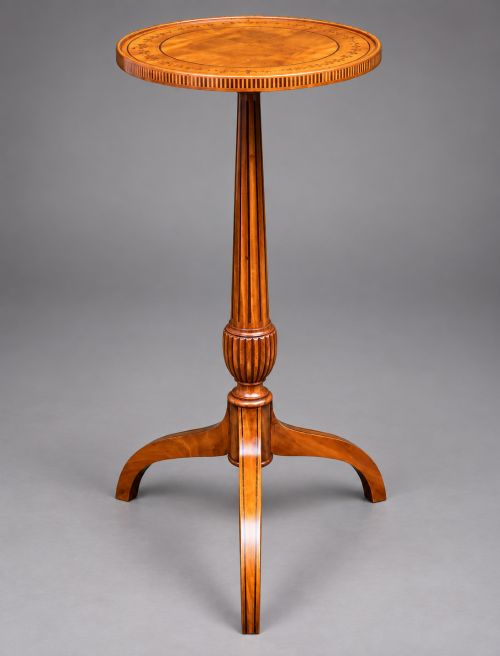
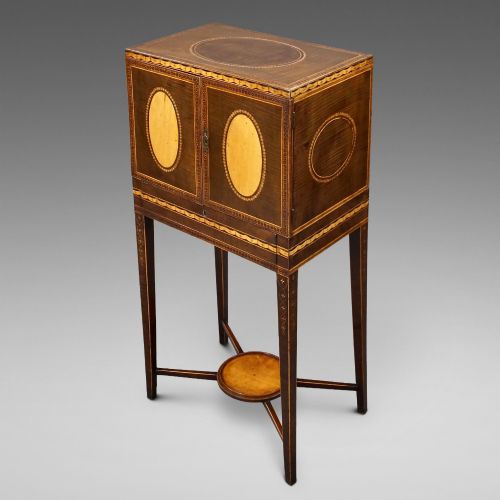
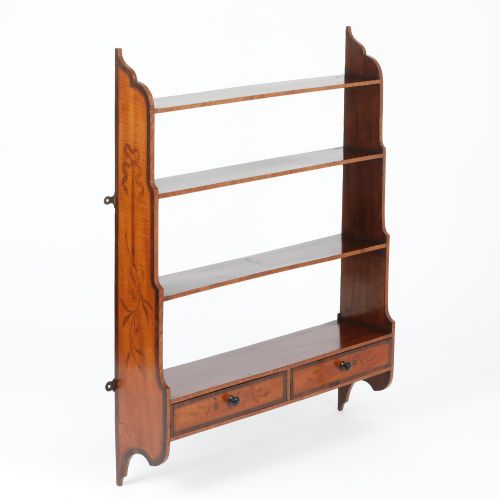
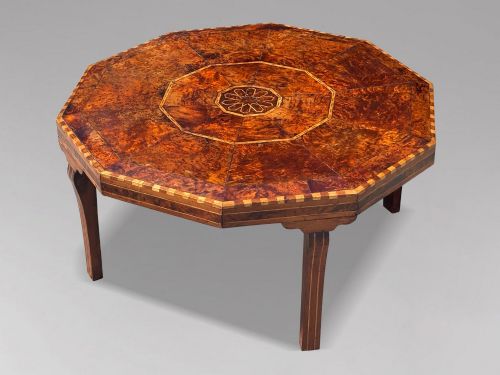
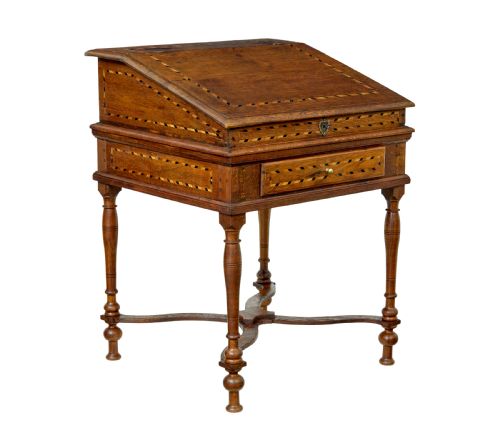
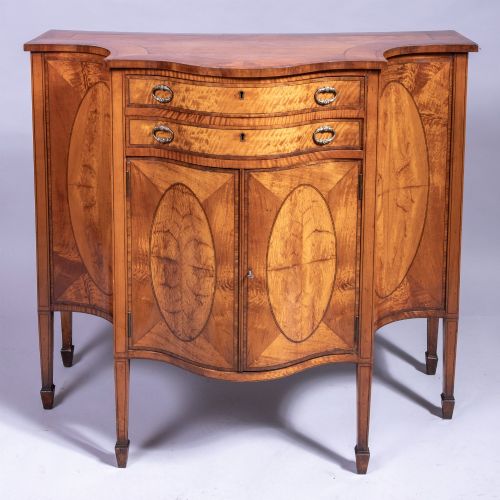
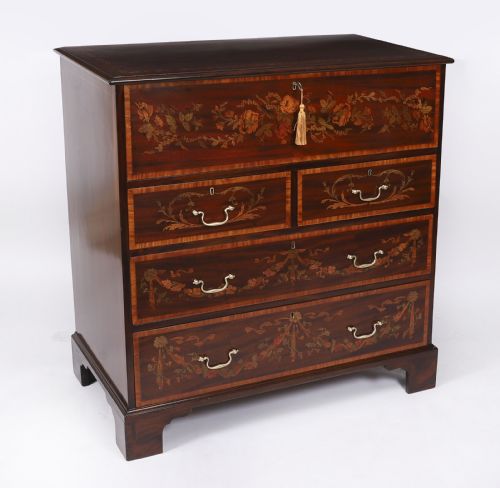
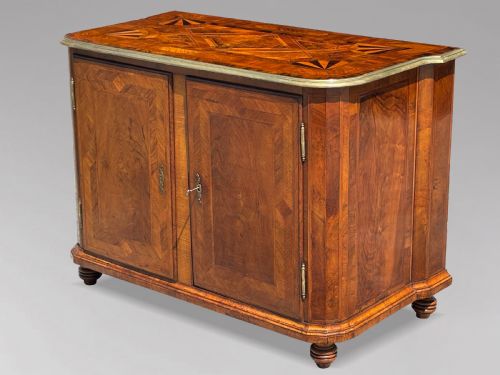
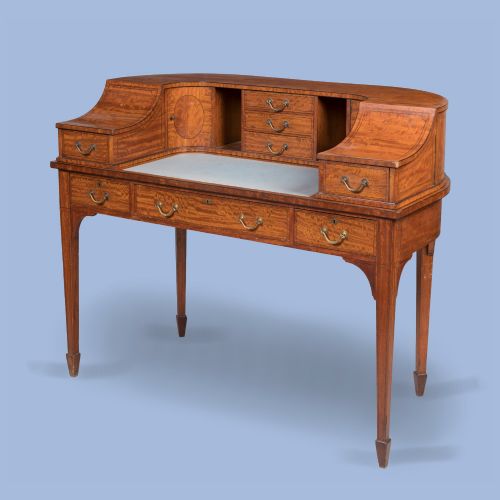
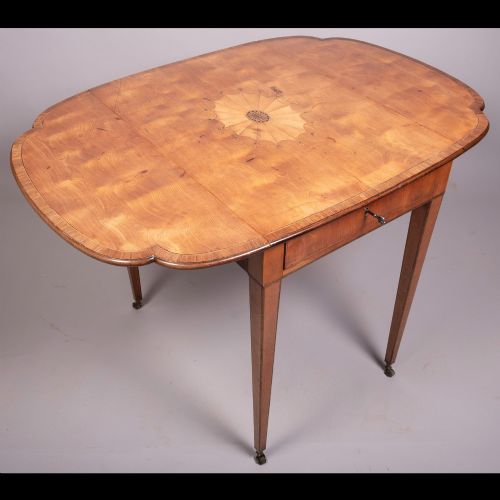
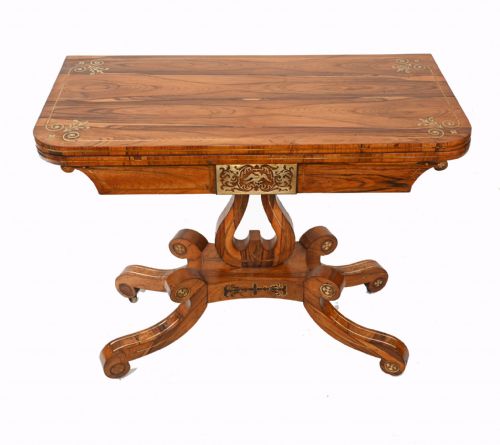
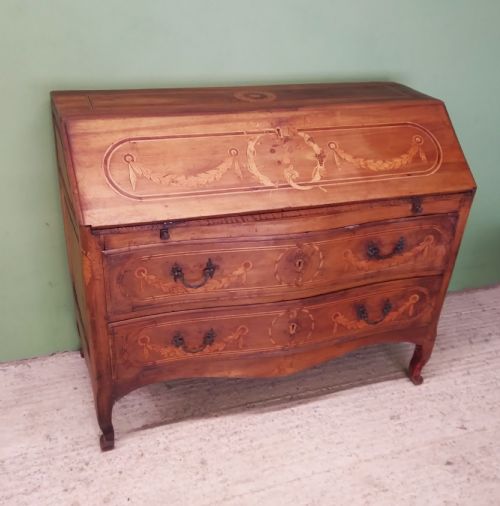
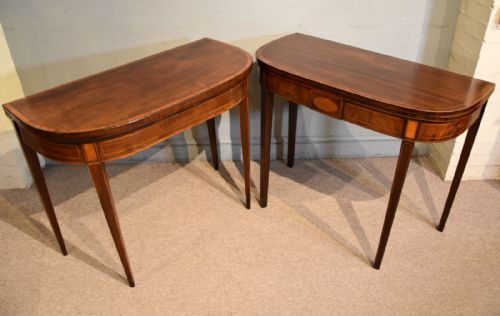
When you search for georgian marquetry furniture, you encounter practical items designed for storage and display, including chests of drawers, card tables, side cabinets, and writing desks. These pieces span the eighteenth century and subsequent revival periods, reflecting shifting tastes in domestic decoration.
The domestic forms vary from Pembroke tables and corner cupboards to bureau bookcases and centre tables. Walnut, mahogany, and satinwood provide the primary carcasses and surfaces upon which pictorial and geometric patterns sit.
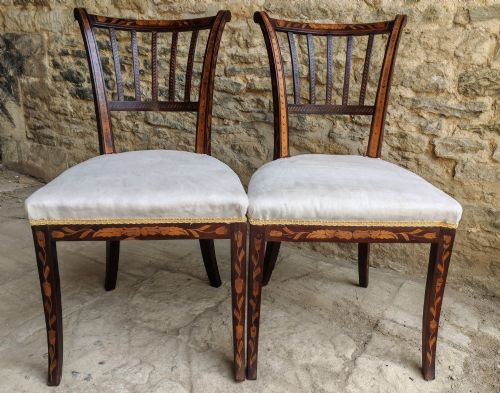
Regional variations appear alongside mainstream British output, notably Dutch and Maltese interpretations employing distinctive floral motifs and native timbers. You will find both formal George III items and later Edwardian or Sheraton Revival pieces on this page.
How they were made
Cabinetmakers constructed carcasses using native and exotic woods such as oak, mahogany, and walnut, applying contrasting veneers to the exterior surfaces. Boxwood, fruitwood, and satinwood provided the lighter tones necessary for pictorial definition.
Marquetry technique involved cutting intricate patterns from thin sheets of veneer, often sandwiched together and sawn simultaneously to ensure tight joints. Artisans then assembled these jigsaw-like pictorial elements onto a paper backing before gluing the complete design to the timber substrate.
Bureau drawers occasionally conceal secret compartments designed to guard family receipts and hidden correspondence from curious housemaids.
What varies in quality
The distinction between tiers rests upon the precision of the veneer cutting and the natural depth of the chosen timbers. Subtle tonal variations within fruitwood and satinwood provide shading that separates flat designs from pieces with genuine visual perspective.
Structural integrity of the underlying carcass and the preservation of the original surface patination dictate the desirability of individual items. Finer examples retain crisp edges to the inlay work and minimal replacement within the delicate floral or geometric borders.
Maple and Co
The Georgian Marquetry Furniture Glossary
- Marquetry
- The art of applying fitted pieces of veneer to a structure to form decorative patterns or pictures. This technique differs from simple inlay by covering the entire surface with a contiguous layer of pictorial veneer.
- Veneer
- A thin layer of fine wood applied to a base timber of lesser quality to provide a decorative exterior. Cabinetmakers select figured woods like burr walnut or satinwood for this purpose.
- Pembroke table
- A small, drop-leaf table with hinged flaps on either side, popular during the eighteenth century for breakfasting or writing. These often feature inlaid borders along the top and legs.
- Bombe
- A swelling, outward-curved shape characteristic of continental furniture styles, particularly Dutch cabinets and chests. This curved profile demands advanced carpentry and precise veneer fitting.
- Satinwood
- A durable timber known for its yellowish colour and lustrous, satiny sheen, frequently utilised during the Sheraton period. It accepts contrasting marquetry panels with high visual clarity.
Georgian Marquetry Furniture: Frequently Asked Questions
How do I clean marquetry surfaces?
Dust surfaces regularly with a soft, dry cloth to prevent particulate accumulation within the fine joints of the veneer. Avoid liquid polishes and silicone sprays, which penetrate the microscopic gaps between individual timber pieces and soften old adhesives.
Apply a microcrystalline wax sparingly once or twice a year to nourish the timber and protect the old polish. Buff gently with a clean cloth to maintain a natural lustre without building up heavy layers that obscure the grain.
Can I use these tables daily?
Most tables withstand normal domestic use if protected from excessive heat, moisture, and direct sunlight. Using coasters and felt pads prevents surface scratching and ring marks on delicate satinwood or mahogany tops.
Keep pieces away from active heat sources like radiators and fireplaces to prevent the timber from drying out and shrinking. Sudden environmental shifts cause the underlying carcass to move, which places stress on the brittle veneer joints.
What defines the Sheraton style?
Thomas Sheraton popularised neoclassical designs characterised by straight tapered legs, contrasting stringing, and restrained classical motifs. These items rely on light timbers like satinwood and harewood combined with delicate floral or urn marquetry.
Proportions remain slender and elegant, avoiding the heavier carved elements found in earlier walnut and mahogany pieces. The aesthetic prioritises geometric clarity and balanced pictorial panels over overt ornamentation.
How do I spot a later revival piece?
Revival items from the late nineteenth and early twentieth centuries often employ modern machinery techniques that produce unnaturally uniform veneer cuts. Inspect the internal secondary timbers, such as drawer linings, for machine-cut marks rather than hand-planed surfaces.
Colour and patination also provide clues, as older surfaces acquire a deep, mellow warmth through decades of oxidation. Revival pieces frequently display lighter, crisper finishes that lack the cumulative wear patterns of eighteenth-century examples.