
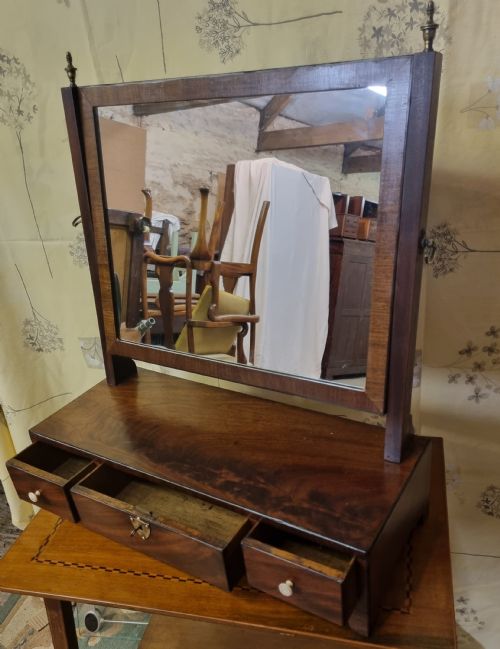
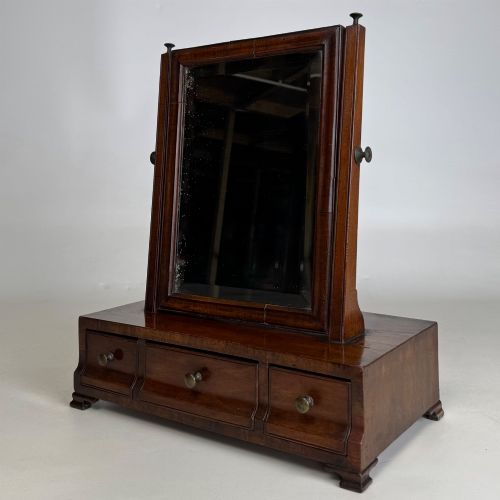
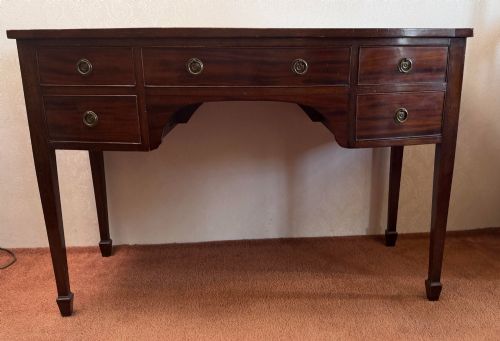
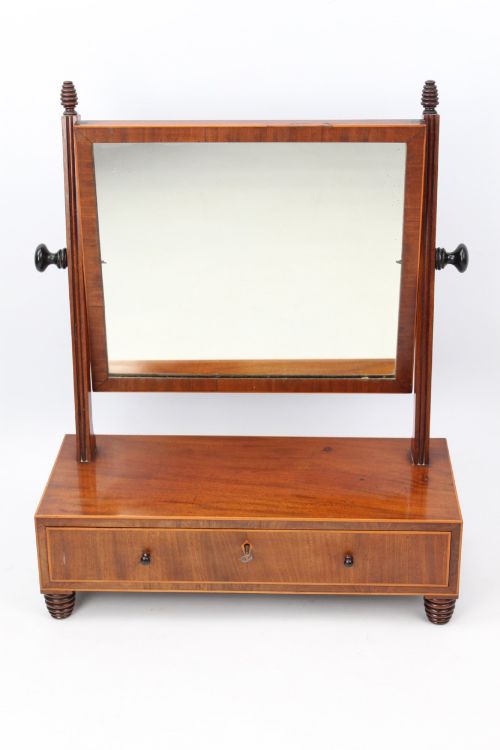
Georgian Mahogany Vanity Table
A georgian mahogany vanity table brings period warmth and refined timber grain to a dressing room or bedroom.
Georgian Mahogany Vanity Table
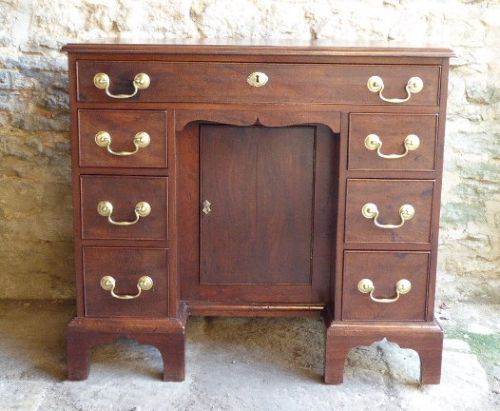
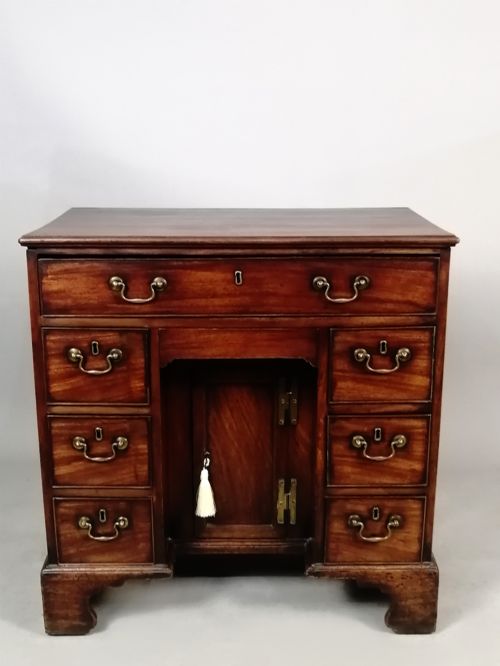
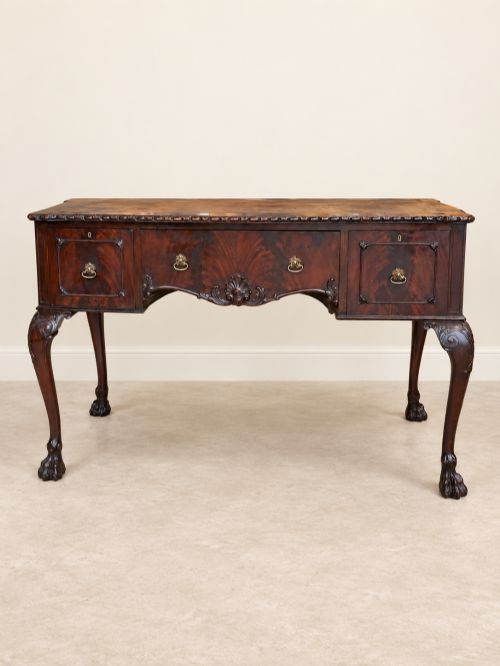
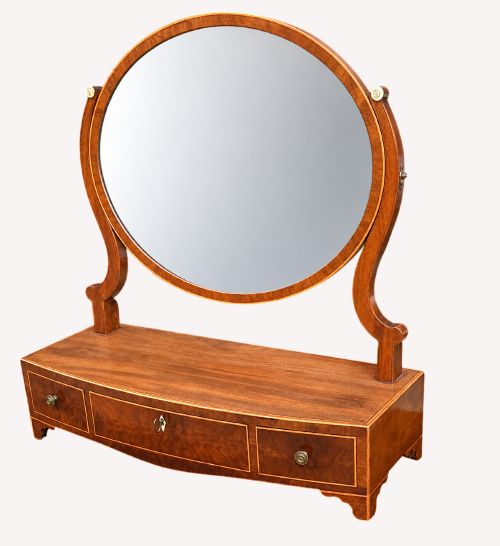
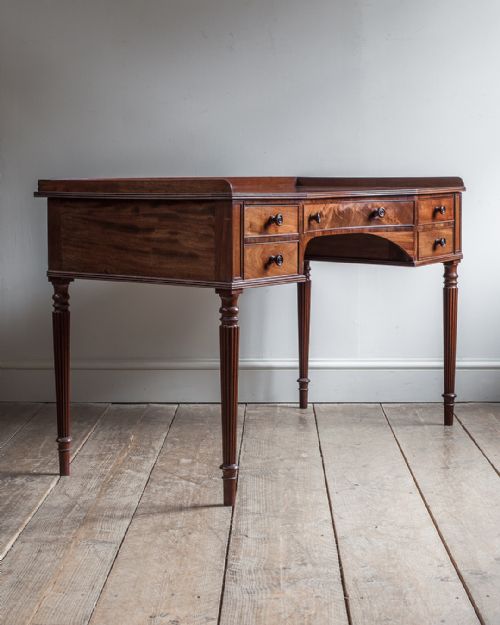
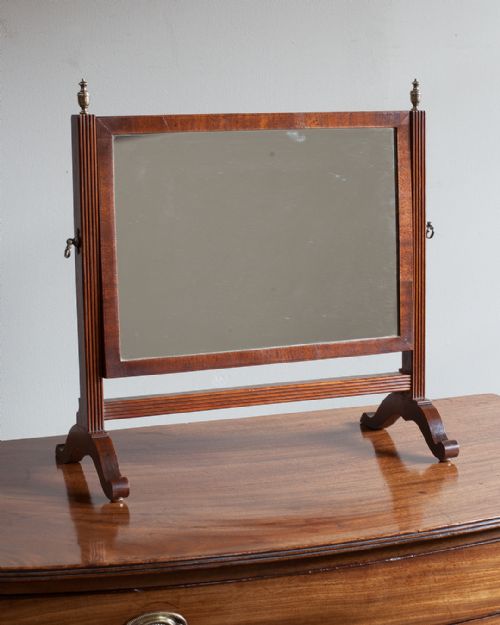
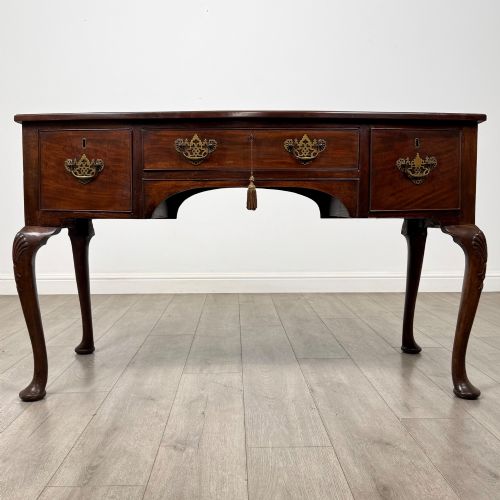
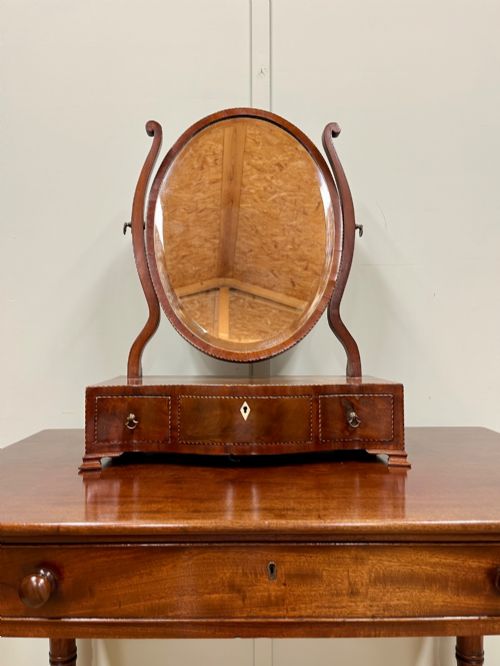
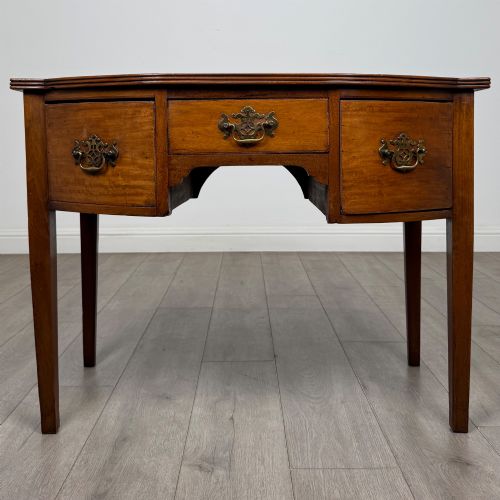
A georgian mahogany vanity table encompasses various forms designed for personal grooming and writing, including dressing tables, lowboys, and companion toilet mirrors. Pieces span multiple periods from the eighteenth century to later revivals, displaying forms such as bow fronts, serpentine fronts, and kneeholes.
Buyers most frequently encounter compact dressing mirrors and washstands alongside multi-drawer writing tables within this category. These items originate from the Georgian era through to subsequent revival periods, reflecting practical domestic uses of timber.
Materials and construction
Craftsmen utilised solid and veneered mahogany timber, frequently enhanced with boxwood inlay and giltwood details. Structural elements integrate brass handles and mirror glass to complete the functional design.
Joinery methods include box construction and drawer framing, paired with adjustable swing mechanisms for dressing mirrors.
An unusual triplate dressing table offers multiple mirrors so anyone can check their hat from three angles at once.
Assessing quality
Quality rests upon the selection of timber grain, particularly the presence of figured flame mahogany and crisp crossbanding. Superior examples display refined proportions and intact original brass hardware.
The sophistication of cabinetwork, from precision dovetailing in the drawers to the fluid carving of supports, distinguishes finer pieces from simpler workshop production.
The Georgian Mahogany Vanity Table Glossary
- Toilet mirror
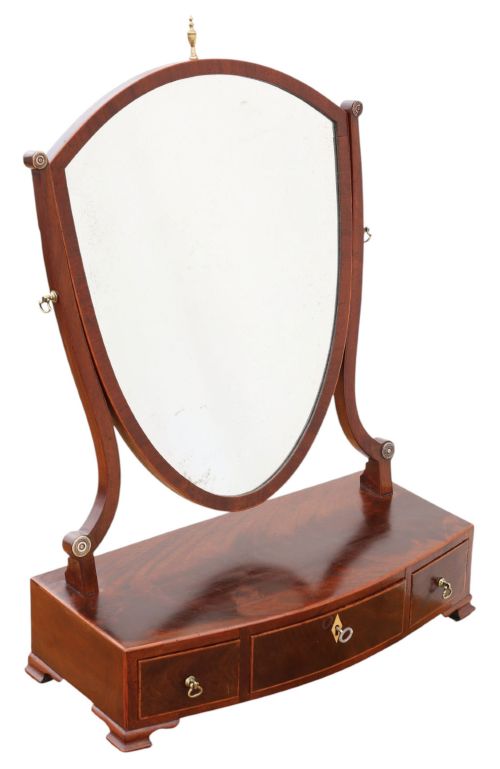
- A smaller tabletop mirror fitted with a small base or box containing miniature drawers. These pieces sat atop chests of drawers or dedicated dressing tables.
- Shield mirror
- A dressing glass shaped like a heraldic shield, supported on upright arms above a serpentine box base. This form gained popularity during the late eighteenth century.
- Crossbanding
- A decorative border technique where thin strips of veneer are laid across the grain of the primary wood. This method frames the top surface or drawer fronts of finer furniture.
- Washstand
- A specialised piece designed to hold a basin and pitcher for morning ablutions. These items often incorporate corner designs or tiered surfaces.
Georgian Mahogany Vanity Table: Frequently Asked Questions
What is a lowboy used for?
A lowboy served historically as a compact side table or dressing table for personal grooming items. Owners placed them in bedchambers to hold small accessories and cosmetics.
Today, buyers utilise them as accent tables in hallways or as writing surfaces in smaller rooms.
How do I date a dressing mirror?
Dating relies upon examining the timber species, mirror glass bevels, and the construction methods of the base drawers. Earlier examples feature hand-cut dovetails and subtle boxwood stringing.
Revival pieces from later centuries often display machine-made elements and heavier framing structures.
Where should I place a vanity table?
These pieces suit bedrooms, dressing rooms, or quiet corners where natural light aids personal grooming. Their compact proportions allow them to fit against shorter wall spaces.
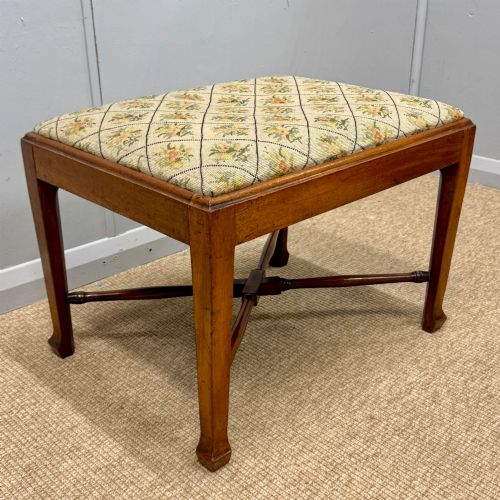
Pairing the table with a matching stool or small chair completes the functional arrangement.
What is the difference between a washstand and a dressing table?
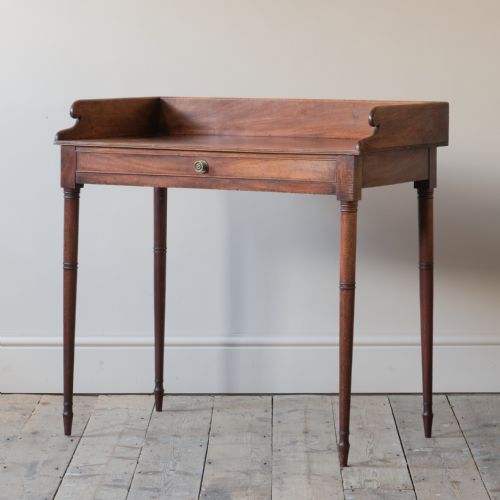
A washstand was built specifically to accommodate washing basins and water containers during the Georgian and Victorian periods. They often feature tiered tops or corner configurations.
Dressing tables and lowboys feature drawers intended for storage of cosmetics, brushes, and documents.