


Georgian Mahogany Hallway Table
When you need a georgian mahogany hallway table, you are looking for timber furniture that brings balance and rich grain to an entrance.
Georgian Mahogany Hallway Table
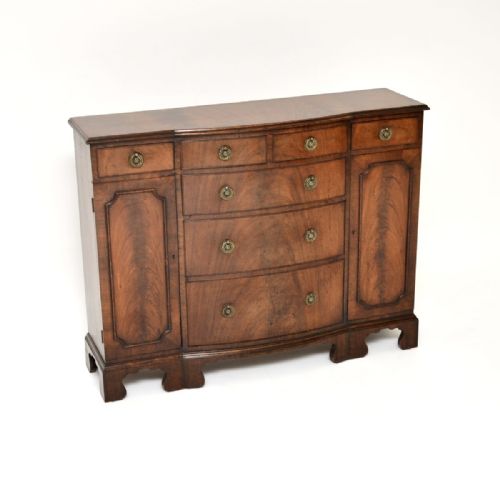
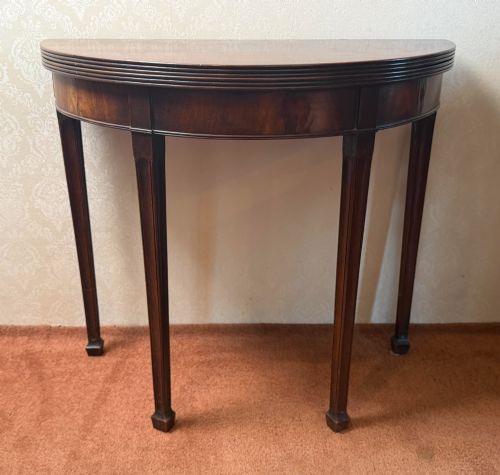
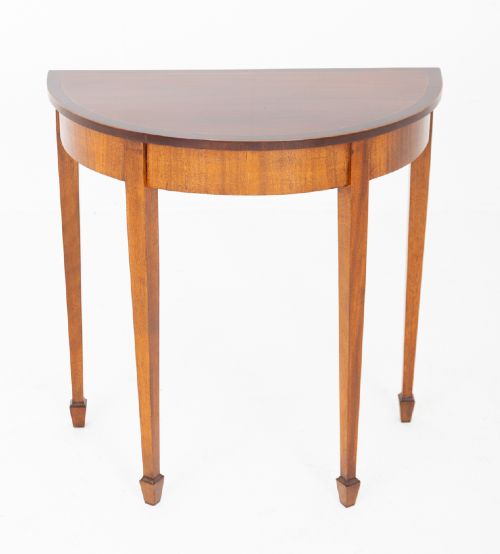
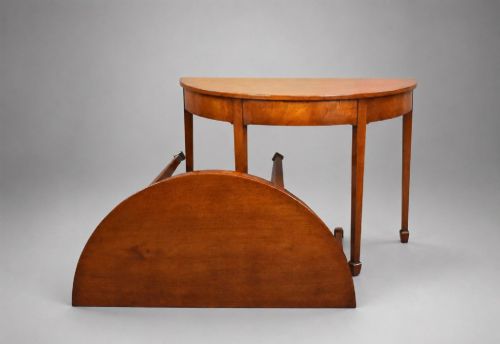
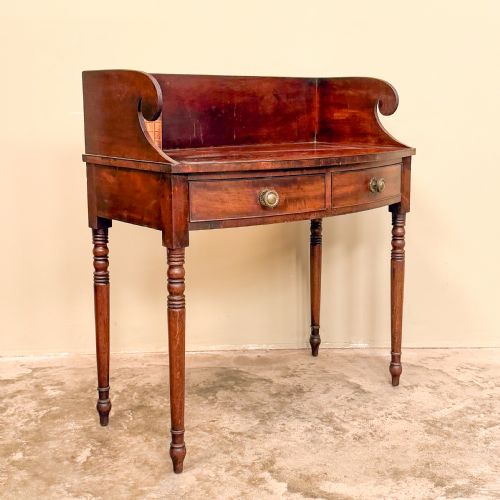
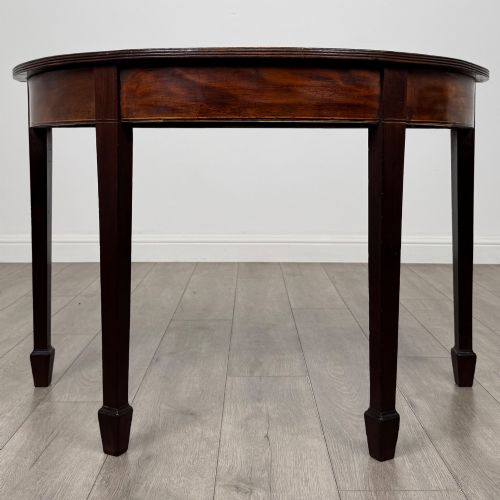
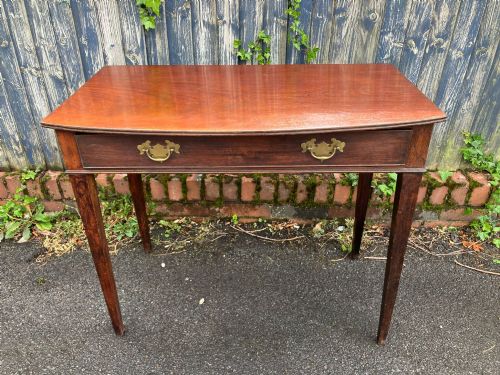
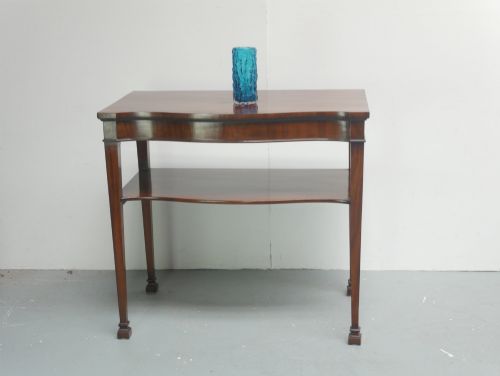
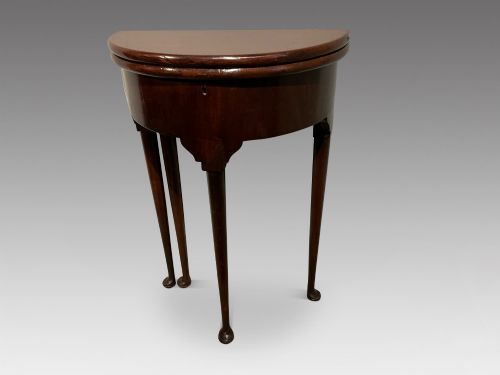
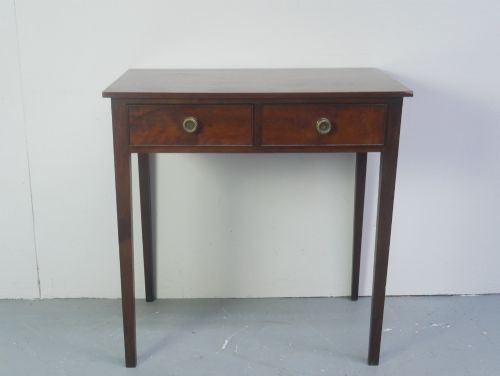
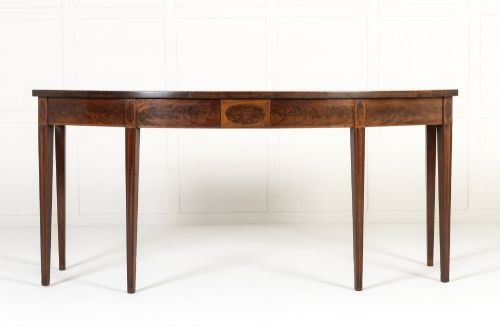
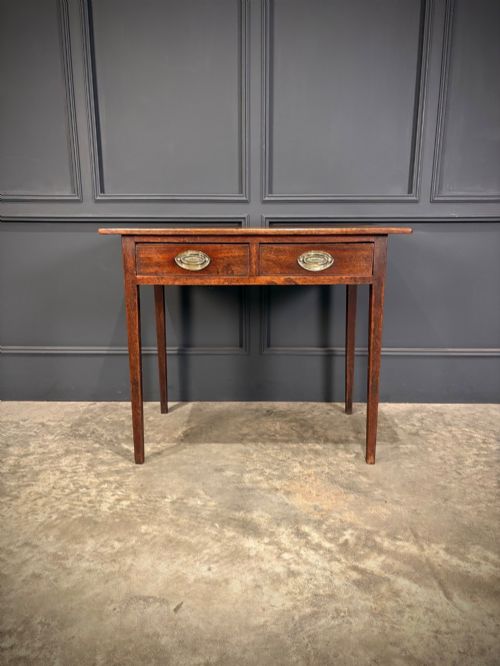
A georgian mahogany hallway table usually takes the form of a console, demi-lune, side table, or lowboy designed to sit neatly against a narrow wall. These pieces range from authentic eighteenth-century examples to later revival pieces made in the nineteenth and twentieth centuries.
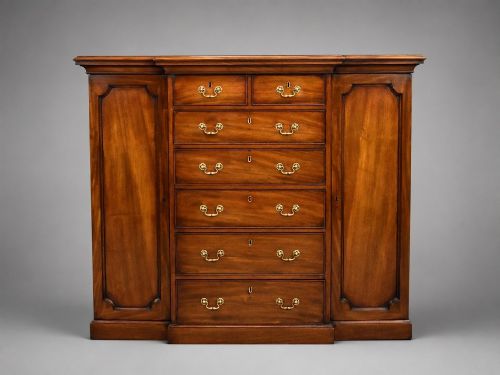
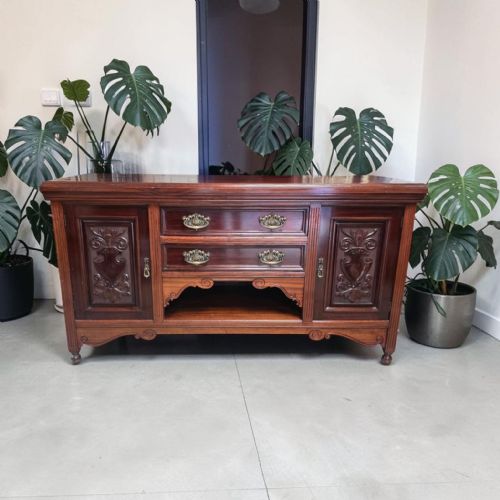
The evidence shows various related forms fulfilling this role, including serving tables, card tables, and small sideboards. Many pieces feature demi-lune shapes or bow fronts suited to compact spaces.
Origins span genuine Georgian production through Regency, William IV, and later revival periods like Georgian Revival and Edwardian decades. Buyers will encounter both solid timber construction and veneered surfaces across these eras.
What varies in quality
Quality rests in the selection of the timber and the crispness of the cabinetmaking, particularly in how veneers are matched across curved demi-lune tops. Finer pieces demonstrate superior joinery in drawer construction and leg tapering.
The sophistication of decorative elements also distinguishes the range, from plain solid timber surfaces to intricate boxwood and satinwood stringing. Proportion and balance in smaller console formats separate superior workshop output from simpler utilitarian items.
Georgian Mahogany Hallway Table Retail Price Guide 2026
Typical asking prices for georgian mahogany hallway table among the pieces listed under this phrase on Sellingantiques today, from the lower quarter to the upper quarter. They describe what is for sale here now, not the wider market.
Materials recorded across the selection combine mahogany and brass with decorative boxwood, satinwood, and general wood inlay.
M. D. Miller and Sons
The Georgian Mahogany Hallway Table Glossary
- Demi-lune
- A half-moon shape popular for console and side tables designed to stand flat against a wall. This form saves floor space in narrow corridors.
- Lowboy
- A small low table with one or more drawers, often used as a hall table or dressing table in the eighteenth century. They typically stand on slender cabriole or straight legs.
- Stringing
- A narrow inlay of contrasting wood, such as boxwood or satinwood, used to outline panels and borders on table tops. It creates a neat linear frame.
- Bow front
- A convex curved front elevation on a cabinet or table that softens the rectangular profile. This shape appears frequently on side tables and sideboards.
- Console table
- A table supported by wall brackets or legs, designed to stand against a vertical surface. They often feature decorative carving or painted neoclassical details.
Georgian Mahogany Hallway Table: Frequently Asked Questions
How do I spot a revival piece?
Revival pieces date from later periods like the late nineteenth or early twentieth century while copying earlier eighteenth-century aesthetics. They often display standardised machine-cut joinery rather than hand-shaped peg construction.
Inspect the secondary timbers and underside construction to determine the actual manufacturing era of the furniture.
Were these tables used in hallways?
Historic households utilised side tables, lowboys, and console tables in entrance halls to receive callers and hold correspondence. Their narrow depths suited transitional circulation spaces without blocking doorways.
Today, buyers repurpose these same historic forms to serve identical practical functions in modern entryways.
What is flame mahogany?
Flame mahogany is a veneered wood figure that displays a distinctive flickering flame pattern resembling fire. Cabinetmakers prized this cut for prominent table tops and drawer faces.
It requires skilled slicing of specific branch junctions to achieve the dramatic grain movement.