
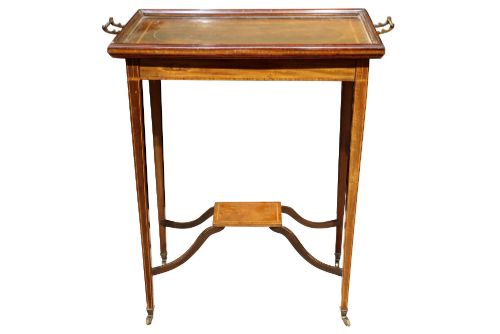
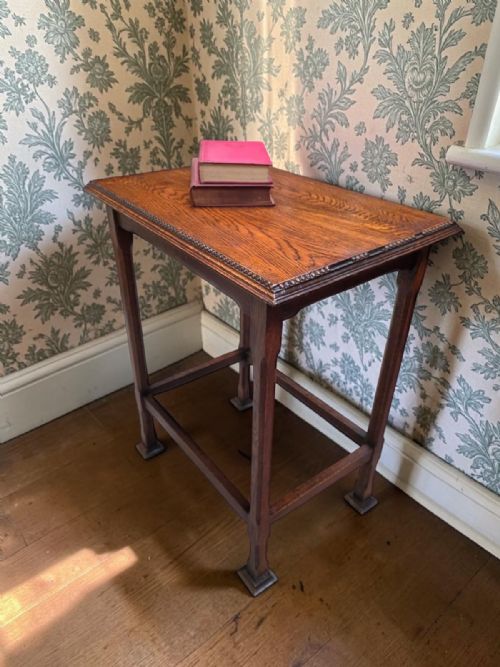
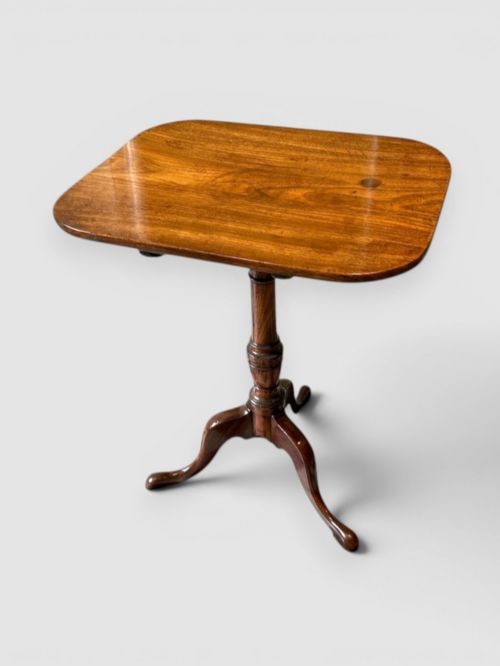
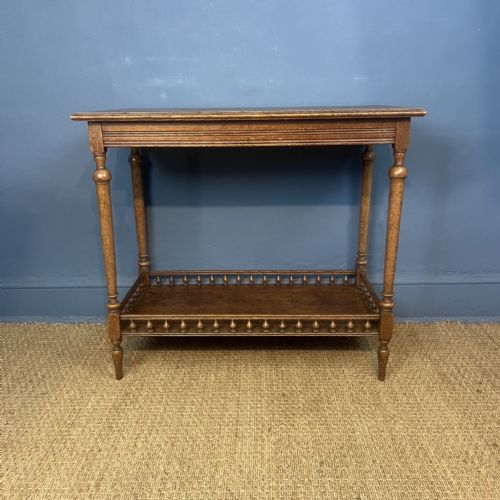
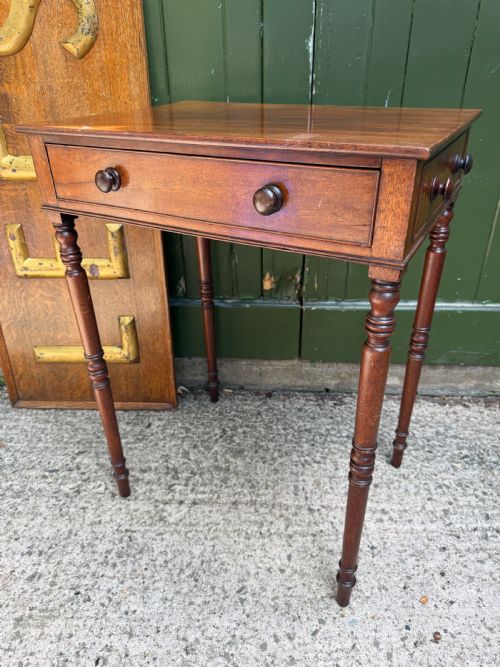
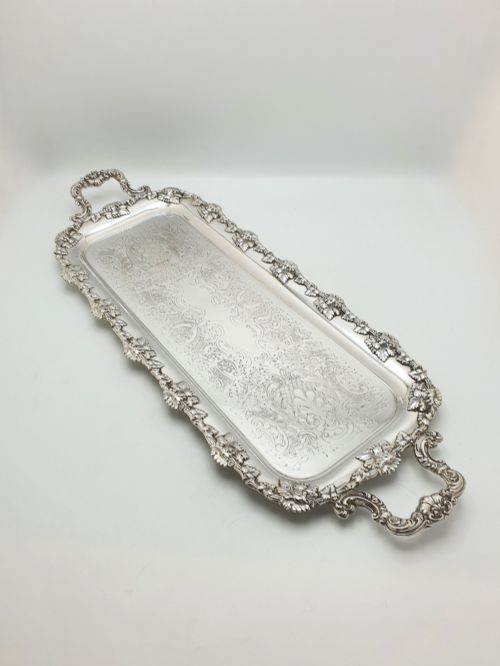
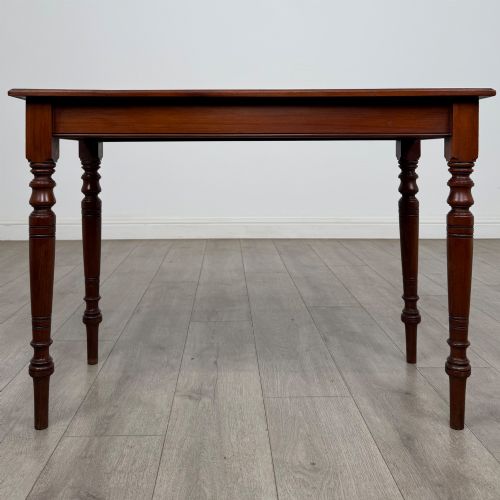
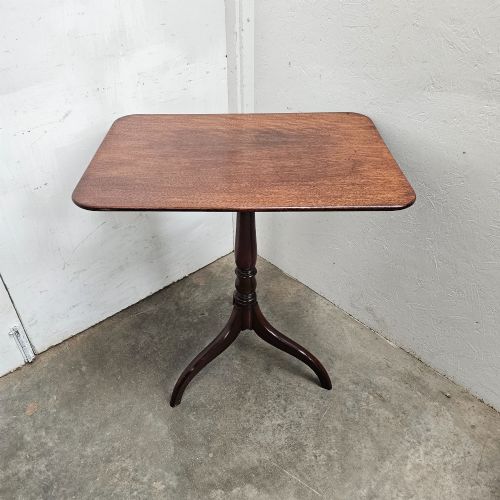
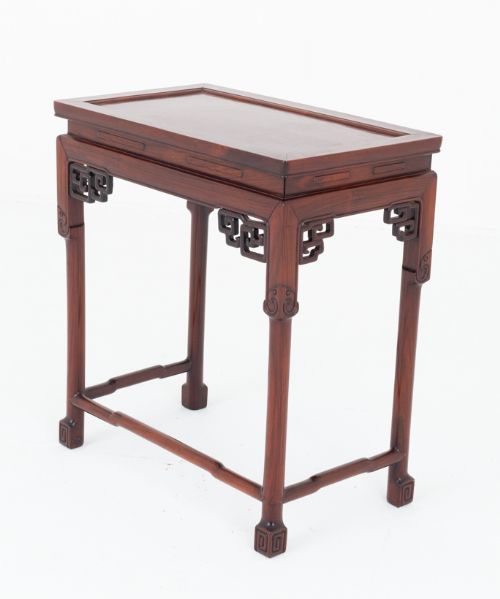


Antique Rectangular Side Table
An antique rectangular side table brings functional elegance and history to a room, offering surface space built from centuries of timber tradition.
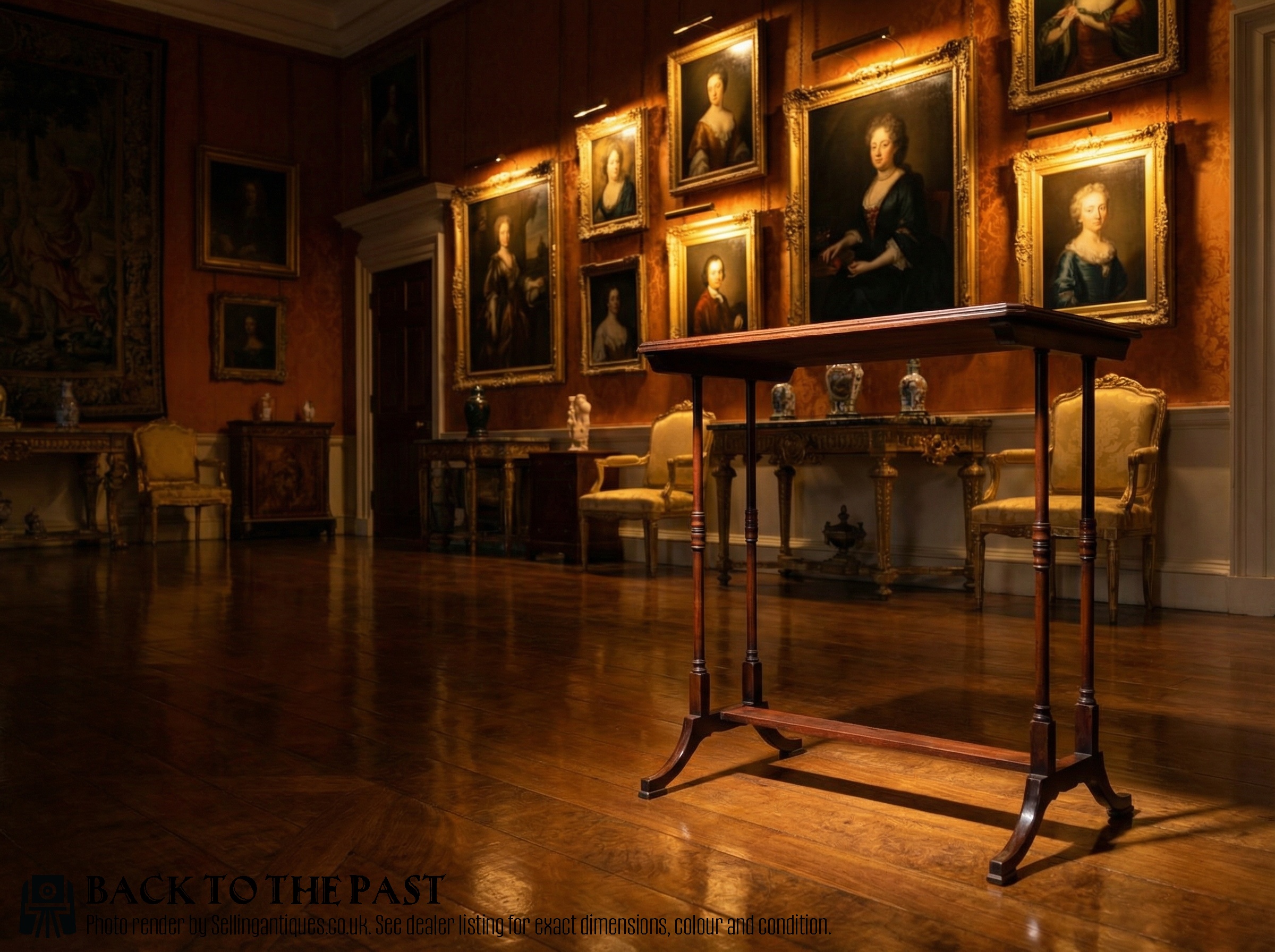
Antique Rectangular Side Table
An antique rectangular side table covers a wide scope of domestic utility, spanning compact lamp surfaces to larger writing and centre pieces. The selections here reflect centuries of craftsmanship, ranging from Georgian and Regency forms to Victorian and Edwardian examples.
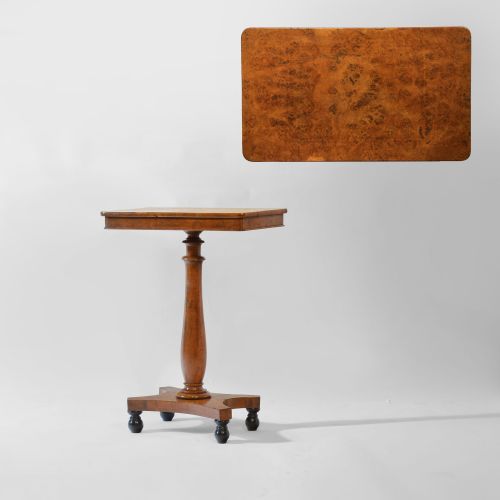
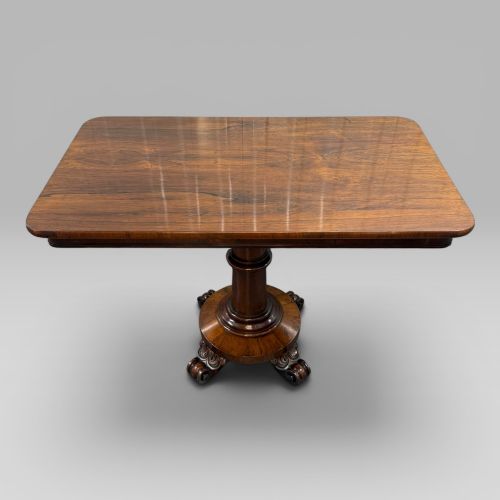
Buyers will frequently encounter mahogany and oak variations, alongside occasional rosewood, walnut, and exotic hardwoods. These pieces frequently manifest as side tables, occasional tables, or tilt-top designs intended for flexible room placement.
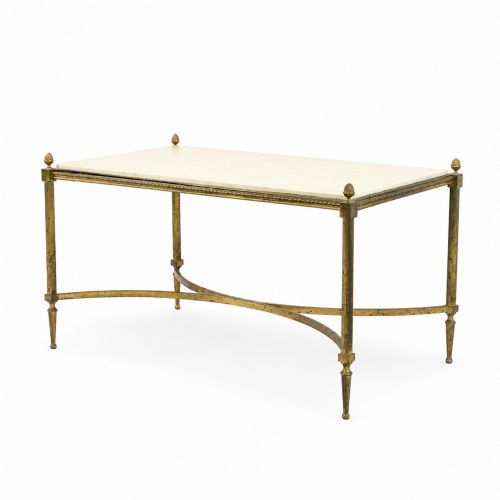
Origins stretch across English workshops, European provincial makers, and Chinese Qing Dynasty pieces featuring carved hardwood or inset marble panels. This geographical diversity ensures a wide array of stylistic interpretations within the same foundational rectangular shape.
Materials and Construction
Makers relied heavily on dense timbers such as mahogany, oak, and walnut, often enhanced through satinwood inlay, brass framing, or ebonised finishes. Structural integrity relied on traditional joinery suited to the specific weight and grain of each wood.
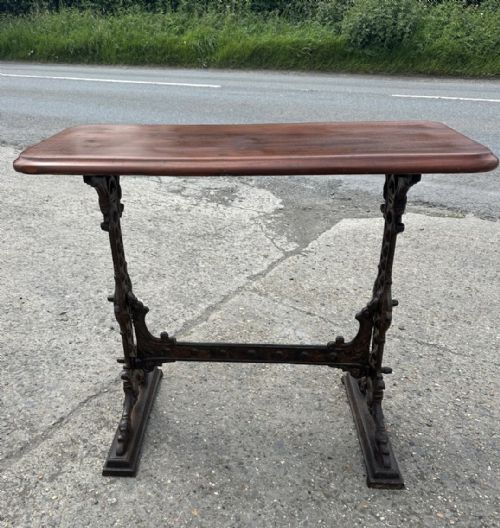
Surface treatments range from simple polished wood and tilt-top mechanisms to intricate bone inlay and inset rouge marble panels. Iron and cast iron components appear in specific industrial or bistro contexts, pairing metal strength with wooden tops.
Several tables feature built-in cartographic maps or elephant motifs, proving that historical side tables were designed for global tastes.
Evaluating Craftsmanship
The distinction between standard utility items and finer examples rests on the selection of timber and the precision of decorative details such as cross-banding and inlay. Superior pieces exhibit thoughtful proportions and harmonious grain alignment across the rectangular surface.
The sophistication of the hardware, whether brass handles, cast iron framing, or delicate carved borders, signals the tier of the piece. Longevity and visual balance remain the primary indicators of superior workshop execution.
The Antique Rectangular Side Table Glossary
- Tilt-top table
- A table with a hinged top that can be tilted vertically to save space when not in use. This mechanism often utilises a birdcage catch beneath the surface.
- Occasional table
- A small, portable table designed for specific, intermittent use within a room. These frequently serve as lamp or side tables.
- Centre table
- A freestanding table finished on all sides, designed to stand away from walls in the middle of a room. These often feature prominent timber grains or marble inserts.
- Cross-banding
- A decorative border of veneer laid with the grain running perpendicular to the main surface. This technique creates a contrasting frame around a rectangular top.
- Etagere
- A set of open shelves or tiers used for displaying small objects. Examples in the evidence incorporate brass frames and satinwood.
Antique Rectangular Side Table: Frequently Asked Questions
Where should I place a side table?
These tables adapt easily to living rooms, hallways, and bedrooms, functioning well beside seating or against empty walls.
Their rectangular footprints allow them to fit snugly into narrower spaces where larger furniture proves impractical.
How do I care for antique wood?
Protect wooden surfaces from direct sunlight and excessive moisture to prevent warping or fading of the polished finish.
Regular dusting with a soft cloth preserves the natural patina without stripping the historic wax or varnish.
What is a tilt-top used for?
The tilting mechanism allowed historical owners to store the table flat against a wall when floor space was needed.
Today, this feature highlights the clever engineering of earlier periods and allows for an interesting display option when folded.
How do I identify the period?
Look to the primary timber species, leg styles, and decorative motifs like inlay or carving for chronological clues.
Comparing construction methods against known regional styles helps narrow down the exact decade of manufacture.