
Brown Wooden Serving Table
A brown wooden serving table brings domestic history into the dining room, offering substantial timber surfaces for hospitality and display.
Brown Wooden Serving Table
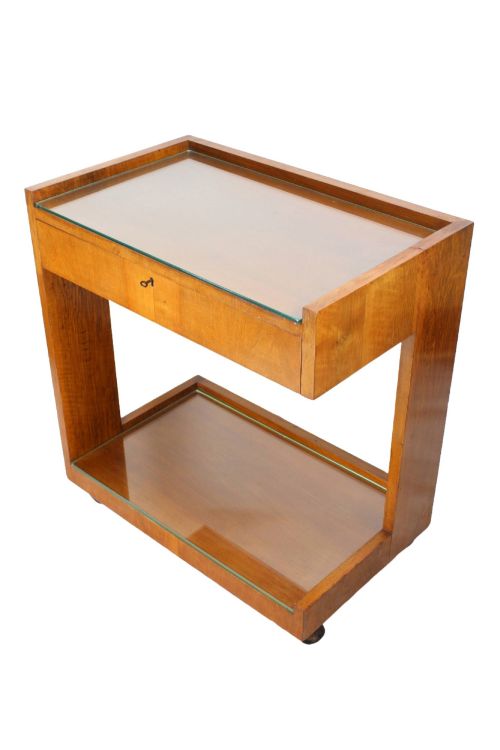
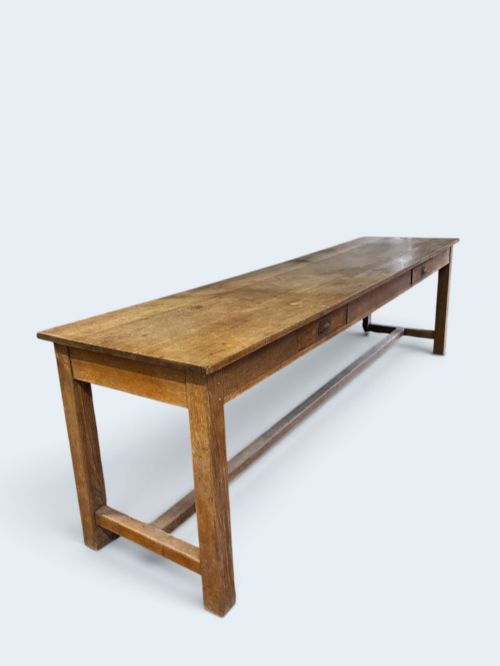
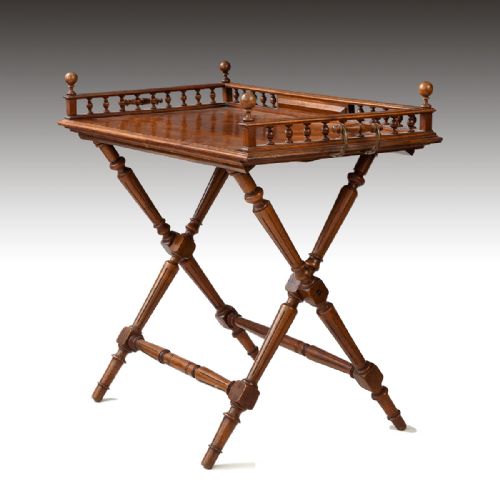
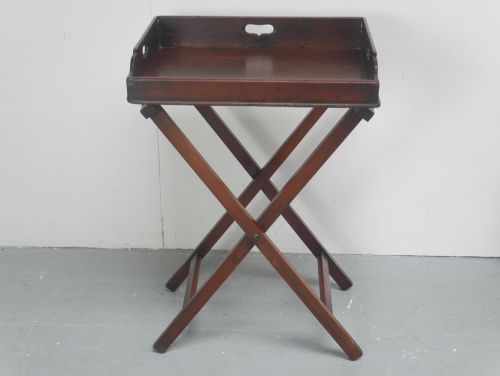
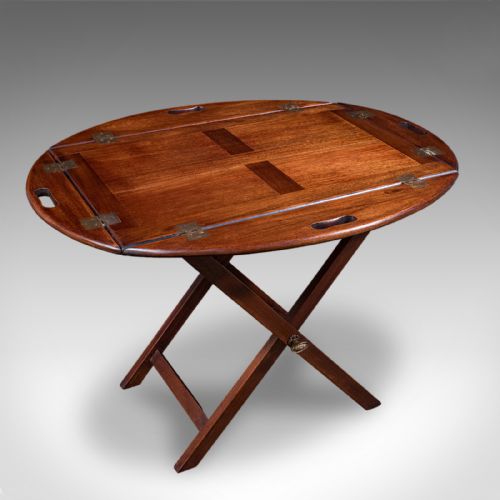
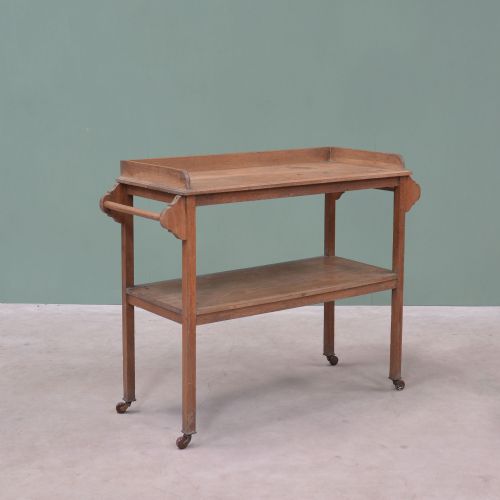
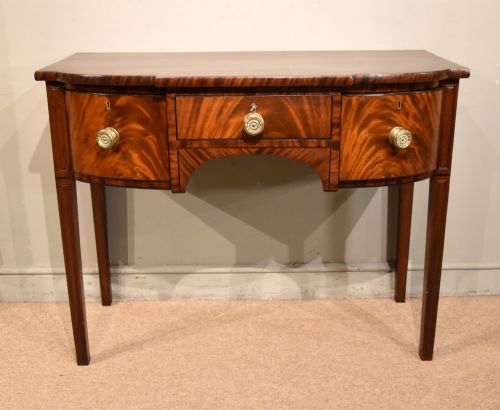
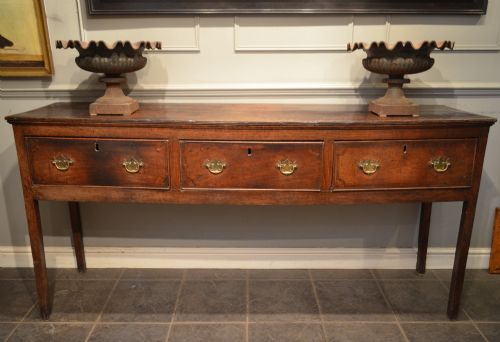
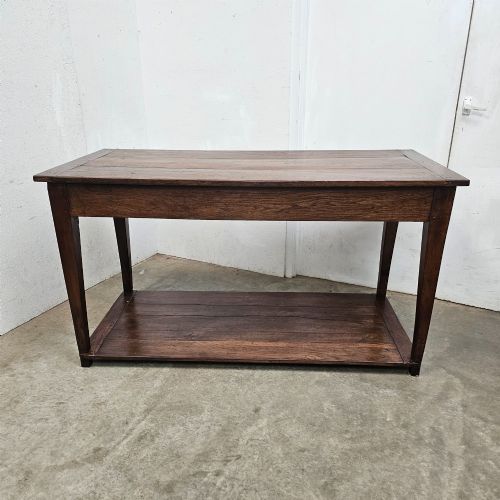
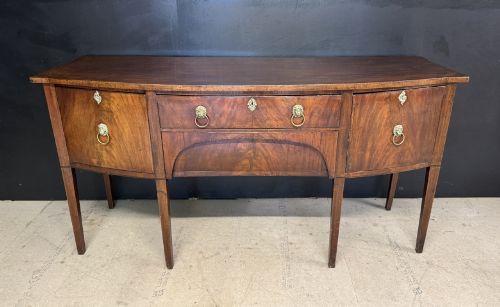
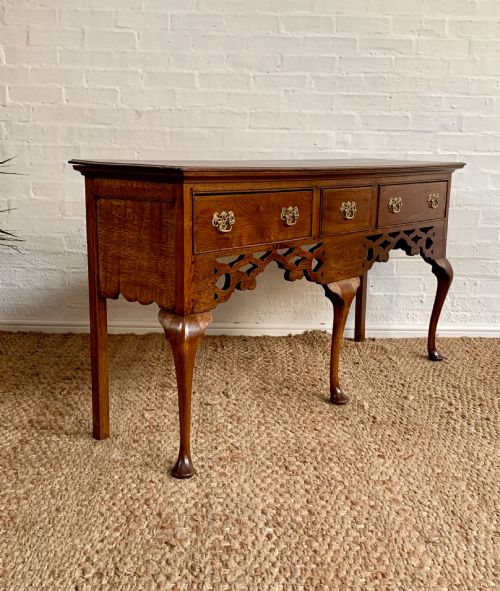
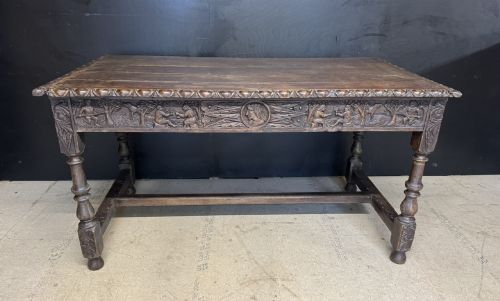
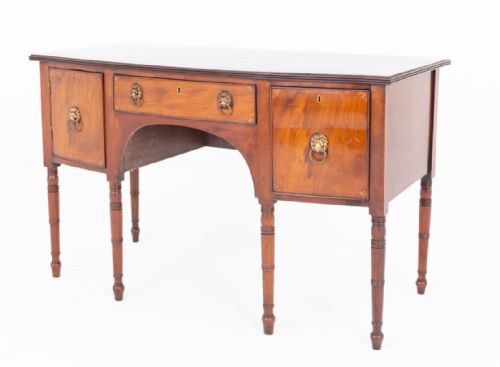
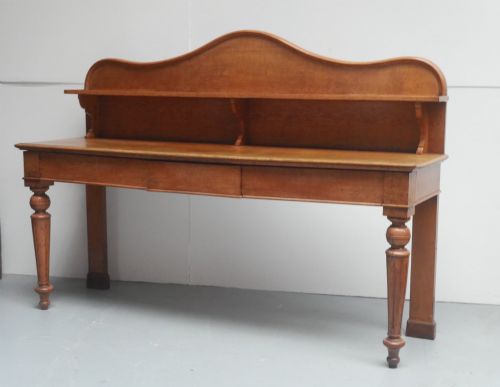
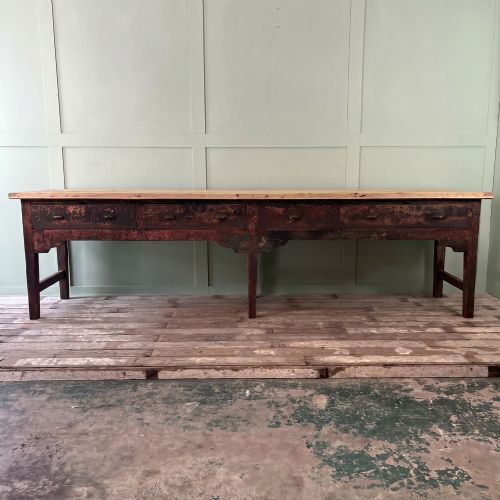
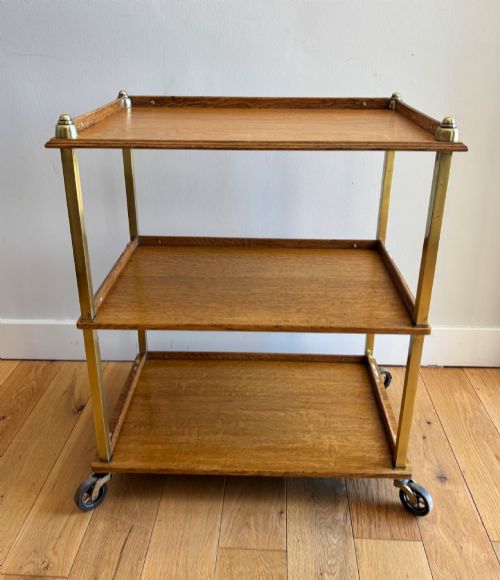
When searching for a brown wooden serving table, you encounter a varied selection of large dining furniture and smaller hospitality pieces spanning multiple centuries. The listings range from substantial Georgian mahogany sideboards and oak dresser bases to folding nineteenth-century butler trays on stands and early twentieth-century tea trolleys.
Georgian and Regency examples tend to feature formal mahogany and refined proportions intended for dining room service, while Victorian and Edwardian pieces often incorporate practical tiers, drop-flaps, or wheels. Oak and walnut appear frequently alongside pine and cherrywood, capturing centuries of changing domestic routines from country houses to urban parlours.
Craftsmanship and proportion
The distinction between ordinary and superior pieces rests upon the selection of timber, the crispness of any carved detailing, and the integrity of the original construction. Superior examples maintain balanced proportions and use well-figured mahogany, quarter-sawn oak, or rich walnut.
Finer items preserve their original hardware, castors, and stands without intrusive modern replacements. The weight of the timber and the tightness of the joinery determine how well the piece survives centuries of practical use.
Victorian garden party tables folded away neatly once the Pimms had been poured and the lawn guests departed.
The Brown Wooden Serving Table Glossary
- Sideboard
- A large dining room piece used for serving food and storing tableware. These substantial items usually feature cupboards and drawers beneath a broad timber top.
- Butler tray
- A portable wooden tray with hinged or fixed sides, originally lifted off its folding stand for service. Victorian and nineteenth-century versions appear frequently in domestic settings.
- Buffet
- A side table or low cupboard designed for holding dishes during a meal. Nineteenth-century examples often incorporate multiple tiers or adjustable shelves.
- Dresser base
- An open-topped wooden table featuring drawers and lower potboards, traditionally used in country kitchens and dining spaces. These heavy oak pieces provide exceptional surface area.
- Console table
- A table designed to stand flat against a wall, frequently utilised as a serving surface in narrow rooms or hallways. They appear in mahogany, oak, and cherrywood.
Brown Wooden Serving Table: Frequently Asked Questions
How were these tables used originally?
These tables served as auxiliary surfaces during large meals, holding dishes, silver, and drinks before guests were served. They relieved crowding on the main dining table and allowed domestic staff to manage courses efficiently.
Smaller variants like tea trolleys and butler trays brought hospitality directly to the parlour or garden. Their mobility made them essential for changing social rituals throughout the nineteenth and early twentieth centuries.
How do I identify a Georgian sideboard?
Georgian sideboards generally employ dense mahogany timber, elegant tapered legs, and subtle brass hardware. Their design reflects classical proportions established by period cabinet makers.
Many incorporate deep side drawers for bottle storage alongside central cutlery drawers. The focus remains on formal symmetry and fine timber selection rather than heavy carving.
Are butler trays attached to their stands?
Traditional butler trays lift entirely free from their folding X-frame stands. This allowed servants to carry the tray to the kitchen for reloading.
When buying, verify whether the stand is the original matching piece or a later replacement. The wooden pegs and hinge mechanisms help indicate period authenticity.
How do I care for antique wood surfaces?
Maintain timber surfaces by applying quality beeswax polish sparingly and buffing with a soft cloth. Avoid placing wooden furniture near direct heat sources or strong sunlight.
Use coasters and placemats to protect antique French polish or waxed finishes from moisture and heat rings. Regular dusting prevents particle accumulation in carved details.