

Edwardian Plant Table
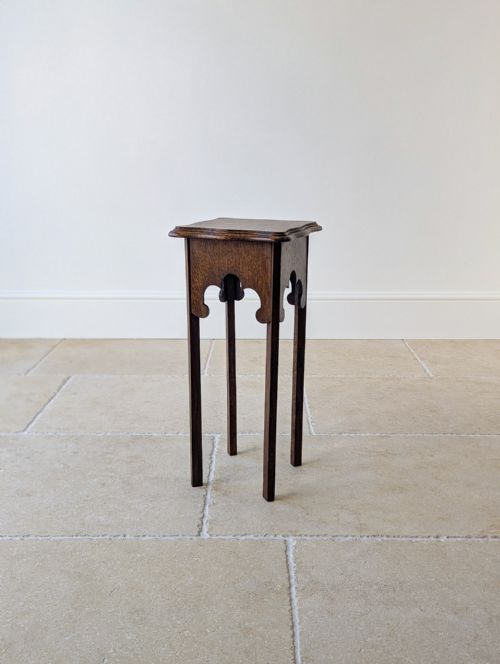
An edwardian plant table brings a slender, purposeful formality to a corner, holding a fern or lamp with understated grace.
Edwardian Plant Table
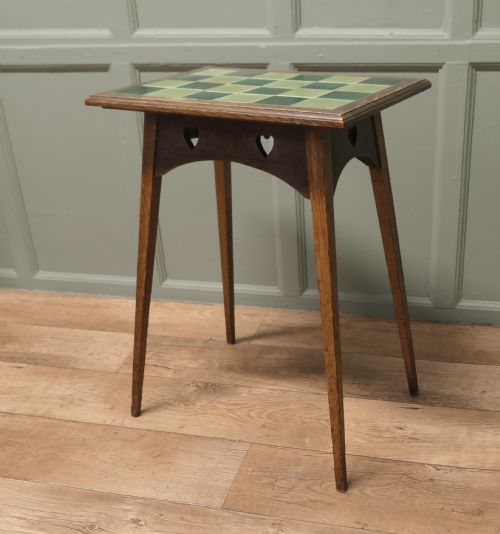
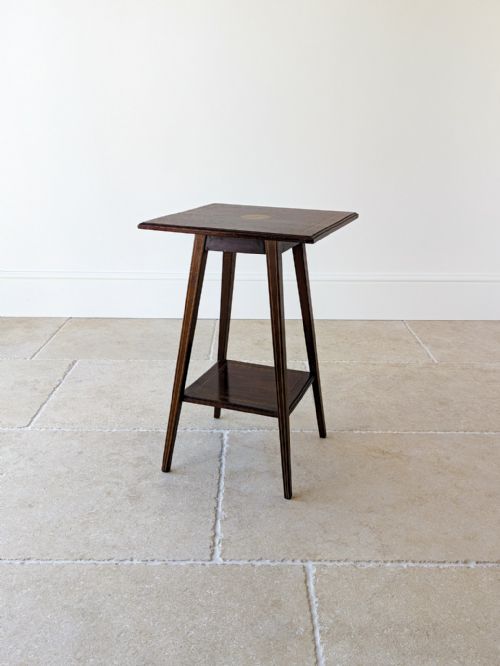
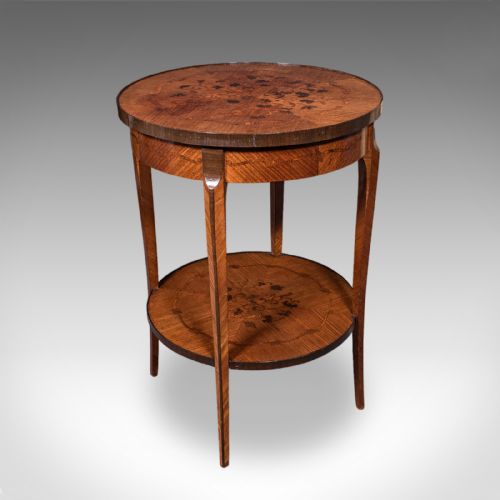
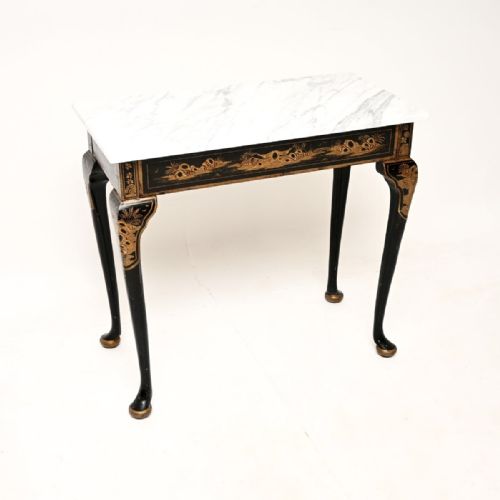
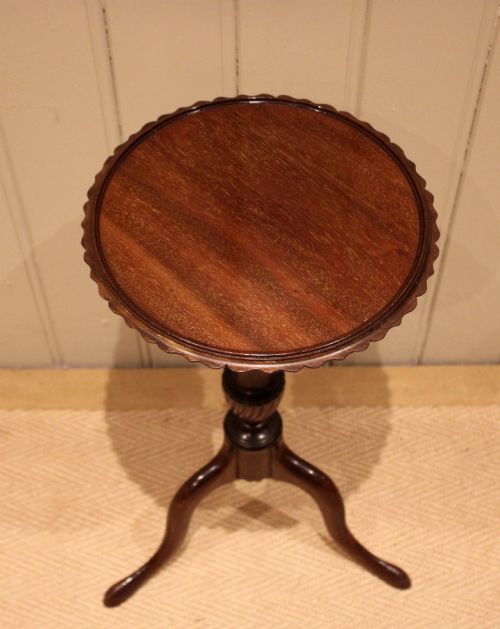
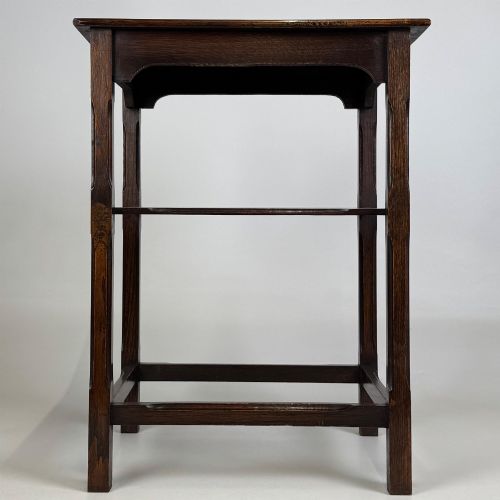
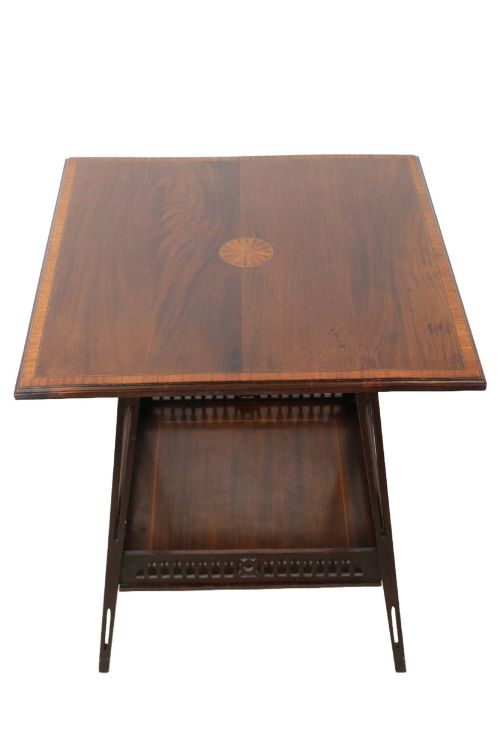
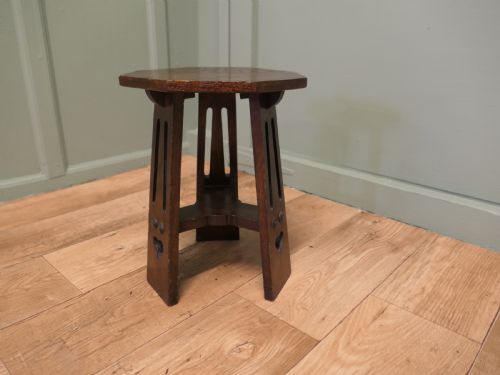
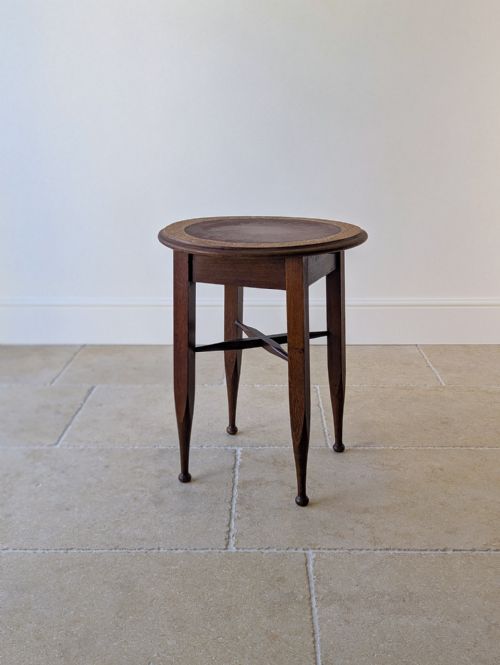
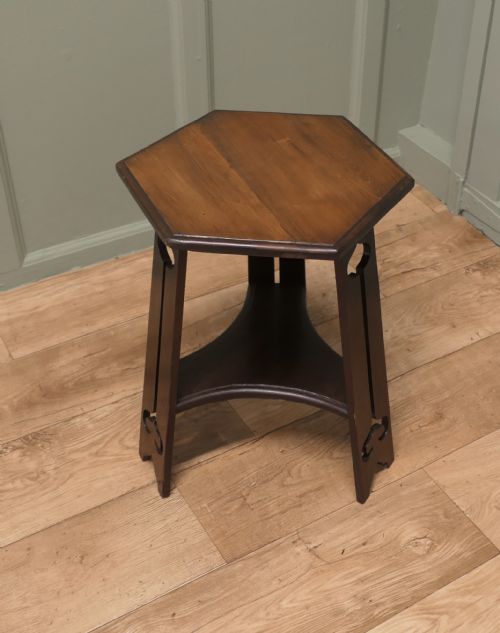
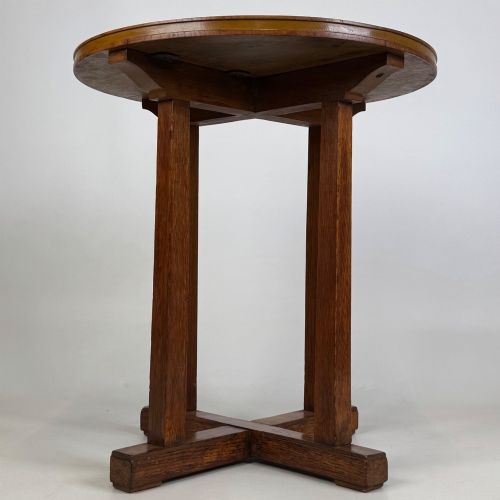
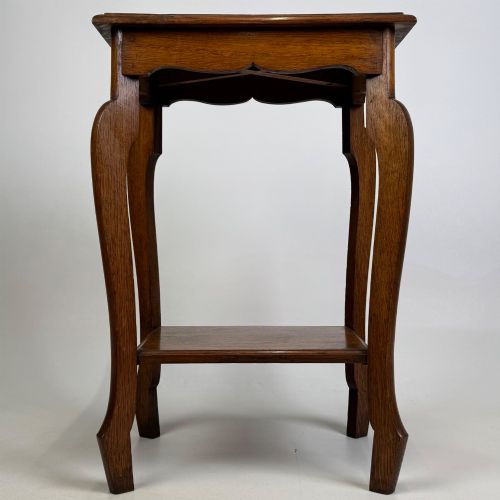
When you search for an edwardian plant table, you encounter tall, light stands and tiered occasional pieces designed to hold pottery bowls, jardinières and lamps. These forms overlap with side tables, candle stands and occasional pieces, crossing into Arts and Crafts octagonal formats and French-influenced mahogany designs.
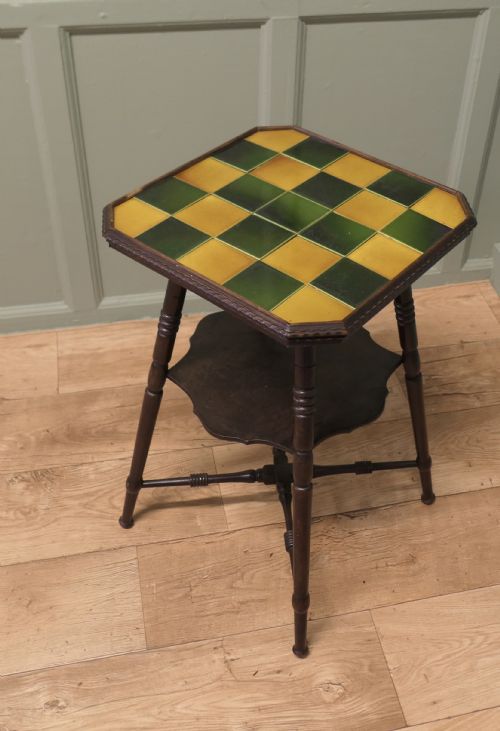
The pieces appearing here span Edwardian manufacture alongside related late Victorian and early twentieth-century examples, shifting from simple oak frames to satinwood and inlaid mahogany. While many lean towards straightforward utility, others adopt decorative elements like glazed tiles or tiered shelving to suit a drawing room or hallway.
Materials and Construction
Makers utilised solid timbers like oak, walnut and mahogany alongside decorative veneers such as satinwood and kingwood, occasionally incorporating brass details, ceramic tiles and lacquer work. Construction methods range from straightforward joinery in Arts and Crafts pieces to refined inlay and carved surfaces on Edwardian drawing room furniture.
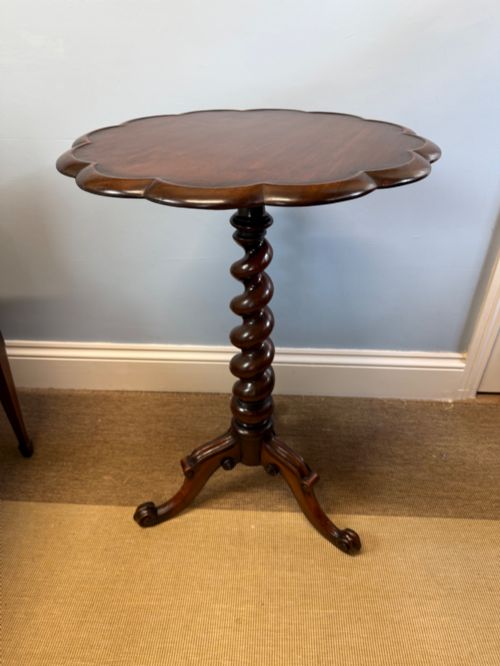
Surfaces vary from original paint and polished wood to marble tops and chinoiserie finishes, reflecting the diverse workshops producing these items. The integration of tiers, barley twist legs and gallery bases provides stability for heavy pots and lamps while maintaining a delicate silhouette.
Listings here feature oak, mahogany, walnut, satinwood and lacquer, spanning the late nineteenth century through the nineteen-twenties.
Markers of Quality
Quality rests in the selection of timber and the precision of structural joints, distinguishing standard utility items from pieces bearing maker attributions. Subtle details such as chequered inlay, hand-carving and well-fitted tiered shelves indicate closer attention during manufacture.
The integrity of the surface finish, whether polished mahogany or original paint, defines the presence of the piece in a room. Better examples balance load-bearing stability with slender proportions, avoiding excessive bulk while securely supporting a jardinière or lamp.
Trevor Page & Co·Shapland & Petter·Liberty & Co.·William Birch
The Edwardian Plant Table Glossary
- Jardiniere
- A decorative pot or stand designed to hold a plant or floral arrangement indoors.
- Occasional table
- A small, movable table intended for a specific, temporary use within a room.
- Inlay
- A technique where contrasting woods or materials are inserted into the primary surface to form patterns.
- Arts and Crafts
- A design movement valuing honest construction, simple forms and handcrafted materials.
- Barley twist
- A carved wooden furniture leg shaped in a spiral twist resembling twisted barley sugar.
Edwardian Plant Table: Frequently Asked Questions
What is an edwardian plant table used for?
These pieces were built to hold potted plants, jardinières and lamps in domestic interiors. Their compact footprints allowed them to occupy corners and hallways where larger furniture would not fit.
Today, they serve similar functions while acting as display surfaces for ceramics, books or lighting. Their varied heights and tier counts accommodate different display requirements.
How do I identify an edwardian plant table?
Identification relies on combining stylistic markers, timber choices and typical period proportions. Edwardian pieces often feature lighter woods, subtle inlay and slender legs compared to heavier Victorian precedents.
Examining the construction methods underneath and the character of the finish helps separate genuine period examples from later revival items. The listings include pieces spanning oak, mahogany and satinwood.
Where should I place a plant table?
These tables suit corners, window recesses and entrance halls where vertical space is available without blocking movement. Their narrow profiles make them effective beside armchairs or sofas as lamp surfaces.
When displaying plants, ensure the surface finish is protected from moisture by using saucers or liners beneath pots. Lower tiers on multi-shelf variants provide extra room for small objects.
Are these tables sturdy enough for heavy pots?
Most pieces were engineered to support typical household plants and heavy ceramic jardinières safely. Solid timber construction and braced legs provide the necessary strength for daily use.
It remains wise to check the balance of the specific base form, particularly on taller or three-tiered models. Distributing weight evenly preserves the stability of the stand.