

Georgian Mahogany Drop Table
A georgian mahogany drop table brings centuries of flexible English craft into a room, offering unfolding leaves that served dining rooms, libraries and drawing rooms alike.
Georgian Mahogany Drop Table
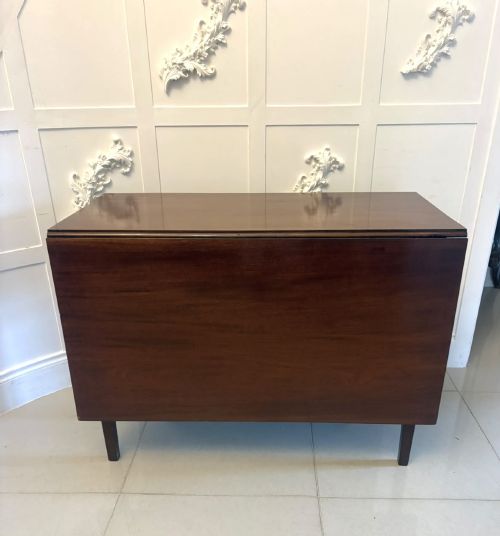
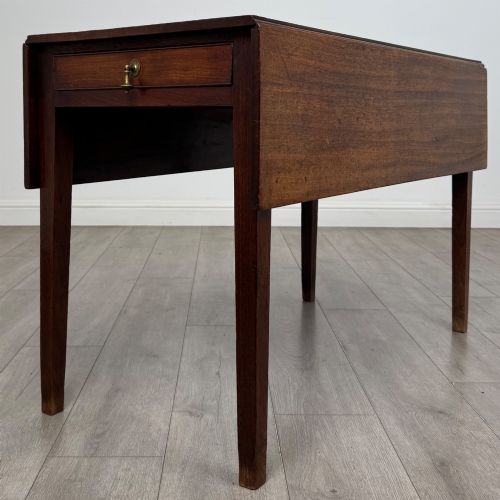
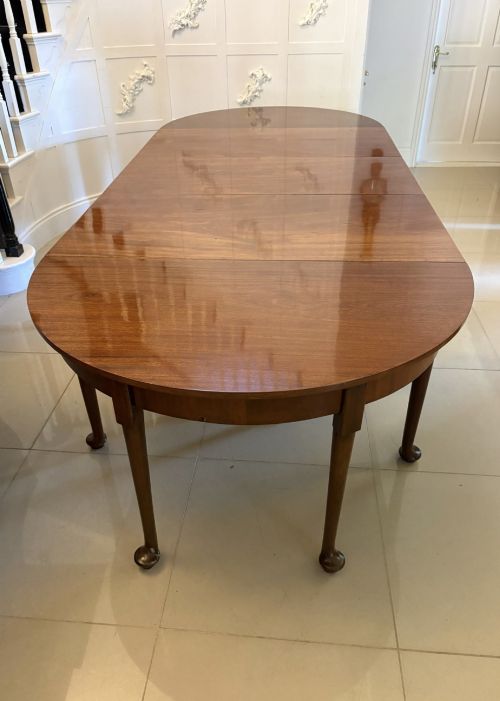
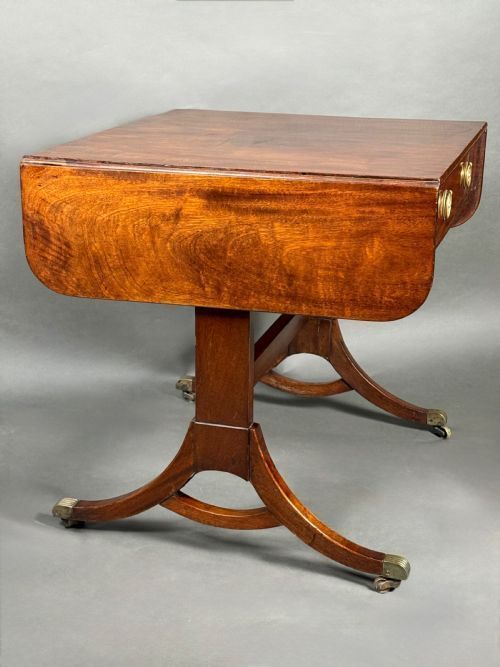
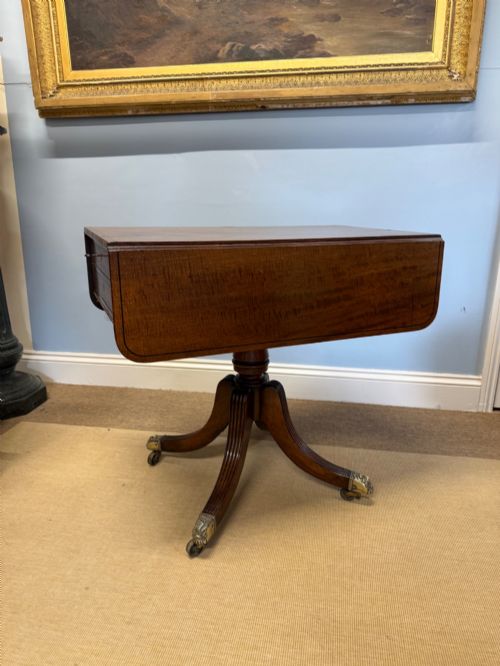
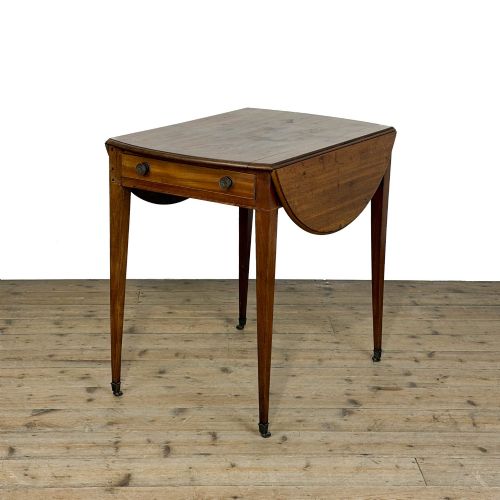
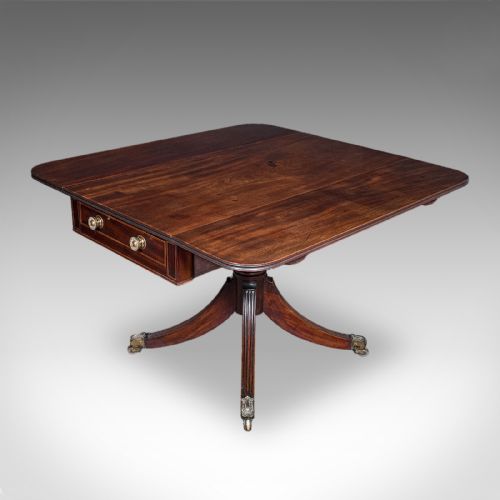
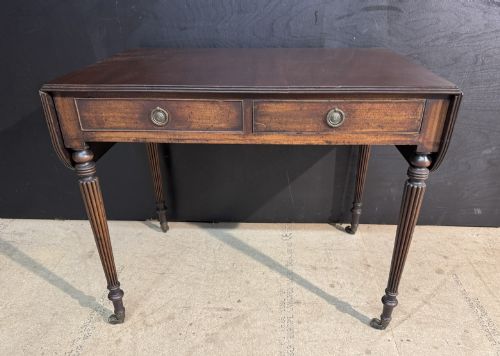
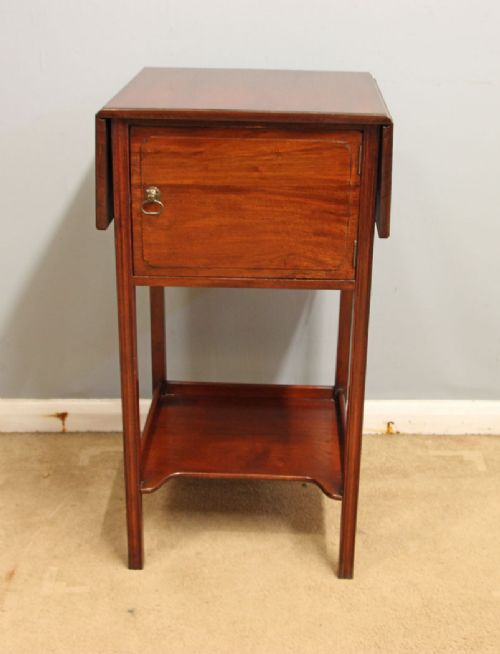
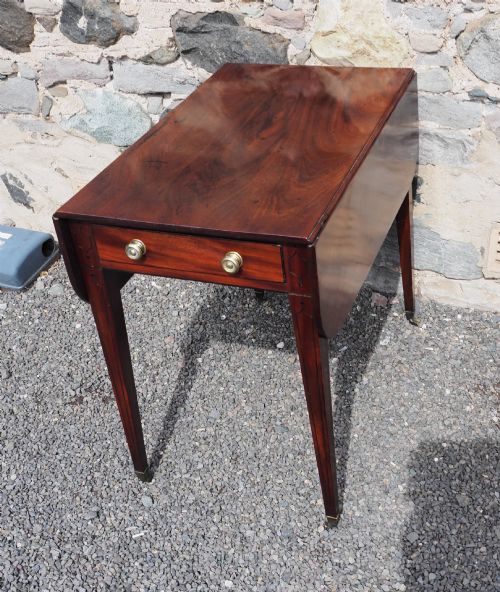
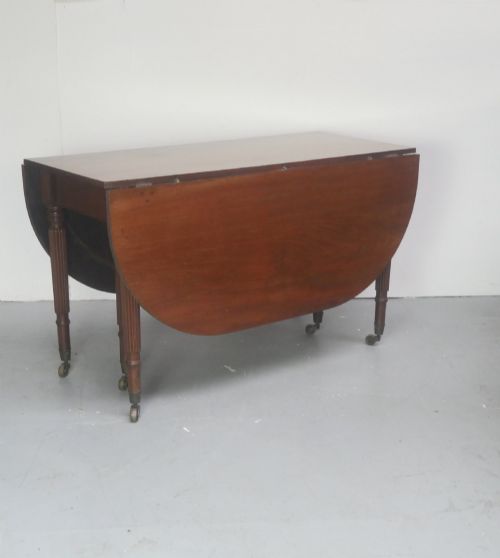
A georgian mahogany drop table encompasses a variety of drop-leaf and gateleg formats spanning the Georgian, Regency and Victorian eras, alongside later revivals. Buyers encounter everything from small Pembroke and spider leg tables to large dining and sofa tables designed with folding flaps.
The domestic forms recorded in these pieces range from dedicated writing, sewing and work tables to bedside cabinets, butlers trays and tea tables. Smaller examples suit occasional placement, while expansive gateleg and pedestal versions function as principal dining tables.
Origins trace across the eighteenth and nineteenth centuries, featuring named periods like George II, George III and Sheraton alongside nineteenth-century interpretations. These tables reflect changing domestic needs for versatile, space-saving furniture across multiple reigns.
Materials and Construction
Construction relies heavily on solid and figured mahogany, frequently enhanced by flame mahogany veneers that highlight rich grain patterns. Cabinetmakers incorporated secondary timbers alongside structural brass hardware to support pivoting drop leaves and drawers.
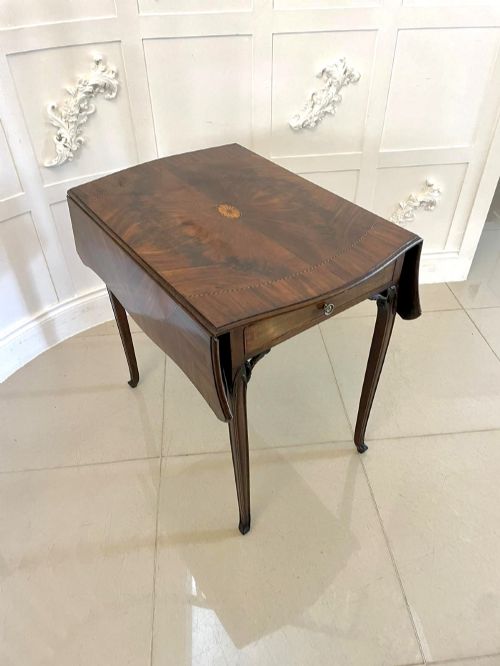
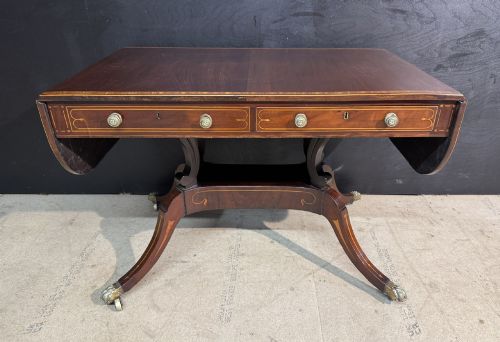
Inlay work defines many pieces, utilising satinwood, boxwood, partridge wood and general wood inlay to create contrasting borders and geometric banding. These decorative elements frame the tops and aprons of Pembroke and sofa tables with precise linear detail.
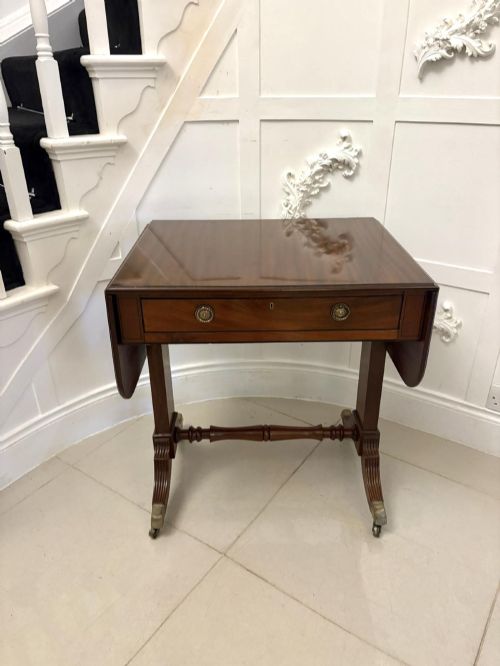
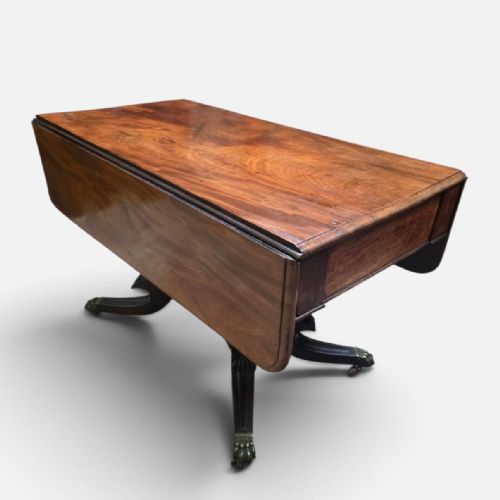
Leg joinery varies from pad feet and claw-and-ball terminals on early gateleg forms to slender tapering legs and pedestal bases on later Regency designs. Hinges and brass castors enable the folding flaps to operate smoothly while maintaining structural stability.
Listings feature mahogany, satinwood and boxwood, alongside inlay and brass details across Georgian, Regency and Victorian periods.
Factors of Distinction
Quality rests upon the selection of timber, particularly the depth of figure in flame mahogany and the crispness of contrasting satinwood or boxwood inlay. Superior pieces display thoughtful grain matching across drop leaves and table tops.
The integrity of the structural joinery, especially around folding gatelegs, pivoting leaves and drawer construction, separates standard utility pieces from finer cabinetwork. Refined leg turnings, carved pad feet or detailed claw-and-ball terminals indicate higher workshop standards.
The Georgian Mahogany Drop Table Glossary
- Pembroke table
- A small occasional or breakfast table featuring two hinged drop leaves on opposing sides, often equipped with one or more drawers. These versatile tables gained popularity during the eighteenth century for use in parlours and bedrooms.
- Gateleg table
- A dining or occasional table with hinged leaves supported by swing-out legs that resemble a gate. This design provides sturdy support for large folding surfaces.
- Sofa table
- A rectangular occasional table designed to stand in front of a sofa, typically featuring drop leaves on either end and twin pedestal supports or trestle feet. They emerged during the Regency period for domestic lounging and writing.
- Cross banding
- A decorative border of veneer laid with the grain running perpendicular to the surrounding surface. It frames table tops and drawer fronts with a contrasting border.
- Pad foot
- A rounded foot shape resting flat on the floor, commonly found on eighteenth-century cabriole legs. This simple terminal provides stable ground contact without complex carving.
Georgian Mahogany Drop Table: Frequently Asked Questions
How were drop tables used?
These tables served multiple daily functions, expanding for meals, tea or writing, and folding down compactly against walls when floor space was required.
Their adaptable design made them essential furniture in sitting rooms, bedrooms and dining spaces throughout the eighteenth and nineteenth centuries.
What is a Pembroke table?
A Pembroke table is a compact form featuring hinged flaps on two sides and a central drawer, used historically for light dining or writing.
Cabinetmakers produced them in numerous regional variations during the Georgian and Regency periods.
How do I identify the period?
Dating relies on leg shapes, timber choices and inlay styles, moving from early pad feet and gatelegs to later tapering legs and brass-mounted Regency pedestals.
Comparing construction methods and secondary woods helps place a piece within the Georgian or Victorian eras.
Can I use one for daily dining?
Larger gateleg and Pembroke formats provide ample surface area for seating several people when fully extended.
Their drop leaves allow households to adjust table dimensions easily according to daily dining requirements.