


18th Century Drop Table
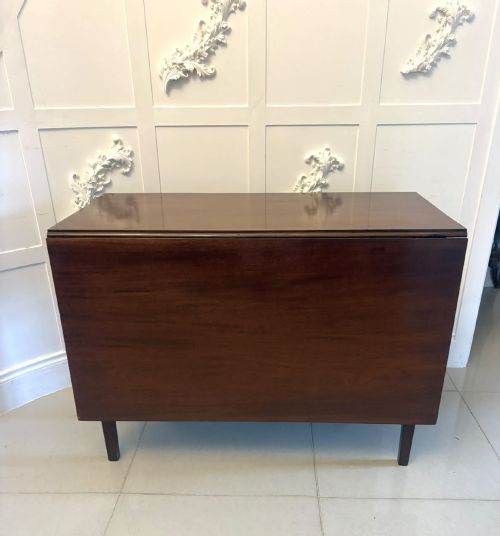
When you select an 18th century drop table, you choose a versatile surface designed to expand for dining and fold down against a wall when not in use.
18th Century Drop Table
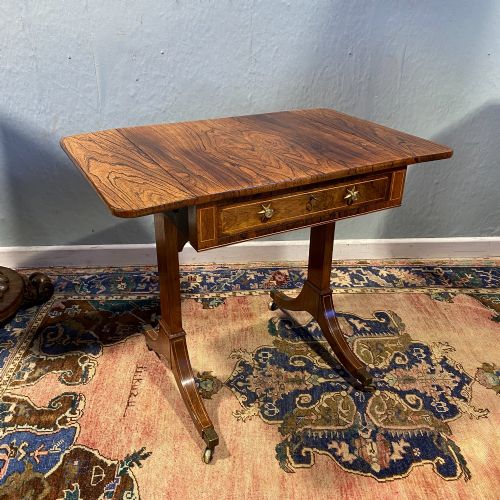
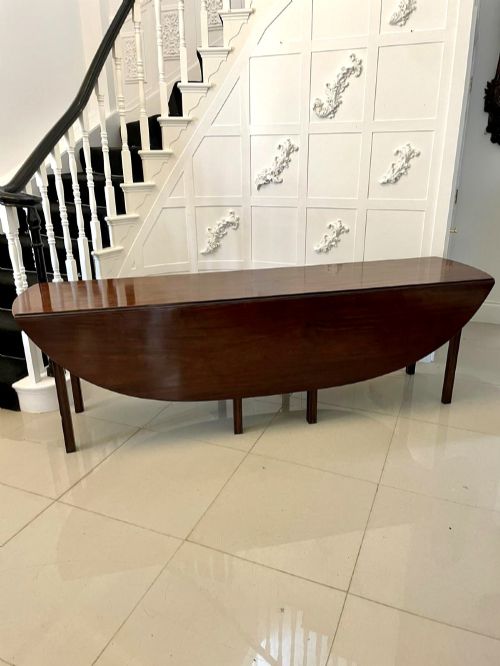
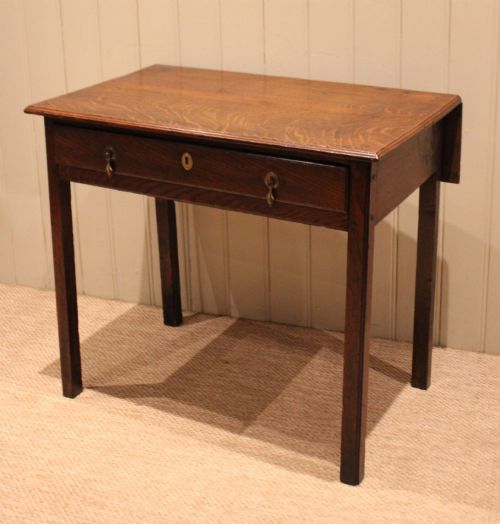
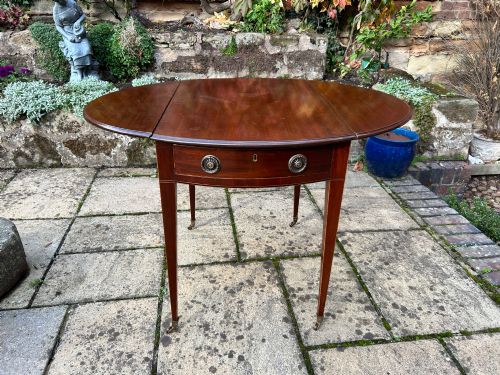
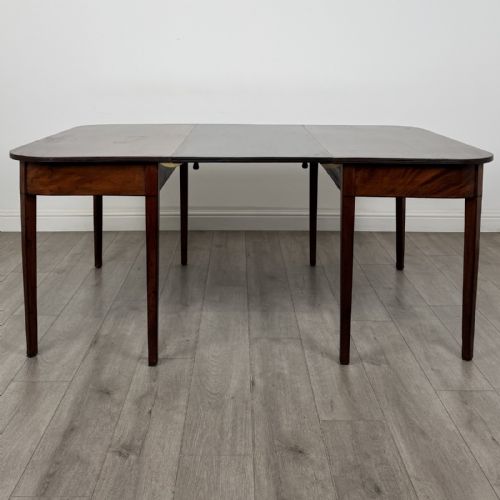
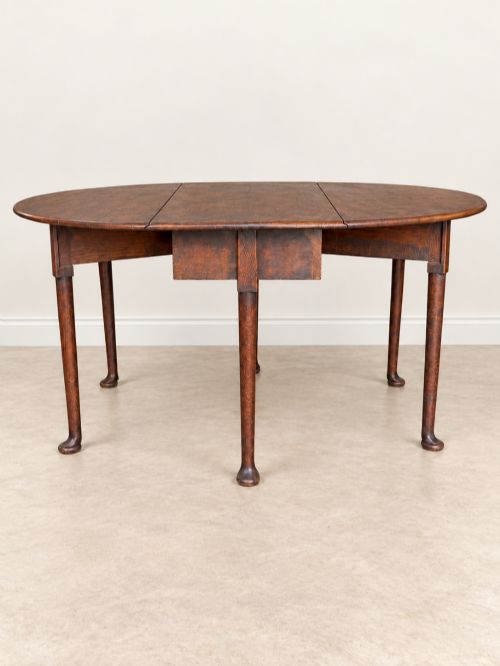
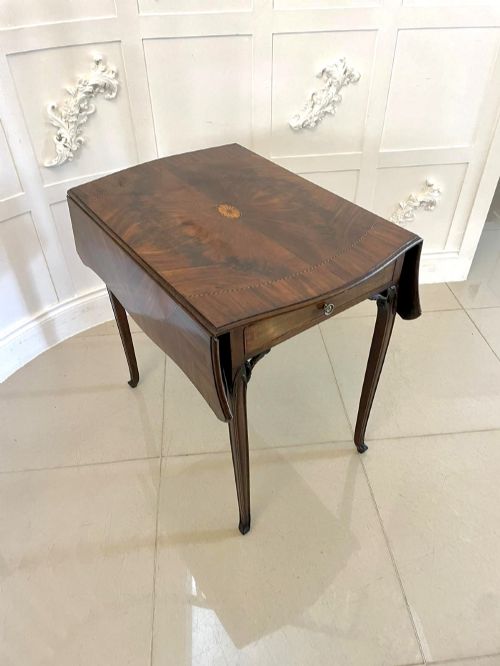
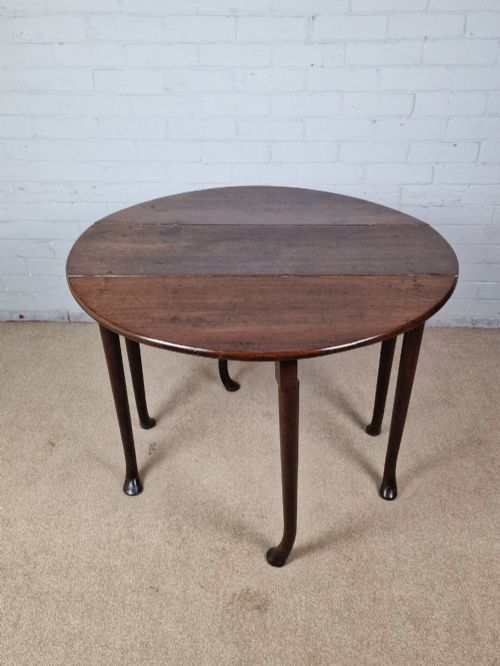
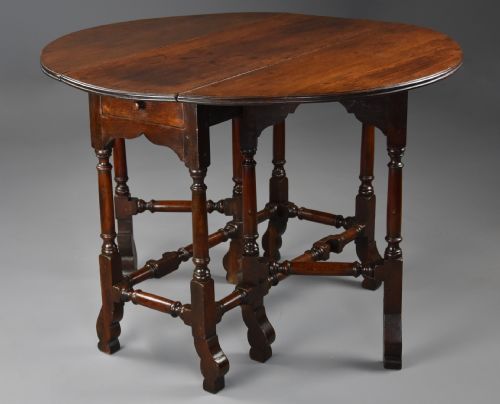
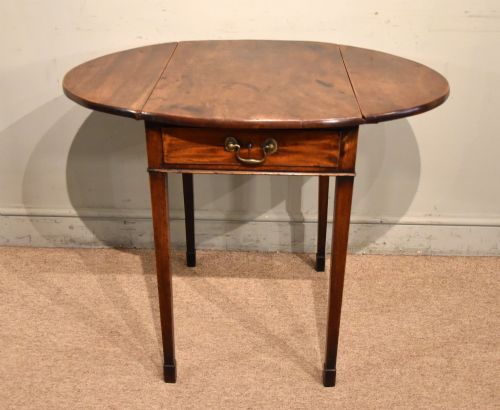
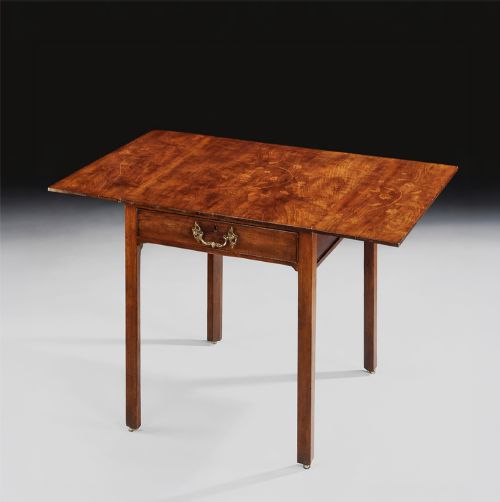
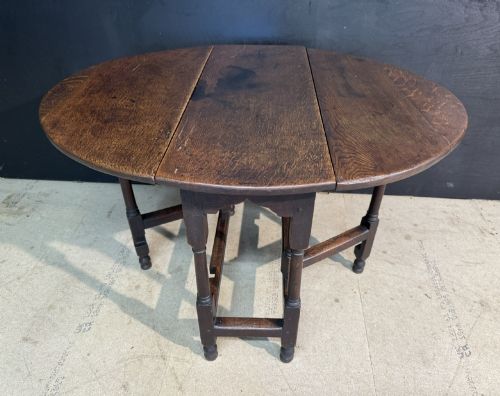
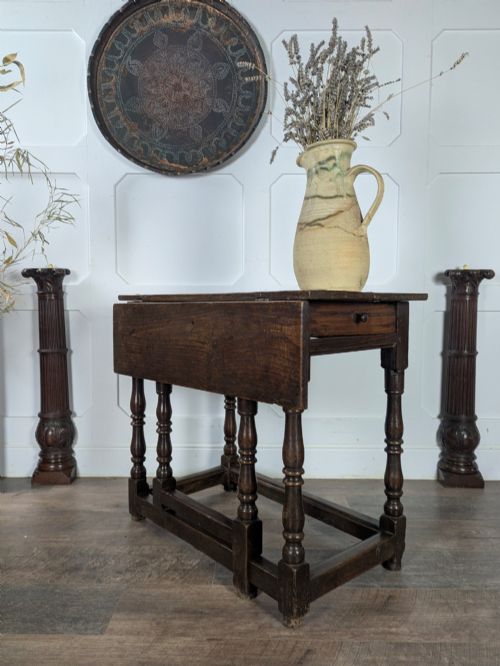
The 18th century drop table encompasses both robust gateleg dining formats and refined occasional pieces like Pembroke tables. Buyers encounter forms ranging from large oak country dining pieces to compact mahogany examples designed for tea or sewing.
Originating largely from the Georgian and earlier periods, these tables reflect diverse regional workshops utilising native and imported timbers. Examples span styles from Queen Anne and George II to Sheraton, incorporating drop leaves supported by pivoting legs or fly brackets.
Distinctions in Standard
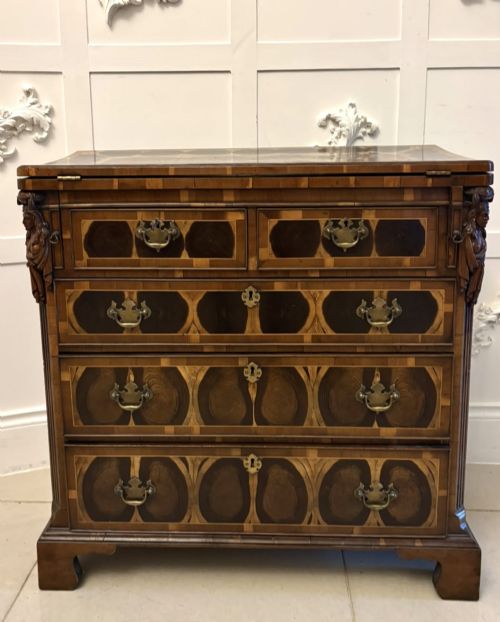
Quality separates tables built from dense, figured timbers like Cuban mahogany or fiddleback sycamore from simpler utilitarian pieces constructed of regional oak or elm. The choice of secondary woods and the precision of inlaid details such as partridge wood cross-banding indicate the original maker's investment of time.
Structural integrity depends on the original hinges and the tightness of the gateleg pivot joints. Pieces retaining a warm, undisturbed patina and crisp carving on cabriole legs and feet stand apart from heavily restored alternatives.
18th Century Drop Table Retail Price Guide 2026
Typical asking prices for 18th century drop table among the pieces listed under this phrase on Sellingantiques today, from the lower quarter to the upper quarter. They describe what is for sale here now, not the wider market.
Some drop leaves hide secret compartments for embroidery silk or tea leaves, proving our ancestors loved a clever hiding spot.
The 18th Century Drop Table Glossary
- Pembroke table
- A small rectangular table with two hinged drop leaves on opposing sides, frequently featuring a single drawer. This form emerged during the 18th century as a versatile piece for breakfast or writing.
- Gateleg table
- A table with hinged leaves supported by legs that swing outward like a gate. This mechanism provides sturdy support for large oval or rectangular dining surfaces.
- Cross-banding
- A decorative border of veneer laid with the grain running perpendicular to the main surface. Cabinetmakers utilised contrasting timbers to frame tabletops and drawer fronts.
- Patina
- The surface sheen and colour depth developed by wood over centuries of handling and polishing. Original patination serves as an indicator of age and careful preservation.
18th Century Drop Table: Frequently Asked Questions
How were drop tables used originally?
These tables served multiple functions in domestic spaces, acting as compact side or console surfaces when folded and expanding to accommodate diners at meal times.
Smaller variants provided dedicated spaces for tea service, sewing, or writing before being tucked away against a room perimeter.
How do I identify a George II table?
George II period examples typically showcase rich mahogany timbers, substantial oval drop leaves, and prominent cabriole legs terminating in pad, hoof, or claw-and-ball feet.
Construction details from this era often point to mid-century British or Irish cabinetmaking workshops operating between the 1720s and 1760s.
What is a spider leg table?
Spider leg tables are characterised by exceptionally slender, turned wooden legs connected by delicate stretchers. This configuration supports lightweight Pembroke or drop leaf designs intended for occasional parlour use.
Due to the thin scantlings of the timber, these tables offer a lighter visual footprint than heavy oak gateleg dining variants.
How should I care for antique walnut?
Antique walnut surfaces require gentle cleaning with a soft cloth and occasional application of traditional beeswax to nourish the timber. Direct sunlight and sudden changes in humidity should be avoided to prevent veneer lifting and timber shrinkage.