

Dark Mahogany Drop Table
Dark mahogany drop table designs bring versatile folding leaves and rich timber surfaces from Georgian, Regency and Victorian workshops directly into modern rooms.
Dark Mahogany Drop Table
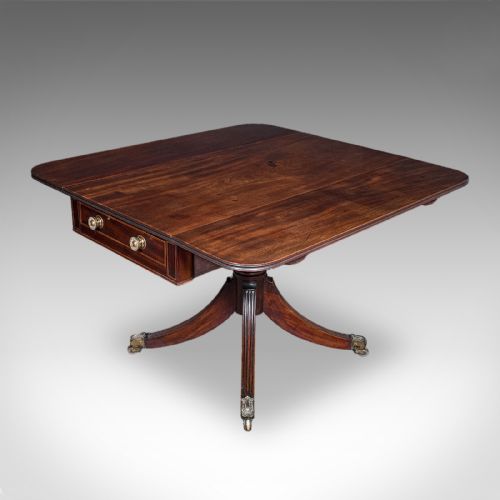
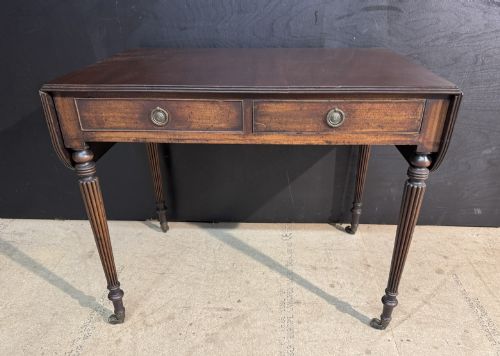
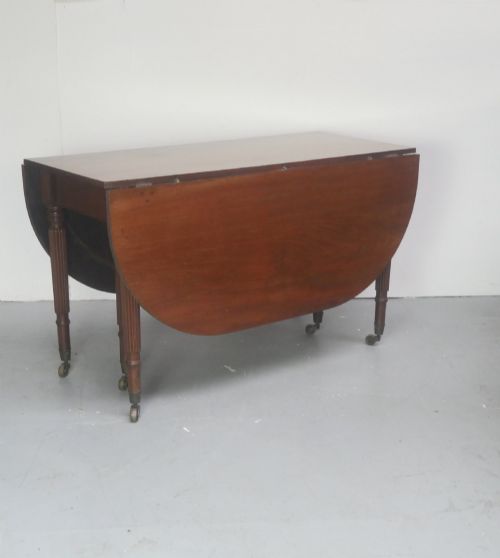
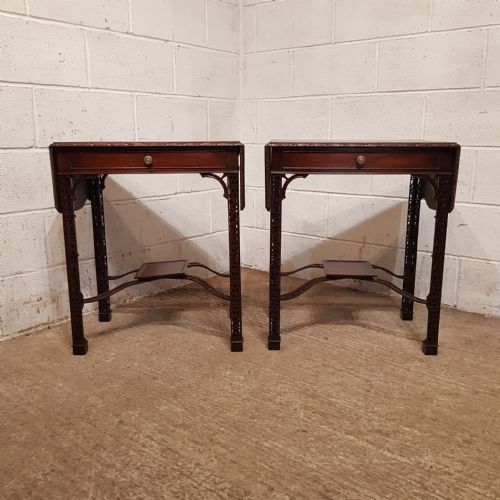
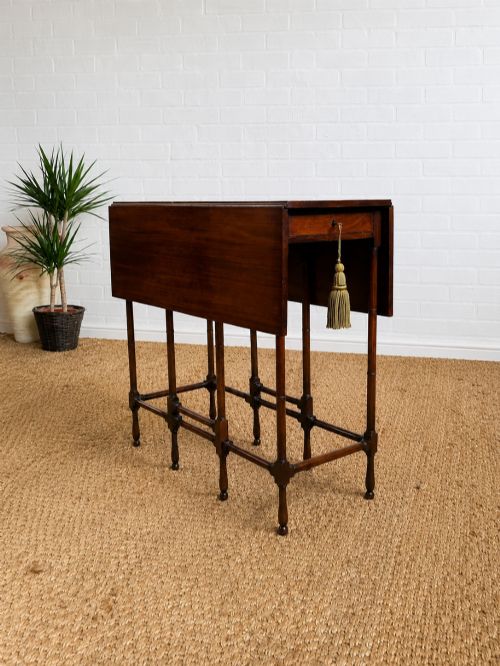
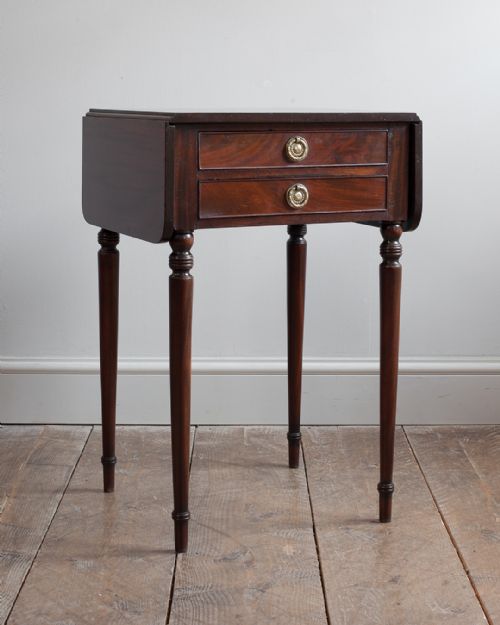
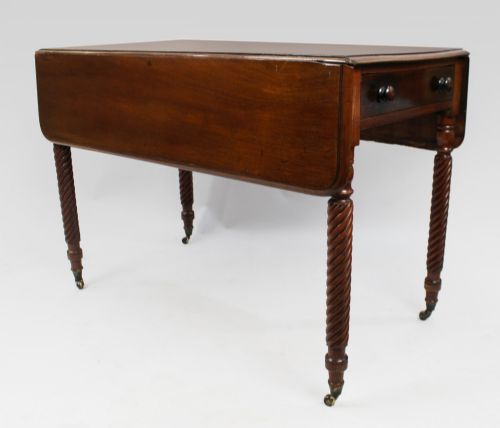
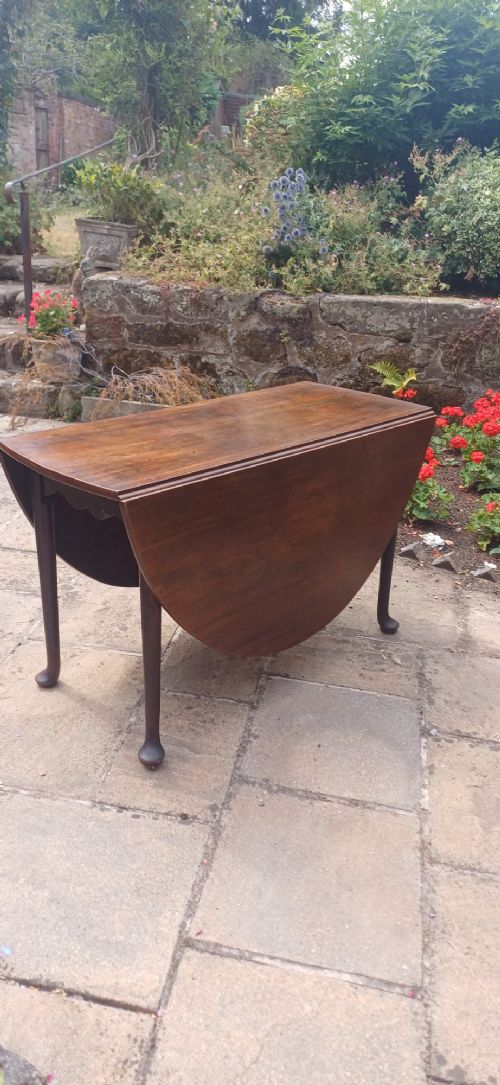
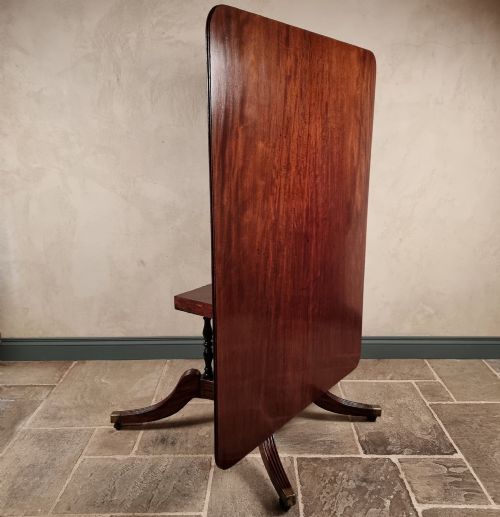
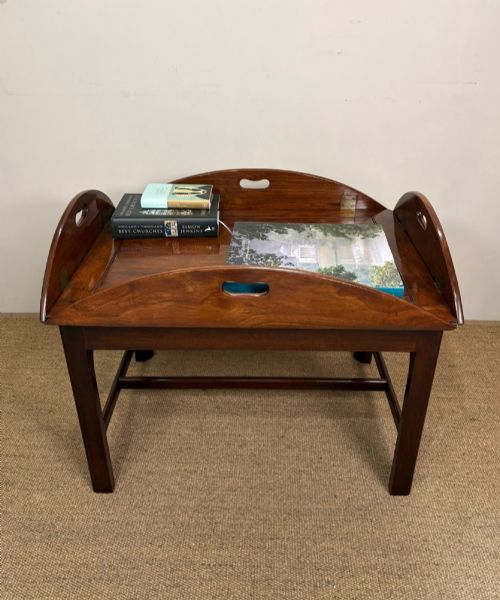
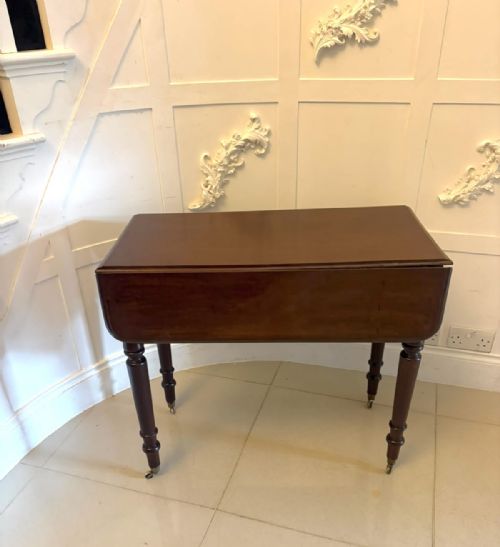
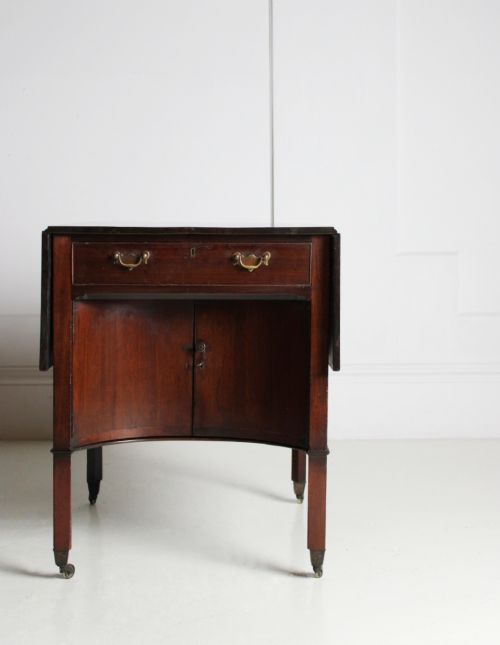
A dark mahogany drop table typically manifests as a Pembroke table, sofa table, or drop-leaf dining table originating across the 18th, 19th and early 20th centuries. These folding pieces arrive from Georgian, Regency, Victorian and Edwardian periods, functioning as dining surfaces, side tables, or work desks.
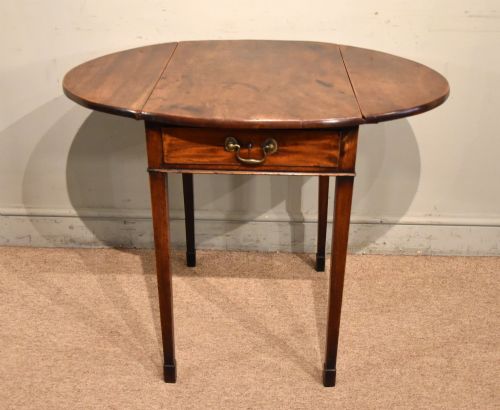
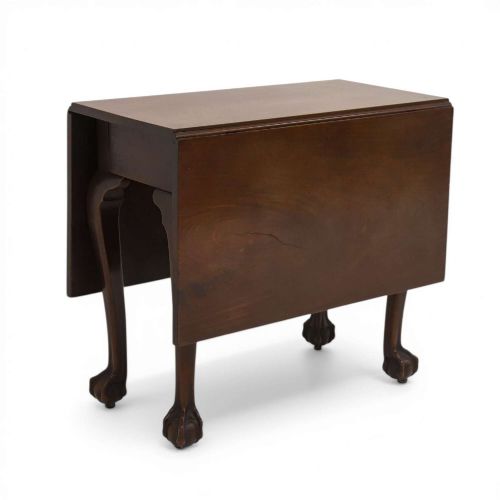
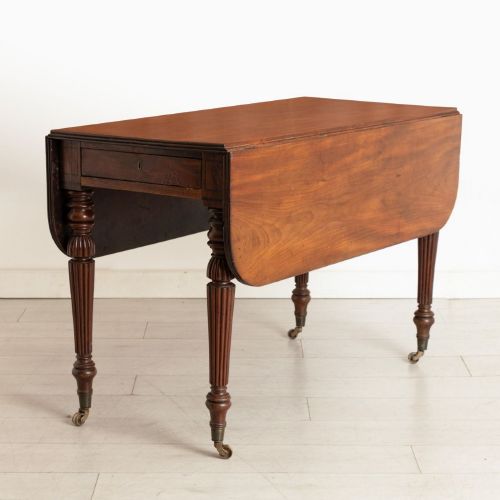
The version most commonly encountered on this page is the Pembroke table or drop-leaf dining table fashioned in solid or veneered mahogany. Such pieces utilise drop leaves supported by hinged brackets or swinging legs to expand their surface area when required.
Makers and designers across England, Scotland and France produced these folding tables in various scales, from large dining formats seating four to small occasional and work tables fitted with drawers.
Craftsmanship and distinction
Quality separates through the selection of timber figures, such as Cuban mahogany or rosewood crossbanding, alongside the precision of boxwood inlay and brass mounts. Superior examples display refined carving upon cabriole legs, hoof feet, or claw-and-ball feet rather than plain turnings.
Construction integrity distinguishes better pieces, visible in the smooth operation of drop-leaf hinges, sturdy swinging leg supports, and the careful joining of drawers intended for writing or silver storage.
Some work tables hide fitted compartments originally designed for holding sewing threads, silver, or secret writing keys.
James Mein Kelso·Jean-Joseph Chapuis·Andrew Thomson And Sons
The Dark Mahogany Drop Table Glossary
- Pembroke table
- A small rectangular table featuring two hinged drop leaves on opposing sides, frequently incorporating one or two drawers.
- Sofa table
- A rectangular occasional table traditionally designed to stand in front of a sofa, possessing drop leaves at either end and often twin pedestal supports.
- Crossbanding
- A decorative border technique where thin strips of veneer are laid across the grain of the primary timber, often utilising rosewood.
- Cabriole leg
- A furniture leg that curves outward at the knee and tapers inward toward the ankle, typical of Georgian design.
- Baize
- A coarse woolen material used to line the surfaces of gaming, writing, or work tables.
Dark Mahogany Drop Table: Frequently Asked Questions
How were these tables used historically?
Historically, these tables served multiple domestic functions including dining, writing, needlework, and serving tea. Pembroke and sofa tables stood in reception rooms or parlours where flexible surface space suited entertaining.
Drop-leaf dining tables accommodated varying numbers of guests by extending only the leaves needed for meals, then folding back down against walls between uses.
How do I care for mahogany drop leaves?
Care involves keeping timber surfaces away from direct sunlight and excessive heat sources to prevent the mahogany finish from fading or cracking. Regular dusting with a soft dry cloth maintains the polish without chemical buildup.
When operating the folding leaves, support the drop mechanism gently to avoid stressing the hinges and wooden brackets beneath.
How can I tell a Georgian table from a Victorian one?
Georgian tables, produced during the 18th and early 19th centuries, frequently exhibit finer proportions, hand-carved cabriole legs, or subtle boxwood inlay. They emphasise classical lines and structural lightness.
Victorian examples from the 19th century tend toward heavier proportions, darker finishes, and distinct turnings or applied mouldings reflecting industrial manufacturing advancements.