
Georgian Lead Glass
Georgian lead glass brings heavy clarity, deep lustre and tactile stems to the table in a way modern material cannot match.
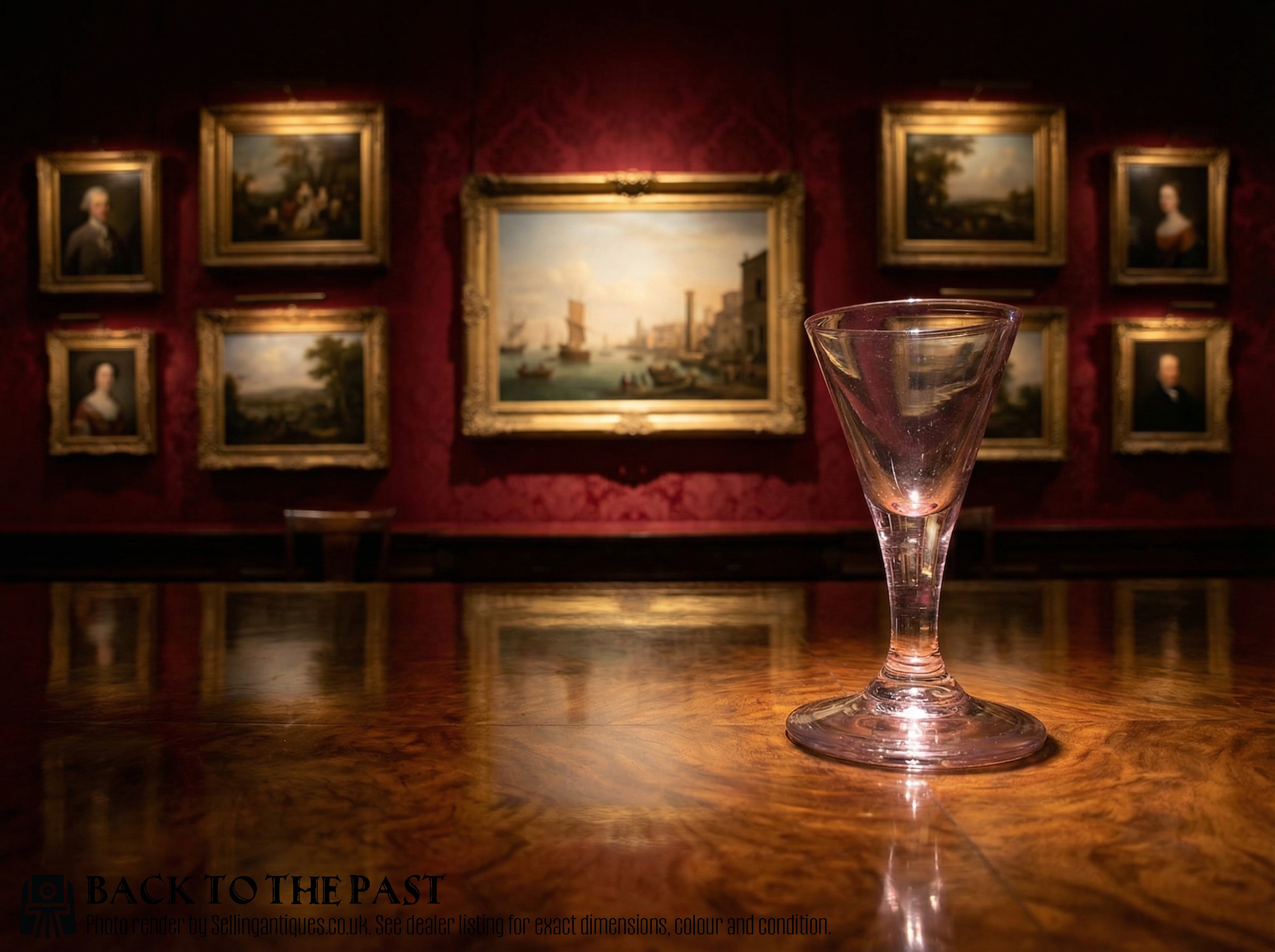
Georgian Lead Glass
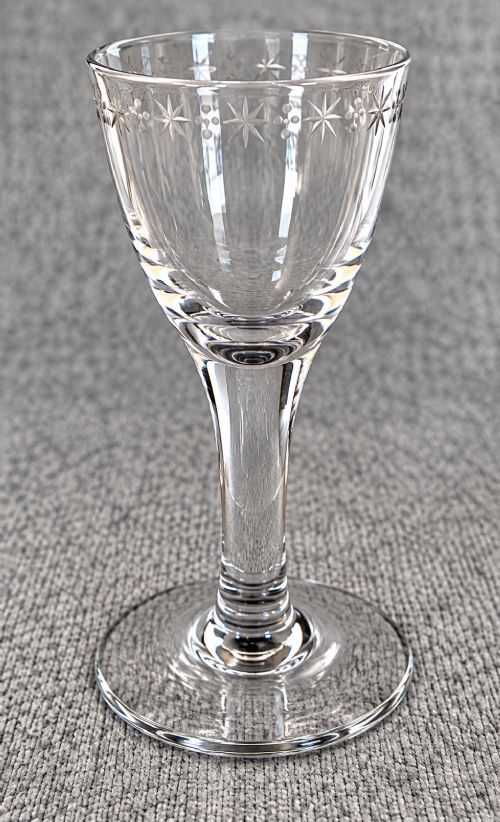
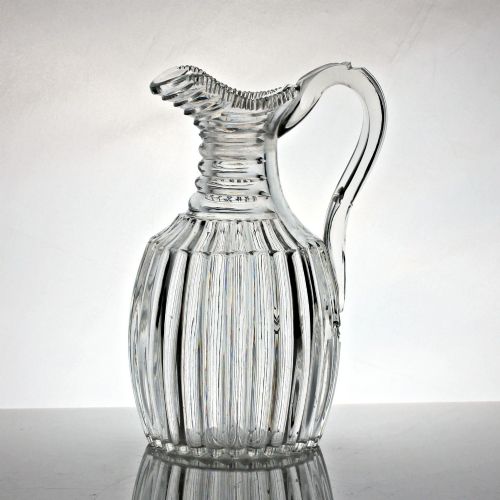
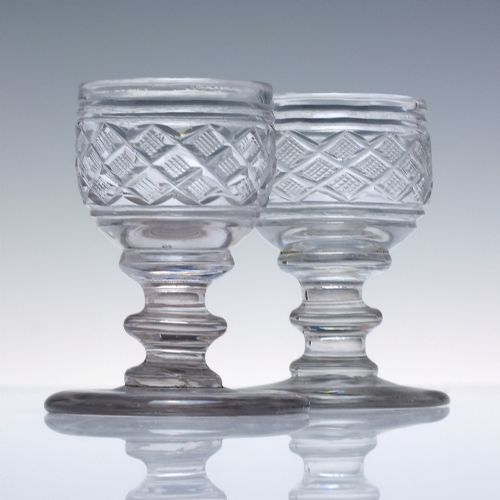
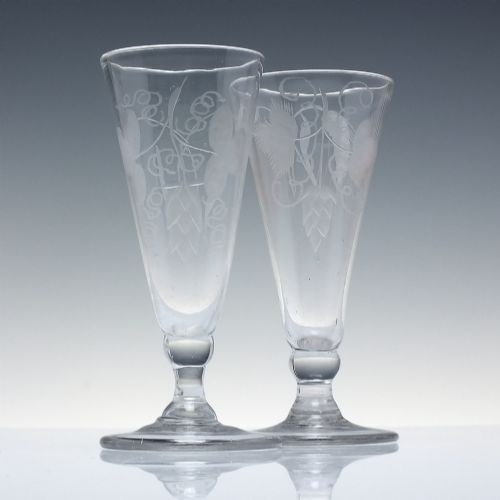
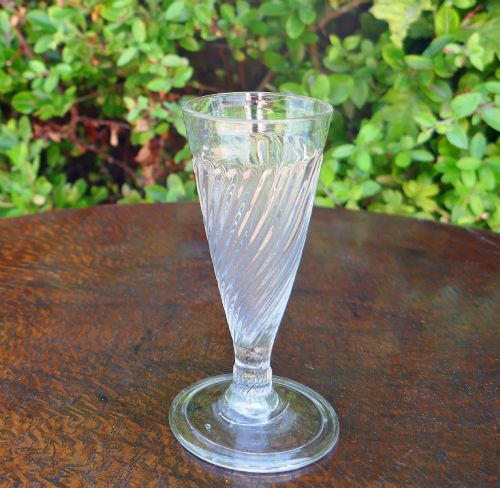
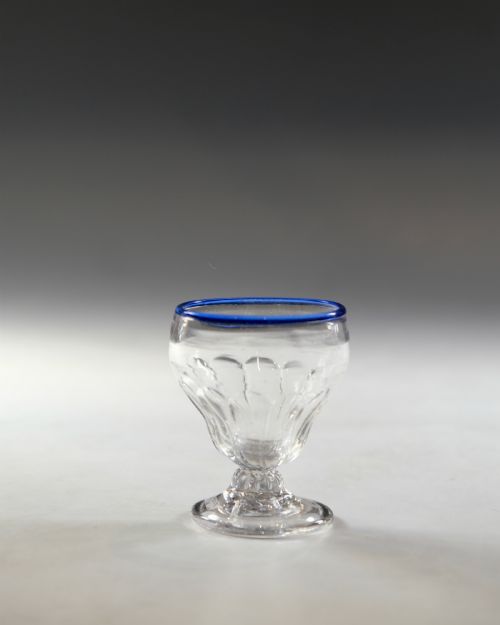
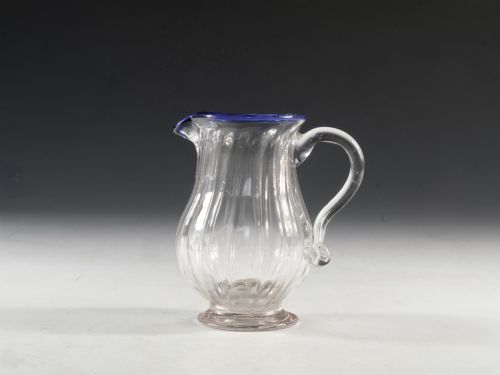
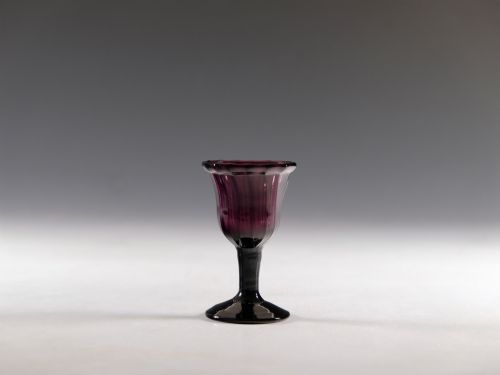
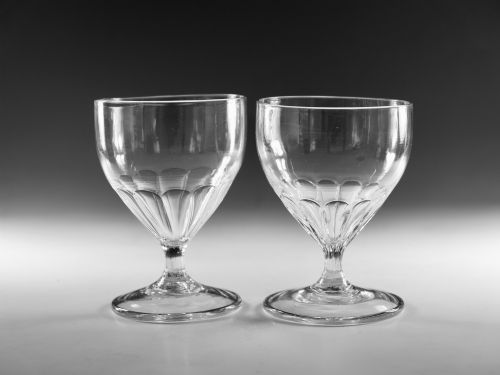
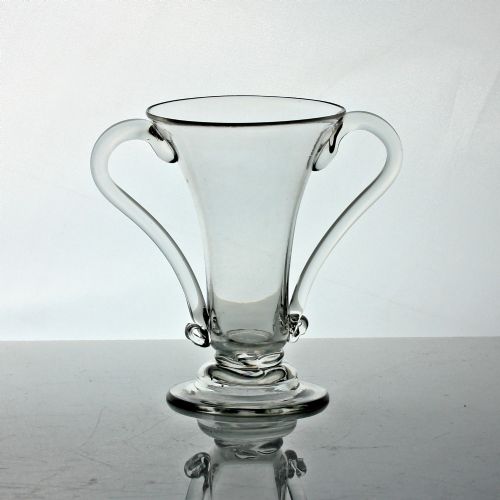
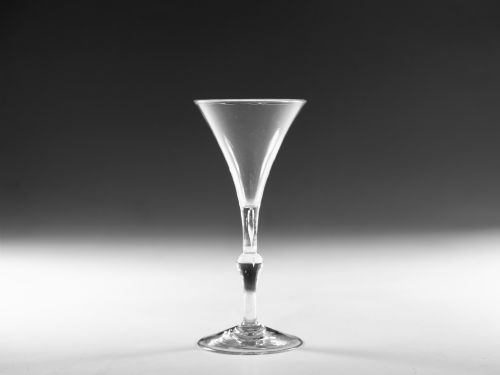
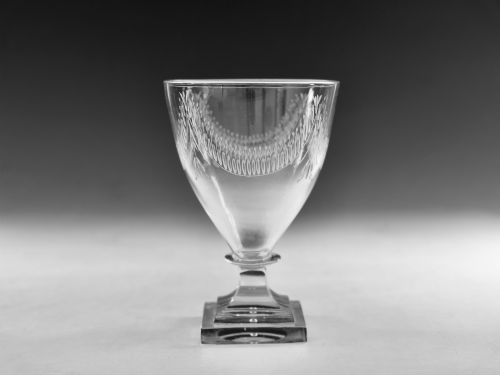
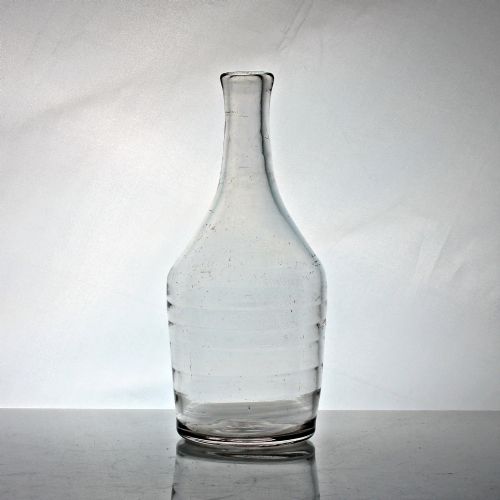
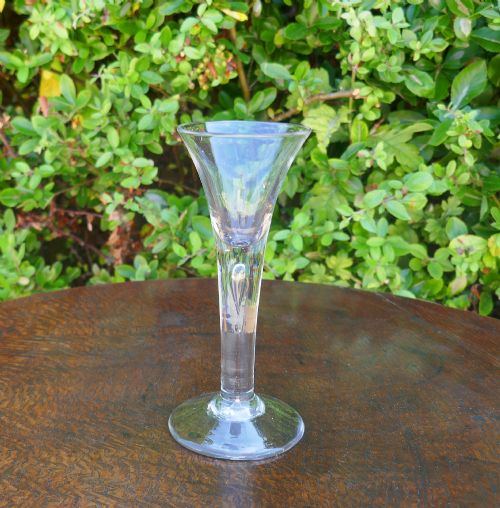
When you search for georgian lead glass, you are looking at drinking vessels, serveware and table items spanning the eighteenth and nineteenth centuries. The pieces on this page are predominantly wine glasses, rummers, decanters, jugs and tazzas shaped from heavy, lustrous material.
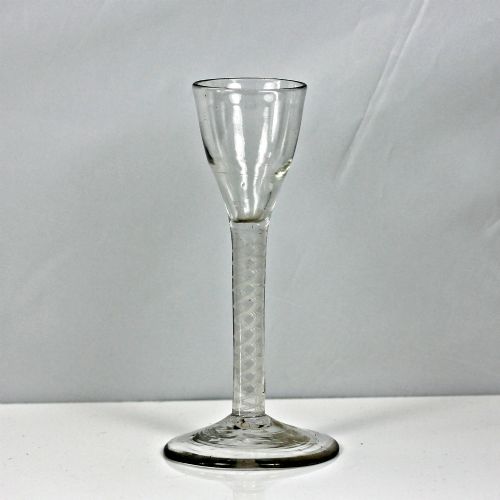
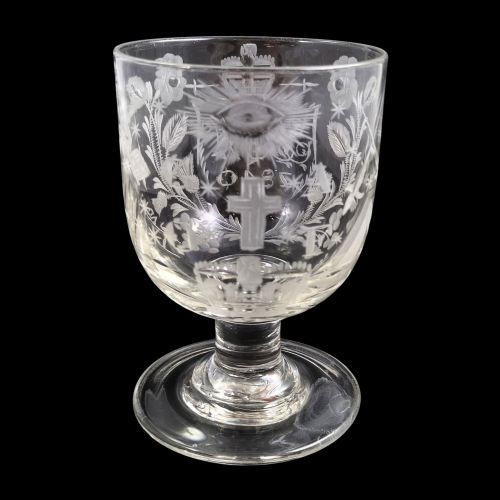
You will most frequently meet eighteenth-century wine glasses featuring air twist or opaque twist stems, alongside early nineteenth-century rummers, decanters and cut glass jugs. Forms range from simple firing glasses and egg cups to large serving goblets and tall water jugs.
The selection reflects both drinking customs and decorative table use of the period, taking in English manufacture from the mid-eighteenth century through the Regency era and into the nineteenth century.
How they were made
The material itself is lead glass, lead crystal or flint glass, noted for its heavy weight and refractive brilliance. Makers formed these objects by blowing molten metal into shape, sometimes incorporating folded feet or applied handles.
Decoration relied on skilled hand-work such as pillar and prism cutting, facet cutting, and diamond-point or wheel engraving depicting hops, barley or floral swags. Stems were frequently drawn or manipulated to create air bubbles, multi-spiral air twists and opaque white enamel twists.
Georgian Lead Glass Retail Price Guide 2026
Typical asking prices for georgian lead glass among the pieces listed under this phrase on Sellingantiques today, from the lower quarter to the upper quarter. They describe what is for sale here now, not the wider market.
What varies in quality
Quality rests in the distribution of metal, the crispness of the cutting and the purity of the handle attachment or stem formation. A superior wine glass or rummer displays balanced proportions, clear ring and a resonant tone when struck gently.
The fineness of the wheel engraving separates standard table vessels from exhibition pieces. Sharp, deeply cut facets and well-defined knops indicate superior craftsmanship compared to soft, blurred surface work.
The Georgian Lead Glass Glossary
- Flint glass
- An early British term for heavy, high-clarity lead glass developed in the seventeenth century. It possesses superior refractive properties compared to ordinary soda glass.
- Air twist
- A stem formation containing elongated internal air bubbles drawn into spirals. Makers created these by twisting a stem while the glass was hot.
- Opaque twist
- A stem featuring white or coloured enamel threads pulled into spiral patterns inside the clear glass. This technique gained popularity during the mid-eighteenth century.
- Rummer
- A large, sturdy drinking glass introduced in the late eighteenth century for ale, wine or punch. They typically sit on a short stem with a substantial foot.
- Tazza
- A shallow ornamental dish or bowl raised on a central foot or stem. These pieces were utilised for serving sweetmeats or fruit.
Georgian Lead Glass: Frequently Asked Questions
How do I clean georgian lead glass safely?
Wash pieces by hand in warm water using a mild detergent, supporting the base and bowl rather than twisting the stem. Avoid sudden temperature changes to protect the old metal from cracking.
Dry them immediately with a lint-free linen cloth to maintain the bright polish and prevent water spots.
Can I still drink from antique glass?
These drinking vessels and rummers were made for daily dining and celebration, so they remain fully functional for modern use. Take care with heavy toasts and abrasive dishwashers.
Using them connects you directly to the dining customs of the eighteenth and nineteenth centuries.
How do air twists differ from opaque twists?
Air twists contain trapped channels of air pulled into delicate helical threads within the stem. They catch the light with a subtle, silvery shimmer.
Opaque twists utilise white enamel rods manipulated in the same rotational manner to create solid, brilliant white strands running through the clear metal.
What is a folded foot?
A folded foot is formed when the outer edge of the glass base is turned under while hot, creating a smooth, rounded rim of double thickness. This technique added physical strength to vulnerable bases.
It appears frequently on eighteenth-century wine glasses and ale glasses to prevent chipping during tavern or home use.