
Georgian Lady Portrait Painting
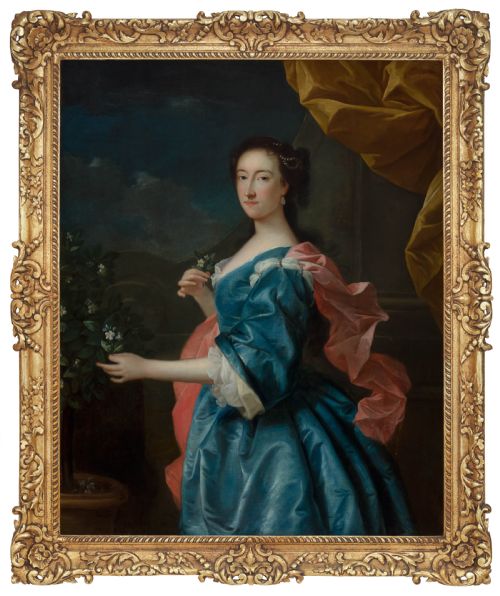
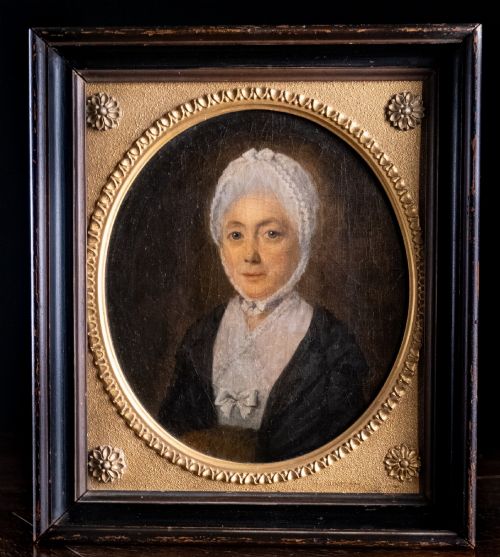
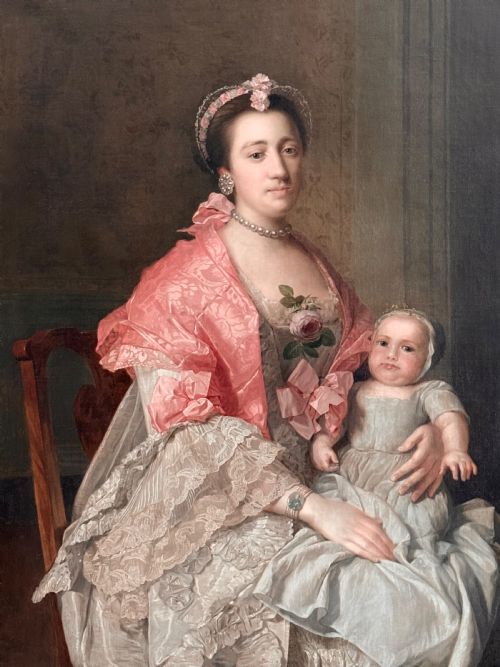
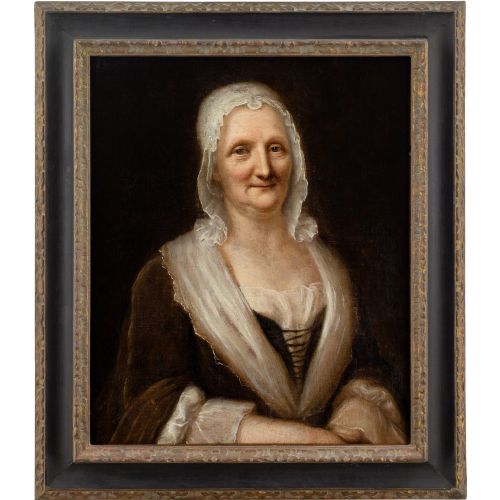
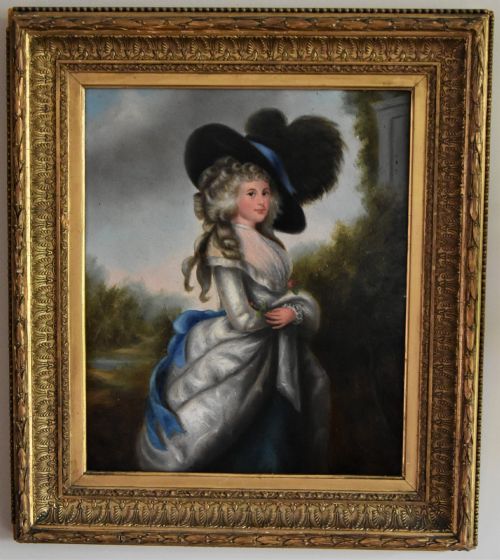
A georgian lady portrait painting captures the dignified presence and refined dress of women from the eighteenth and early nineteenth centuries.
Georgian Lady Portrait Painting
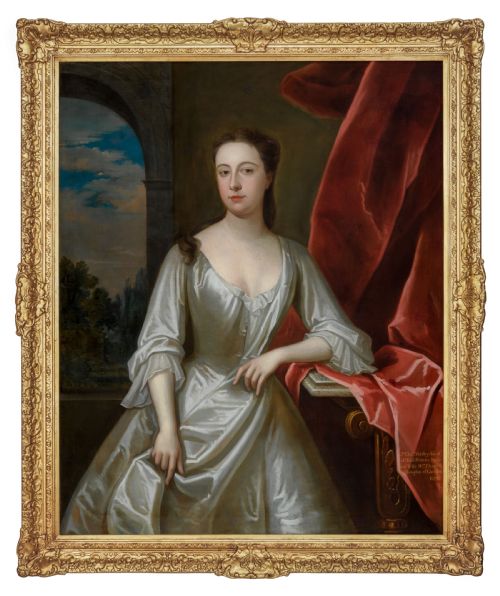
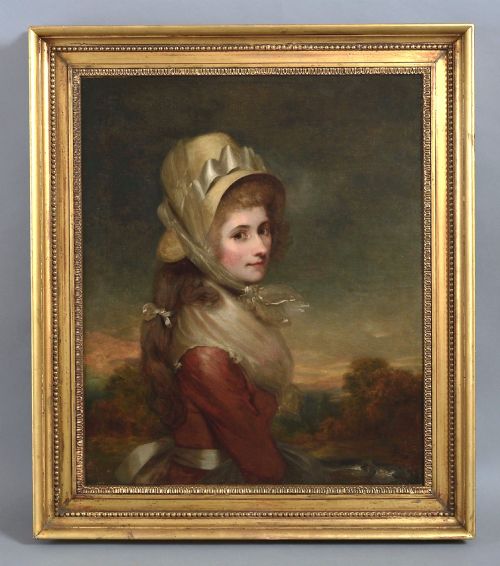
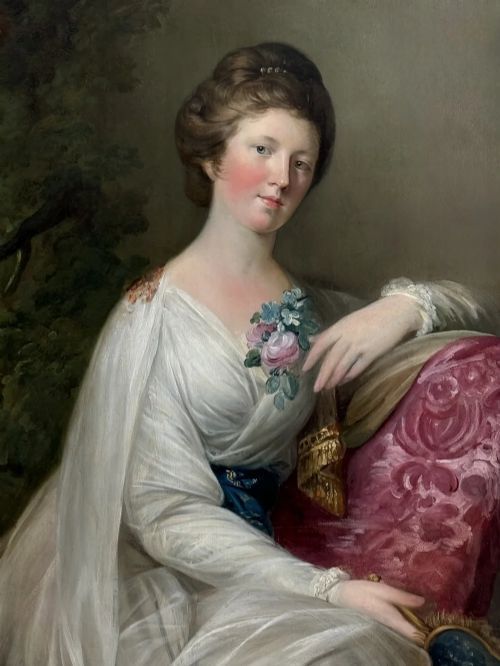
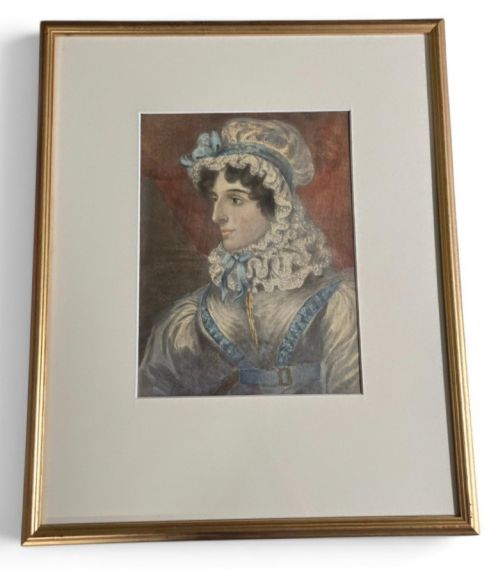
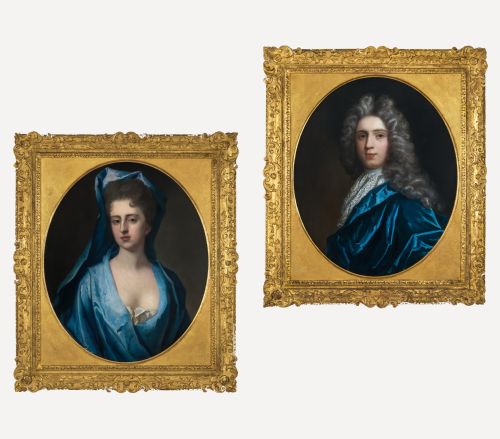
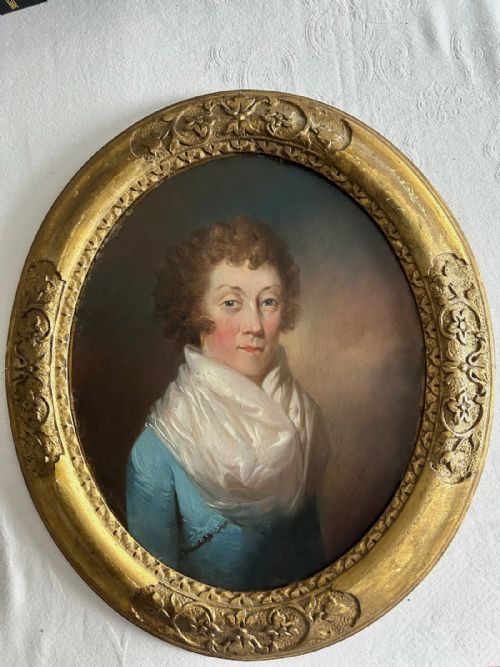
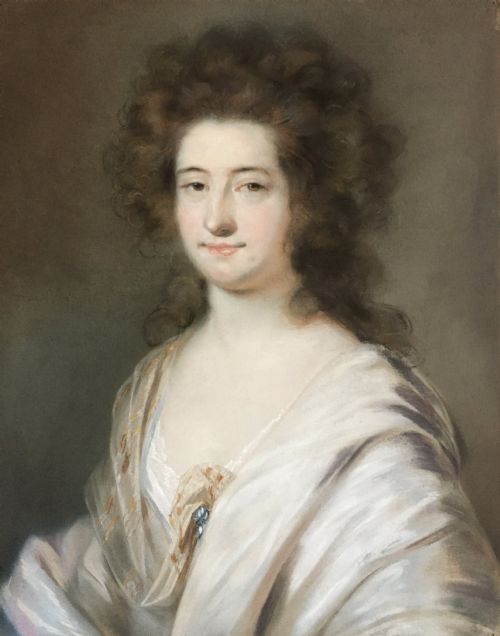
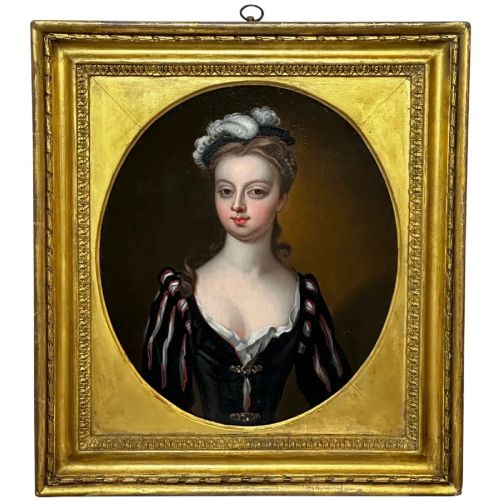
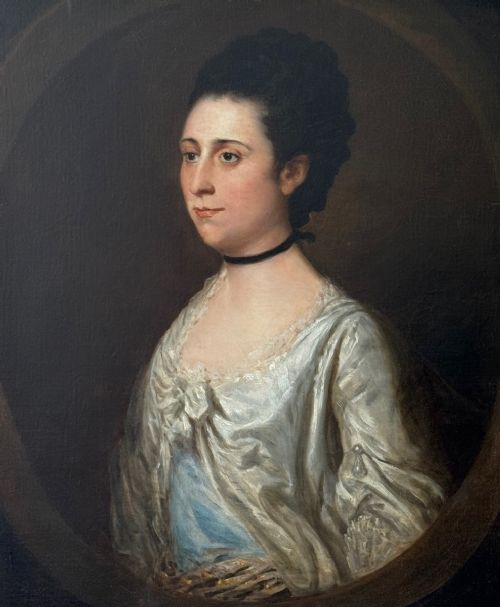
A georgian lady portrait painting depicts female subjects from the 17th, 18th, and 19th centuries, capturing changing fashions in dress, hair, and accessories over generations. Buyers searching this phrase encounter full-scale canvases alongside delicate watercolours, pastels, and miniature works housed in original frames.
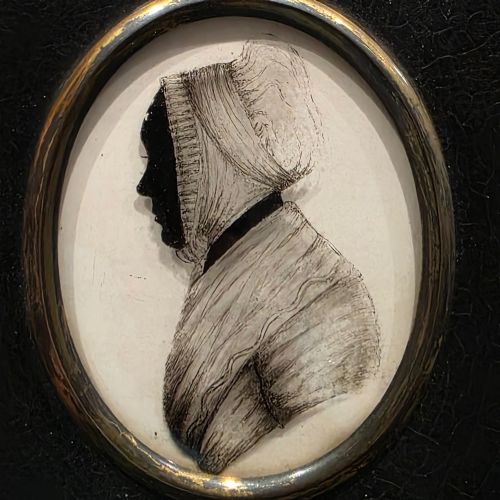
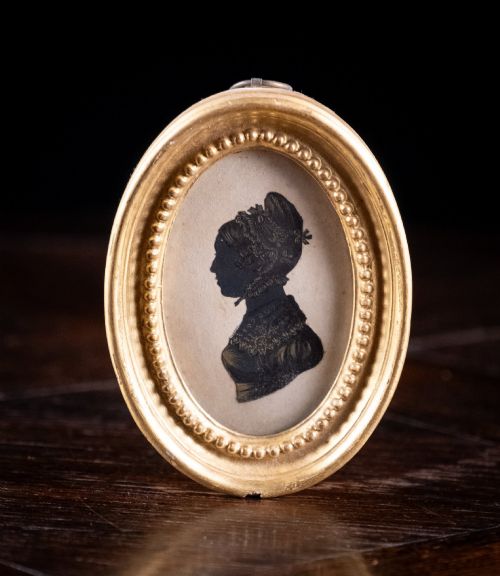
The selection ranges from grand oil paintings attributed to established portraitists to intimate silhouette miniatures and reverse glass mezzotints. Most pieces originate from British and European schools, reflecting the distinctive aesthetic values of the Georgian and Regency periods.
Materials and Technique
Artists relied primarily on oil paint applied to canvas or wood panels, building up layers of pigment to render fabrics like silk and lace with tactile depth. Watercolours, pastels, and gouache on paper also featured heavily, particularly for portable miniatures and preparatory sketches.
Framing played a vital role in presentation, with period pieces frequently mounted in giltwood, ebonised wood, or glazed wooden frames that protected the delicate media from environmental damage.
Listings feature oil on canvas, pastel, and watercolour mediums spanning the seventeenth to the nineteenth centuries.
Assessing the Works
Quality in a georgian lady portrait painting rests upon the anatomical precision of the hands and face, alongside the artist's ability to render the light on textiles and hair. Superior examples reveal confident brushwork and subtle tonal gradation that convey the sitter's individual personality rather than a generic likeness.
The survival of original supporting elements, such as ebonised frames, contemporary backing boards, and inscribed labels, adds historical integrity to the physical artwork.
Sir Godfrey Kneller·Sir Martin Archer Shee·George Willison·Jeremiah Davison·Michael Dahl·Thomas Murray·John Russell·John Vanderbank·Thomas Beach·Sir Allan Ramsay·Richard Cosway·Adriana Verelst·Henry Pickering·James Maubert·Joseph Highmore·William Naish·Nicolas Freese·William Shuter
The Georgian Lady Portrait Painting Glossary
- Gisaille
- A painting executed entirely in shades of grey or neutral monochrome, often used to create the illusion of sculpture.
- Mezzotint
- A printmaking process of the printmaker scraped the copper plate to achieve rich tonal variations and subtle dark-to-light transitions.
- Gouache
- An opaque water-based medium containing pigment and a binding agent, producing a flat, matte colour surface.
- Provenance
- The documented history of ownership of an artwork, tracing its path from the original sitter or commissioner to the current collection.
Georgian Lady Portrait Painting: Frequently Asked Questions
How do I date a portrait?
Dating relies heavily on the clothing styles, hairstyles, and accessories worn by the sitter, combined with the material support and framing techniques.
Written inscriptions on the reverse or contemporary documentation further help narrow the decade of creation.
Where should I hang these?
These works suit traditional reception rooms, studies, or hallways where lighting can be controlled to prevent fading.
Keeping them away from direct sunlight and damp walls preserves the canvas and paper substrates.
What is a miniature?
Portrait miniatures are small-scale paintings executed on ivory, vellum, or card, designed to be held in the hand or worn as jewellery.
They gained popularity during the Georgian era as tokens of affection or remembrance.
Are frames original?
Many pieces retain their period frames, such as giltwood or ebonised moulding, which match the stylistic era of the painting.
Examining the corner joints and backing materials helps determine if the frame has remained with the artwork since its creation.