


English Portraiture Oil Painting
When you search for english portraiture oil painting, you discover historical likenesses of nobility, gentry and children that bring centuries of character into a room.
English Portraiture Oil Painting
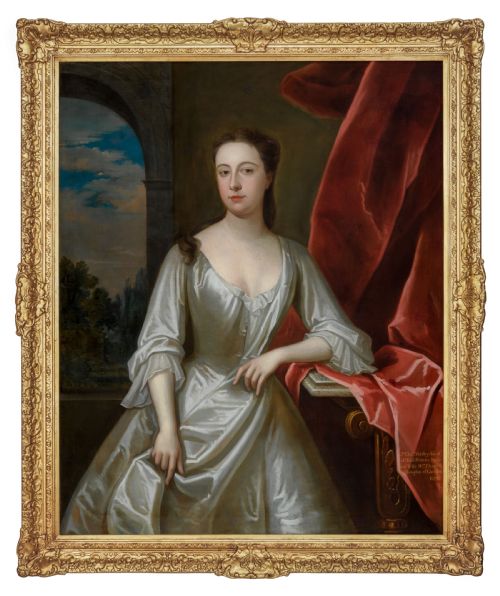
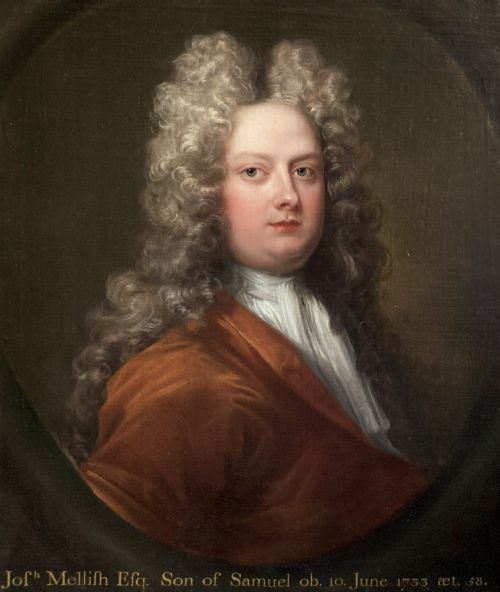
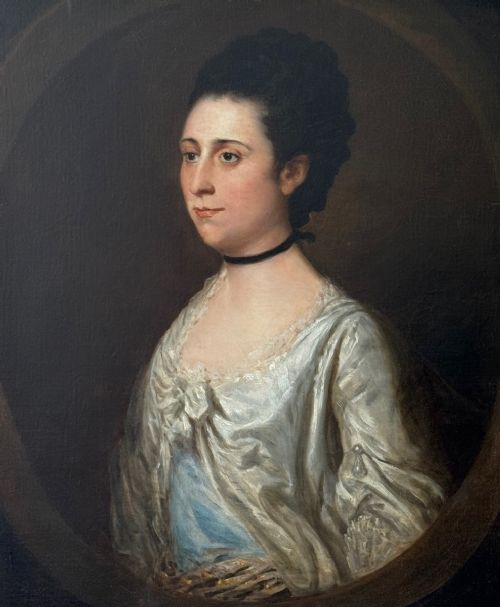
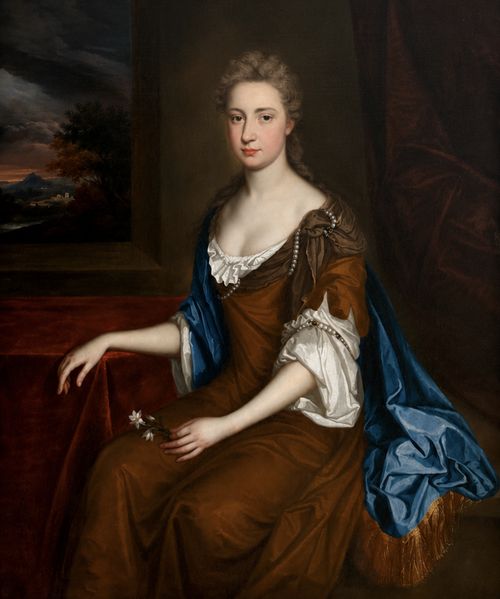
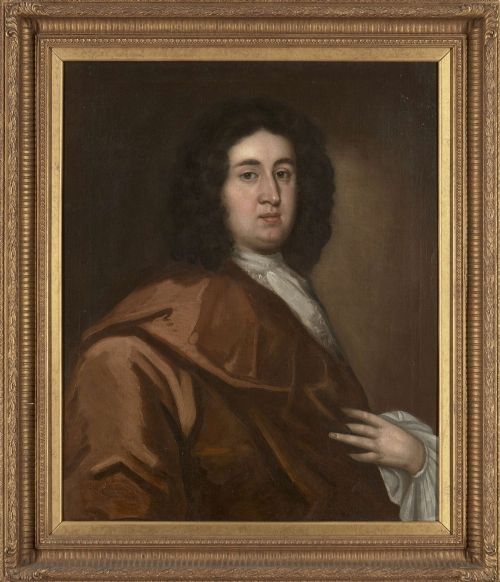
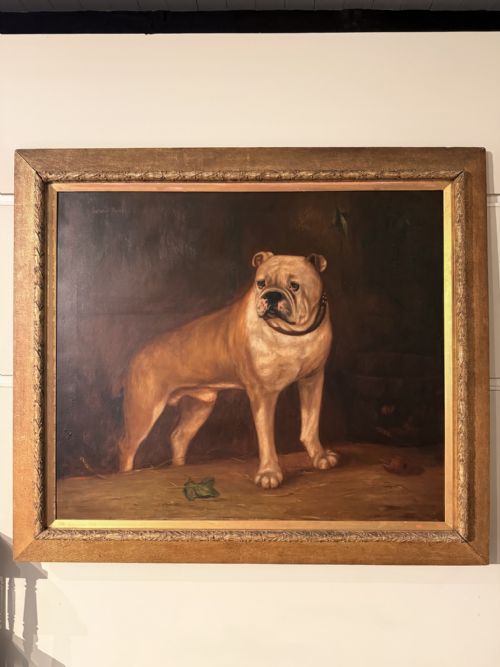
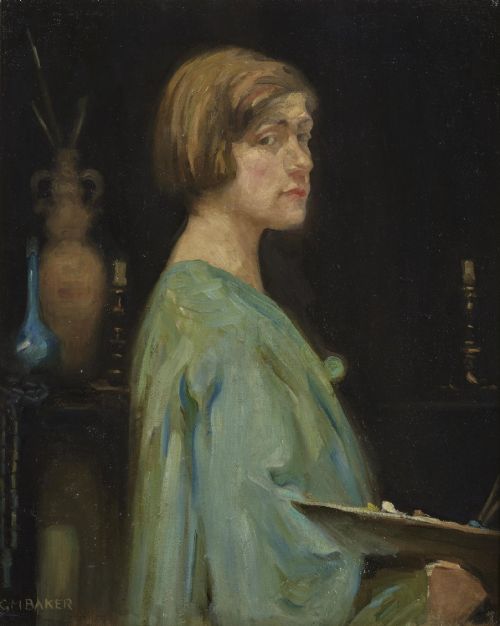
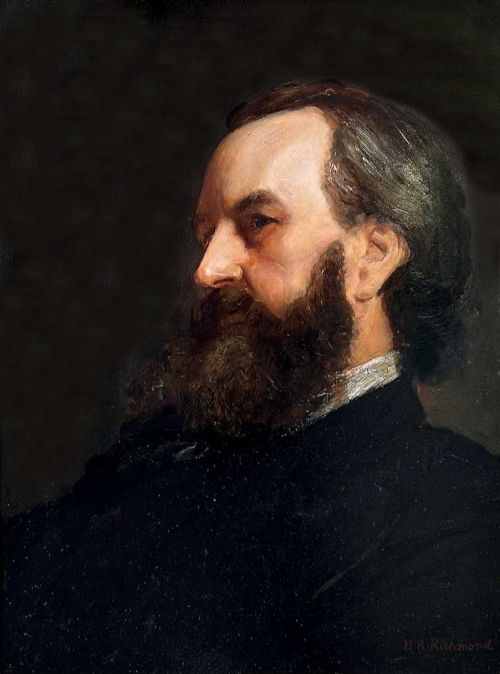
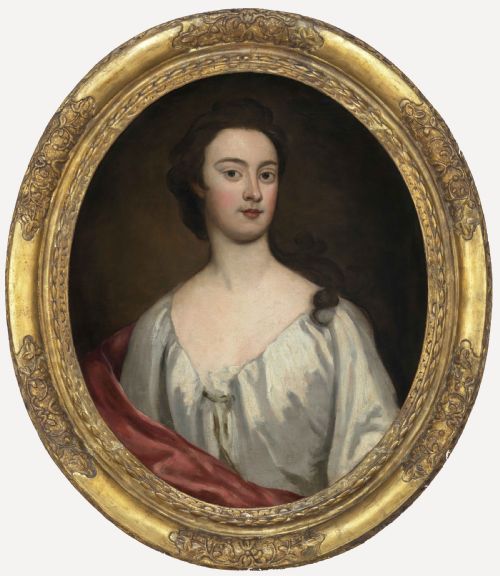
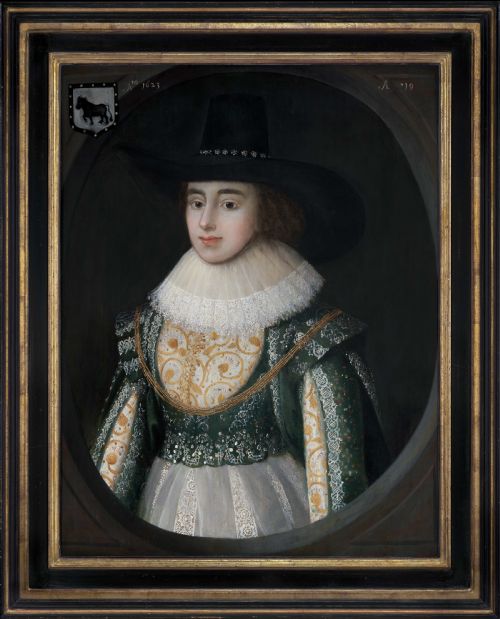
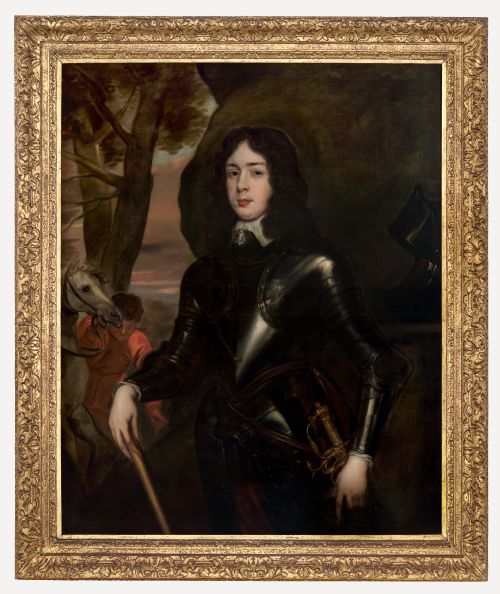
An english portraiture oil painting captures the likenesses of historical figures, children, and animals across centuries of British art. The selections span from the 17th century through the Victorian era and into the 20th century, displaying sitters in elaborate costume, crimson coats, or riding habits.
The category encompasses works by named artists of the British school as well as regional school pieces of unknown authorship. Formats range from intimate panel paintings and canvas sketches to large formal oils framed in giltwood.
How They Were Made
These works are executed in oil paint on canvas or wooden panel supports. Painters built up the composition through layered pigments, creating depth in fabrics, flesh tones, and background details.
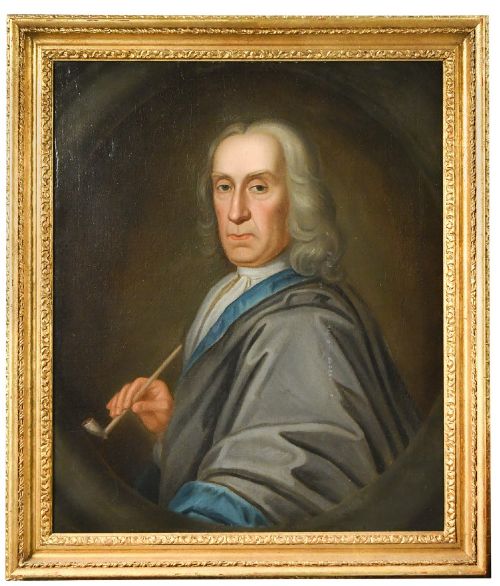
Many surviving pieces retain their original or period gilt wood and giltwood frames, which complement the tonal range of the pigments applied by the artist.
Listings feature works from the 17th century, 18th century, 19th century, Georgian, and Victorian periods.
What Varies in Quality
The standard of execution varies between accomplished works by leading portraitists and simpler pieces by provincial schools. Handling of facial expression, textile folds, and anatomical proportion distinguishes a master's hand from a more rigid studio output.
Condition also plays a role, with untouched surfaces retaining more original brushwork than heavily restored canvases. The presence of clear inscriptions, signatures, or well-documented provenance elevates the historical interest of the piece.
Sir Godfrey Kneller·Charles Jervas·John Hayls·Thomas Beach·John Closterman·John Michael Wright·Jeremiah Davison·Cornelius Johnson·Sir Anthony van Dyck·Thomas Walker Bretland·John Greenhill·Joseph Highmore·John Hamilton Mortimer·Edward Lloyd of Ellesmere·Frank Moss Bennett·John Emms·Tilly Kettle·Frank Owen Salisbury·Paul Storr·Sir Thomas Lawrence·Robert Byng·John Riley·Enoch Seeman·Henry Scott·Francis Alleyne
The English Portraiture Oil Painting Glossary
- Oil on canvas
- A painting medium where pigments are suspended in a drying oil and applied to a stretched woven fabric support. This combination allows for rich blending and deep glazes.
- Giltwood
- Wood carved and coated with a thin layer of gold leaf, commonly used for historical picture frames. It provides a luminous border that sets off dark oil pigments.
- British Baroque
- An artistic style spanning the late 17th and early 18th centuries characterised by theatrical staging, rich drapery, and grand poses. Sitters are often depicted with dynamic gestures and elaborate accessories.
- Jacobean
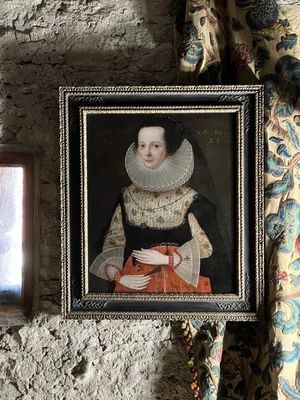
- Pertaining to the reign of James I in the early 17th century, marked by stiff, formal portraiture with flat perspectives and intensely detailed costume embroidery.
English Portraiture Oil Painting: Frequently Asked Questions
How do I identify a 17th-century portrait?
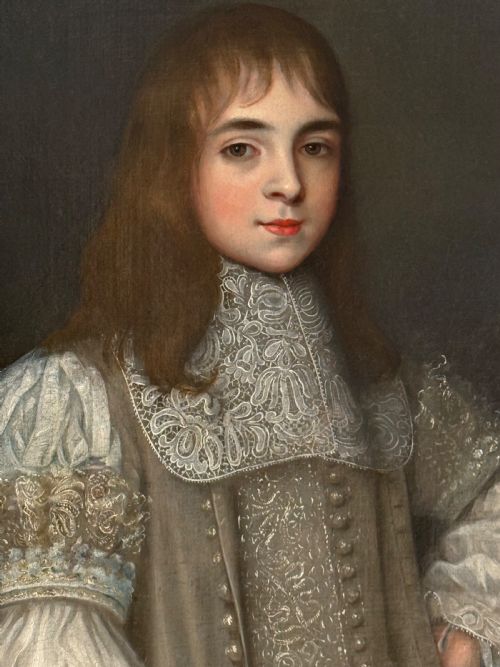
Seventeenth-century portraits typically feature stiff lace collars, rigid postures, and heavy embroidered costumes. Artists of this era often inscribed the sitter's age or the year directly onto the canvas.
Backgrounds are usually dark and sparse, focusing attention entirely on the facial expression and status symbols like books or drapery.
What subjects besides nobility appear in these paintings?
While aristocratic sitters and royal officers are common, the selection also includes children with pets, sporting figures with horses, and domestic animals like terrier dogs in walled gardens.
Self-portraits and depictions of ordinary children holding toys or flowers also appear across the Georgian and Victorian periods.
How should I hang an oil portrait at home?
Historic oil paintings benefit from steady indoor environments away from direct sunlight and strong heat sources. Hanging them on interior walls helps preserve the canvas and the giltwood frame.
Pairing a dark historical portrait with simpler modern walls creates a striking visual contrast that highlights the depth of the oil paint.
What is the difference between a named artist and an English school work?
A named artist piece is attributed or signed by a documented painter whose working dates and biography are known. These works often carry higher art-historical significance.
An English school attribution indicates the work was produced in England during a specific period by an unrecorded hand working within the prevailing style of the time.