


Dark Oil Wall Painting
A dark oil wall painting brings deep shadow and rich historic atmosphere to a room, drawing the eye with centuries of layered pigment.
Dark Oil Wall Painting
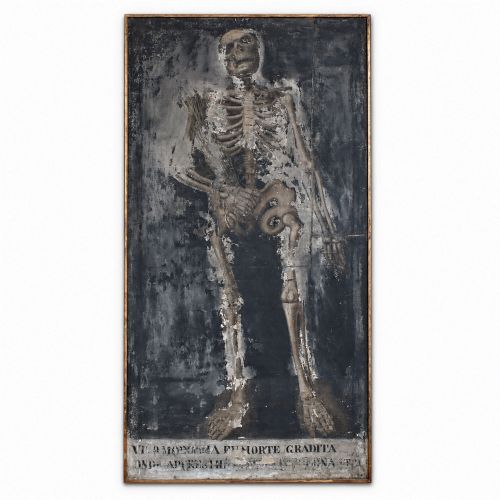
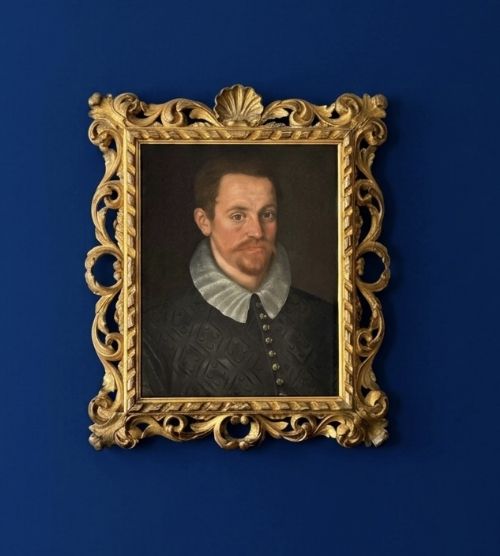
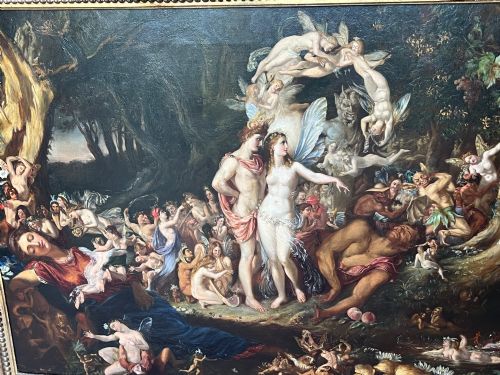
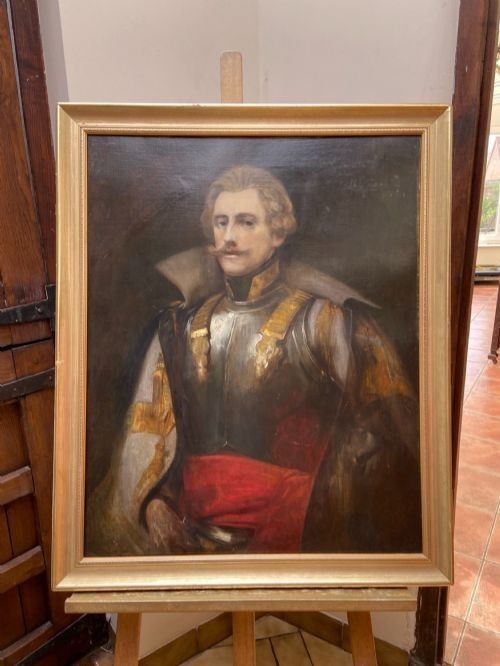
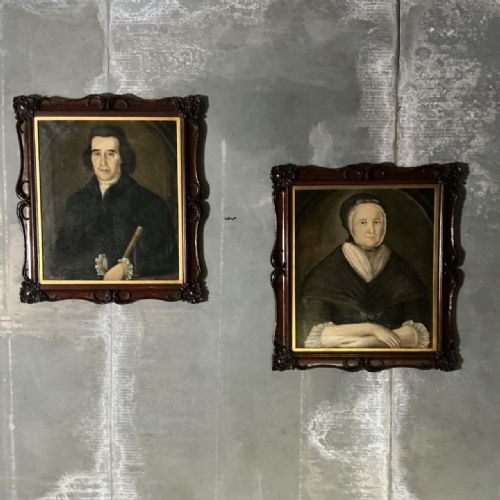
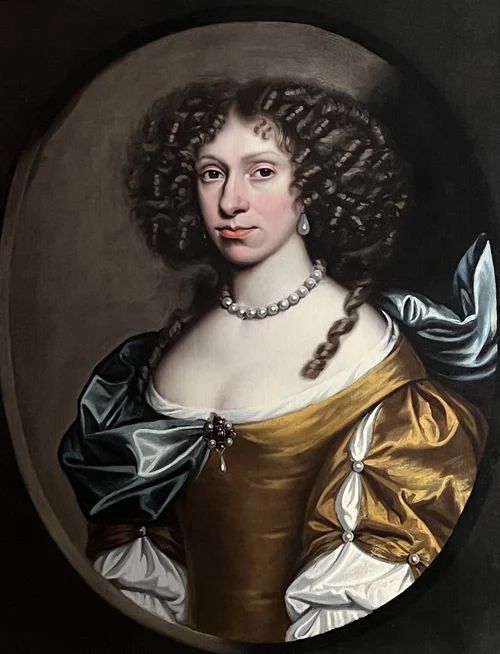
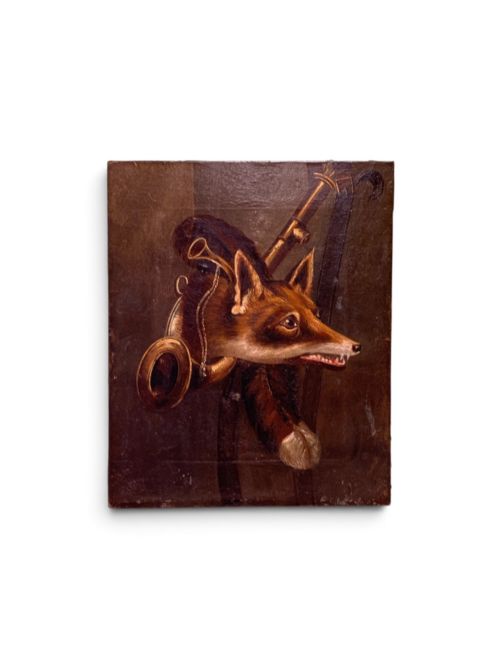
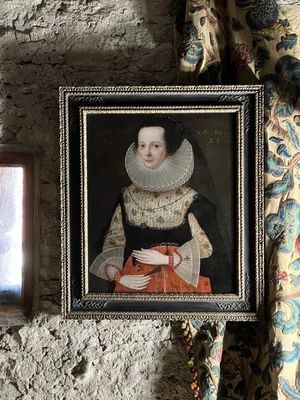
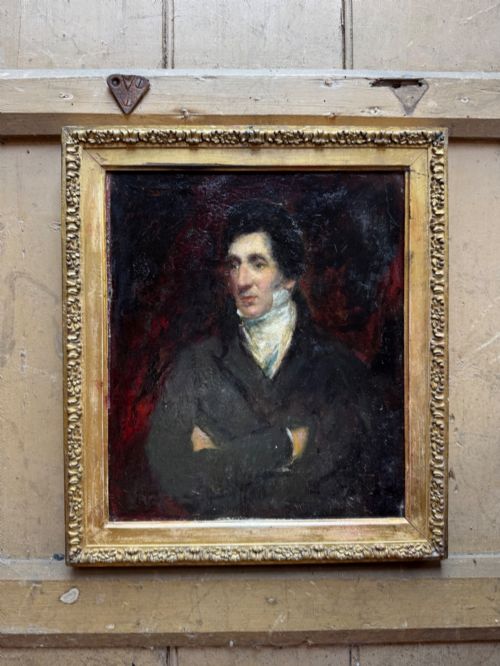
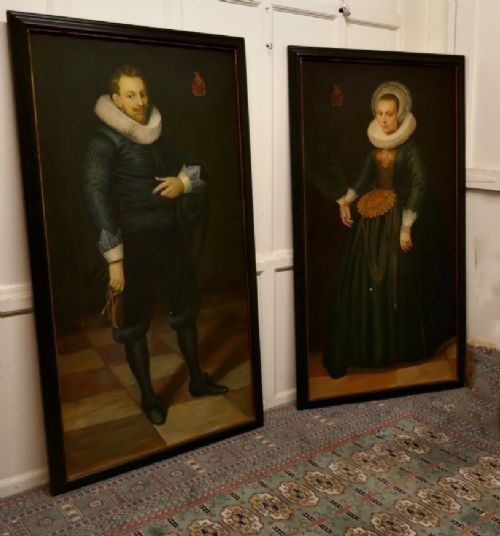
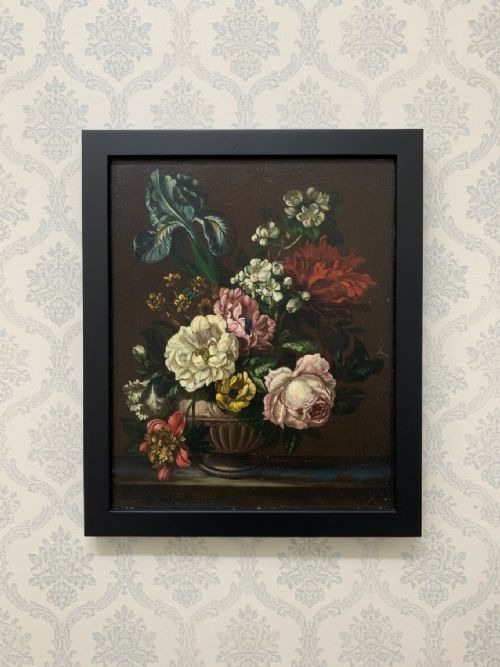
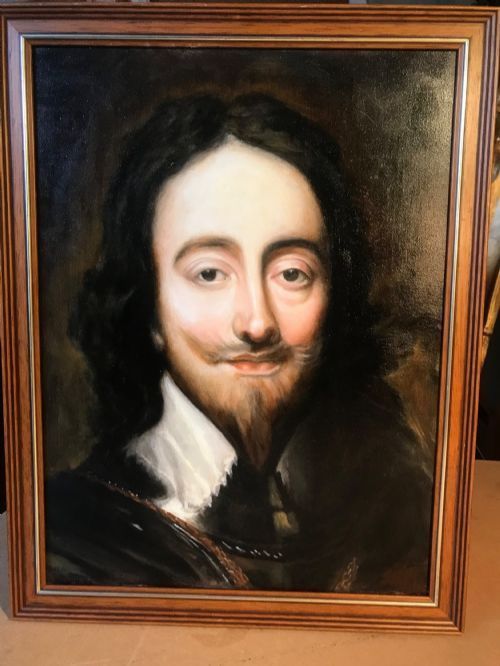
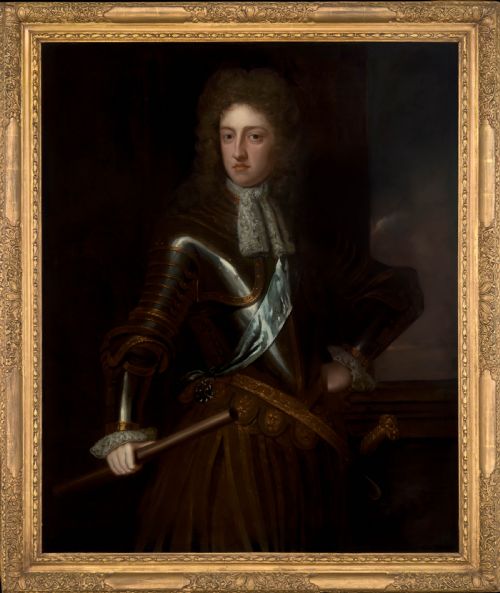
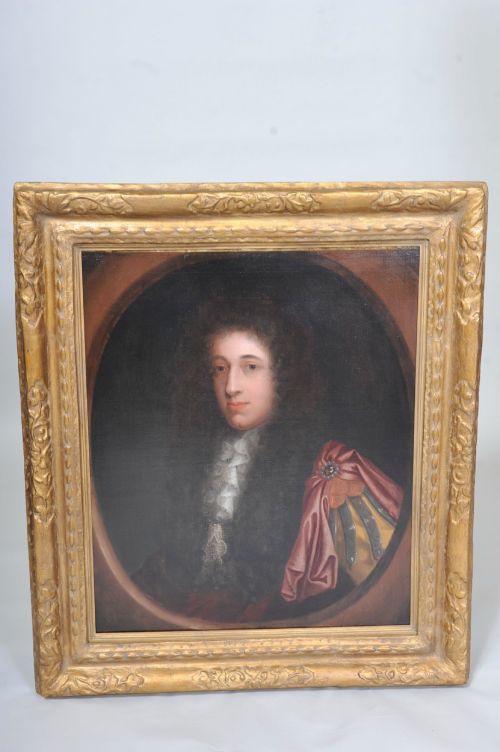
A dark oil wall painting captures historical portraiture, still life, and religious scenes rendered in deep, muted tones. These works originate from periods spanning the seventeenth century through to the nineteenth century, reflecting classical European schools and provincial traditions.
Buyers will encounter framed portraits of noblemen, military officers, and anonymous sitters alongside maritime scenes and still life compositions. The prevailing aesthetic relies on aged varnishes and dark, brooding palettes that define the character of a dark oil wall painting.
Materials and construction
Painters applied oil paint directly onto canvas, wood panels, or vinyl canvas grounds using traditional bristle brushes. These compositions often incorporate gold leaf or giltwood elements within the surrounding frames to accentuate the shadowed depths of the imagery.
The ageing of linseed oils and natural resins creates the characteristic darkened surface tones observed across these historic canvases. Artisans built up pigment layers gradually, utilising rich dark grounds to establish strong contrasts between light and shadow.
The listings span seventeenth-century baroque portraits to twentieth-century depictions, utilising oil paint on canvas, wood panels, and vinyl.
Judging the work
The preservation of the original canvas and the subtlety of the aged varnish layer dictate the visual impact of the composition. Strong provenance and legible composition indicate higher artistic execution within historical painting traditions.
David Scougall·John Hayls·Sir Godfrey Kneller·John Greenhill·Margaret Sarah Carpenter·James Howe
The Dark Oil Wall Painting Glossary
- Oil on Canvas
- Pigment mixed with drying oil applied to a woven fabric support stretched over a wooden frame.
- Giltwood
- Timber carved and coated with a thin layer of gold leaf or metallic powder to create a decorative frame.
- Old Master
- A European artist of high skill working before the nineteenth century, or a painting created by such a hand.
- Still Life
- An artwork depicting inanimate subject matter, typically commonplace objects such as fruit, game, or vessels.
- Provincial
- Describing art created in regional areas outside major metropolitan artistic centres, often displaying a naive or direct charm.
Dark Oil Wall Painting: Frequently Asked Questions
Where should I hang these works?
Position paintings away from direct sunlight and sudden temperature fluctuations caused by radiators or fireplaces. Stable indoor humidity prevents the canvas and wooden stretcher frames from warping or cracking.
Mount the piece securely using appropriate hardware suited to the weight of the frame and the wall construction. Avoid damp spaces such as unventilated bathrooms where moisture can degrade the organic materials.
How do I identify the period?
Examine the construction of the stretcher frame, the weave of the canvas, and the style of the clothing or sitter's hair. Old canvas often exhibits characteristic oxidation, craquelure, and stable shrinkage patterns unique to aged oil paint.
Compare the handling of pigment and framing styles against documented examples from specific centuries. Expert consultation can assist in dating ambiguous provincial works where signatures are absent.
What is craquelure?
Craquelure is the fine network of microscopic cracks that forms across the surface of aged oil paint as the medium hardens over centuries. This natural process occurs as the paint film loses elasticity and responds to environmental shifts.
The presence of stable craquelure often serves as an indicator of genuine age in historic paintings. It distinguishes authentic older works from modern reproductions that lack natural pigment degradation.