
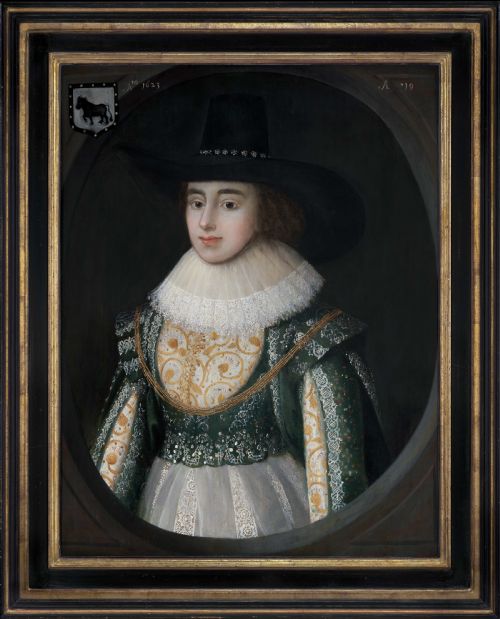
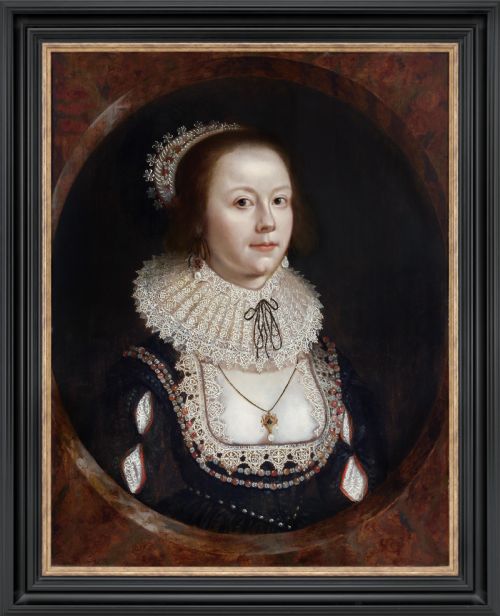


Feigned Oval Oil Portrait
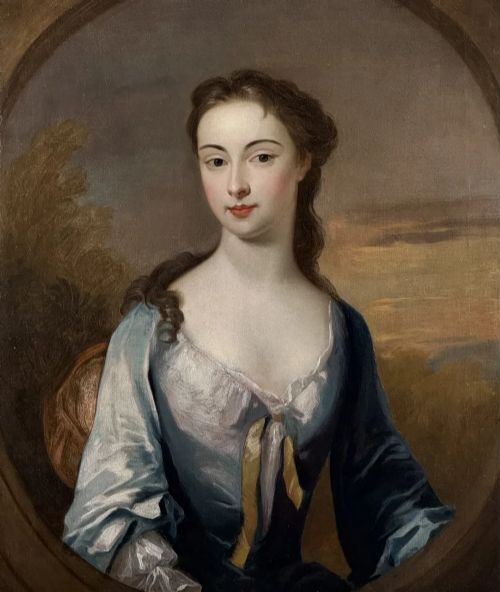
A feigned oval oil portrait uses a painted trompe-l'œil border to frame the sitter, creating the illusion of a three-dimensional stone or carved mount within a rectangular canvas.
Feigned Oval Oil Portrait
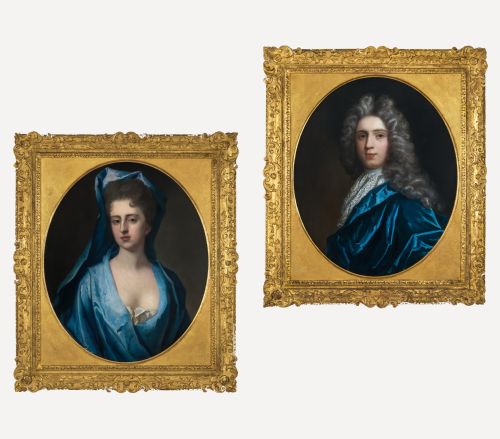
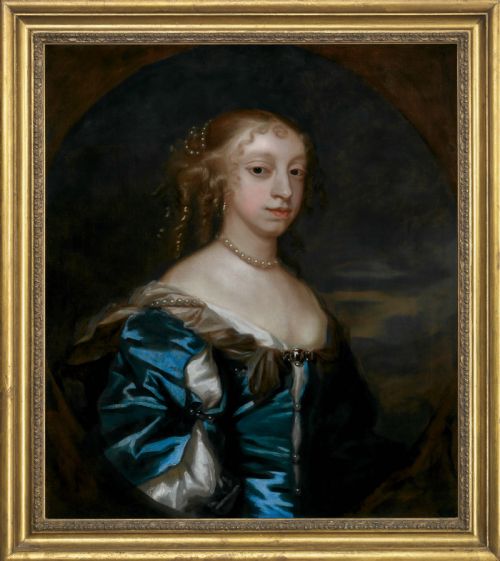
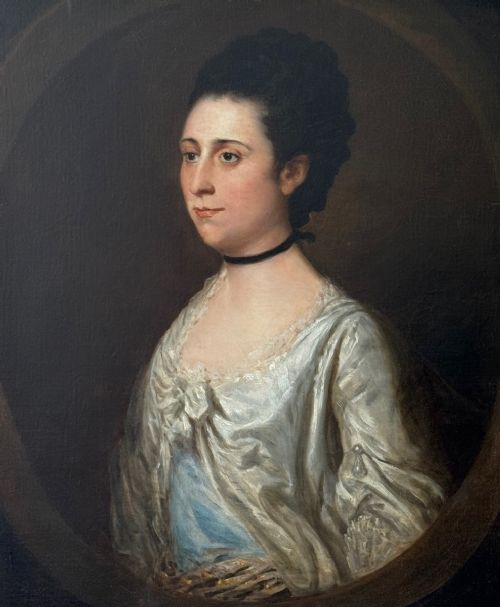
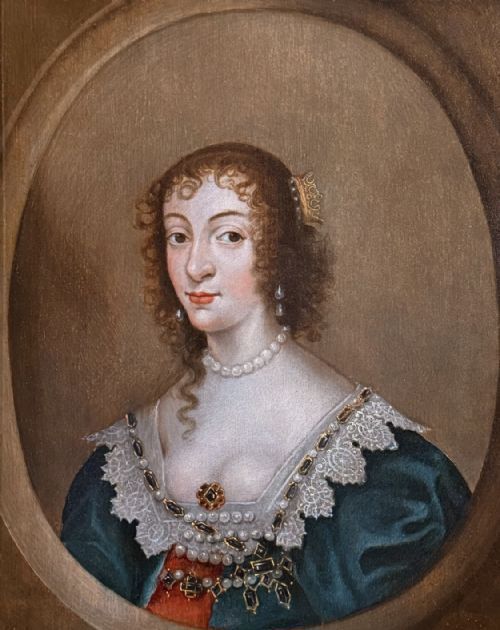
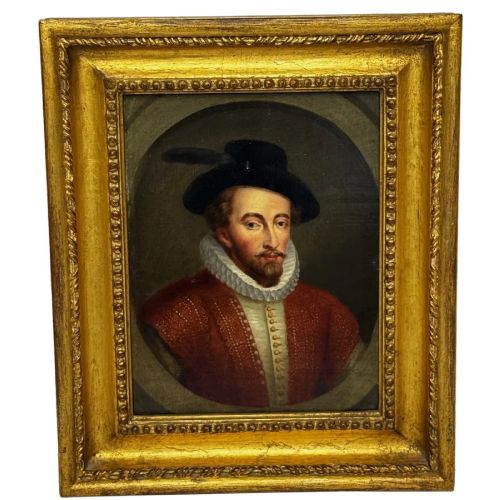
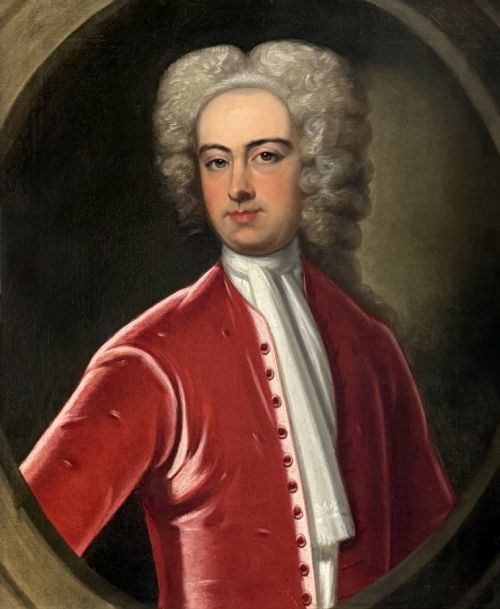
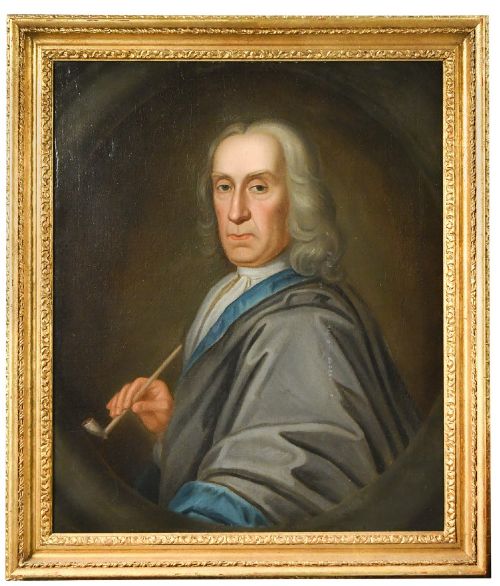
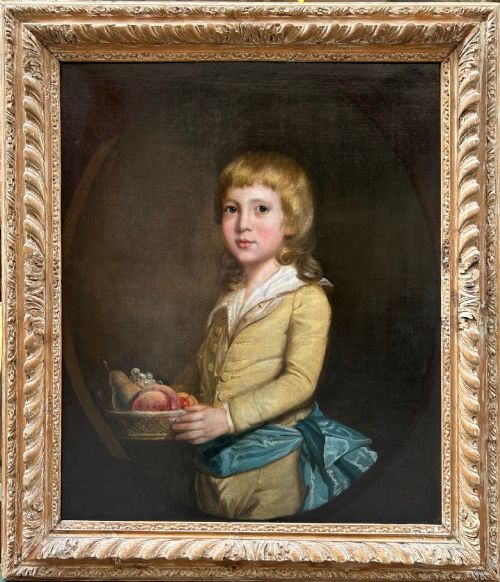
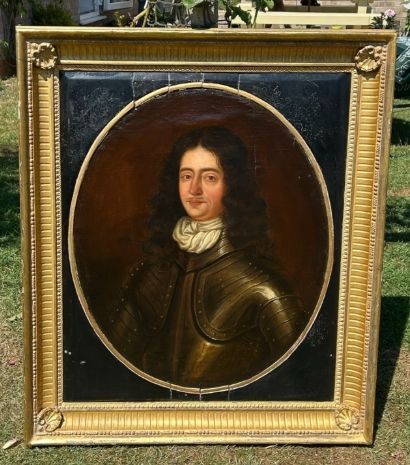
A feigned oval oil portrait presents a subject within a simulated stone, masonry, or timber aperture painted directly onto the canvas, drawing the viewer's eye into the centre of the composition. This clever painterly device mimics the look of a framed miniature or sculpted medallion while retaining the scale of a traditional interior hanging.
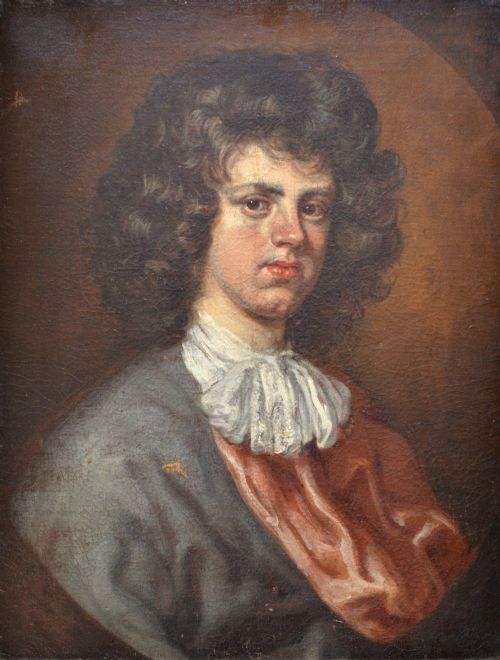
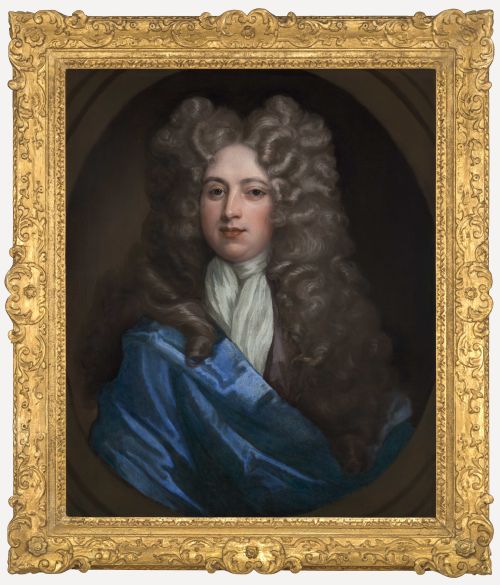
The versions most commonly met on this page date from the seventeenth and eighteenth centuries, executed during the Baroque and Georgian periods by British and European workshops. These works frequently depict sitters in formal attire, ranging from periwigs and lace collars to blue dresses and velvet cloaks.
The painted spandrels - the corners outside the trompe-l'œil oval - are often rendered in dark, neutral tones to push the central subject forward into striking relief. Collectors acquire these pieces for their rich historical character and the distinct architectural framing device that defines the genre.
Materials and Technique
Artists painted these works primarily with oil on canvas or oil on panel, utilising rich pigments bound in oil to build deep shadows and luminous skin tones. The ground layers typically consisted of a prepared gesso or priming over wood or woven fabric.
Giltwood and carved wood frames frequently accompany these portraits, often original to the period and finished with genuine gold leaf to complement the warmth of the oil paint. The illusion of the oval boundary was achieved through careful application of light and shadow, casting simulated light across the painted stone or wooden frame edge.
Feigned Oval Oil Portrait Retail Price Guide 2026
Typical asking prices for feigned oval oil portrait among the pieces listed under this phrase on Sellingantiques today, from the lower quarter to the upper quarter. They describe what is for sale here now, not the wider market.
Several eighteenth-century gentlemen appear proudly holding smoking pipes, proving that quiet evening habits transcend centuries.
Assessing Quality
The distinction between ordinary workshop output and superior portraiture lies in the articulation of the sitter's hands, facial expression, and textile rendering. Master hands manage lace, velvet, and hair with loose, confident brushwork that conveys tactile weight, whereas lesser examples remain stiff and flat.
The execution of the feigned aperture itself dictates the depth and optical success of the piece, separating accomplished masterworks from mechanical provincial copies. A superior painting integrates the shadow cast by the subject onto the simulated stone rim, enhancing the three-dimensional illusion.
CHARLES JERVAS·Michael Dahl·Thomas Murray·Mary Beale·Cornelius Johnson·George Knapton·Thomas Hudson
The Feigned Oval Oil Portrait Glossary
- Feigned oval
- A trompe-l'œil technique where an oval border is painted onto a rectangular canvas to imitate a stone or carved frame. This device directs the gaze entirely toward the sitter.
- Spandrel
- The triangular space between the curved edge of a feigned oval and the rectangular corners of the canvas. These areas are typically painted in dark, flat tones.
- Periwig
- A voluminous horsehair or human hair wig fashionable among men during the late seventeenth and early eighteenth centuries. Its presence helps date portraits to the Baroque era.
- Trompe-l'œil
- An art technique that uses realistic imagery to create the optical illusion that the depicted objects exist in three dimensions. In these paintings, it tricks the eye into seeing a physical stone mount.
Feigned Oval Oil Portrait: Frequently Asked Questions
What is a feigned oval oil portrait?
A feigned oval oil portrait is a painting on canvas or panel featuring a simulated stone or timber oval border painted around the subject. This technique creates a distinct architectural frame within the rectangular edges of the artwork.
The style was widely adopted by British and European portraitists during the seventeenth and eighteenth centuries to give subjects the gravitas of a sculpted medallion or inset miniature.
How do you date these portraits?
Dating relies heavily on the sitter's costume, periwigs, lace collars, and the specific pigment usage recorded across the Baroque and Georgian eras. Costume historians use shifts in sleeve cuts and neckwear to narrow the execution window.
Inscriptions on the reverse of the canvas or historical provenance records also provide secure markers for dating specific works to particular decades.
How were these portraits displayed?
These works were traditionally hung in panelled parlours, stairwells, and grand reception rooms of country houses and town residences. Their trompe-l'œil framing allowed them to simulate inset wood or stone carvings on a wall.
Today, they suit period interiors and modern spaces alike, hanging best at eye level where the painted light source aligns with the room's natural illumination.
Who painted these works?
These pieces were produced by prominent court painters, regional British portraitists, and members of continental European schools. Many works emerge from the circles of well-documented portrait specialists of the seventeenth and eighteenth centuries.
Attributions are often determined by comparing brushwork, handling of lace and drapery, and archival records of sitters from the period.