



Baroque Portrait of Woman
A baroque portrait of woman brings seventeenth- and eighteenth-century presence to a room through oil paint on canvas and board.
Baroque Portrait of Woman
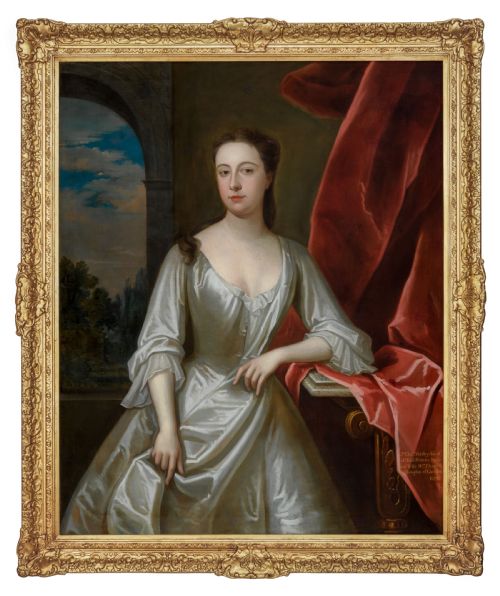
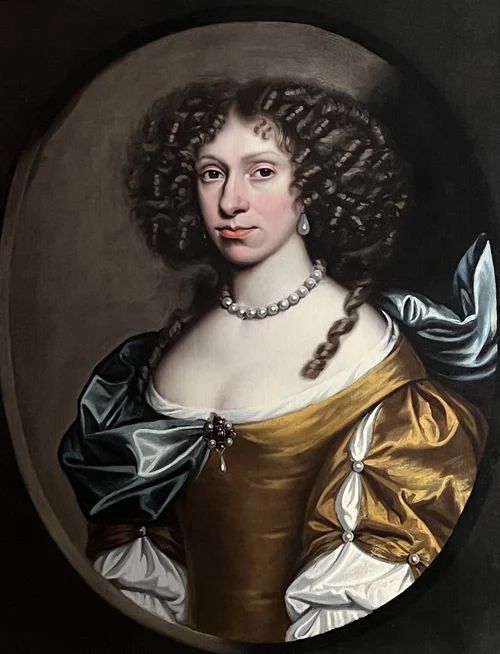
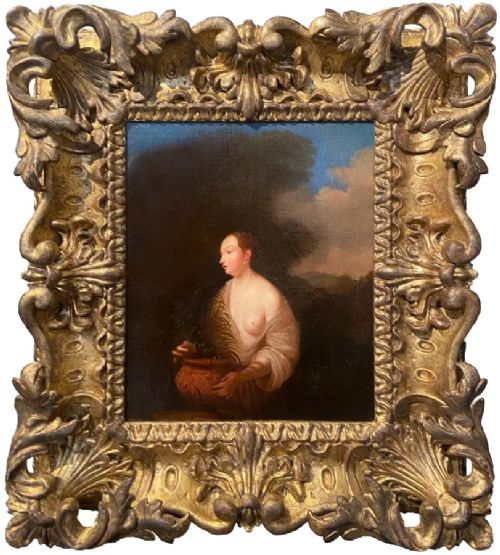
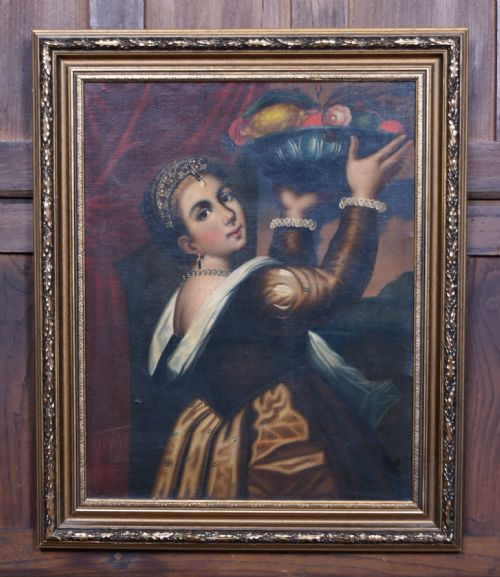
A baroque portrait of woman captures subjects in oil on canvas or board, spanning the seventeenth, eighteenth, and nineteenth centuries. These works include British, Italian, and Dutch golden age examples, alongside later interpretations in the baroque style and Georgian or rococo contexts.
The subjects range from named sitters like Lady Elizabeth Shirley and Ellen Napier to depictions of St Catherine and anonymous sitters by European schools. Artists working in the circles of established painters produced these characterful representations of women in fine dress and formal settings.
Buyers encountering this group will find works framed in giltwood or gilded wood that complement the theatricality of the painted subjects. The selection bridges early seventeenth-century Caroline works and later nineteenth-century echoes of earlier portrait traditions.
Materials and technique
Frames made from giltwood or gilded wood were constructed to house these canvases, using carved ornamentation suited to the baroque aesthetic. The combination of oil on canvas within a heavy gilded frame defined the presentation of these historic portraits.
Listings span the seventeenth, eighteenth, and nineteenth centuries, employing oil on canvas, oil on board, giltwood, and gilded wood.
Distinctions in quality
The handling of facial expression and drapery separates more accomplished hands from routine studio output. Stronger pieces reveal confident brushwork in the rendering of textiles, hands, and light upon the sitter's face.
Condition plays a role, as the survival of the original canvas, stable oil paint layers, and untouched giltwood frames alter the visual impact of the work. Attribution to specific painters or close circles also distinguishes certain canvases within the group.
Sir Godfrey Kneller·David Scougall·Toussaint Gelton·Thomas Murray·Balthasar Denner·Pieter Nason·Cornelius Johnson·John Michael Wright·William Wissing
The Baroque Portrait of Woman Glossary
- Baroque
- A stylistic period originating in Italy during the seventeenth century, characterised by drama, rich colour, and theatrical lighting. In portraiture, this appears in dynamic poses and deep shadows.
- Oil on Canvas
- A painting medium where pigments suspended in oil are applied to a woven fabric support. This combination became standard for large-scale European portraiture.
- Giltwood
- Timber that has been coated with a thin layer of gold leaf or powder. It provides the ornate, reflective framing typical of seventeenth- and eighteenth-century pictures.
- Circle of
- A term used when a painting originates from an unknown artist working closely under the influence of a master. The style reflects the immediate workshop environment without being by the master's own hand.
- Oil on Board
- A painting technique using oil colours applied to a rigid wooden or composition panel rather than flexible cloth. This support offers a stable surface often found in smaller-scale works.
Baroque Portrait of Woman: Frequently Asked Questions
How do I date a baroque portrait of woman?
Dating relies on costume details, hair styling, and the written evidence found in inscriptions or attribution records. The style of the canvas preparation and the framing methods also offer clues to the period.
Paintings from the seventeenth century often feature stiff lace collars and dark backgrounds, while eighteenth-century examples introduce softer fabrics like silk and more relaxed postures.
Where were these portraits hung originally?
Historic portraits of this scale hung in the panelled reception rooms and galleries of country houses and town residences. They served to record family lineages and display social standing.
Today, these works suit similarly formal domestic interiors, where traditional lighting allows the oil paint and giltwood frames to read clearly.
What is the difference between an artist and their circle?
An attribution directly to an artist indicates that scholars attribute the brushwork to that named individual. Works from the circle of an artist were produced by contemporaries working in the same studio or manner.
Both categories reflect the aesthetic standards of the period, though direct attributions carry distinct historical weight for collectors.
How should I care for an oil painting on canvas?
Oil paintings require stable indoor humidity and temperature to prevent the canvas from slackening and the paint layers from cracking. Direct sunlight should be avoided to protect pigment stability.
Dusting should be done gently with a soft, dry brush, avoiding any moisture or cleaning solutions on the painted surface or the giltwood frame.