



Queen Anne Portrait
A queen anne portrait brings the gravitas of early Georgian and late Stuart interiors straight to your wall.
Queen Anne Portrait
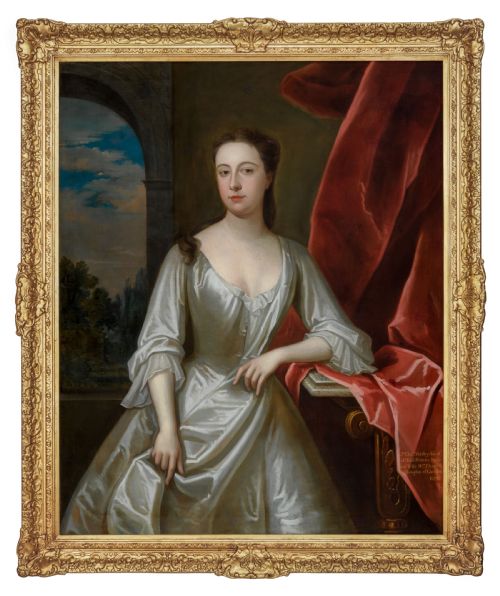
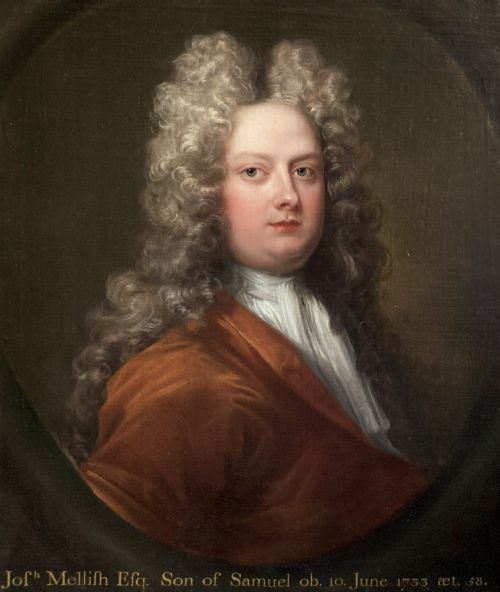
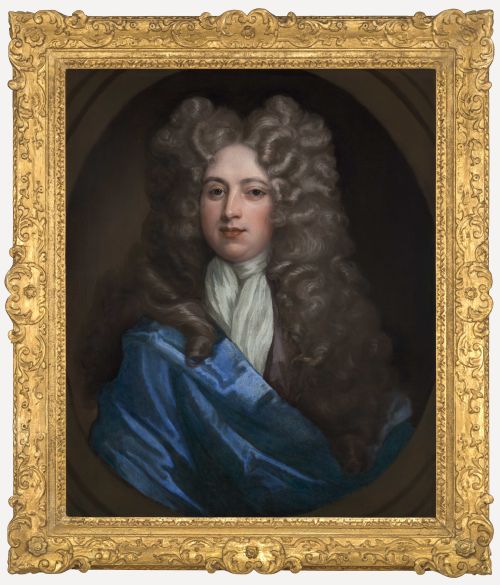
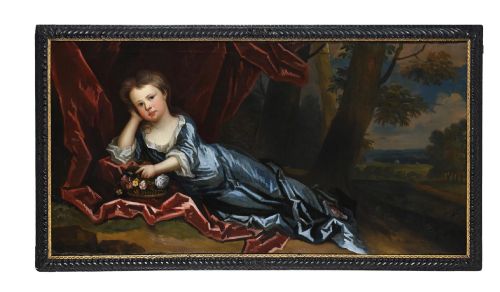
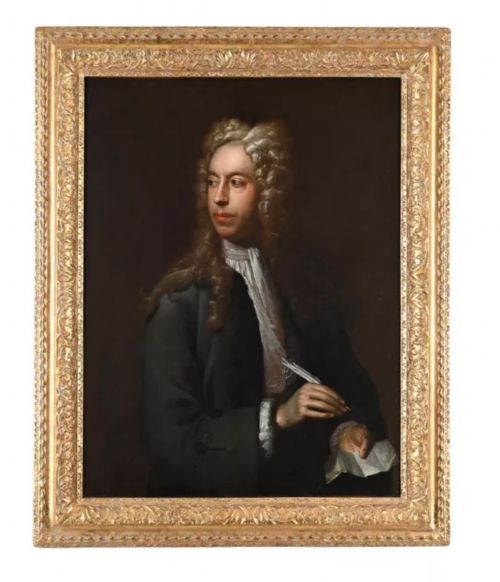
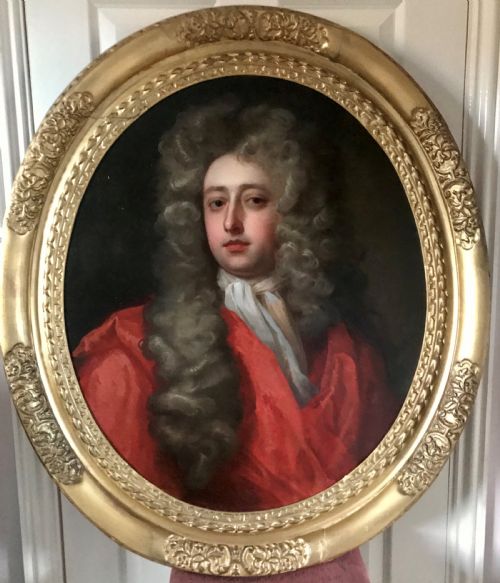
A queen anne portrait captures the distinct likeness of sitters from the turn of the eighteenth century, spanning the Baroque and early Georgian periods. These works include depictions of nobility, gentlemen scholars, and royalty rendered in oil on canvas.
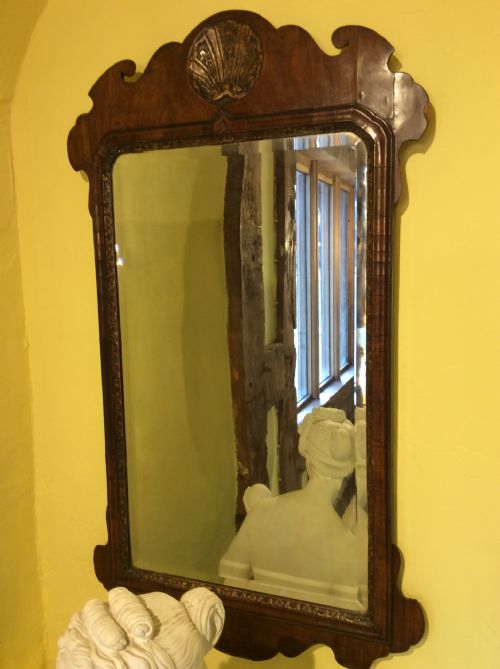
Most pieces on this page emerge from the late seventeenth and early eighteenth centuries, featuring subjects adorned in periwigs, blue cloaks, and formal court attire. Alongside traditional canvas works, collectors encounter reverse glass prints and associated wall mirrors in walnut or giltwood.
The sitters range from named historical figures like Queen Anne and Lady Elizabeth Shirley to anonymous gentlemen and noblewomen. Each painting reflects the formal portraiture traditions upheld by prominent workshops and circles of the era.
Materials and Techniques
Painters of this era applied oil pigments directly onto stretched canvas, building rich tones for drapery and flesh. Walnut and giltwood frames provided the traditional structural and decorative borders for these oil paintings.
Artisans also utilised reverse glass techniques for specialised portrait prints, sealing the delicate imagery beneath glass plates. Gilding with gold leaf enhanced the carved wooden frames that house many of these historical works.
Queen Anne Portrait Retail Price Guide 2026
Typical asking prices for queen anne portrait among the pieces listed under this phrase on Sellingantiques today, from the lower quarter to the upper quarter. They describe what is for sale here now, not the wider market.
The listings feature oil on canvas, giltwood, and walnut across the Baroque and early Georgian styles.
Judging Quality
Provenance and attribution strongly influence the standing of a portrait. Works with documented links to established painters or circles carry greater art-historical weight than anonymous studio productions.
Sir Godfrey Kneller·Charles Jervas·Thomas Murray·Charles D’Agar·Michael Dahl·Robert Byng·Bartholomeus Van Burgindis·Paul van Somer·Francois Clouet·Federico Zuccaro·Guillim Scrots
The Queen Anne Portrait Glossary
- Baroque
- A style of European architecture, music, and art of the 17th and 18th centuries that followed Mannerism and is characterised by ornate detail. In portraiture, this translates to dramatic lighting and rich, voluminous drapery.
- Giltwood
- Wood that has been covered with a thin layer of gold leaf or powder. It forms the lustrous surface of many period frames surrounding these oil paintings.
- Periwig
- A highly formal, long-curled wig worn by men of fashion and nobility during the late 17th and early 18th centuries. Its detailed rendering often helps date a portrait.
- Reverse Glass Print
- An image transferred or painted on the underside of a piece of glass so that it is viewed through the transparent pane. This technique created a glossy, protected finish for early portraiture.
- Walnut
- A hard, dark wood prized for furniture and mirror frames during the reigns of William and Mary and Queen Anne. It provides a warm, figured grain that complements the tones of oil paintings.
Queen Anne Portrait: Frequently Asked Questions
How do I date a queen anne portrait?
Dating relies heavily on the sitter's costume, particularly the style of periwigs, cravats, and gowns shown in the canvas. Examining the pigments and the construction of the wooden stretcher frame also offers clues.
Historical records and inscriptions on the canvas or stretcher bars frequently provide a specific date range or identify the sitter. Comparing the brushwork to known examples from the same painter's circle helps narrow the decade.
Were these portraits always painted from life?
Many sitters sat directly for prominent painters in London studios, resulting in accurate depictions of nobility and gentry. Other works were studio copies or repetitions commissioned by families to distribute among relatives.
Paintings executed in the manner of a master often served as commemorative pieces rather than direct observations. Workshop assistants frequently contributed to the drapery and backgrounds while the master focused on the face.
How should I hang a canvas portrait?
Oil paintings on canvas require stable indoor environments away from direct sunlight and dramatic humidity shifts. Hanging them on interior walls protects the canvas and the original giltwood or walnut frame from warping.
Secure picture hooks rated well above the weight of the frame must be fixed directly into wall studs or solid masonry. Ensuring the painting hangs level preserves both the canvas structure and the historical frame.
What is the difference between an oil painting and a reverse glass print?
An oil painting consists of pigments suspended in oil medium applied directly to a woven canvas surface. This method allows for thick impasto and subtle blending of tones by the artist.
A reverse glass print applies the image to the rear side of a glass plate so the viewer looks through the glass to see the picture. This technique produces a smooth, reflective surface distinct from textured canvas.