




Cavalier Portrait Painting
These cavalier portrait painting examples capture the swagger of the seventeenth century and its later revivals, offering a striking focal point for any traditional interior.
Cavalier Portrait Painting
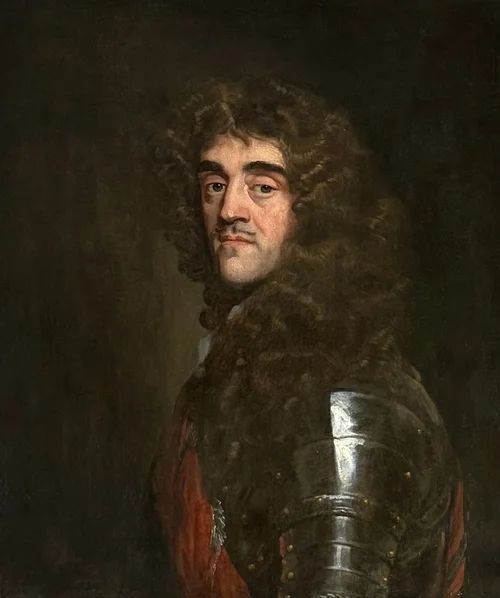
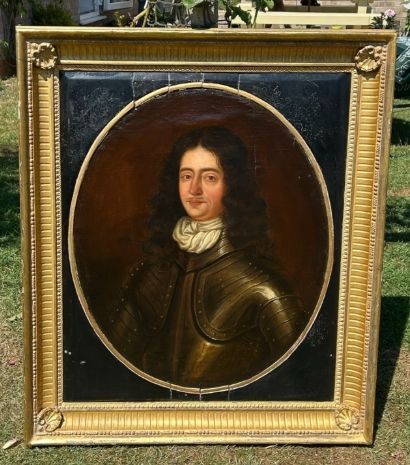
A cavalier portrait painting depicts subjects styled in seventeenth-century attire, often featuring long hair, lace collars, and armour, capturing a distinct romanticism. Buyers seek these works for their dramatic presence and historical narrative, which bridges military history and portraiture.
The selections available range from seventeenth-century originals to nineteenth-century historical revivals and academic interpretations. Oil on canvas remains the most frequent medium encountered, alongside occasional watercolours and works executed on wooden panels.
Materials and technique
Artists relied primarily on oil on canvas, building up layers of pigment to achieve the rich textures of velvet, silk, and polished steel armour. Gilded wood and giltwood frames frequently enclose these works, providing a suitably ornate border that complements the Baroque and historical styles.
Techniques span from Dutch school methods to Victorian academic historicism, where painters carefully manipulated light and shadow to create depth. Panel paintings on wooden supports also appear, demonstrating the traditional craftsmanship employed by portraitists across different centuries.
The listings span from the seventeenth century through to the Edwardian era, utilising oil on canvas, paper, and wooden panels.
What separates the fine from the ordinary
Quality rests in the handling of the subject's expression and the precision rendered in fabrics, lace, and armour. Superior examples demonstrate a confident mastery of light, where the sheen of silk and the glint of metal appear convincing rather than flat.
The strength of provenance and the integrity of the canvas and original frame structure also dictate the standing of a piece. Earlier seventeenth-century origins and recognised hands command greater attention than later provincial copies or massed historical revivals.
John Greenhill·Ernest Crofts·Frank Owen Salisbury·Adolphe Alexandre Lesrel·William Arthur Breakespeare·Cavaliere Alessandro Capalti
The Cavalier Portrait Painting Glossary
- Baroque
- An artistic style originating in the seventeenth century characterised by dramatic movement and clear detail to produce tension and grandeur in sculpture and painting. This aesthetic underpins many original works and later revivals.
- Oil on Canvas
- A medium where pigments are suspended in a drying oil and applied to stretched fabric. This technique allowed artists to achieve rich tonal gradations and lasting durability.
- Academic Historicism
- A style of painting that meticulously portrays historical scenes and costumes with scholarly accuracy. Nineteenth-century artists frequently adopted this approach to recreate seventeenth-century subjects.
- Giltwood
- Wood that has been coated with a thin layer of gold leaf or powder. It is commonly found on the ornate frames housing these historical portraits.
Cavalier Portrait Painting: Frequently Asked Questions
How do I date a cavalier portrait painting?
Dating relies on examining the canvas preparation, stretcher construction, pigment analysis, and the specific style of the costume. Seventeenth-century canvases differ significantly in weave and tension from nineteenth-century revival pieces.
Examining any inscriptions, signatures, or historical framing also provides reliable clues to the exact period of creation.
What is the difference between original and revival pieces?
Original works were painted during the seventeenth century, capturing contemporary subjects in the prevailing Baroque aesthetic. Revival pieces emerged later, particularly during the nineteenth century, as artists looked back with romantic nostalgia.
Both categories hold distinct appeal, though seventeenth-century originals carry greater age and historical immediacy.
How should I care for an oil on canvas?
Keep paintings away from direct sunlight, extreme temperature fluctuations, and high humidity to prevent cracking of the oil pigment. Gentle dusting with a soft, dry brush is sufficient for routine maintenance.
Avoid using liquid cleaners on the canvas or the gilded wood frame, consulting a professional conservator for deeper cleaning.
Why do some portraits depict armour while others show civilian dress?
Armour reflects the military allegiance and status of the sitter during periods of civil conflict, such as the English Civil War. Civilian attire, including Van Dyck dress and lace collars, highlights the refined elegance and wealth of the individual.
Both representations served to project a specific persona and social standing to contemporary viewers.