



Seventeenth Century Wall Art
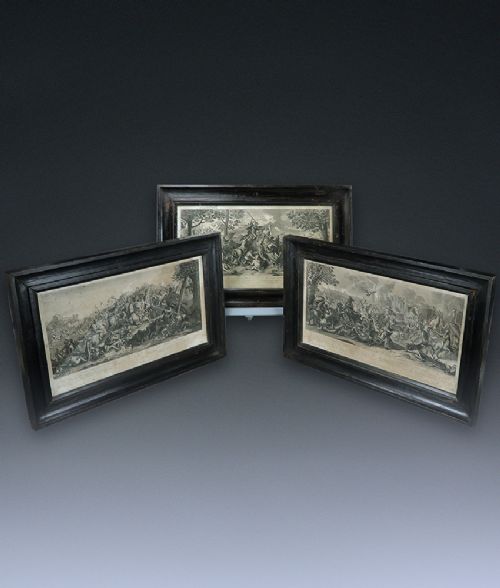
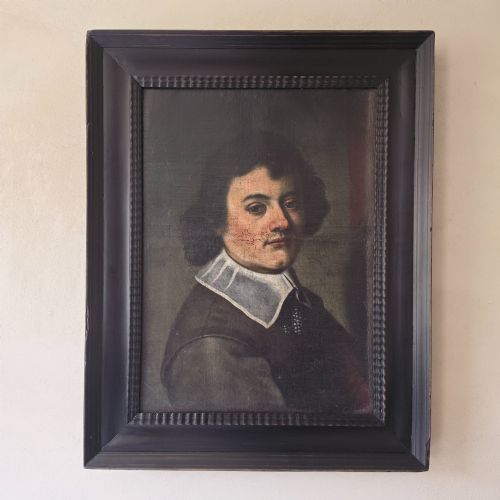
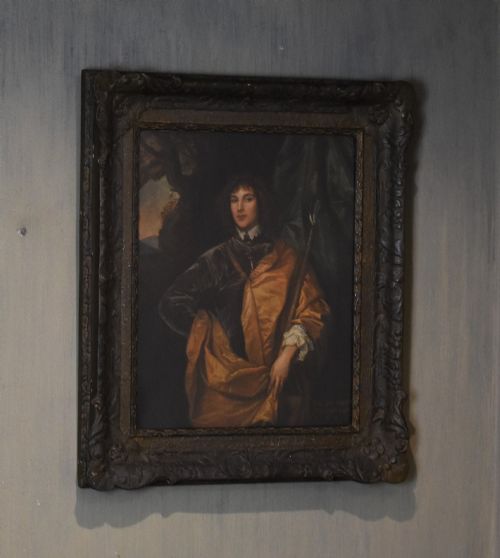
Seventeenth century wall art encompasses historic oil paintings, framed county maps, and woven tapestries that bring centuries of European craftsmanship directly into modern rooms.
Seventeenth Century Wall Art
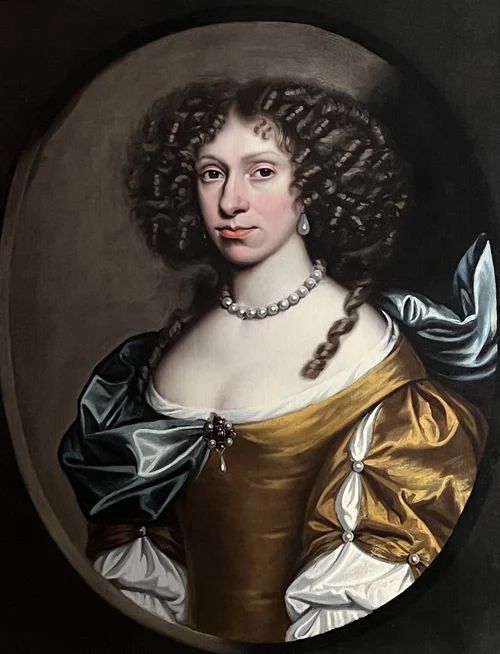
When searching for seventeenth century wall art, buyers encounter a diverse range of surviving works primarily rooted in portraiture, cartography, and textiles from across Britain and Northern Europe.
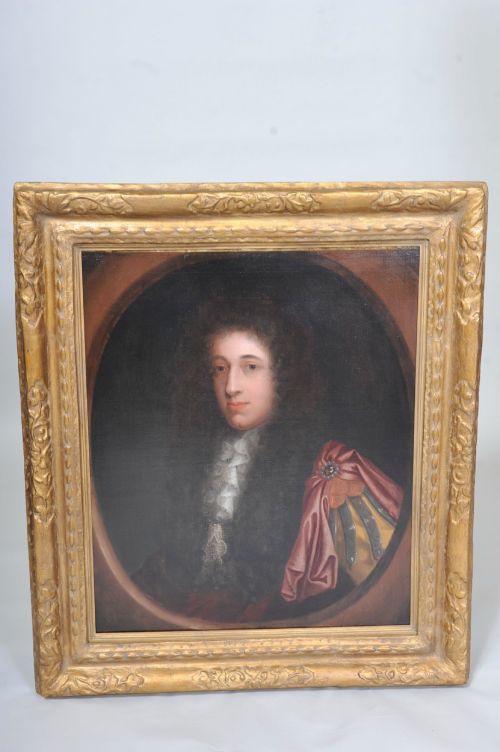
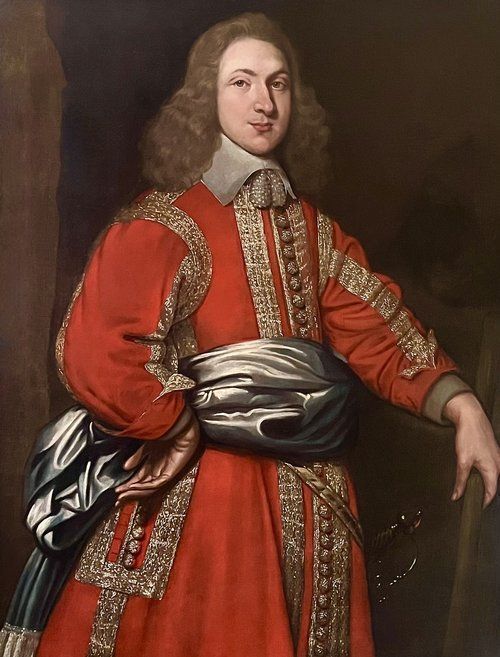
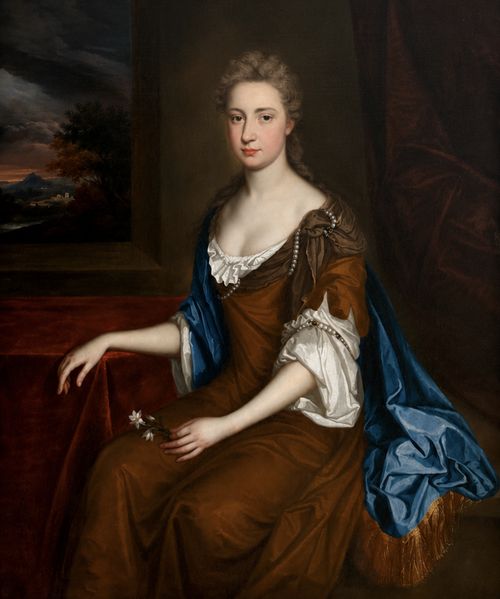
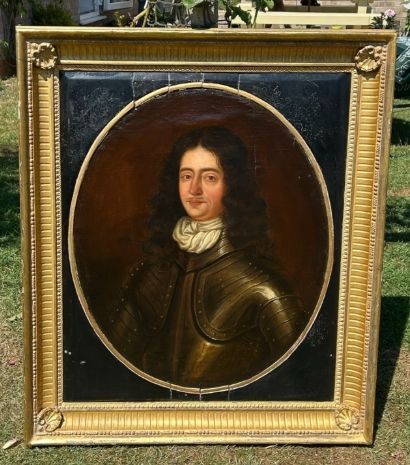
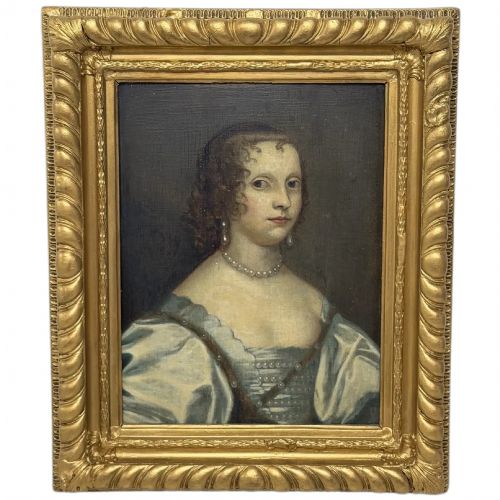
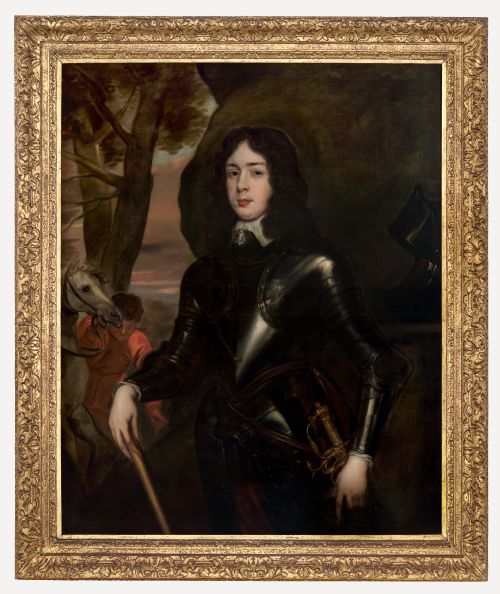
Oil paintings on canvas and oak panel dominate the selection, frequently depicting aristocratic figures, military officers, and nobility in the Baroque taste of the period.
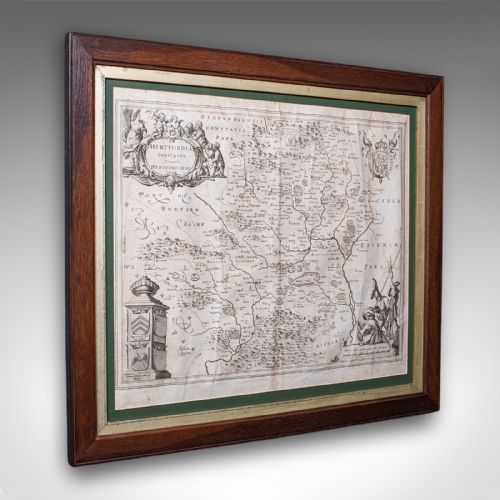
Alongside fine art, framed county cartography by notable mapmakers and woven tapestry fragments or cushion covers provide alternative textural forms of early wall decoration.
Materials and Techniques
Makers utilised oil paints layered upon woven canvas or sturdy oak panels, often framing the finished compositions in giltwood or carved wooden surrounds.
Cartography was produced through detailed copperplate engraving on paper, occasionally finished with hand-coloured pigments to accentuate geographic boundaries.
Textile works relied on complex weaving techniques using silk and wool threads to construct pictorial wall hangings, tapestries, and decorative furnishings.
Listings feature works spanning the 16th century through the Victorian era, with a heavy concentration of 17th century pieces.
Assessing Quality and Execution
The distinction between ordinary and exceptional pieces lies in the subtlety of brushwork, anatomical proportion, and the expressive depth captured within portraiture.
Survival condition significantly influences value, particularly regarding the original integrity of canvas supports, panel stability, and the preservation of hand-coloured details on antique maps.
DAVID SCOUGALL·Blaeu·John Speed·Robert Morden·Pieter Nason
The Seventeenth Century Wall Art Glossary
- Baroque
- An ornate artistic style originating in the seventeenth century characterised by dramatic lighting, rich detail, and dynamic movement. This aesthetic defines the grand portraits and grand decorative schemes of the era.
- Cartography
- The science or practice of drawing maps. Antique examples from this period feature intricate decorative cartouches and regional surveys by master cartographers.
- Giltwood
- Wood carved and thinly coated with gold leaf or a metallic substitute. This material frequently frames important oil paintings and mirrors from the period.
- Vellum
- A fine parchment made from calfskin, used historically for important documents and indentures. It provides a durable, smooth surface for handwritten legal texts.
Seventeenth Century Wall Art: Frequently Asked Questions
Can I display oil paintings in direct sunlight?
Direct sunlight causes pigments to fade and accelerates the degradation of historic canvas supports and antique varnish layers.
Position these works on interior walls away from windows to protect the fragile oil on canvas surfaces.
How do I clean antique tapestries and wall hangings?
Textiles and tapestry fragments accumulate dust within the fibres, requiring gentle surface cleaning rather than washing.
Consult a textile conservator for professional advice on vacuuming through mesh screens to avoid damaging delicate wool and silk threads.
What lighting works best for old master portraits?
Warm, low-intensity LED picture lights highlight the intricate details of dark backgrounds without generating harmful heat.
Keep illumination levels moderate to preserve the integrity of centuries-old pigments and varnishes.