


Classic Portraiture Canvas Art
Classic portraiture canvas art brings centuries of individual likenesses into a room, spanning seventeenth-century aristocrats to twentieth-century public figures.
Classic Portraiture Canvas Art
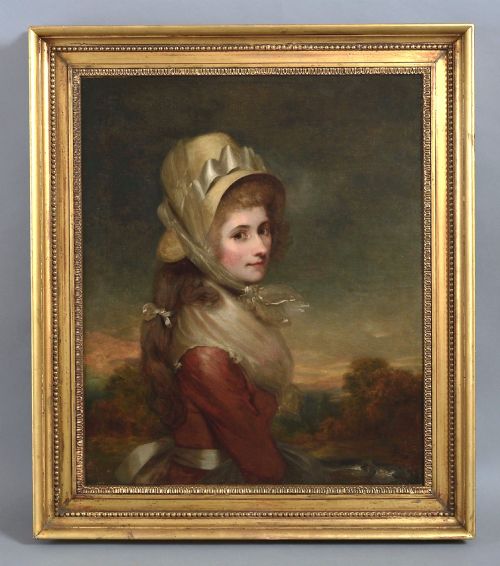
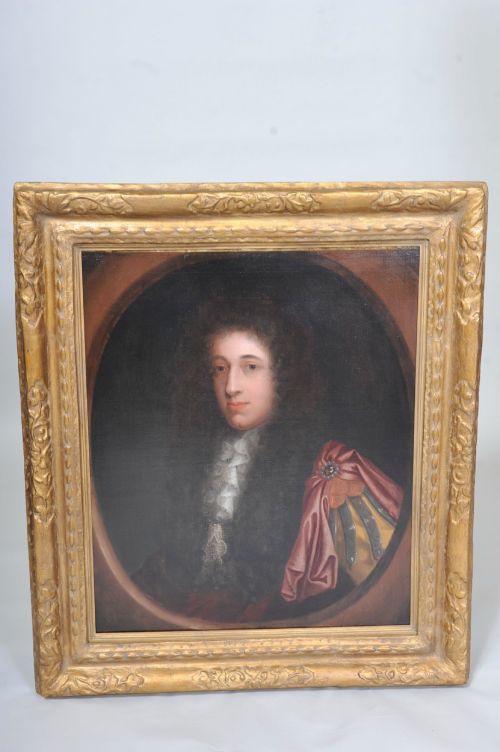
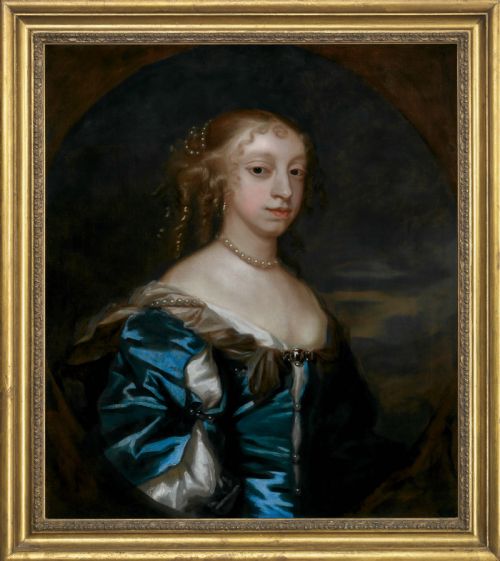
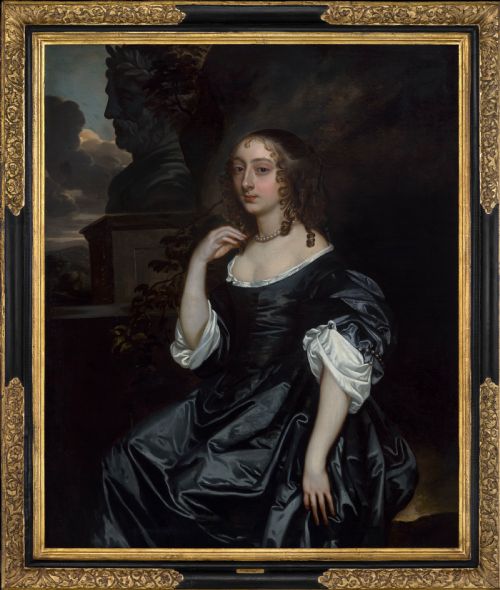
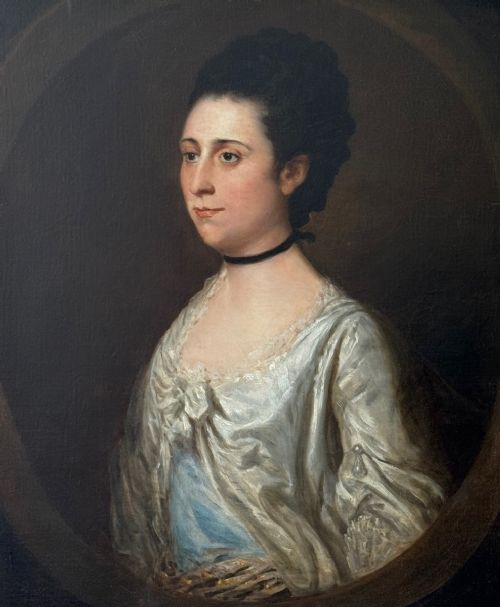
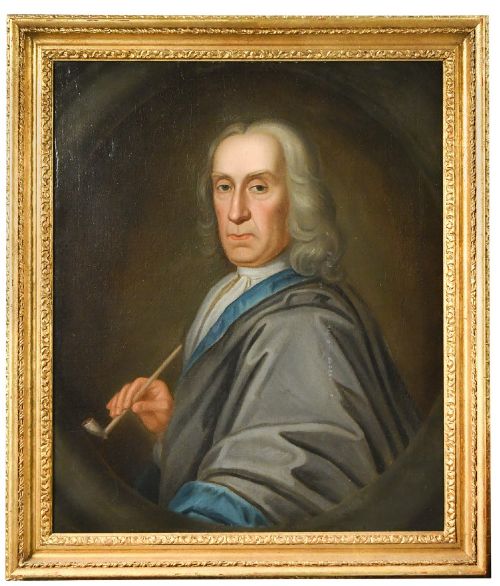
Classic portraiture canvas art comprises oil paintings on canvas depicting identifiable sitters, from seventeenth-century nobility to twentieth-century personalities. These works range from seventeenth-century English and Dutch compositions to Victorian and mid-century British or European expressions.
The most frequent form on this page is the oil painting on canvas housed in a giltwood or wood frame, often capturing a half-length or bust representation of a lady or gentleman. Subjects include aristocracy, family members, historical figures such as Sir Winston Churchill, and sitters recorded by regional European schools.
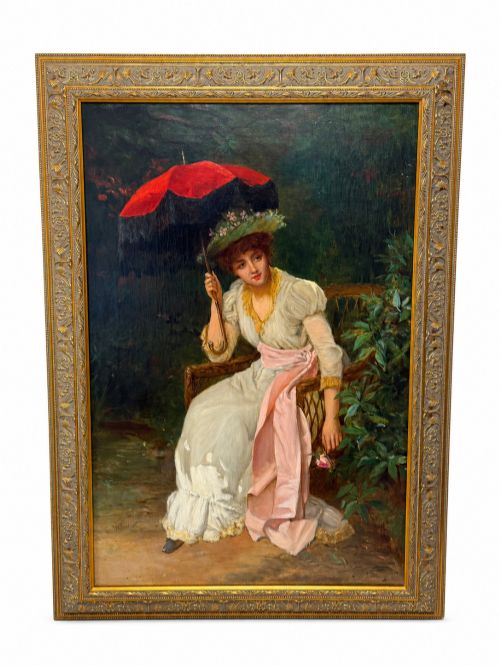
Spanning periods from the seventeenth century through the Edwardian era to the mid-twentieth century, these oil paintings record historical dress, posture, and societal standing. The format preserves the likeness of sitters through traditional pigment application on woven textile supports.
Judging Quality and Execution
Quality rests upon the artist's ability to render facial expression, bone structure, and textiles with anatomical conviction and psychological depth. Superior works demonstrate confident brushwork in the hands, drapery, and background elements rather than mechanical repetition.
The integrity of the canvas support, the stability of the oil paint layer, and the preservation of the original giltwood frame influence the overall standing of an individual piece. Works attributed to known studios or documented hands command greater interest than anonymous regional school productions.
Listings feature oil paintings on canvas spanning the seventeenth century to the mid-twentieth century, including works framed in giltwood.
Sir Martin Archer Shee·Sir Peter Lely·Thomas Beach·Franz Xaver Winterhalter·John Robert Dicksee·Frank Moss Bennett·Balthasar Denner·Tilly Kettle·John Gilroy·Arthur Royce Bradbury
The Classic Portraiture Canvas Art Glossary
- Giltwood
- Wood carved and coated with gold leaf or metallic powder, frequently used for traditional picture frames. This finish reflects ambient light to draw the eye toward the canvas.
- Gesso
- A paint mixture consisting of a binder mixed with chalk, gypsum, or pigment, applied to wood frames before gilding. It provides a smooth surface for subsequent layers.
- Studio of
- A designation indicating a work produced by assistants or pupils under the direct supervision of a master artist. It reflects the style and workshop practices of the named painter.
- Dutch Golden Age
- A period in Dutch history spanning the seventeenth century noted for exceptional achievements in painting, including portraiture. Works from this tradition emphasise stark lighting and psychological realism.
Classic Portraiture Canvas Art: Frequently Asked Questions
How do I identify the period of a portrait?
Dating relies primarily on the sitter's costume, hairstyle, and framing conventions, which shifted distinctly from seventeenth-century lace collars to Victorian dress and twentieth-century attire. Reference points also include signature styles and biographical details of the depicted individual.
Material analysis of the canvas weave, stretcher construction, and frame style offers further confirmation. Comparing handling techniques with documented works from specific regional schools helps narrow down the decade of creation.
What is the difference between an original and an after work?
An original painting represents a primary composition executed directly from life or from the artist's initial concept. These pieces carry the immediate touch and creative decisions of the named painter.
An after work is a subsequent painting copied from an established portrait by another hand, often created as a record or tribute. These versions are identified by inscriptions or stylistic variations compared to the primary prototype.
How should I care for an oil painting on canvas?
Maintain stable indoor humidity and temperature levels to prevent the canvas support and wood stretcher from warping or cracking. Keep the artwork away from direct sunlight and heat sources to protect pigment integrity.
Dust the surface and frame gently with a soft, dry brush without applying pressure to the paint layer. Avoid using liquid cleaners or touching the exposed oil paint directly.
Why are some portraits attributed to a school rather than an artist?
Attribution to a school occurs when a painting exhibits the stylistic traits, palette, and techniques of a specific region or era without bearing a signature or documentation. This classification groups anonymous works by geographical and chronological origin.
These pieces reflect the broader training methods and visual culture shared by practitioners working within a particular country during a specific century. Further archival research occasionally links an anonymous canvas to a specific workshop.