

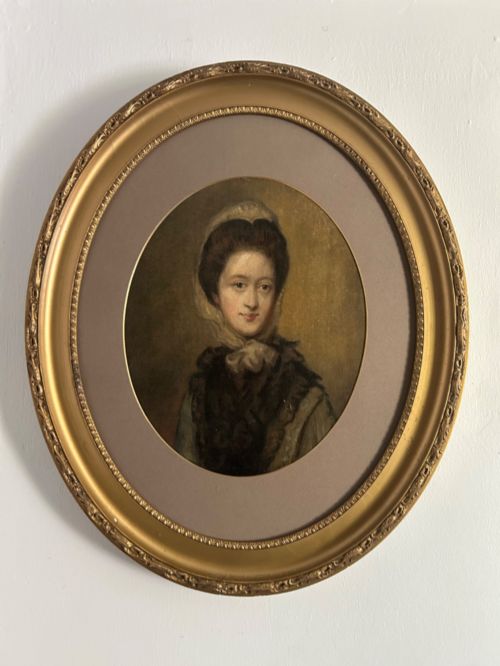


Historical Female Oil Painting
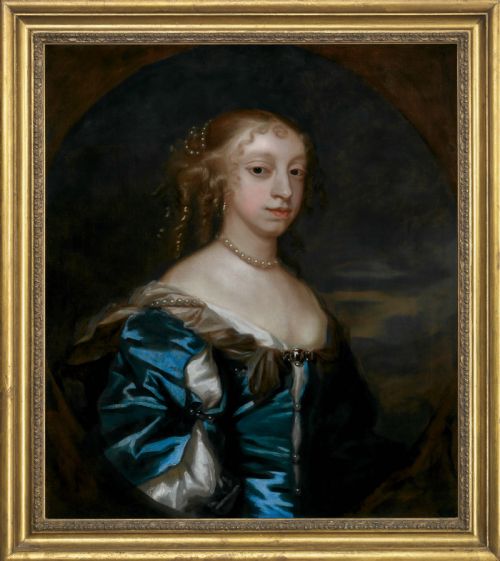
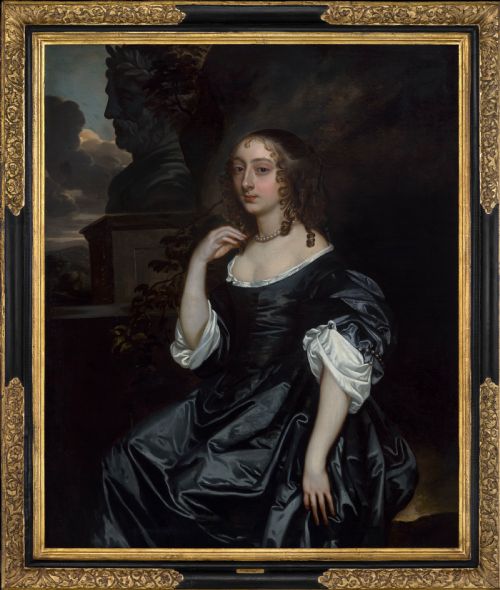
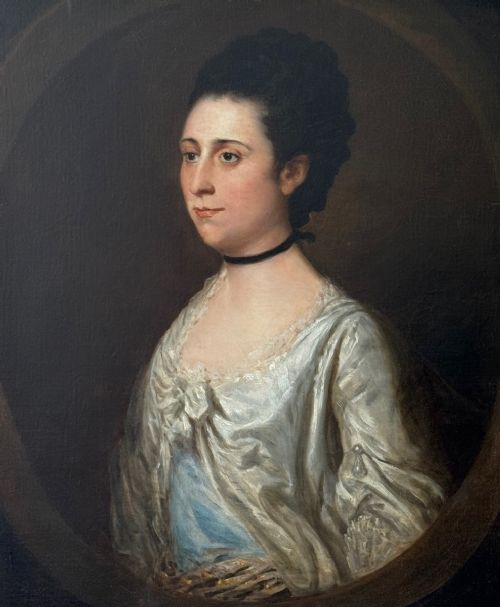
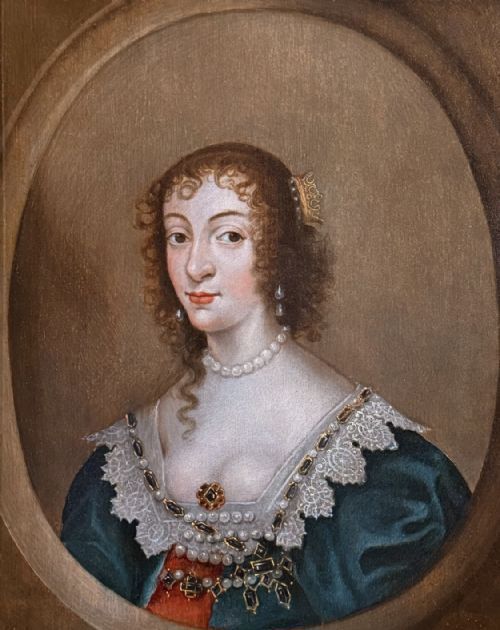
When you search for a historical female oil painting, you find centuries of portraiture on canvas and panel, capturing identifiable sitters and unknown subjects alike.
Historical Female Oil Painting
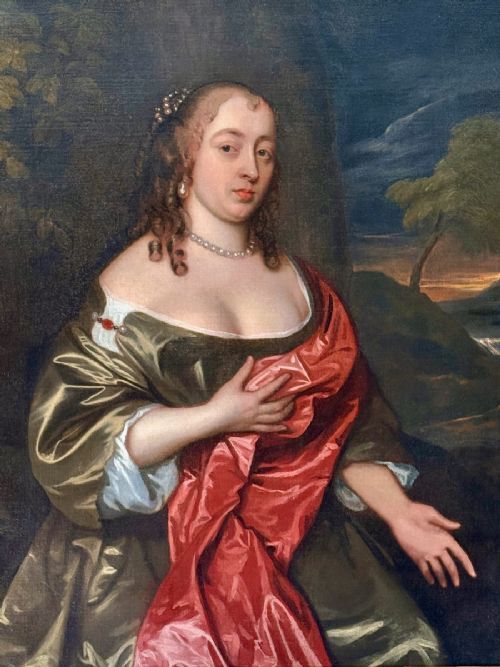
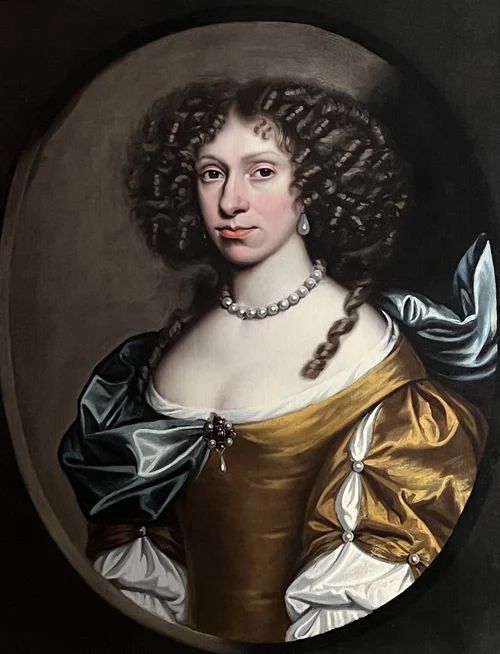
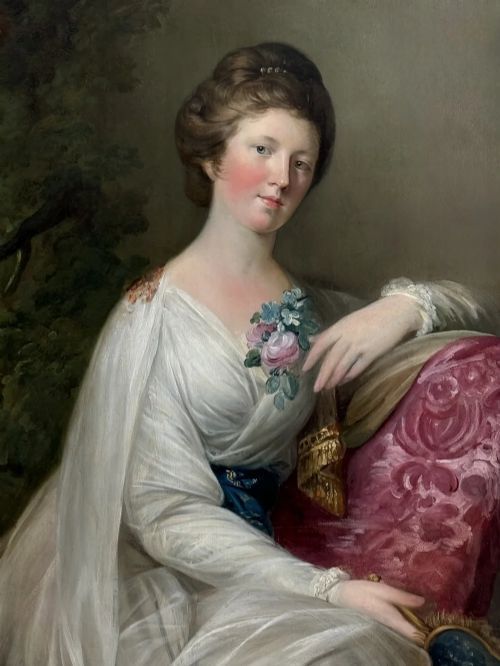
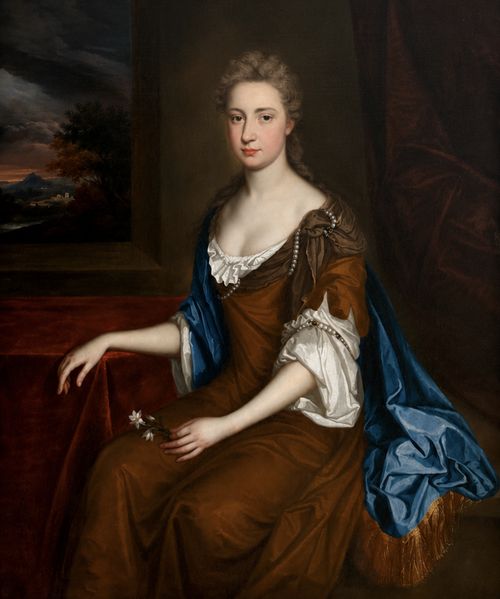
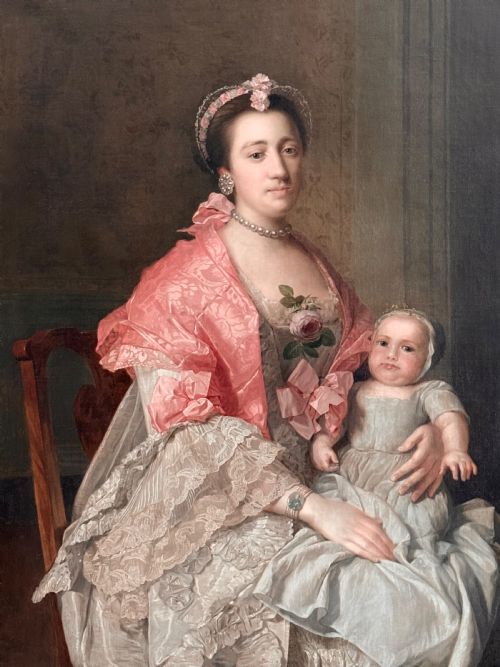
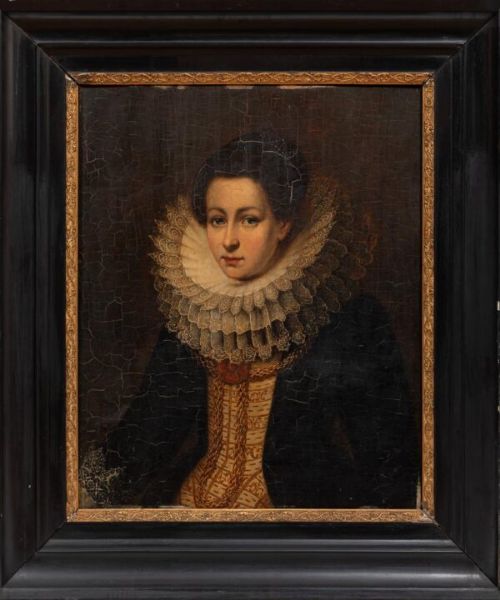
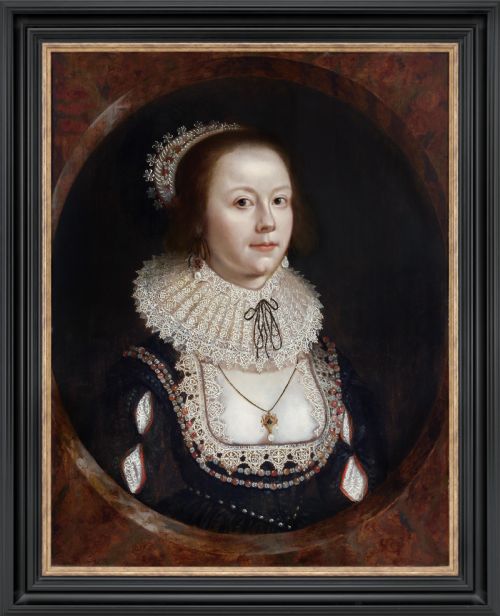
A historical female oil painting presents female subjects rendered in oil paint on canvas or panel, spanning periods from the seventeenth century through to the twentieth century. These works frequently depict named nobility, landed gentry, artists or literary figures, often dressed in the formal attire, ruff collars or jewels of their respective eras.
The versions most commonly met on this page originate in the seventeenth and eighteenth centuries, reflecting Baroque, Georgian and Regency aesthetics. British and Dutch schools dominate the selection, showing sitters in half-length or full-length formats against plain dark backgrounds or extensive landscapes.
Collectors encounter works ranging from attributed studio pieces and circle productions to signed canvases by documented portraitists. Each piece records historical dress, social status and artistic conventions of portrait painting over three hundred years.
Materials and Technique
Artists of these periods applied oil paint to stretched canvas or wooden panels, building up rich layers of colour to render skin tones, fabrics and lace. The slow-drying nature of oil allowed painters to achieve smooth gradations and realistic textures in garments such as silk, velvet and satin.
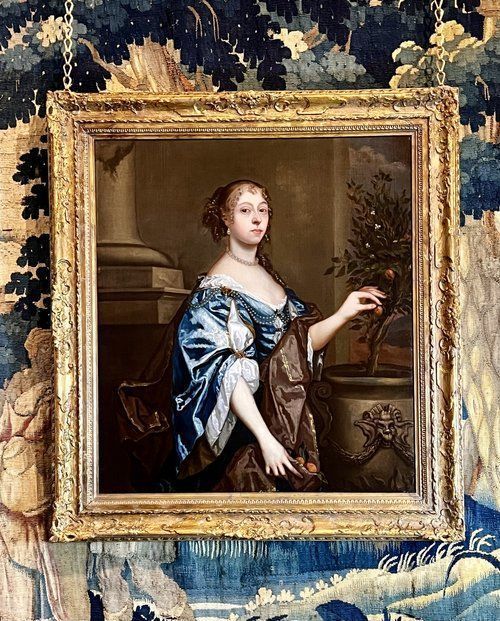
Canvases were commonly housed in ornate giltwood, gilt wood or gilded wood frames that complement the deep pigments of the central portrait. Panels, more typical of earlier seventeenth-century works, provided a rigid support for meticulous brushwork and detailed costume rendering.
The selection includes formal portraits from the Dutch Golden Age and British school styles, alongside depictions of literary figures and nobility.
Quality Variations
Provenance and attribution also drive distinction, with works securely linked to named artists or documented sitters commanding greater academic and collector interest than anonymous portraits from regional schools.
JOHN HAYLS·DAVID SCOUGALL·GEORGE WILLISON·PIETER BORSSELER·THOMAS BEACH·ROBERT BYNG·CORNELIUS JOHNSON·CHARLES JERVAS·BALTHASAR DENNER·ARTHUR POND·SIR GODFREY KNELLER·HANS HYSING·THOMAS MURRAY·MICHAEL DAHL·WILLIAM WISSING·JOHN ROBERT DICKSEE·PAUL SCHIER
The Historical Female Oil Painting Glossary
- Oil on canvas
- A painting medium where pigments bound in oil are applied to a woven fabric support stretched over a wooden frame. This combination became the standard support for portraiture from the seventeenth century onward.
- Panel painting
- A work executed on a flat piece of wood rather than canvas. This technique is frequently seen in earlier seventeenth-century works before canvas gained total dominance.
- Giltwood
- Wood that has been carved and coated with a thin layer of gold leaf or gilt. These frames are traditional accompaniments to historical portraits.
- Circle of
- A term used when a painting shows the distinct style of a master artist and was likely produced by someone working closely in their immediate environment. It denotes proximity to a major hand without direct attribution.
- Ruff collar
- A prominent pleated or fluted collar of stiffened fabric worn in the late sixteenth and seventeenth centuries. These intricate accessories add significant visual detail to early portraits.
Historical Female Oil Painting: Frequently Asked Questions
What is a historical female oil painting?
A historical female oil painting is a portrait of a woman created using oil paints on canvas or wood during past centuries. These artworks capture the likeness, fashion and social standing of women from periods such as the Georgian and Victorian eras.
Such pieces serve as historical records of costume and portraiture conventions. They range from formal commissioned pieces of nobility to intimate depictions of family members by regional artists.
How do you identify the period of a portrait?
The period of a portrait is typically identified by examining the sitter's clothing, hairstyle, collar style and the overall artistic technique. Fashion changes strictly across decades, allowing experts to date paintings by specific ruff designs, bonnets or gown cuts.
Additionally, stretcher frames, canvas types and framing styles provide physical clues to the age of the work. Signatures, inscriptions and historical documentation on the reverse of the canvas further clarify the dating.
How were these portraits used historically?
Historically, oil portraits of women were commissioned by families to display lineage, wealth and social status within domestic interiors. They hung in country houses, drawing rooms and galleries as permanent records of ancestry and marriage alliances.
Some portraits functioned as commemorative items following the death of a subject, while others recorded significant public figures, writers or mythological personifications like Flora or St Agnes.
How should I care for an antique oil painting?
Antique oil paintings require stable environmental conditions with moderate humidity and temperature to prevent canvas slackening or wood panel cracking. Direct sunlight should be avoided to protect organic pigments from fading over time.
Dusting should be performed gently with a soft, dry brush by professionals when necessary, avoiding chemical cleaners or water. Giltwood frames also require careful handling to preserve the delicate gold leaf application.