
Georgian Lady Oil Painting
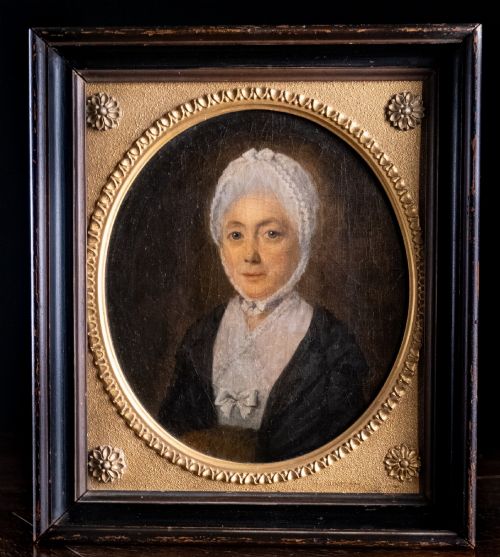
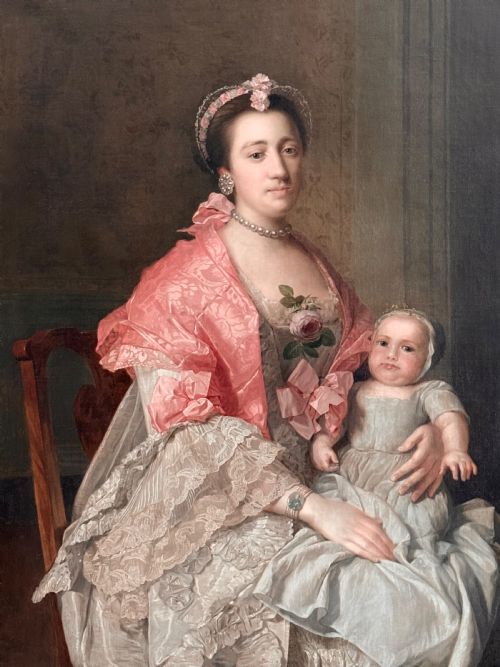
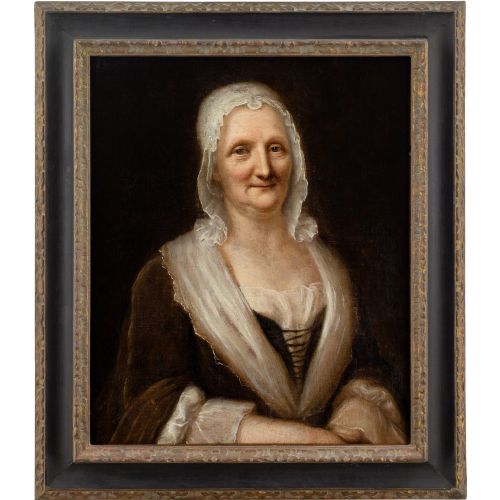
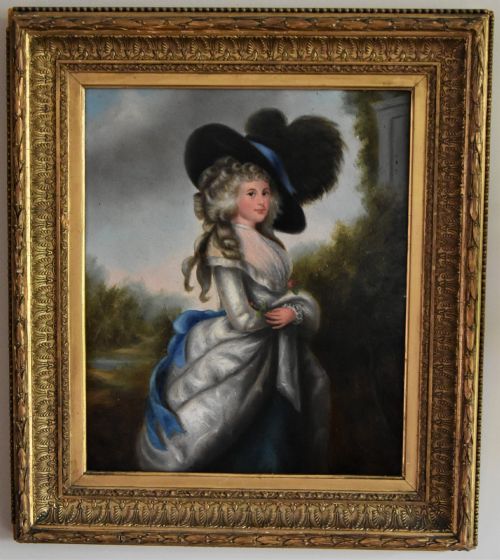
A georgian lady oil painting brings the presence of eighteenth-century portraiture directly into a modern interior.
Georgian Lady Oil Painting
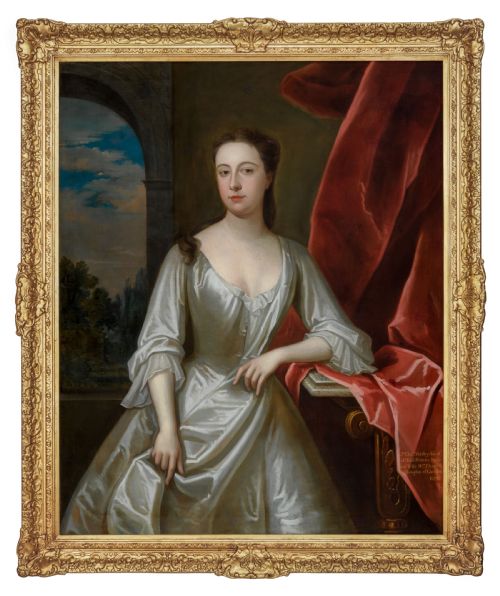
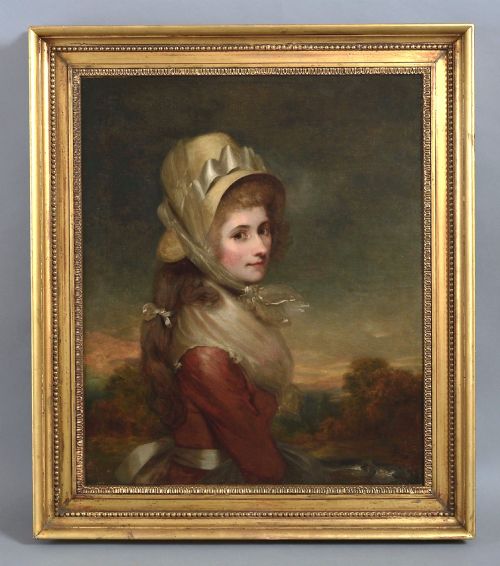
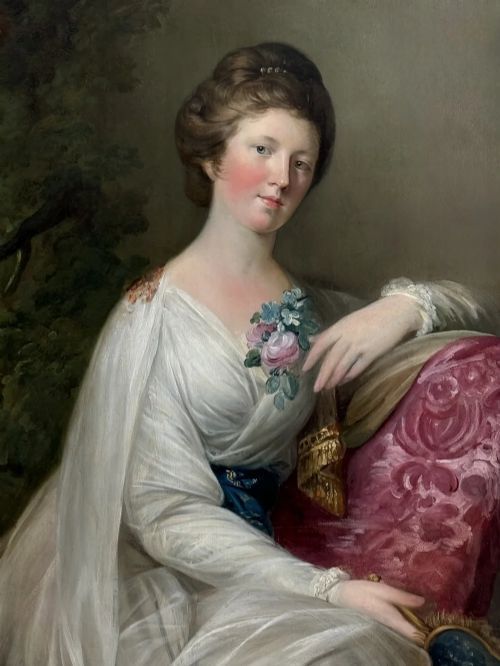
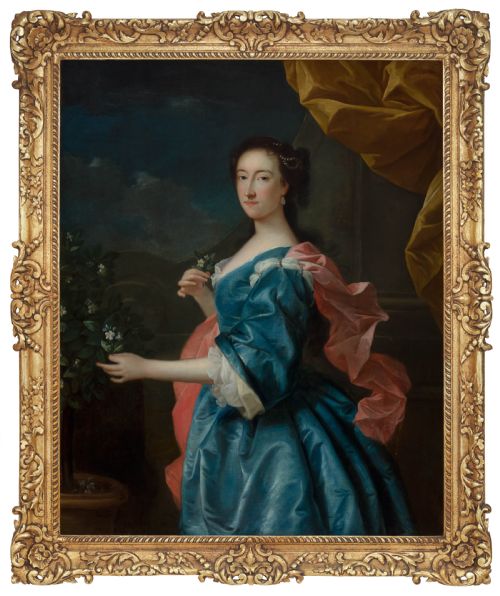
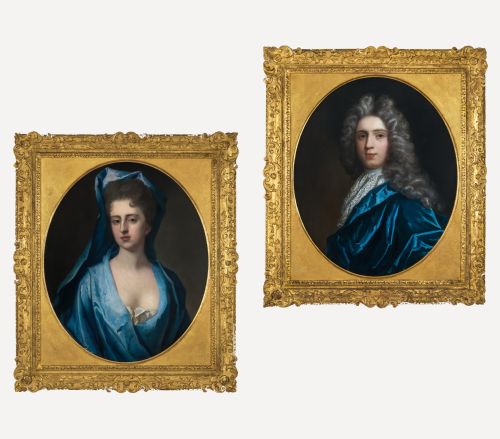
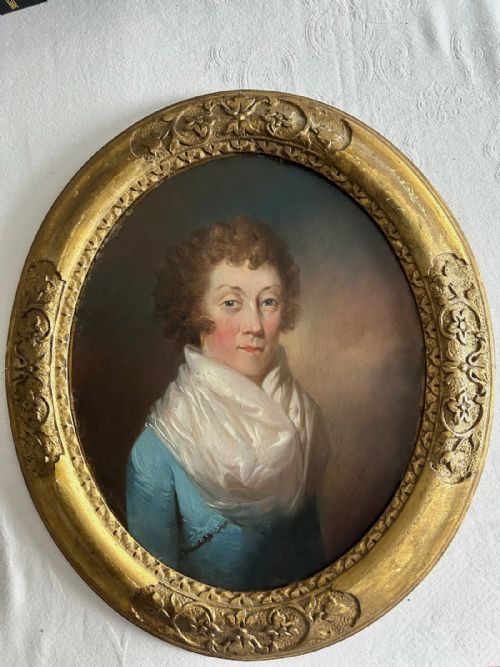
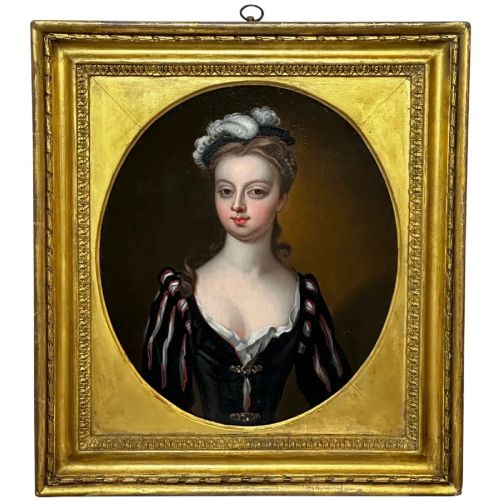
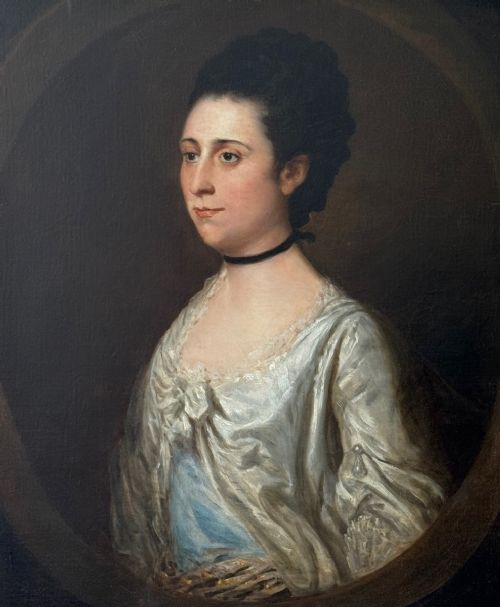
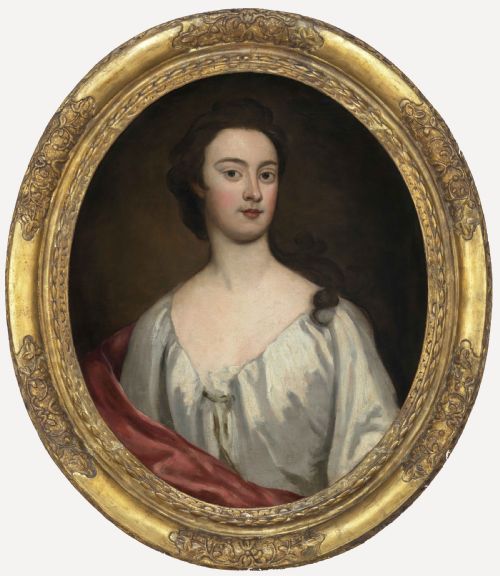
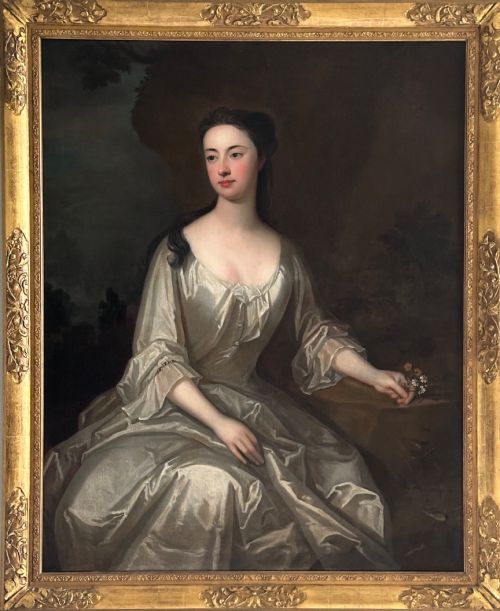
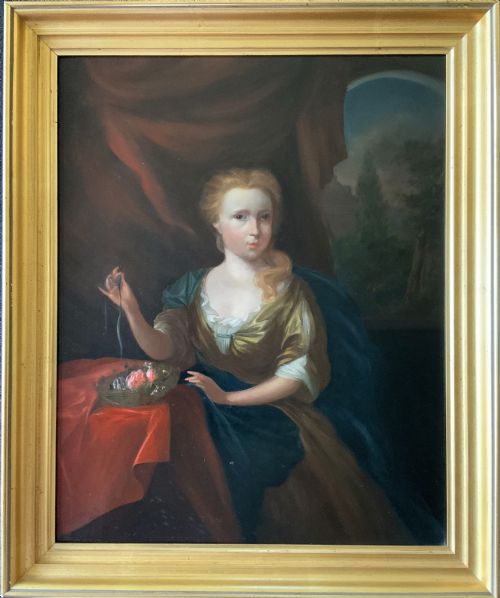
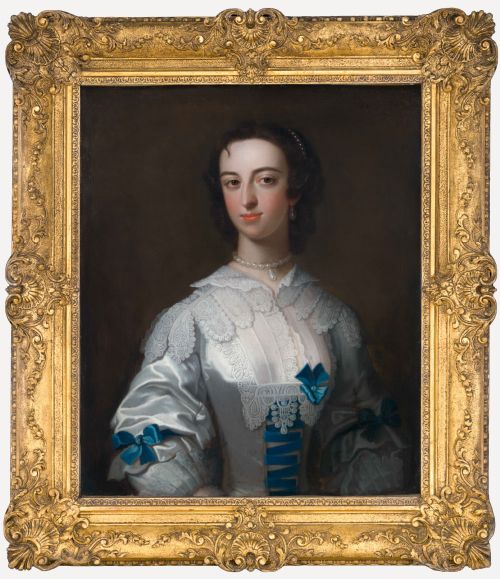
When you search for a georgian lady oil painting, you encounter historic portraiture created during the eighteenth and early nineteenth centuries, capturing female subjects from aristocratic and middle-class backgrounds. These works frequently depict sitters in formal attire, sometimes posed within landscapes, near marble tables, or accompanied by children and pets.
On this page, the most common versions are oil on canvas paintings originating from British and European schools, spanning the 17th century through the Regency and Victorian eras. You will also find related pieces such as oil on board works, portrait prints, and depictions linked to specific historic painters or their circles.
Materials and Techniques
These portraits were produced using oil paint applied to woven canvas or wood panels, often framed in period surrounds of giltwood, gilded wood, or ebony with gold leaf details. Artists utilised traditional layering and glazing techniques to render rich fabrics like silk, lace collars, and ribbons.
Many surviving examples retain their original stretchers and heavy decorative frames, while the physical support shows the characteristic craquelure and oxidation associated with centuries-old oil media.
Among the historical portraits of aristocracy and ladies in silk, one listing captures a small Georgian oil painting of a hound dog named Lady.
Assessing Quality and Execution
The distinction between standard works and master-level pieces rests in the anatomical precision of the hands and face, the luminosity of the skin tones, and the handling of textile folds. Superior examples display confident brushwork that defines character and costume with immediate clarity.
Provenance and attribution also influence standing, with signed canvases, documented sitters, or works connected directly to named portraitists commanding greater historical interest than unsigned regional school paintings.
Sir Godfrey Kneller·Sir Martin Archer Shee·George Willison·Jeremiah Davison·Michael Dahl·Thomas Murray·John Vanderbank·Thomas Beach·Sir Allan Ramsay·Henry Pickering·James Maubert·Joseph Highmore·Sir Joshua Reynolds·Samuel Raven·Louis William Desanges·William Shuter
The Georgian Lady Oil Painting Glossary
- Attributed to
- A designation used when a painting is considered the work of a particular artist based on stylistic evidence, though without definitive documentation.
- Circle of
- A term indicating that a work was produced by an unknown artist working closely alongside a master and sharing their distinct manner.
- Craquelure
- The fine network of minute cracks that develops across the surface of aged oil paint and varnish over long periods.
- Giltwood
- Timber that has been coated with a thin layer of gold leaf or gold paint, standard for framing historic fine art.
- Provenance
- The documented history of ownership and exhibition attached to a work of art, establishing its authenticity over time.
Georgian Lady Oil Painting: Frequently Asked Questions
How do I date an old portrait?
Dating relies heavily on the sitter's costume, hairstyles, and accessories, which changed rapidly across the eighteenth and nineteenth centuries. Canvas preparation, stretcher construction, and framing styles provide additional chronological clues.
Comparison with documented works by contemporary artists helps narrow down the decade of execution.
Where should I hang these paintings?
These portraits suit traditional living spaces, libraries, or hallway settings where period furniture complements the historical subject matter. They benefit from placement away from direct sunlight and fluctuating heat sources.
Pairing a dark background canvas with a gilded frame creates a strong visual focal point above a mantelpiece.
What is the difference between a school and an attribution?
A school designation, such as British School, denotes an anonymous artist working within a specific geographic region during a certain period. Attribution connects a painting to a named individual hand based on stylistic similarities.
Both terms help contextualise the origin of works created without signatures.
How do I care for antique canvas?
Maintenance involves keeping the painting in a stable environment with moderate humidity to prevent canvas slackening and paint flaking. Dusting should be done gently with a soft, dry brush.
Professional cleaning and conservation should be left to specialists to avoid damaging delicate oil glazes.