


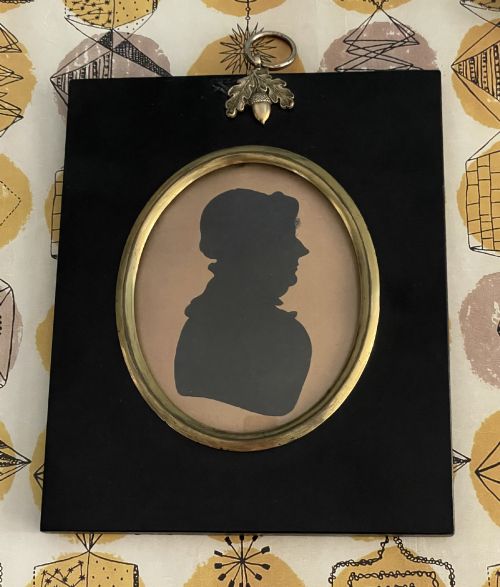
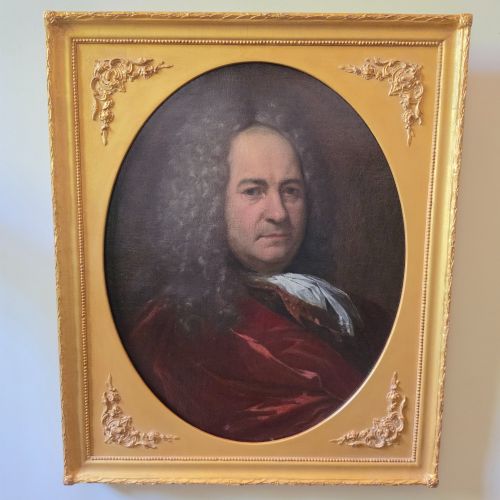
18th Century Oval Portrait
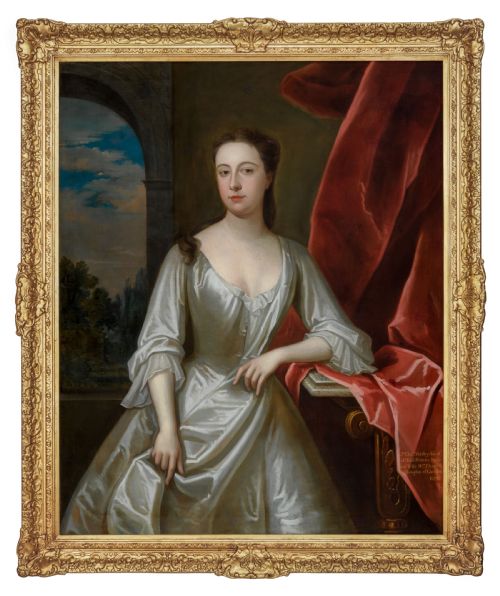
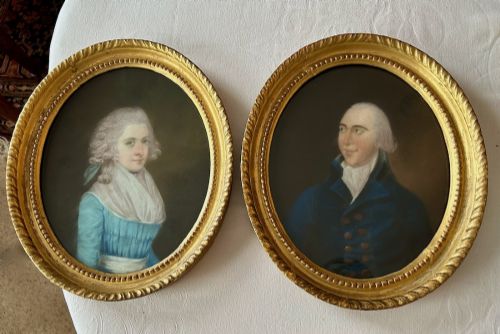
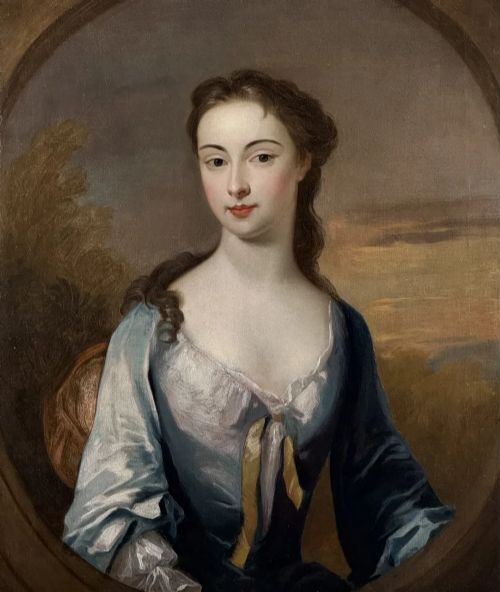
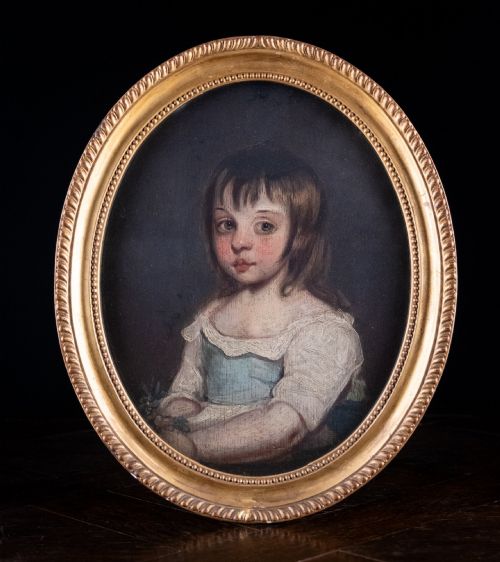
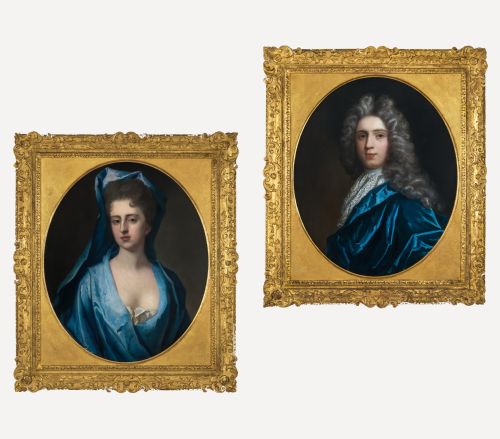
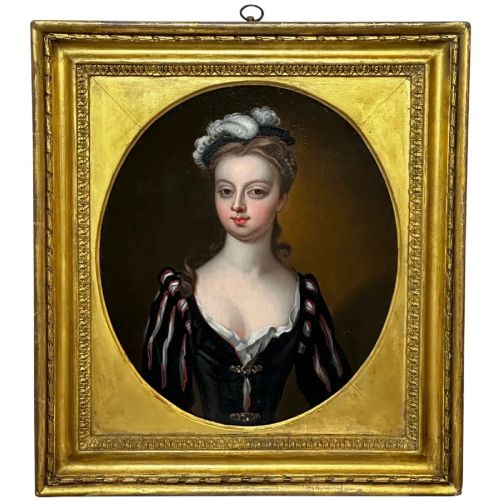
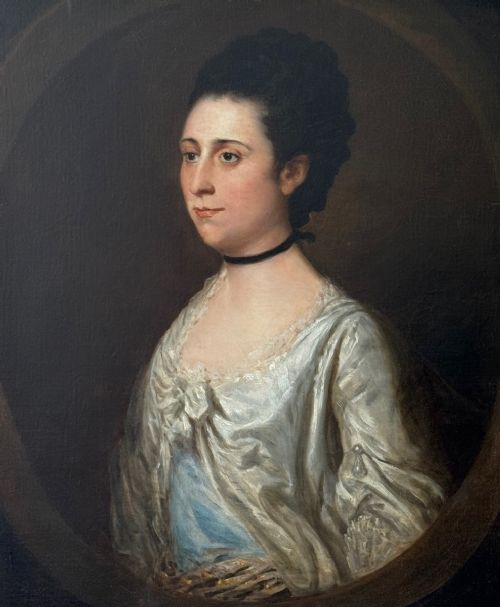
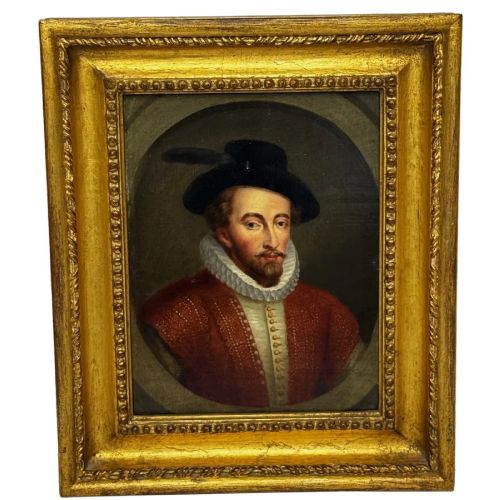
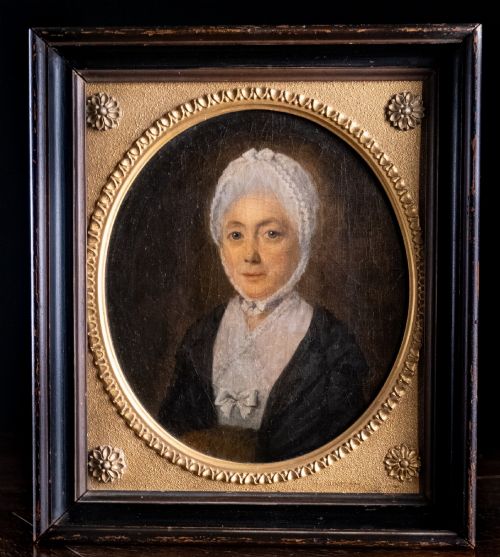
When you trace an 18th century oval portrait, you encounter likenesses rendered in oil, pastel, and enamel that capture the distinct gaze of the Georgian era.
18th Century Oval Portrait
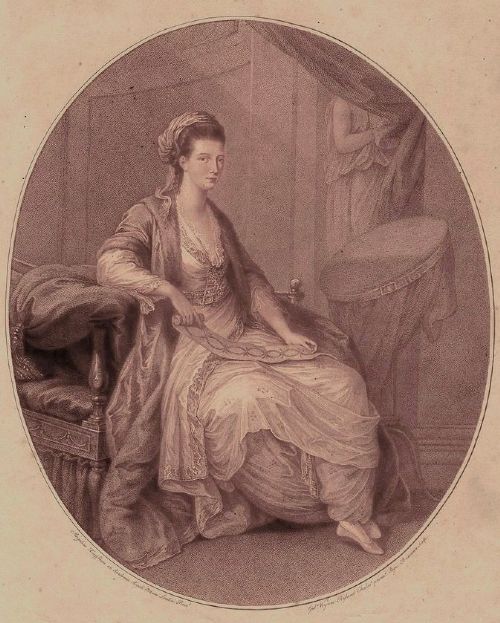
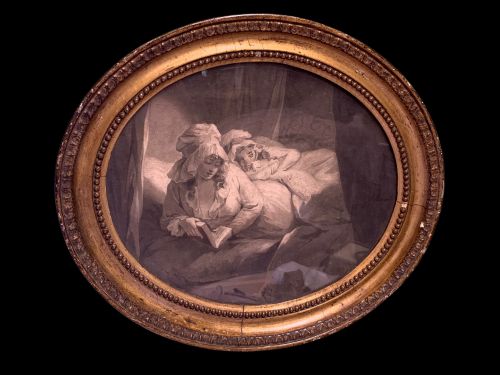
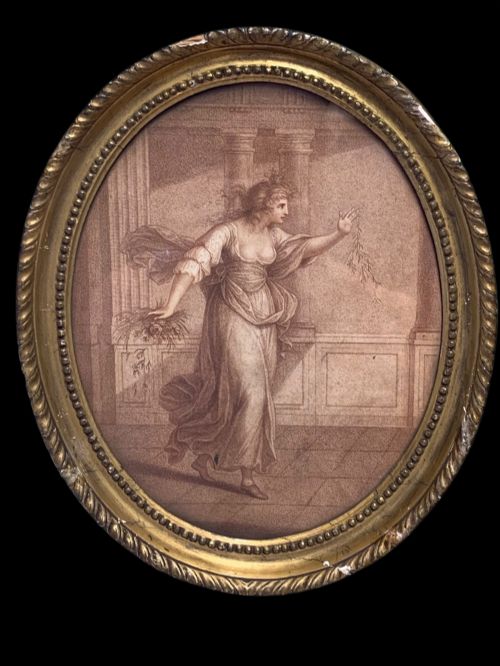
An 18th century oval portrait encompasses oil paintings on canvas and wood panel, delicate miniature paintings on paper, and works executed in pastel or enamel. These depictions record sitters ranging from nobility and gentlemen in armour to country girls and children, often framed by the curved boundaries characteristic of the format.
The selections span British and Continental schools, with pieces reflecting Georgian and Baroque aesthetics from the seventeenth century through the Regency period. Buyers encounter both grand oils attributed to known hands and intimate portrait miniatures housed in gold or ebonised frames.
Materials and Techniques
Frames matched the curved format using giltwood, gilt metal, and ebonised wood. Seed pearls and precious metals frequently adorned the mountings of portrait miniatures designed to be worn or carried.
Listings feature works in oil on canvas, watercolour, enamel, and paper, spanning the seventeenth to the nineteenth centuries.
Assessing the Standard
Quality rests in the precision of the draughtsmanship and the vitality captured in the sitter's expression. Master works display subtle command of light upon fabric and skin, distinguishing them from rigid provincial copies.
The preservation of the original medium, whether unblemished enamel or untouched oil on canvas, alongside period-appropriate framing, dictates the standing of an individual piece.
Sir Godfrey Kneller·James Sharples·Henry Bone·Charles Jervas·Michael Dahl·Thomas Murray·John Vanderbank·Thomas Beach·Richard Cosway·John Russell·Jacobus Houbraken·Allan Ramsay·Richard Houston·Jeremiah Davison·Frederick Buck·John Taylor
The 18th Century Oval Portrait Glossary
- Mezzotint
- A printmaking process where the copper plate is roughened to achieve rich tonal gradations and dark backgrounds. This method suited the dramatic chiaroscuro of Baroque portraiture.
- Plumbago
- A drawing executed in graphite, taking its name from the Latin for lead ore. These monochromatic works offered striking precision.
- Enamel
- Vitrified glass fused to a metal base under high heat. This technique preserved vibrant colour without fading over centuries.
- Giltwood
- Wood carved and coated with a thin layer of gold leaf. Such frames defined the presentation of formal wall art.
18th Century Oval Portrait: Frequently Asked Questions
How are these portraits framed?
Many pieces retain their period frames constructed from giltwood, ebonised wood, or gilt metal. Pendant miniatures often feature gold mountings designed for wear.
Original framing enhances the historic context of the artwork, though mounts were occasionally updated in subsequent decades.
What is a plumbago portrait?
A plumbago is a highly detailed drawing created using graphite on prepared vellum or paper. Artists achieved remarkable tonal depth using this single medium.
These works represent a specialised form of portraiture popular during the seventeenth and eighteenth centuries.
Were these painted from life?
Most formal portraits and miniatures were executed from direct sittings in artist studios. Some posthumous works or copies derived from existing large-scale oil paintings.
Inscribed panels and contemporary documentation often record the identity of the sitter and the date of execution.
How do I care for an enamel plaque?
Enamel pieces require protection from direct sunlight and dramatic humidity changes to prevent stress on the fused glass surface. Displaying them away from heat sources preserves the coloured pigments.
Cleaning should remain minimal and strictly limited to dusting with a soft, dry cloth.