


Historic Oil Painting Canvas
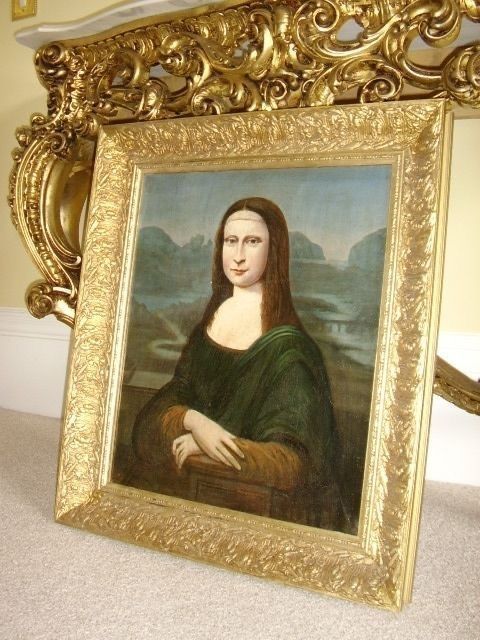
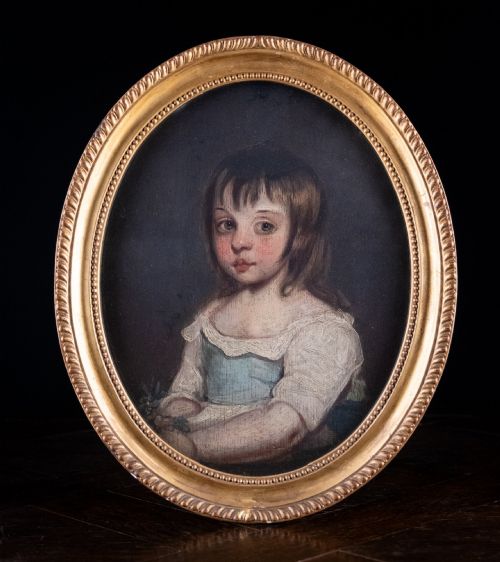
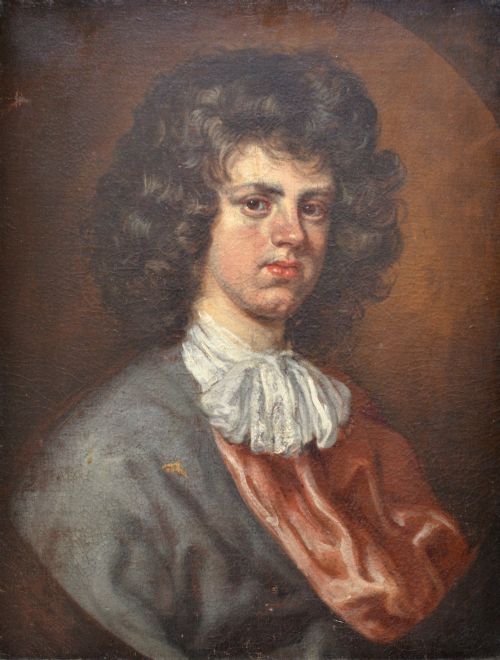
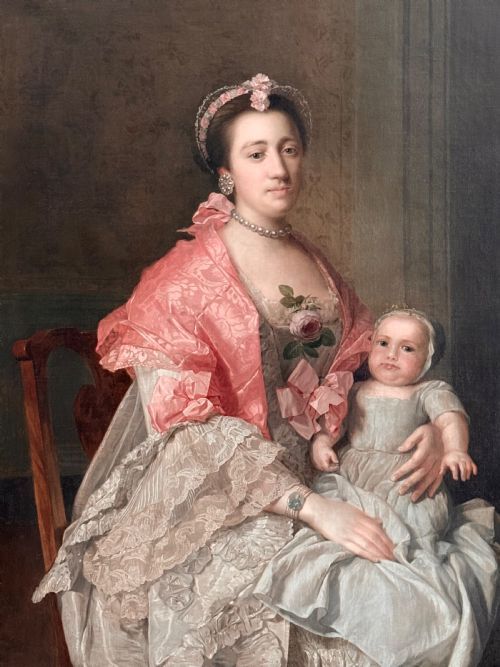
A historic oil painting canvas brings centuries of portraiture and maritime scenes into a room, offering genuine period character.
Historic Oil Painting Canvas
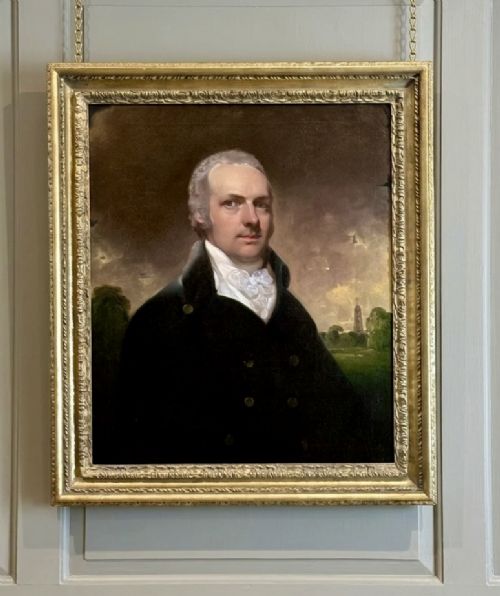
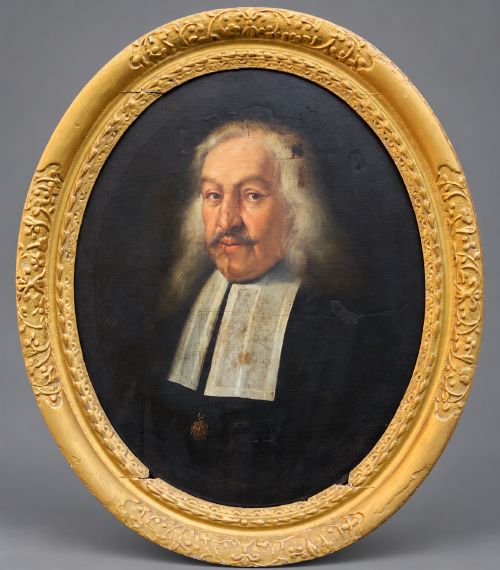
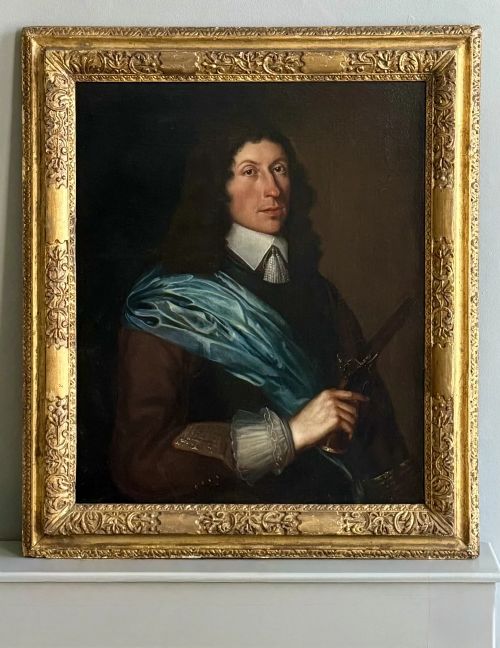
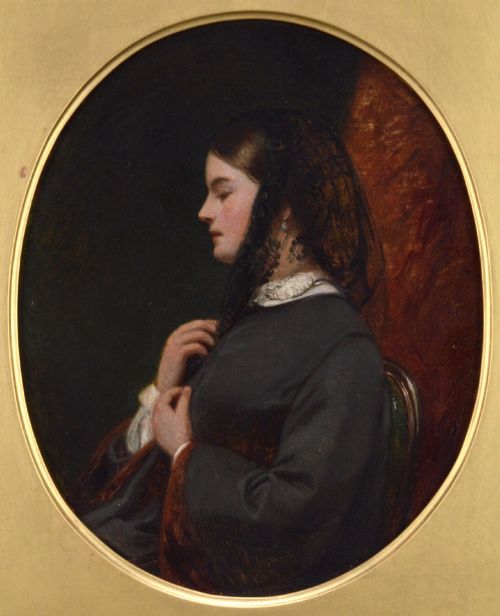
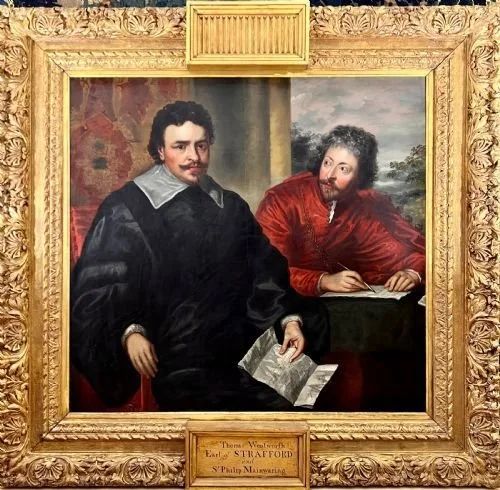
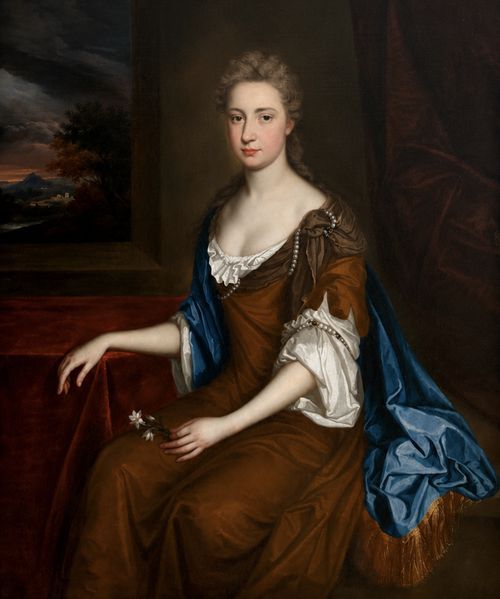
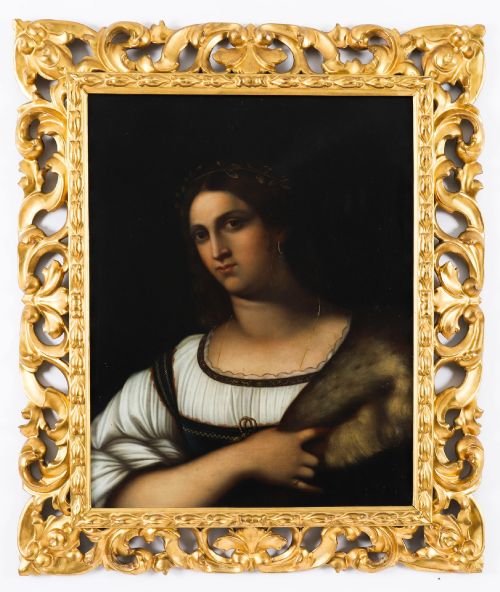
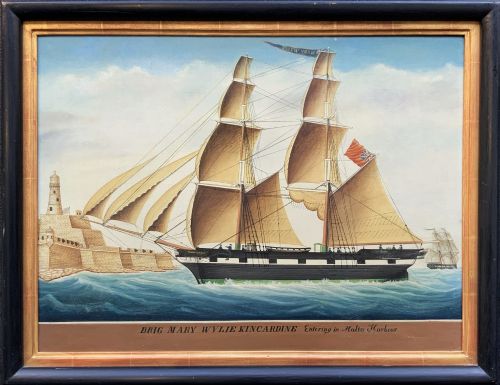
A historic oil painting canvas represents fine art traditions spanning from the seventeenth century through to the Edwardian era and mid-twentieth century. Buyers search for these works to acquire authentic painted portraits, maritime studies, and figurative landscapes executed on woven textile supports.
Originating across English, Dutch, Flemish, and French schools, the examples vary from restrained court portraits to spirited maritime scenes. Most works survive on their original canvas supports, often complemented by carved wood and gilt frames.
How they were made
Artists built these historic oil painting canvas works by applying oil paint over prepared woven linen or vegetable fibre grounds stretched across wooden strainer frames. Painters utilised rich oil pigments to achieve deep shadows and luminous skin tones, frequently sealing the finished surface with protective varnishes.
Many of these works retain their original or period-appropriate giltwood and carved wood frames finished with gold leaf. The combination of dense oil paint layers and supportive wooden stretchers allowed these canvas supports to endure centuries of display.
Historic Oil Painting Canvas Retail Price Guide 2026
Typical asking prices for historic oil painting canvas among the pieces listed under this phrase on Sellingantiques today, from the lower quarter to the upper quarter. They describe what is for sale here now, not the wider market.
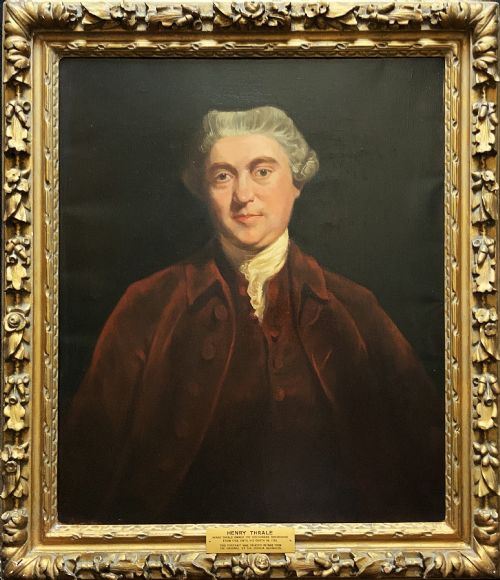
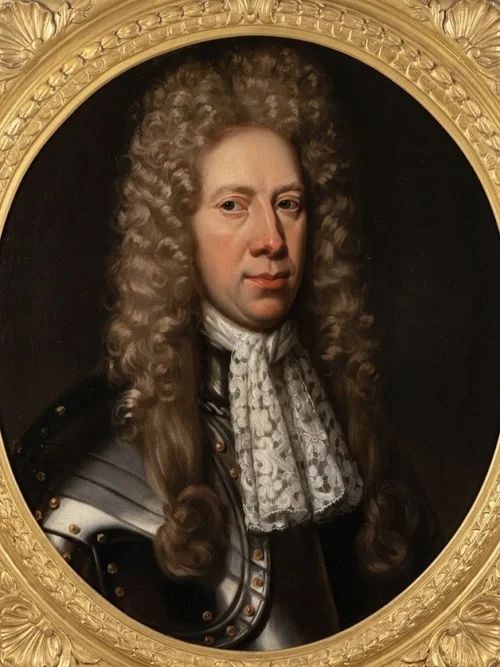
Several seventeenth-century gentlemen gaze out from their canvases clutching pipes, skulls, or diamond clasps with absolute seriousness.
What varies in quality
The distinction between ordinary and exceptional works rests upon the subtlety of brushwork, the psychological depth of portrait subjects, and the handling of light and fabric. Master painters achieved lifelike expressions and intricate textile folds that elevate a canvas above routine workshop production.
Condition and originality also determine the standing of a piece within the range. Works retaining their untouched paint surfaces, clear historic attributions, and period giltwood frames command greater appreciation than heavily restored or later re-lined examples.
Sir William Beechey R.A·Sir Godfrey Kneller·Mary Beale·Sir Joshua Reynolds·John Scougall·Edouard Pingret·Pietro Fachetti·Bonaventura Peeters·Joseph Vivienne·John Greenhill·William Millar·Frank Moss Bennett
The Historic Oil Painting Canvas Glossary
- Oil on Canvas
- A traditional painting medium where coloured pigments suspended in drying oils are applied to a woven fabric support. This method became the dominant technique for European fine art from the Renaissance onward.
- Giltwood
- Wood, typically carved timber or gesso-coated framing, that has been decorated with a thin layer of gold leaf. It provides a reflective, ornate border for historic paintings.
- Dutch Golden Age
- A period in Dutch history spanning the seventeenth century noted for exceptional achievements in painting. Artists of this era produced celebrated portraits and maritime scenes.
- Circle of
- A term used in attribution indicating that a painting was executed by an unidentified artist working closely within the studio style of a known master. It denotes proximity to a prominent hand rather than direct authorship.
- Strainer
- A rigid wooden frame used to tension a painting canvas, differing from a stretcher by having fixed, non-expandable corners. Historic canvases are frequently mounted on these wooden structures.
Historic Oil Painting Canvas: Frequently Asked Questions
How do I date a historic oil painting canvas?
Dating relies upon stylistic markers such as costume details, wig styles, hair arrangements, and sitter posture, which shifted noticeably between the seventeenth and nineteenth centuries. Pigment analysis and canvas weave examination offer further technical clues for corroboration.
Frame styles provide additional chronological context, though frames were frequently replaced over the centuries to match prevailing interior decoration tastes.
What is the difference between a portrait and a landscape on canvas?
Portraits focus on the likeness, social standing, or character of specific individuals, often utilising half-length or bust formats against neutral or draped backgrounds. Landscapes and maritime scenes instead emphasise topography, weather conditions, and spatial depth.
Both genres shared the same fundamental oil on canvas materials during the historic periods represented here.
How should I care for a historic canvas painting?
Protect the canvas by hanging it away from direct sunlight, high humidity, and rapid temperature fluctuations that cause the fabric and wood to expand or contract. Dust the surface and frame gently with a soft, dry brush without applying pressure to the paint layer.
Avoid using liquid cleaners or damp cloths on the painted surface, leaving professional cleaning and conservation to trained restorers.
What does attribution to a school mean?
Attribution to a specific regional school indicates that a painting was produced by an anonymous artist working within that country during a particular century. It reflects shared regional techniques, palettes, and compositional conventions rather than the hand of a named master.
These works offer insight into the broader artistic production of periods such as the seventeenth-century Flemish or eighteenth-century English traditions.