




Early 18th Century Artwork
Early 18th century artwork encompasses oil paintings, drawings, prints and enamels that capture the sitters, landscapes and religious scenes of the period.
Early 18th Century Artwork
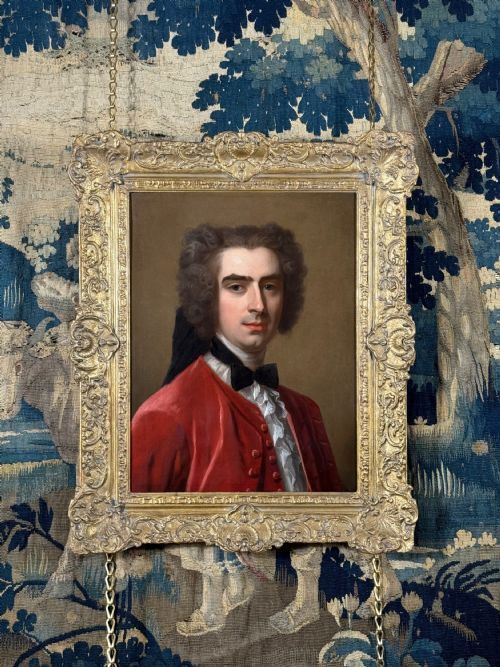
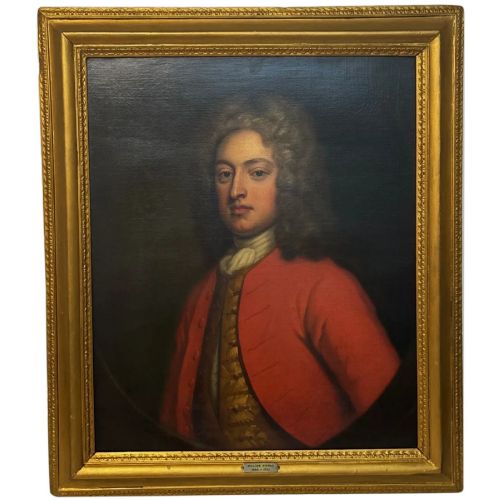
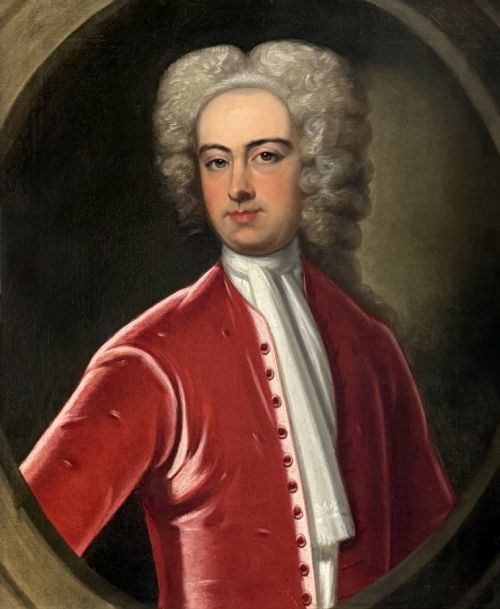
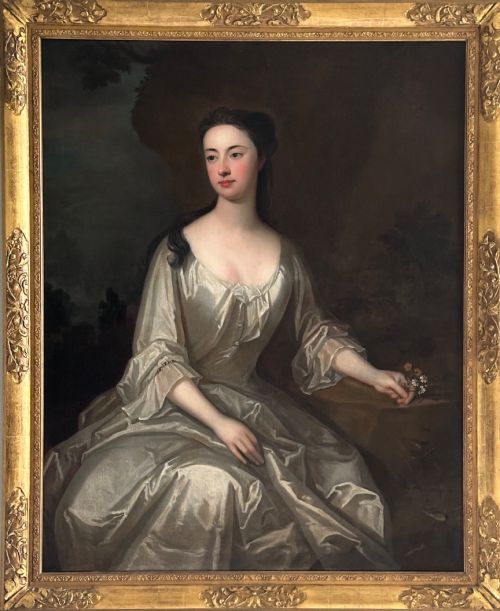
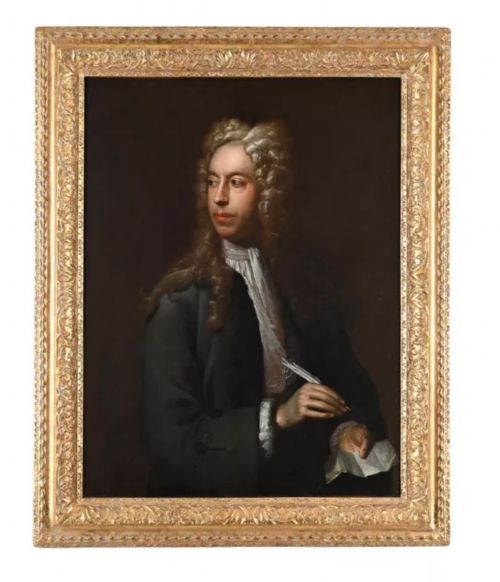
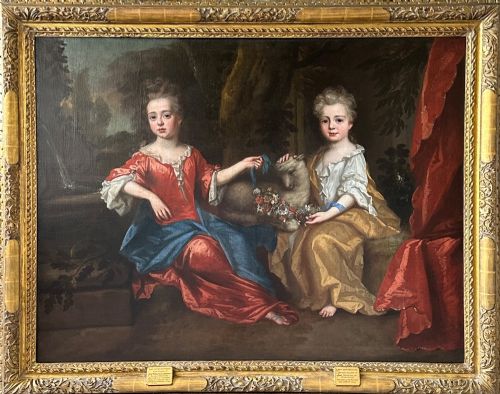
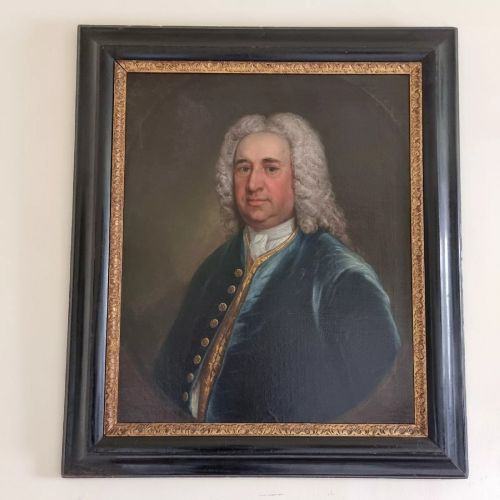
Early 18th century artwork comprises oil paintings, drawings on paper, framed prints and enamel plaques originating from British, European and regional schools. Portraits dominate the selection, depicting gentlemen, ladies, children and local figures in oil on canvas.
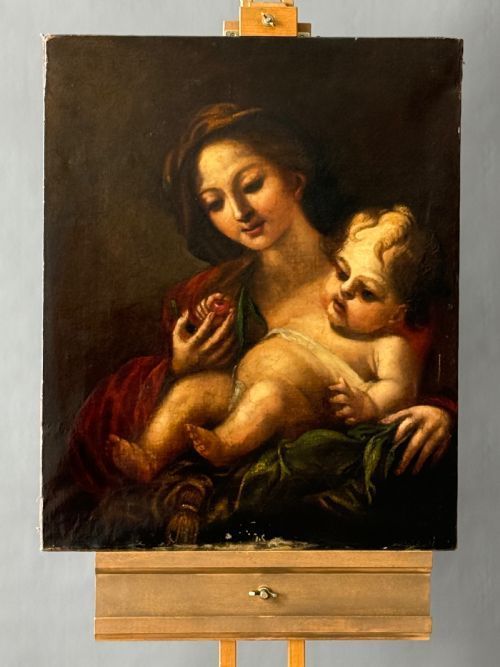
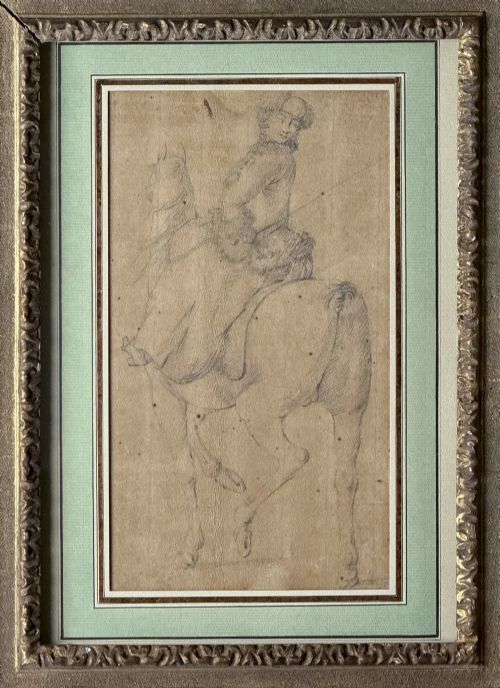
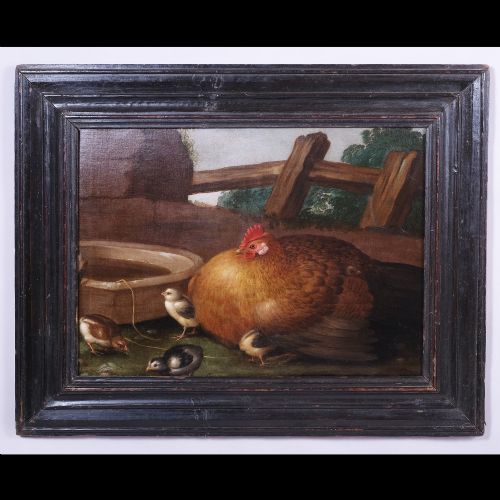
The prevailing styles reflect Georgian, Baroque and Rococo influences, spanning Italian, French, Dutch, German and English traditions. Buyers also encounter landscape studies, farmyard scenes, equestrian works and religious subjects alongside the formal portraiture.
Most pieces date between the late seventeenth century and the mid-eighteenth century, aligning with the reigns and periods recorded in the evidence. Portraits often record specific family lineages, local personages or sitters linked to distinct historical circles.
Materials and Construction
Artists of this era painted primarily with oil on canvas, applying pigments that settled into rich, stable tones over centuries. Drawings and studies on paper utilised ink and graphite, frequently paired with early framing materials including wood and giltwood.
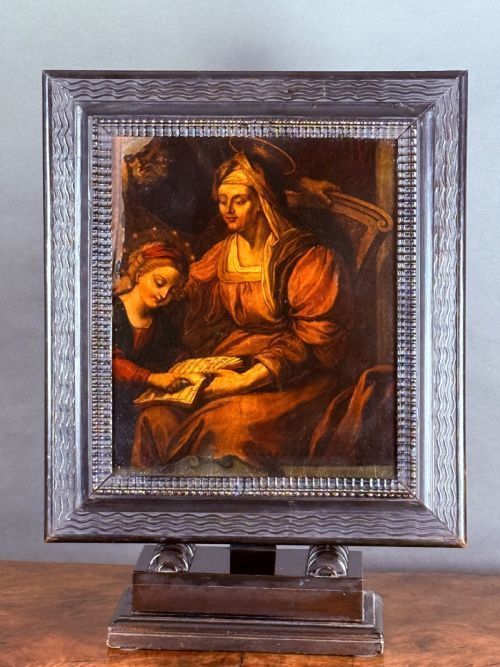
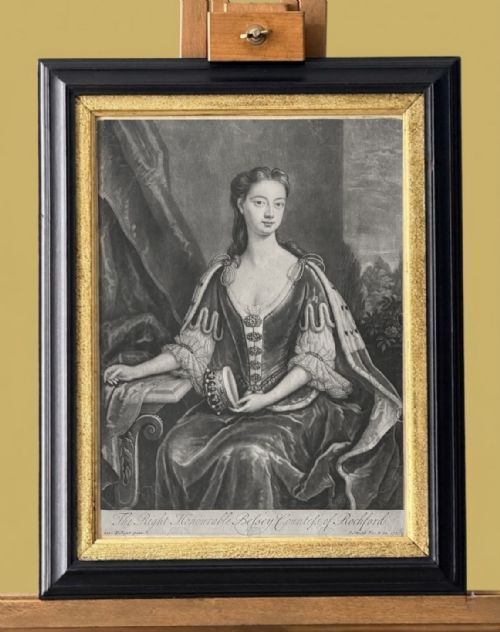
Specialised techniques such as reverse glass painting and mezzotint engraving produced distinct print and glass works. Enamel plaques, such as those from Limoges, combined powdered glass fused to metal substrates under intense heat.
Original frames often incorporate carved wood and gold leaf decoration, matching the aesthetic standards of the Georgian and Baroque periods. Canvas supports show traditional stretching methods utilised by period workshops.
Early 18th Century Artwork Retail Price Guide 2026
Typical asking prices for early 18th century artwork among the pieces listed under this phrase on Sellingantiques today, from the lower quarter to the upper quarter. They describe what is for sale here now, not the wider market.
Listings feature oil paintings, drawings on paper, reverse glass mezzotints and enamel plaques spanning the 17th, 18th and 19th centuries.
Distinctions in Quality
The standard of execution in portraiture depends on the skill of the hand, distinguishing documented masters from regional followers and anonymous school works. Facial modelling, fabric rendering in garments like scarlet jackets or ermine-trimmed cloaks, and hand placement reveal the painter's training.
Material survival affects the standing of a piece, including the stability of the canvas ground, the preservation of the original pigment layers, and the integrity of the ink or paper in drawings. Works retaining their period giltwood frames and legible provenance documentation command greater scholarly interest.
Jean-Baptiste Van Loo·Charles Jervas·Michael Dahl·James Maubert·Peter Tillemans
The Early 18th Century Artwork Glossary
- Oil on Canvas
- Pigment mixed with drying oil applied to a woven fabric support. This combination allowed artists to build rich layers of colour and texture.
- Mezzotint
- A printmaking process where the copper plate is roughened to achieve dark tones and scraped to produce lighter areas. This technique yielded subtle gradations of shadow and light.
- Reverse Glass Painting
- An artwork painted directly onto the back of a glass pane and viewed from the front. This method produced glossy surfaces with intense colour preservation.
- Giltwood
- Wood carved and coated with a thin layer of gold leaf. It formed the decorative housing for fine paintings and mirrors of the period.
- Old Master
- An artist of high skill working in Europe before the nineteenth century. These painters established foundational compositions and techniques studied by later generations.
Early 18th Century Artwork: Frequently Asked Questions
What subjects appear in early 18th century artwork?
Portraits of individuals and family members form the majority of the works, recording gentlemen, ladies and children in formal or natural settings. Landscapes, farmyard views, equestrian studies and religious scenes also feature among the surviving pieces.
Artists drew inspiration from both domestic British sitters and continental European schools, producing varied compositions that reflect the social standing of the subjects.
How do I identify the period of a painting?
Dating relies on costume details, hairstyles, painting techniques and documented attribution to active artists or known regional schools. Portraits frequently record sitters' garments, such as specific coats or cloaks characteristic of the era.
Inscribed names, biographical dates of the subjects, and stylistic traits aligned with Georgian or Baroque traditions help narrow the creation window.
Where were these pieces produced?
Creation spans English workshops in London and provincial centres, alongside Northern European, French and Italian studios. Continental masters contributed religious compositions, classical engravings and school drawings.
Regional schools from countries like Norway, Germany and the Netherlands produced distinct local portraiture and landscape studies that circulated widely.
How should I display framed artwork?
Works on canvas and paper require placement away from direct sunlight and excessive moisture to protect pigments and supports. Maintaining stable room temperatures prevents warping in wooden stretchers and giltwood frames.
Proper wall hanging ensures the canvas weight distributes evenly across original or period-appropriate fixings without straining the structure.