

Georgian Hearth Accessories
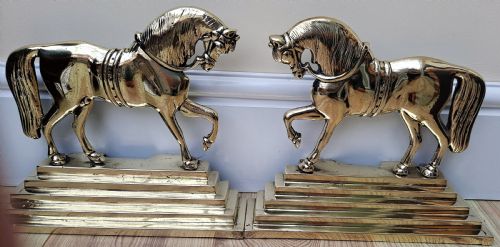
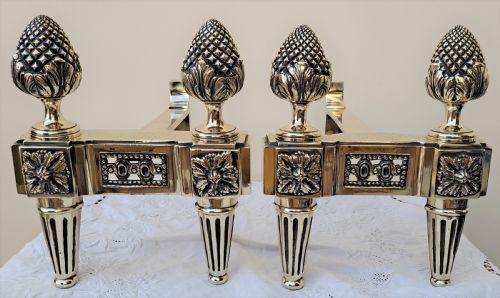
Georgian hearth accessories are the brass, copper, wrought iron, and mahogany pieces that served the domestic fire during the eighteenth and nineteenth centuries.
What Georgian hearth accessories are
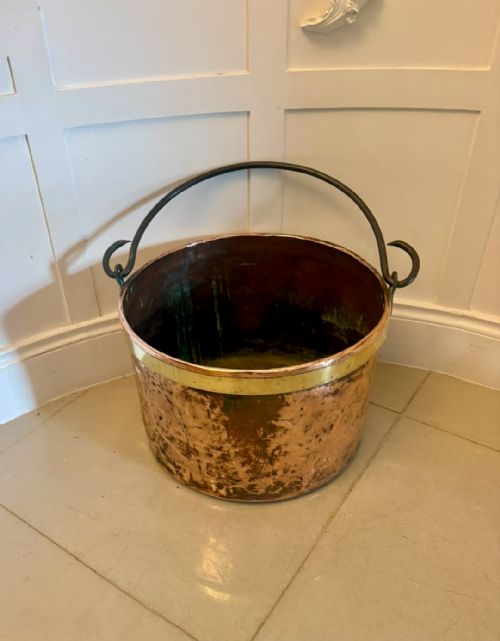
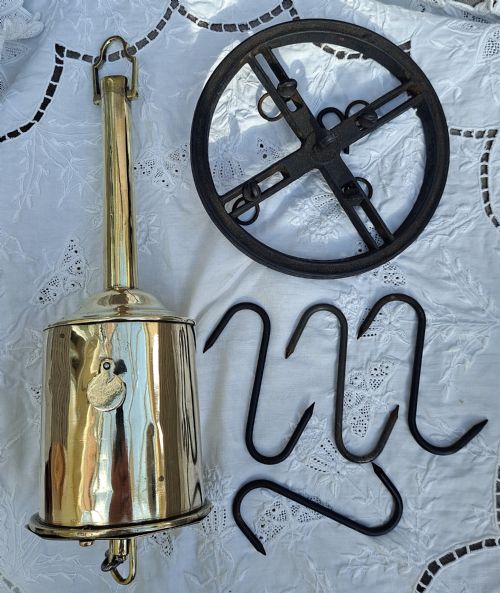
When you search for georgian hearth accessories, you encounter functional items built to manage coal, wood, ash, and warmth in period rooms. These pieces include utilitarian vessels such as fire buckets, log bins, and warming pans alongside domestic conveniences like footmen and fire cats.
The objects span the eighteenth century and the nineteenth century, reflecting the materials and construction methods of those periods. They range from heavy wrought iron and steel ember tongs to polished copper flasks and mahogany plate stands.
How they were made
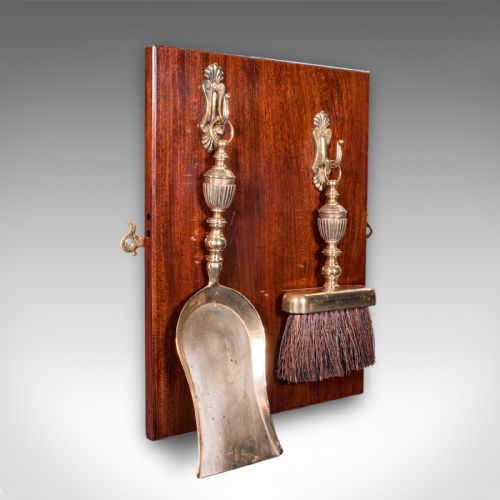
Makers utilised a mixture of metals and timbers, combining brass, copper, steel, and wrought iron with mahogany, oak, and leather. Metal items often incorporate hand-beaten surfaces, structural joining, and metal rivets.
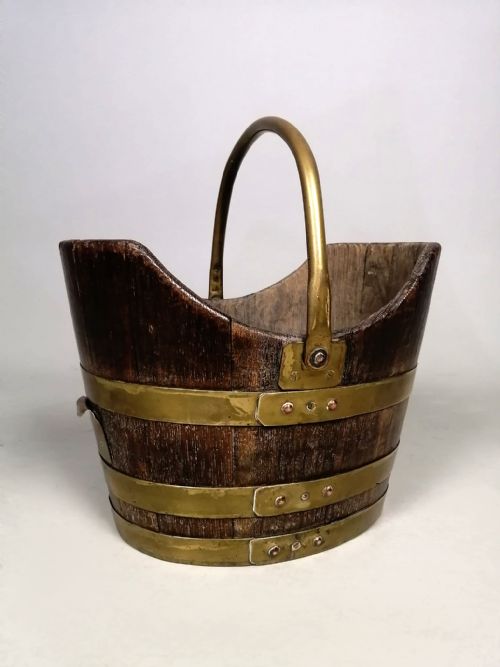
Wooden items demonstrate traditional cabinet-making techniques, utilising turned mahogany and oak components. Leather fire buckets combine stiffened hides with structural stitching and metal fittings to hold weight.
Retail Price Guide 2026
Typical UK retail prices for georgian hearth accessories, calculated from the Sellingantiques database of over a million retail prices indexed since 2003. This retail price guide relies exclusively on Sellingantiques data; no external sources or auction records are used, so the figures do not describe the wider market.
Fire cats earned their name because they sat quietly by the fire with four legs touching the ground, just like a resting pet.
What varies in quality
Quality rests in the material thickness and the integrity of the original construction, such as the snugness of metal rivets and the strength of wooden joints. Simpler utilitarian items show direct, sturdy forging, whereas domestic stands display refined turning and joinery.
Surface patination distinguishes pieces that have retained their original character from those altered by modern intervention. The best examples show honest wear across copper, brass, and timber without masking their period origins.
The Georgian Hearth Accessories Glossary
- Fire cat
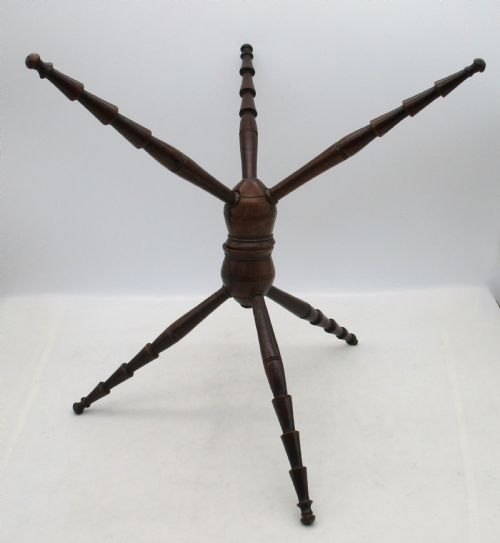
- A small wooden or metal stand, often in mahogany, designed to support a kettle or plate near the fire. These are also known as cat stands.
- Warming flask
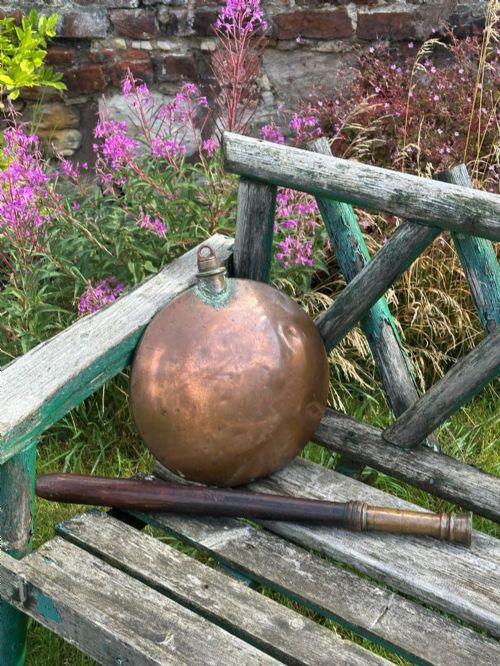
- A container filled with hot materials to warm beds or rooms, often shaped like a moon and fitted with a detachable wooden handle.
- Ember tongs
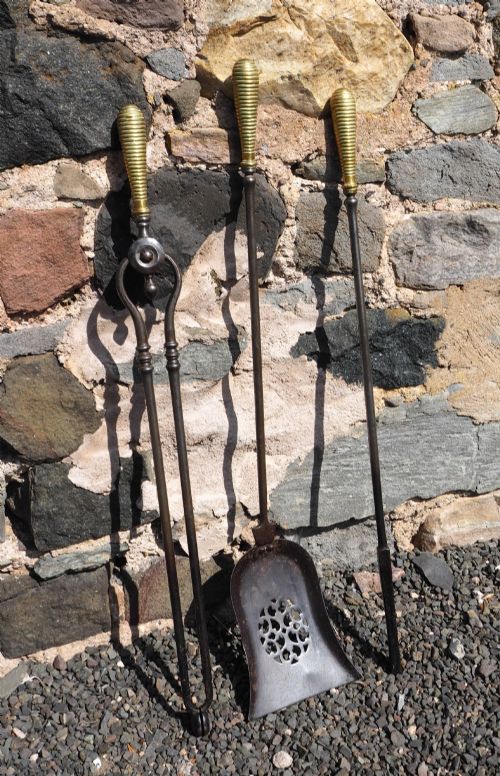
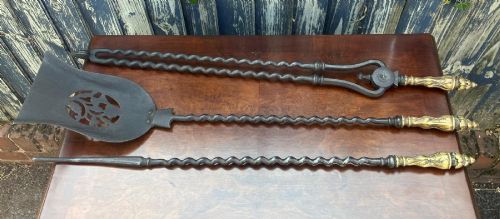
- Long metal tools used for grasping and moving glowing coals or lighting pipes. They combine steel construction with functional pivoting joints.
Frequently Asked Questions
What is a fire cat used for?
A fire cat is a small stand placed near the hearth to hold a kettle, dish, or plate close to the heat. These stands feature turned timber such as mahogany and stable support designs.
They served as versatile movable furniture around the eighteenth-century fireplace before built-in kitchen ranges became standard.
How do I identify a footman?
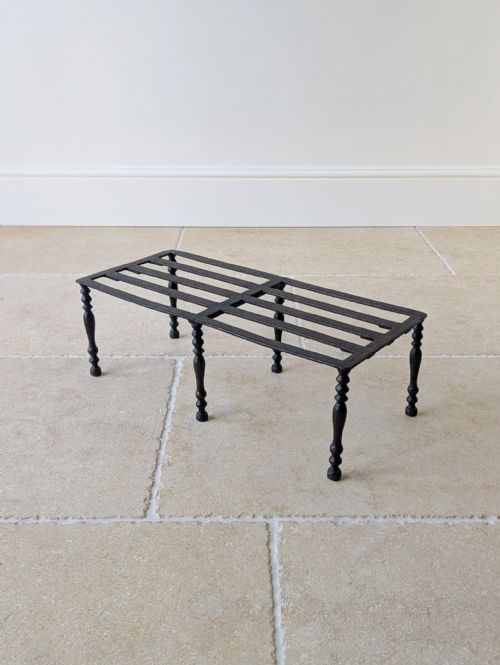
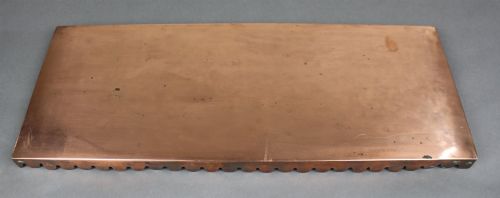
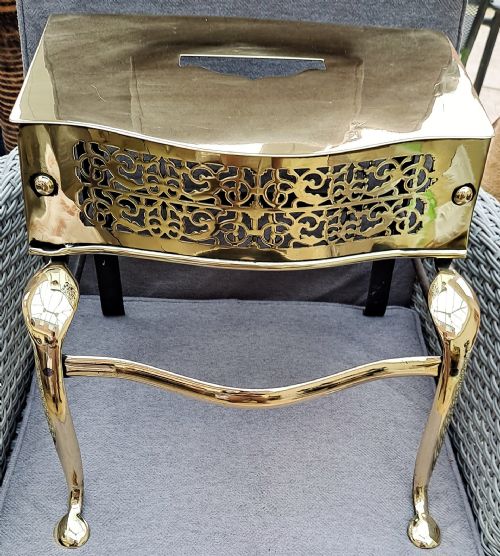
A footman is a low metal stand with a polished brass top and steel or iron legs, designed to sit directly before the hearth. They held kettles and dishes to keep food warm during meals.
Their construction relies on durable metals that could withstand direct heat and heavy daily use in period kitchens and living spaces.
What are warming flasks made from?
Warming flasks from the Georgian period are typically constructed from copper with fitted wooden handles made of oak. The metal body held heat while the detachable handle allowed safe handling.
These flasks often feature unusual moon shapes designed to fit comfortably beneath bedcovers or against cold surfaces.
How were leather fire buckets used?
Leather fire buckets were kept in homes and public buildings to transport water quickly during a chimney fire or room blaze. They were built with stiffened leather and secured with metal rivets for durability.
Their robust construction allowed them to handle heavy loads of water while remaining light enough to pass along a line.
What metals are common in hearth accessories?
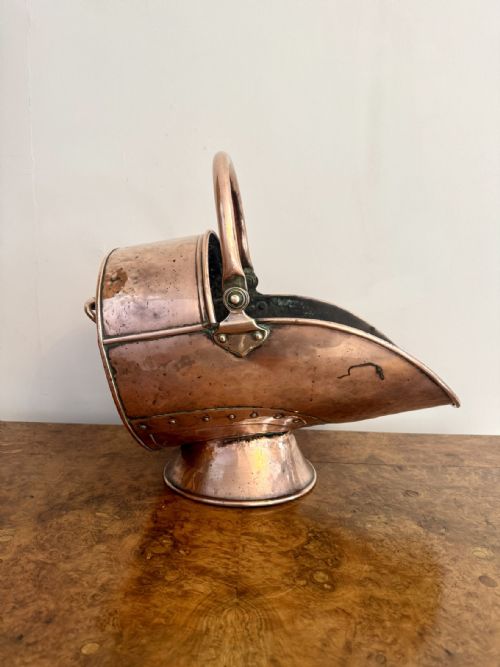
Common metals include brass, copper, steel, and wrought iron, each chosen for specific tasks around the fire. Brass and copper provided polished surfaces that reflected light and resisted corrosion.
Steel and wrought iron provided strength for tools like ember tongs, footman legs, and structural frames that required heat resistance and durability.