
Georgian Copper Vessel
A georgian copper vessel brings warmth and honest utility to a room, built from enduring metal to hold water, coffee or logs.
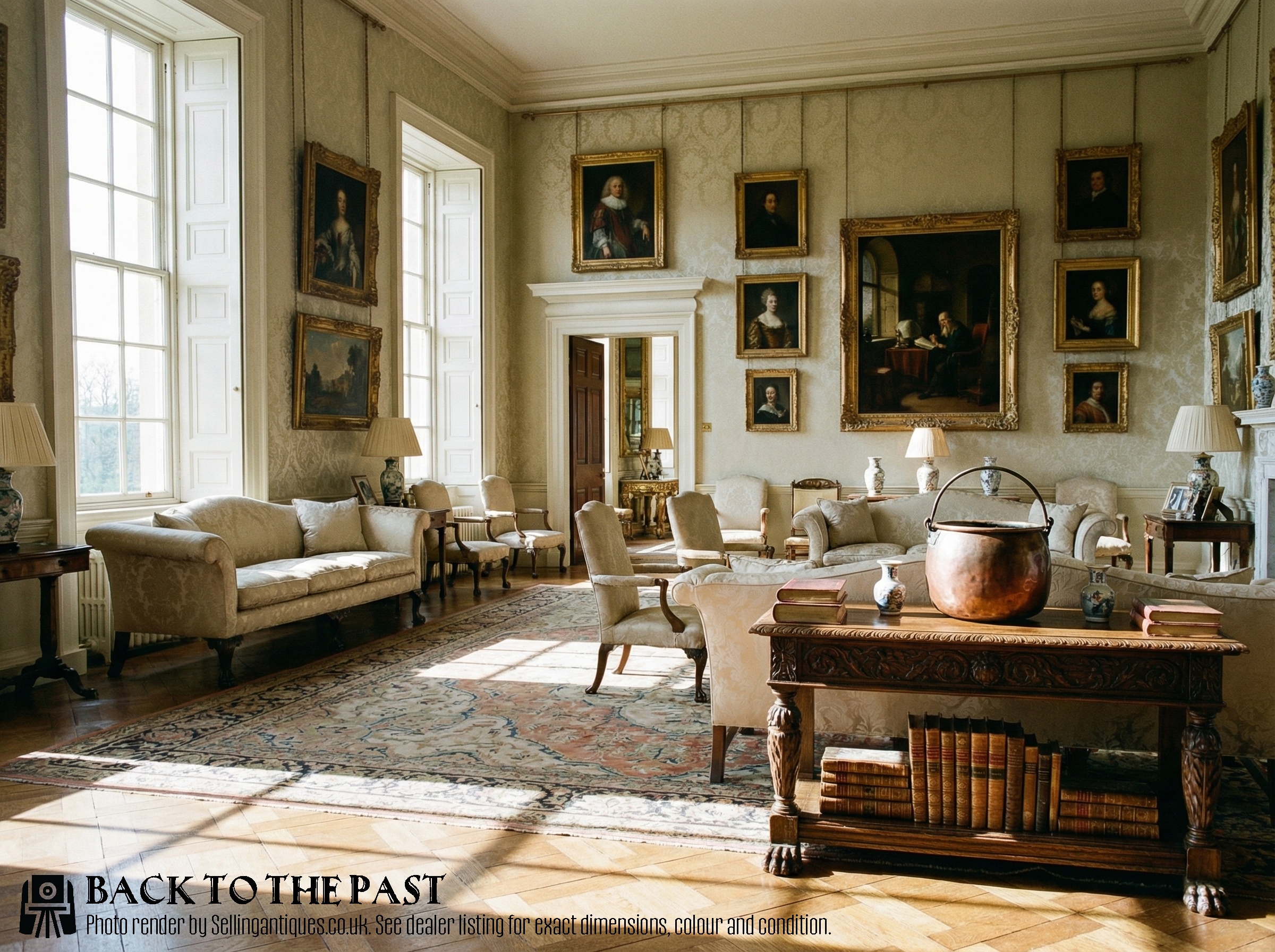
Georgian Copper Vessel
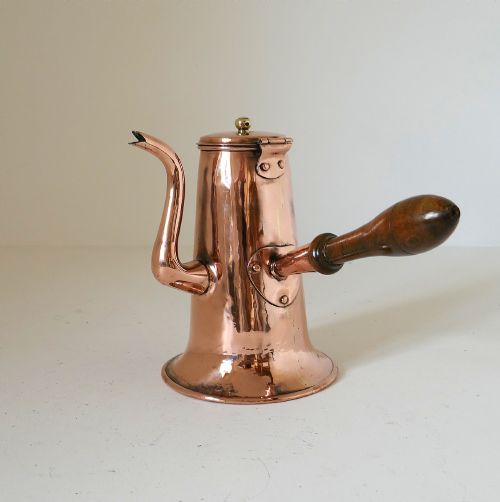
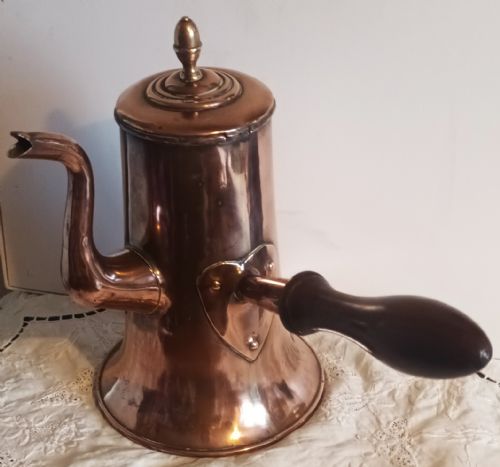
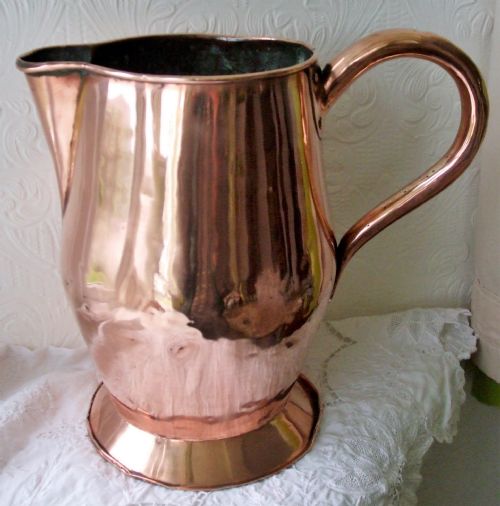
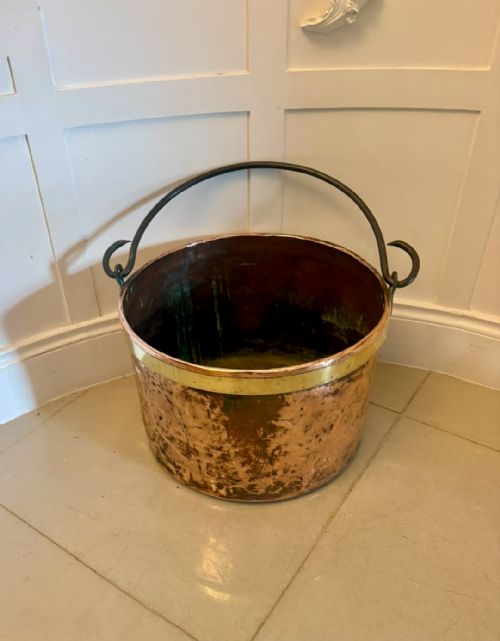
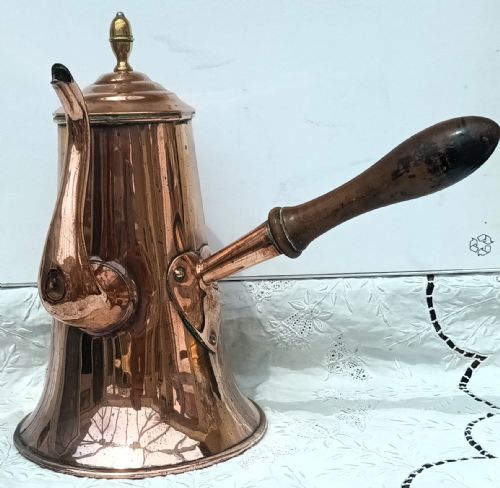
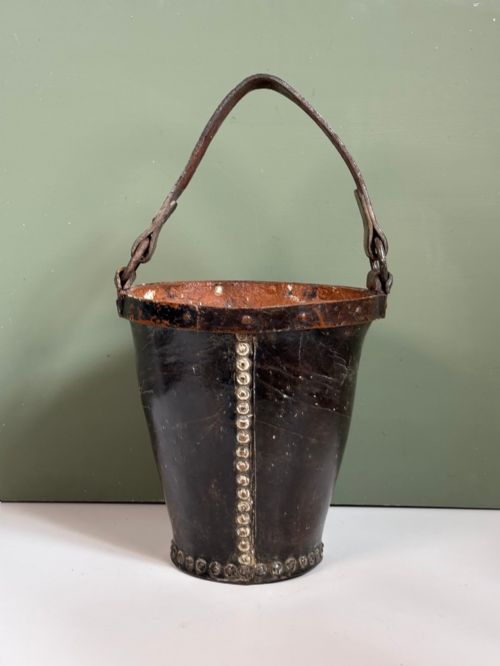
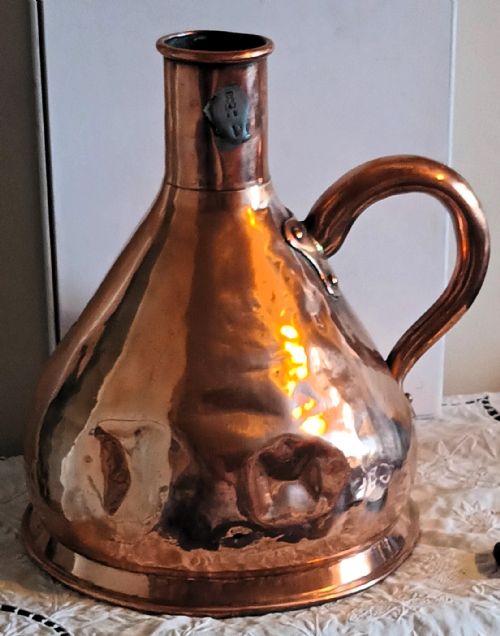
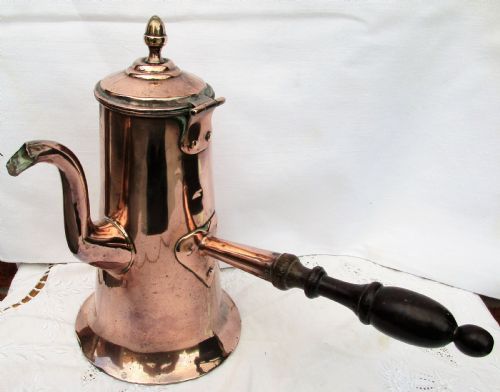
A georgian copper vessel encompasses practical domestic items utilised across the eighteenth and nineteenth centuries for hearth and kitchen. The selection spans sturdy cookware, coffee pots, large jugs, kettles, and substantial log bins designed for fireside storage.
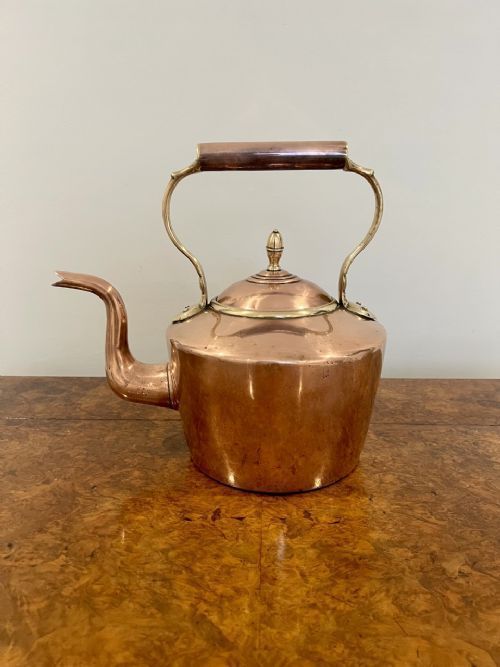
Kettles and coffee pots appear frequently, often shaped with side handles or spouts for daily service. Larger storage forms such as cauldrons, coal buckets and samovars demonstrate the heavier metalwork required for holding liquids or fuel in period interiors.
How they were made
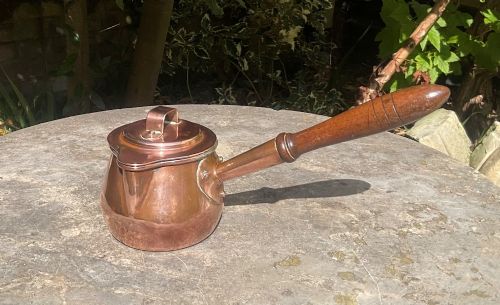
Makers shaped heavy sheet copper by hand, joining seams with physical rivets or tight folds before finishing the edges with brass or iron reinforcement. Handles frequently incorporate turned oak, iron straps or complementary brass fixtures to aid lifting.
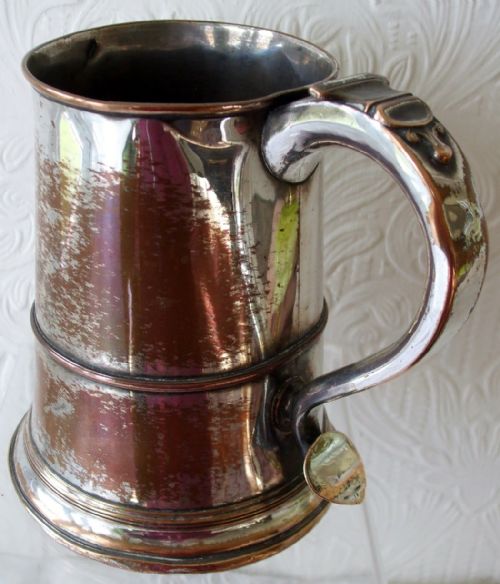
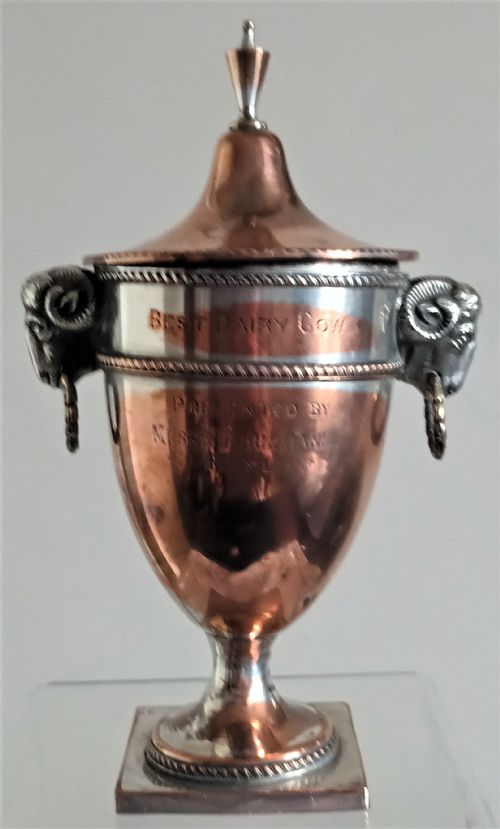
Secondary metals appear alongside the primary copper, including brass, wrought iron, tin linings, and occasional old Sheffield plate or nickel plating. These additions provided durability and protection against heat and corrosion during regular use.
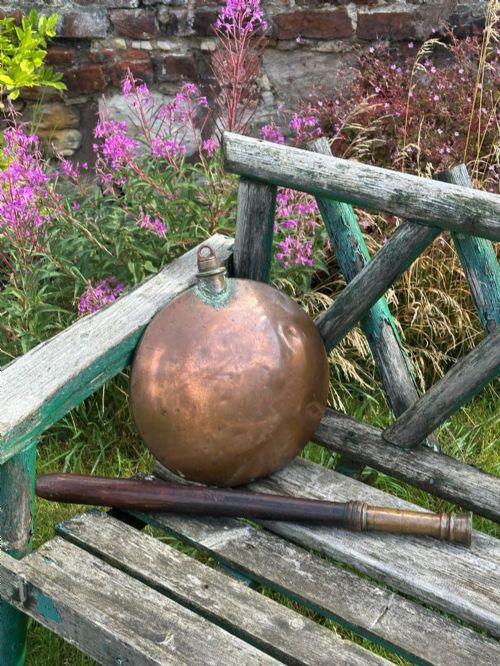
One surviving moon-shaped warming flask comes fitted with a detachable oak handle for warming chilly sheets.
What varies in quality
Quality rests upon the weight of the metal and the precision of the construction. Heavier sheets of copper and smoothly rounded riveted seams indicate sturdier utilitarian objects made for demanding domestic service rather than light decorative duty.
Proportion and surface finish distinguish finer pieces, such as vessels with well-balanced spouts, balanced side handles, and integrated oak furniture. The integrity of the original metal surface, showing natural patination from age, holds more appeal than excessive cleaning.
William Soutter And Sons·Richard Morton
The Georgian Copper Vessel Glossary
- Old Sheffield Plate
- A composite material made by fusing a thin sheet of silver to a thicker copper base, common in eighteenth-century tableware.
- Samovar
- A heated metal container traditionally utilised to boil and heat water for tea.
- Log Bin
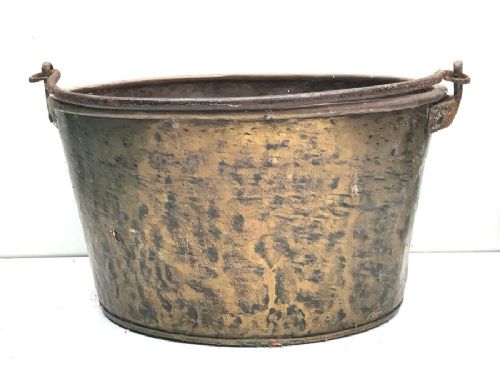
- A large fireside container designed to hold firewood, often constructed from heavy riveted copper with swing handles.
- Brandy Warmer
- A small specialised pot featuring a long handle, utilised for heating spirits over a flame.
- Cream Setting Pan
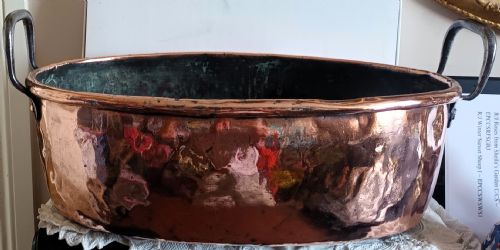
- A wide, shallow vessel used in dairies to allow cream to rise to the surface of milk.
Georgian Copper Vessel: Frequently Asked Questions
How were georgian copper vessels used daily?
These vessels served practical domestic roles across the kitchen and hearth, including heating water for tea, brewing coffee, and boiling liquids for cooking.
Larger forms functioned near the fireplace as coal buckets, log bins, or massive water urns, carrying heavy loads of fuel and water.
Can I use an antique copper pot for cooking?
Many surviving pots and kettles retain interior linings of tin, though historical wear means modern culinary use requires professional inspection and retinning.
Most collectors choose to display these pieces as decorative items or fireside storage rather than risking damage to fragile antique metalwork.
How do I clean old copper safely?
Gentle washing with warm soapy water preserves the historic dark patination that collectors prize on eighteenth and nineteenth-century surfaces.
Abrasive metal polishes strip away the aged skin and remove the subtle evidence of hand-beating accumulated over centuries.
How do I distinguish georgian pieces from later copies?
Look for construction details such as hand-cut dovetail seams, heavy overlapping rivets, and hand-beaten hammer marks rather than uniform modern machine rolling.
Materials like wrought iron handles and old Sheffield plate details further anchor pieces firmly within the eighteenth and early nineteenth centuries.