


Georgian Hanging Mirror
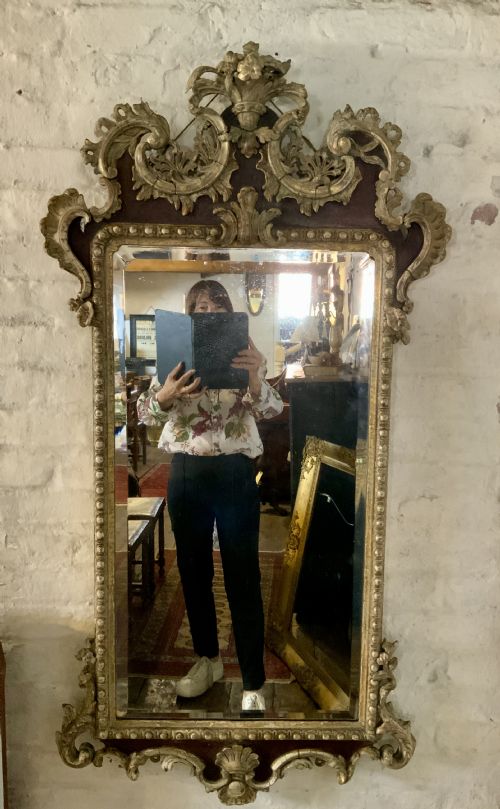
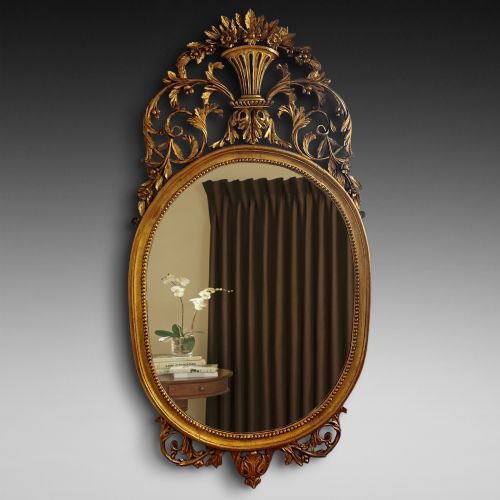
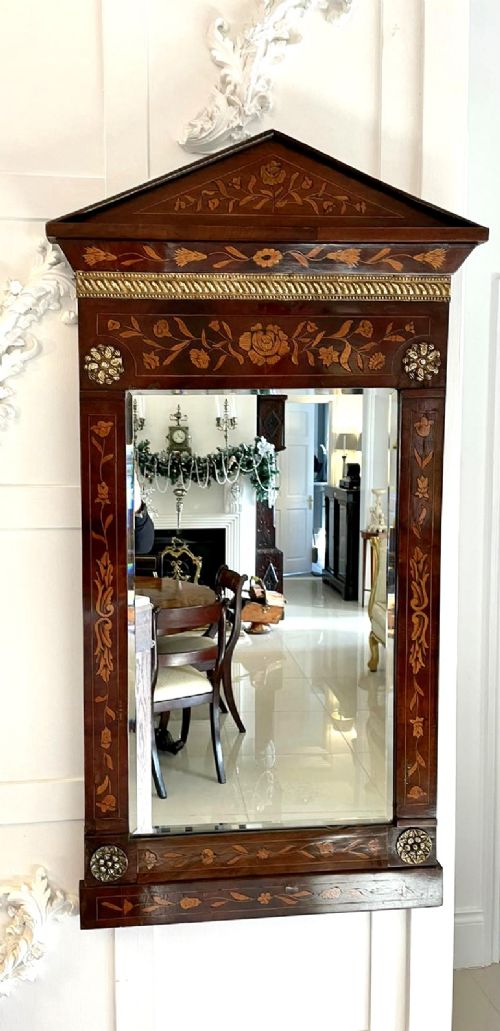
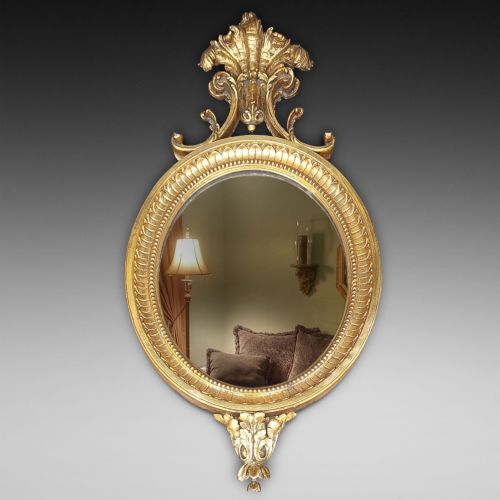
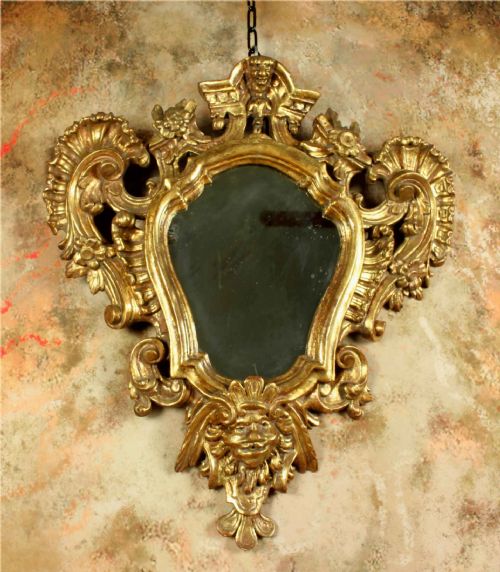
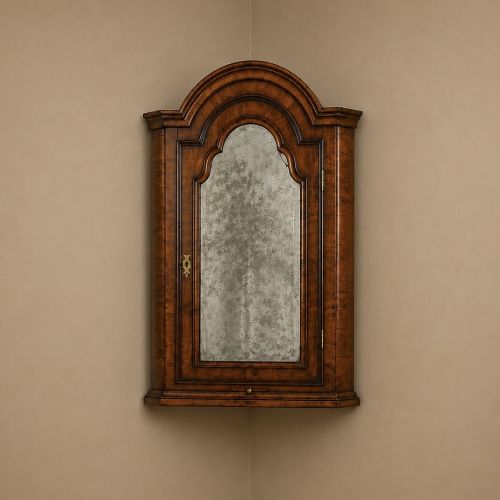
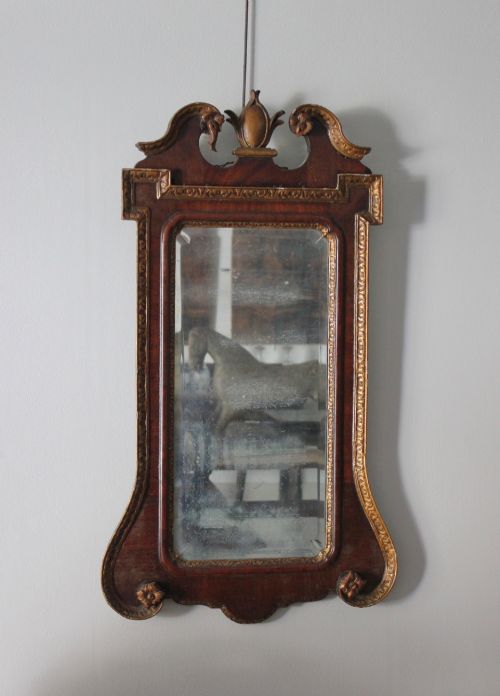
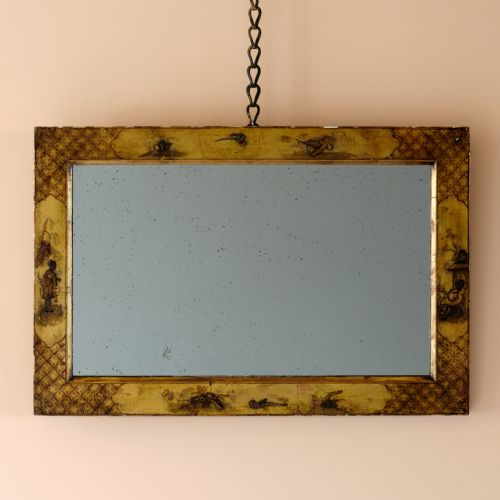
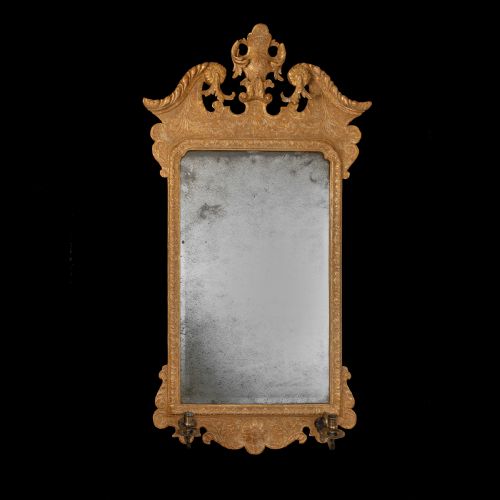
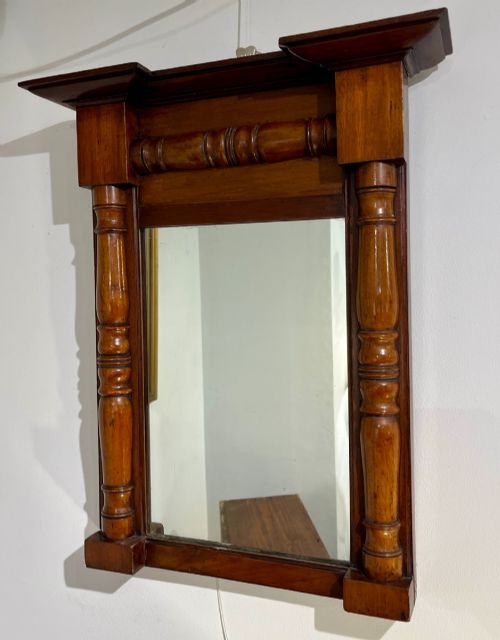
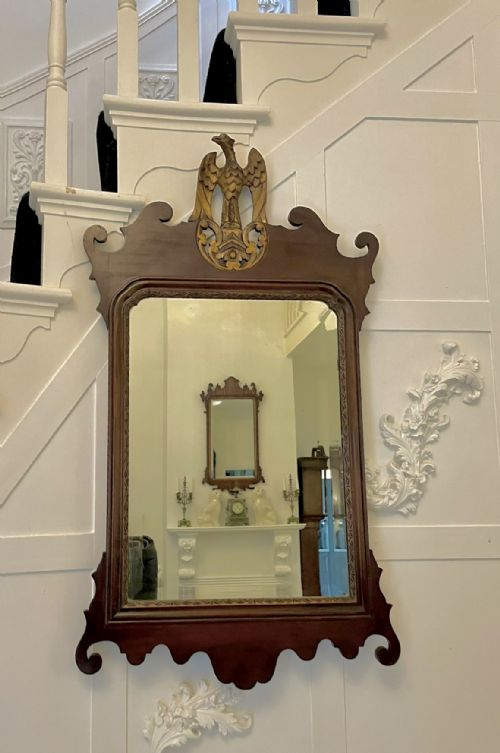
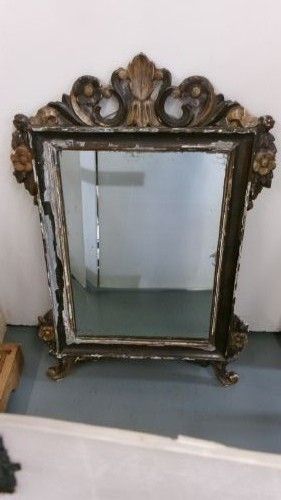
A georgian hanging mirror brings reflective depth and carved elegance to a room, offering period character through walnut, mahogany, and giltwood.
Georgian Hanging Mirror
A georgian hanging mirror encompasses wall-mounted looking glasses spanning the eighteenth century alongside later revival interpretations in mahogany, walnut, and giltwood.
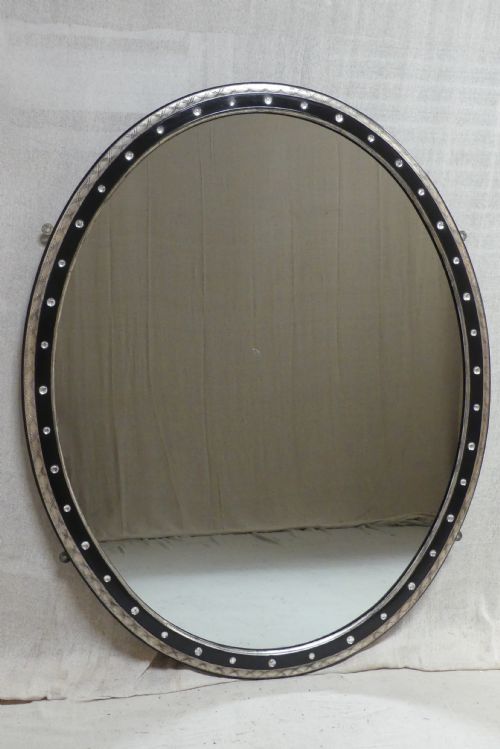
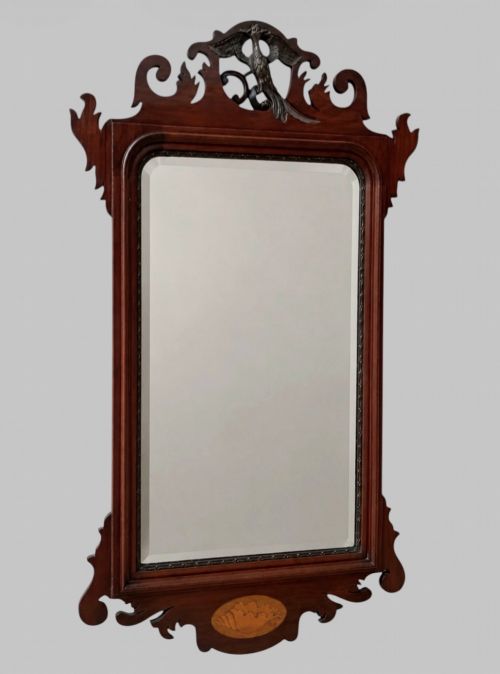
Buyers frequently encounter rectangular fretwork designs, architectural pier mirrors, and carved oval frames originating from the Georgian, Regency, and Queen Anne periods.
The selection ranges from early walnut framed pieces with original plates to substantial nineteenth and twentieth century revival examples styled after Chippendale and Adam.
Materials and Construction
Frames are constructed from cabinet timbers such as mahogany and walnut, frequently combined with carved giltwood and delicate gesso details.
Early examples utilise mercury plates set within timber backboards, whilst fret-cut outlines and parcel gilding define the decorative aesthetic of the period.
Georgian Hanging Mirror Retail Price Guide 2026
Typical asking prices for georgian hanging mirror among the pieces listed under this phrase on Sellingantiques today, from the lower quarter to the upper quarter. They describe what is for sale here now, not the wider market.
Several mirrors include clever candle slides designed to bounce flickering candlelight around dimly lit historic rooms.
Judging Quality
The distinction between tiers rests upon the crispness of the carved ornament, the depth of the fretwork, and the retention of original mercury glass plates.
Proportion and timber selection dictate merit, where richly figured burr walnut or finely grained mahogany elevates a piece above standard production.
The Georgian Hanging Mirror Glossary
- Giltwood
- Timber carved and coated with gold leaf. This finish defines many decorative wall mirrors from the eighteenth century onwards.
- Fretwork
- Openwork ornamentation cut with a fretsaw. It appears on the flat frames of mahogany and walnut wall mirrors.
- Mercury plate
- Early glass backed with a tin and mercury amalgam. It produces a distinctive mottled reflection seen on older mirrors.
- Parcel gilt
- Partial gilding applied to specific carved details on a wooden surface. It highlights architectural elements against a dark timber ground.
- Pier glass
- A tall mirror designed to hang on the wall space between windows. These often match console tables or lower ledges.
Georgian Hanging Mirror: Frequently Asked Questions
How do I hang a heavy antique mirror safely?
Heavy wall mirrors require secure fixings screwed directly into structural wall studs or masonry using appropriate wall plugs.
Professional mirror plates or substantial weight-bearing brackets distributed across the frame ensure the piece remains stable.
What is original mercury glass?
Mercury glass refers to early looking glass made using a tin and mercury backing technique before modern silvering processes were invented.
This historic glass often displays soft foxing, dark spots, and a warm, uneven reflection that distinguishes period pieces.
Are revival mirrors considered authentic antiques?
Revival pieces date from later periods, such as the Victorian or Edwardian eras, when makers faithfully copied earlier eighteenth-century designs.
While not made in the Georgian period, these quality revival mirrors possess their own age and craftsmanship value.
How do I clean an antique mirror frame?
Dust giltwood and carved wooden frames gently with a soft, dry brush to prevent damage to fragile gesso and delicate leaf finishes.
Avoid liquid cleaners entirely near the timber and frame edges to protect the historic surface from moisture.