




Antique Fretwork Frame
An antique fretwork frame brings crisp pierced woodwork and classical lines to a wall, offering the proportion and grain that collectors value.
Antique Fretwork Frame
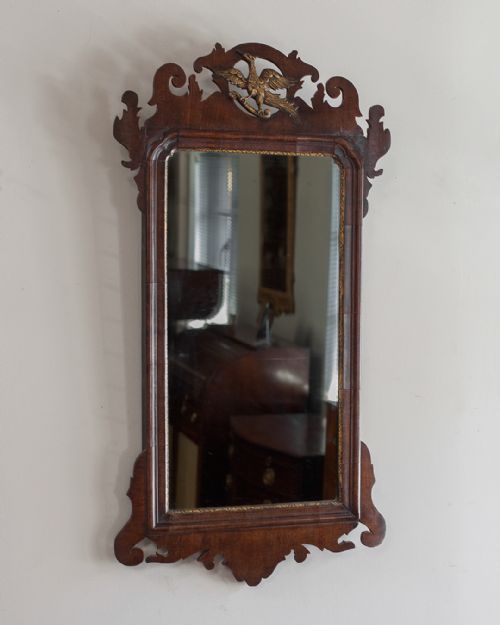
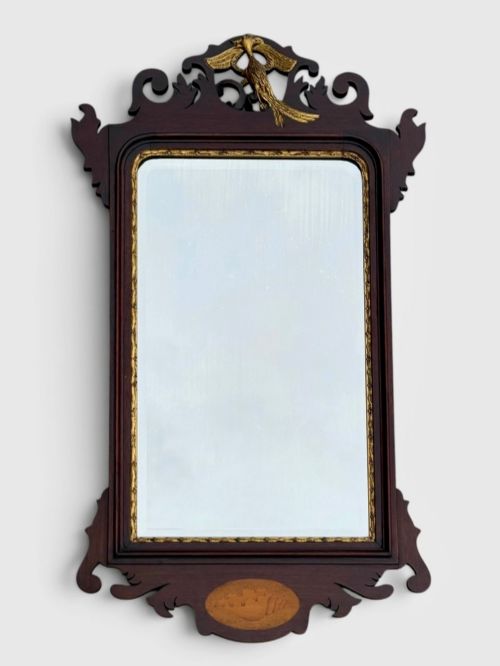
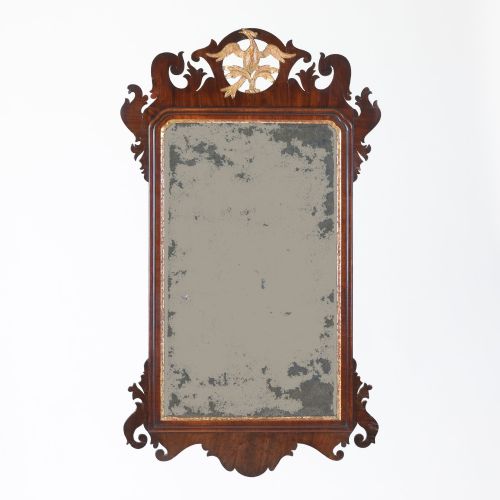
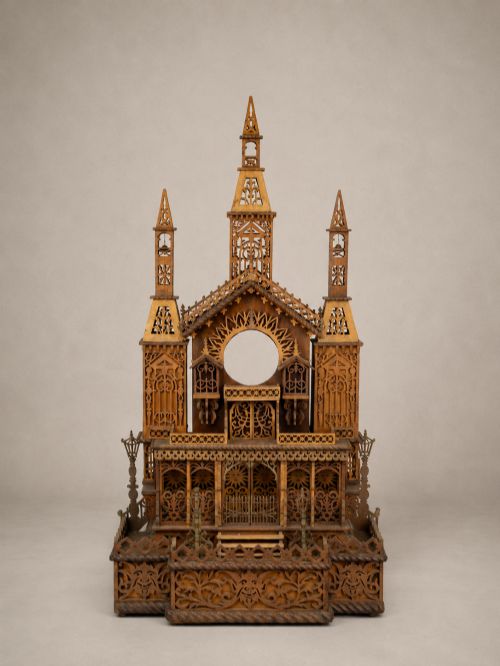
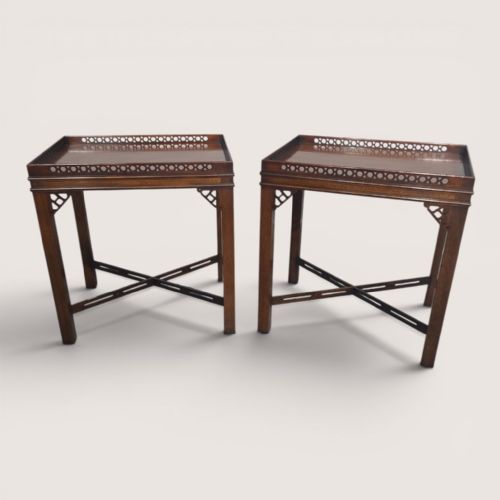
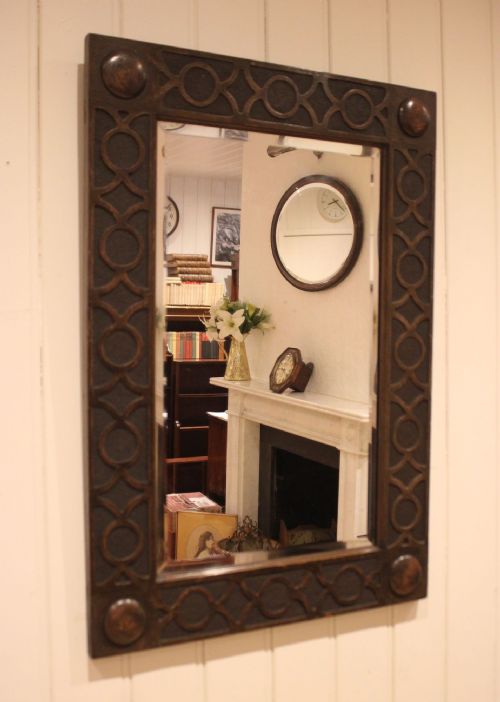
When you search for an antique fretwork frame, you encounter wall mirrors and clock cases defined by pierced wooden outlines and symmetrical scrollwork. The examples you meet on this page span the Georgian period, the Victorian era, and later revivals such as Edwardian and 1920s interpretations.
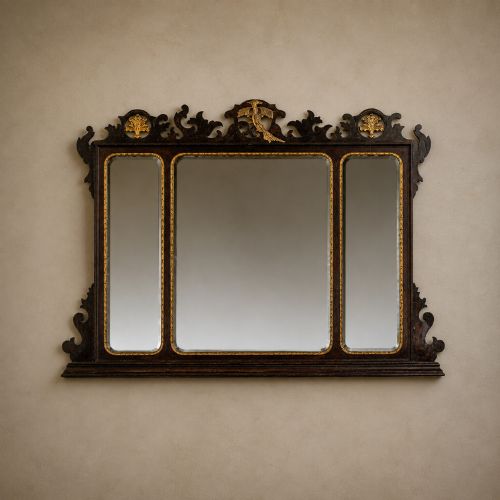
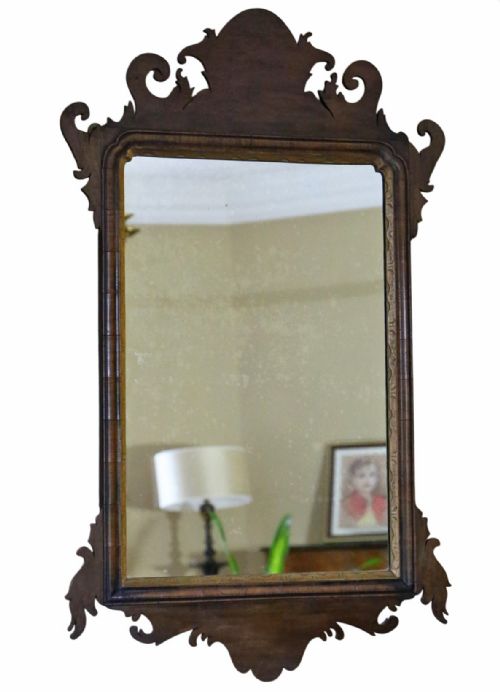
The most common form is the wall mirror, often featuring the distinctive fret-cut silhouette associated with Chippendale designs and George II styles. These pieces range from compact vanity mirrors to large overmantel mirrors hung above fireplaces.
Origins stretch from the eighteenth century through nineteenth-century revivals into the early twentieth century. Walnut and mahogany predominate, frequently paired with giltwood accents, parcel gilding, and occasionally inlaid brass or lighter wood details.
Materials and construction
Cabinetmakers utilised dense timbers such as mahogany and walnut, which held sharp edges during intricate piercing and jigsaw work. Veneers were often applied to backing boards to create figured grain patterns across the flat surfaces of the frame.
Many frames incorporate carved crestings, such as the gilded Ho-Ho bird, joined to the main body through traditional woodworking joints. Giltwood highlights and gold leaf were applied to carved mouldings and ears to catch ambient light.
Listings feature periods from the 18th century through Georgian, Victorian, and Edwardian eras up to the 1920s.
Assessing quality and craftsmanship
Quality rests in the crispness of the fret-cutting and the depth of the pierced work. Finer frames show precise internal corners and delicate scrollwork without splintered grain or clumsy repairs to the delicate pierced margins.
The choice of timber also dictates the standard of the piece, with richly figured burr walnut or dense, dark mahogany indicating superior material selection. Original glass plates, particularly Vauxhall plates with bevelled edges, elevate the status of a mirror frame.
The Antique Fretwork Frame Glossary
- Fretwork
- Pierced decorative woodwork created by cutting patterns through thin boards. This technique defines the silhouette of the frame.
- Ho-Ho bird
- A stylized Chinese phoenix motif frequently carved onto the cresting of eighteenth-century and revival mirrors. It adds height and ornamental detail to the top of the frame.
- Giltwood
- Wood that has been coated with gold leaf or gesso and gold paint. It provides a reflective contrast to dark mahogany or walnut.
- Vauxhall mirror
- A mirror plate featuring a bevelled edge, traditionally produced at the Vauxhall glasshouse near London. These plates often show slight age-related foxing.
- Chippendale style
- A furniture style drawing from the designs of Thomas Chippendale, characterised by flowing rococo curves and fret-cut ornamentation. It heavily influences Georgian and later revival frames.
Antique Fretwork Frame: Frequently Asked Questions
What is a fretwork frame?
A fretwork frame is a wooden border shaped by piercing intricate patterns through the timber using a saw. These frames are primarily found on wall mirrors and clock cases.
They emerged strongly during the Georgian period and saw revivals in Victorian and Edwardian workshops.
How do I date a fretwork mirror?
Dating involves examining the wood species, the construction of the backing boards, and the style of the fret-cutting. Eighteenth-century examples display hand-cut precision and specific timber ageing.
Later revival pieces from the Victorian era or the 1920s often use different backing methods and machine-assisted joinery.
Where should I hang these frames?
These pieces suit reception halls, morning rooms, and bedrooms where their reflective glass and pierced wood draw the eye. Overmantel versions sit naturally above fireplaces.
Ensure the wall fixings support the weight of the timber and glass assembly safely.
What woods were used?
Cabinetmakers relied on mahogany and walnut as the primary timbers for their stability and grain. Burr walnut and oak also appear across various periods.
Giltwood and brass inlay frequently supplement the main wooden structure.