
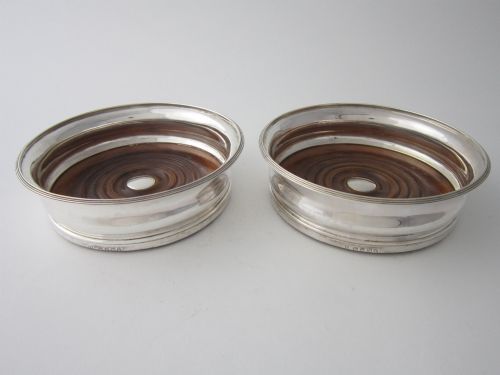
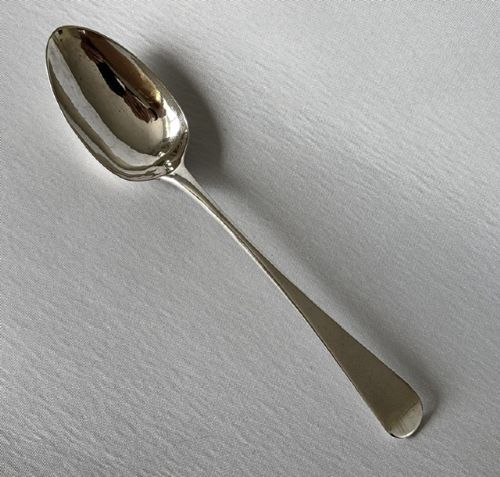
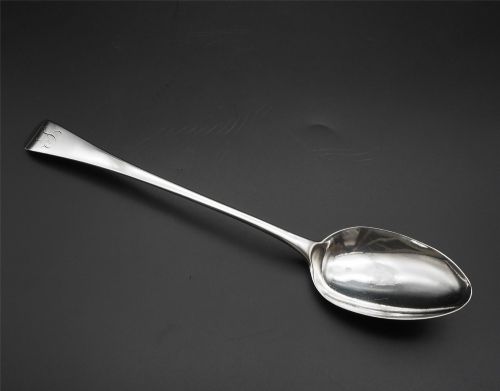
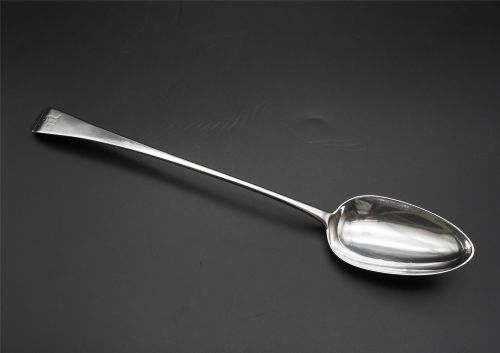
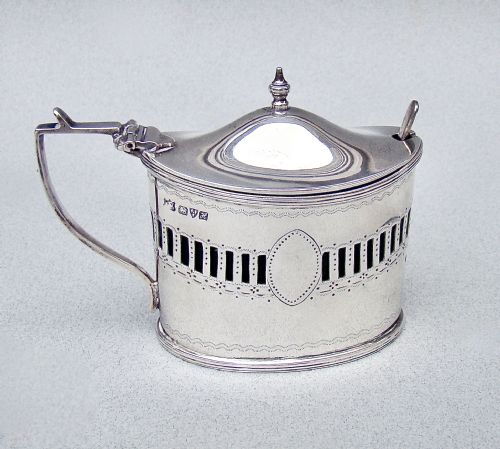
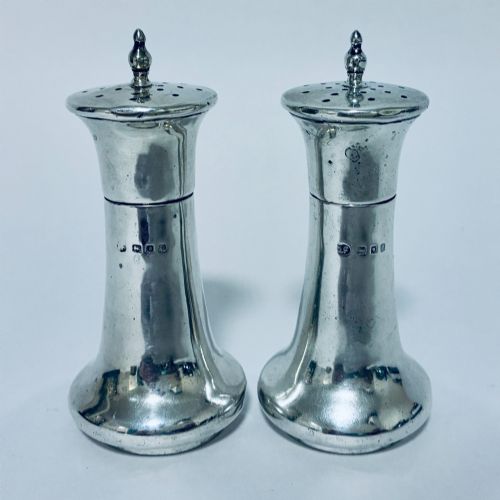
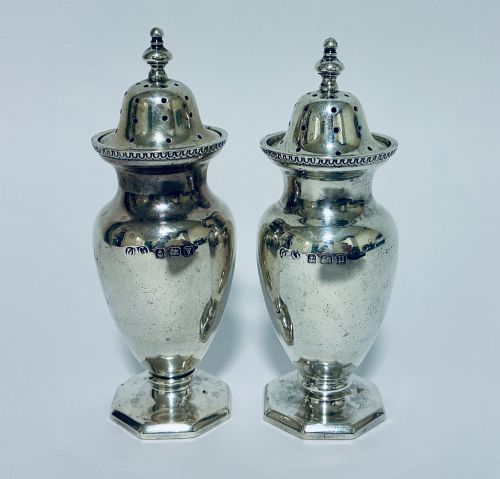
Georgian Hallmarked Silver
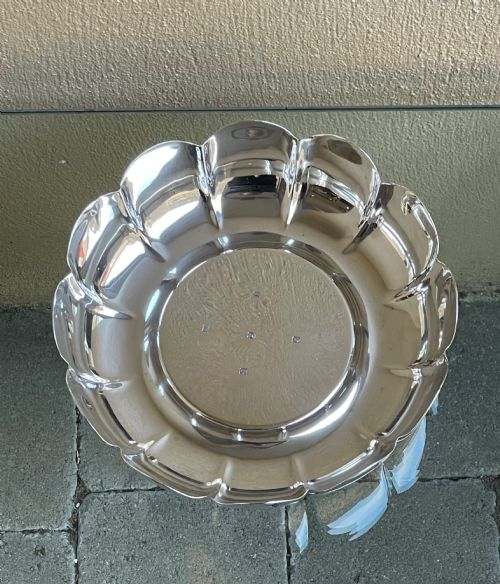
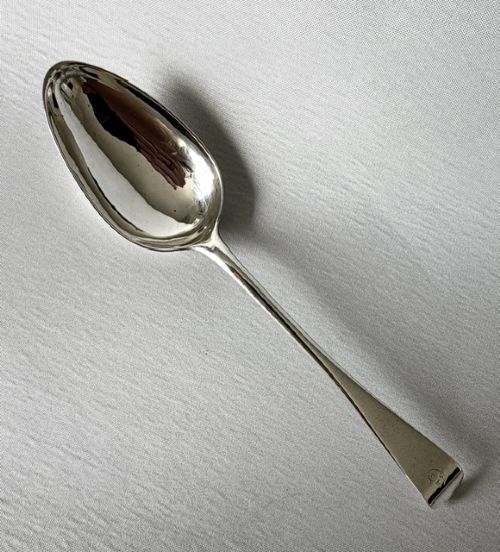
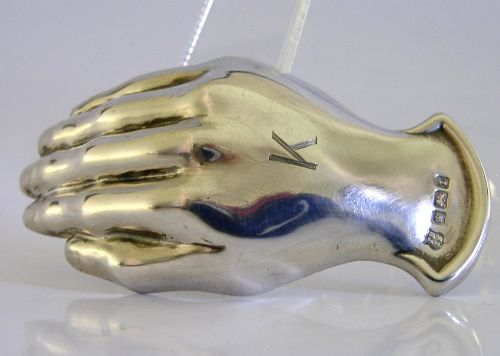
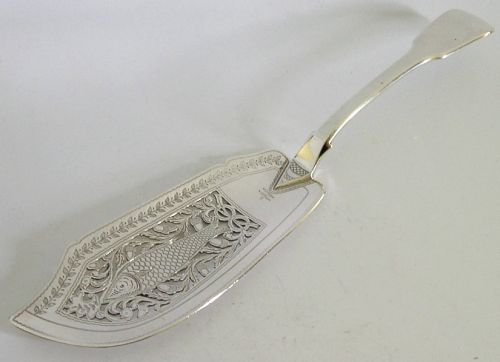
Georgian hallmarked silver encompasses functional table items and small accessories bearing official assay office stamps from the period and related revivals.
Georgian Hallmarked Silver
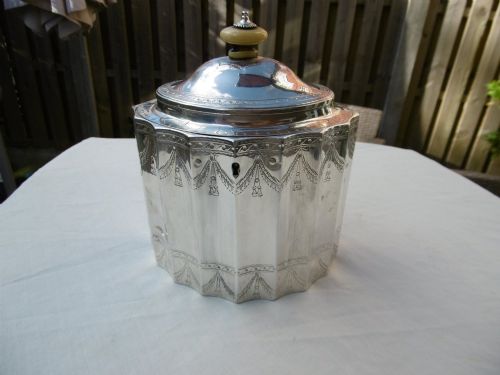
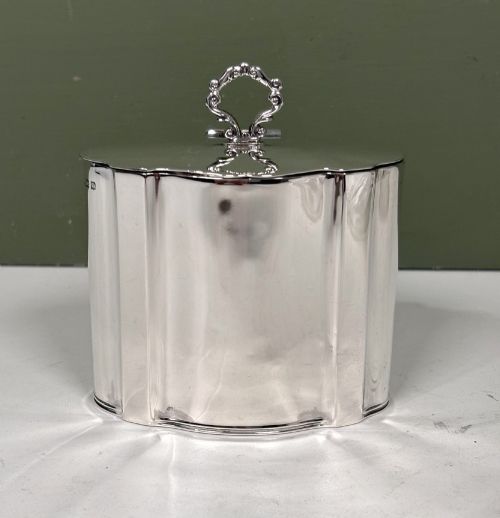
When searching for georgian hallmarked silver, buyers encounter a diverse selection of dining and dressing accessories spanning cutlery, tea caddies, sauce boats, and wine labels.
The objects originate predominantly from the Georgian era alongside later 20th-century Georgian Revival interpretations produced in major British assay towns.
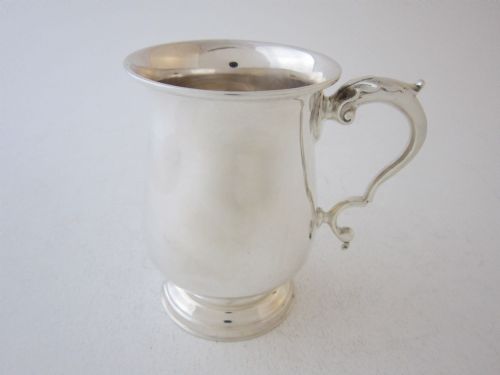
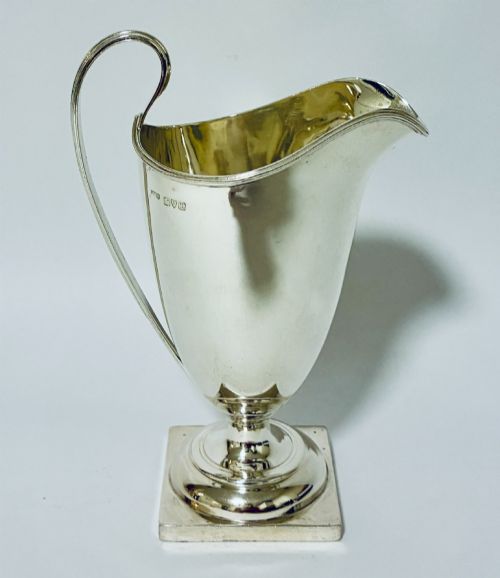
Practical vessels such as cream jugs, tankards, salvers, and salt cellars form the core of the items seen within these collections.
Materials and construction
Silversmiths utilised sterling silver and solid silver components, occasionally combining the metal with glass, bone, wood, or velvet liners.
Items were shaped through hammering, casting, and wirework techniques, often finished with crisp bright-cut engraving or partial silver-gilt plating.
Assessing craftsmanship
Superior examples display crisp, legible hallmarks alongside well-preserved surface engraving that retains its original sharpness.
Construction weight and the balance of handles, feet, and hinged lids differentiate robust utilitarian pieces from lighter items.
Peter and Jonathan Bateman·Samuel Pemberton·Robert Hennell·Cornelius Bland·Solomon Hougham·William Burwash
The Georgian Hallmarked Silver Glossary
- Hallmark
- Official stamps struck into precious metals to guarantee standard, origin year, and maker identity. These marks serve as the primary tool for dating British silver.
- Vinaigrette
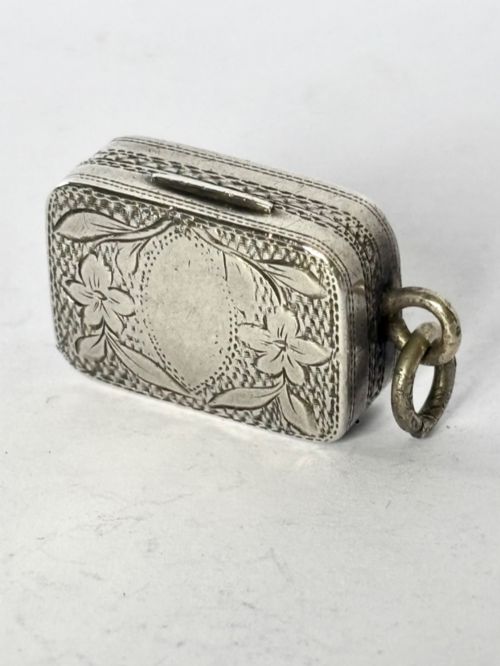
- A small decorative box containing a perforated internal grille soaked in aromatic vinegar. These pocket accessories date largely to the late 18th and early 19th centuries.
- Berry spoon
- A tablespoon or serving spoon retrofitted with chased and engraved fruit motifs during the Victorian period. The original Georgian bowls received this ornate decoration decades later.
- Decanter label
- A small silver tag hung by a chain around the neck of a bottle to identify the contents. Examples often name specific wines like Madeira or port.
- Salver
- A flat serving tray raised on small feet or brackets. These pieces range from plain circles to heavily cast, scroll-bordered display platters.
Georgian Hallmarked Silver: Frequently Asked Questions
What are these silver items?
These pieces comprise functional tableware, cutlery, and personal accessories manufactured from solid silver and sterling silver.
Many bear traditional assay office marks indicating British manufacture during the 18th, 19th, or early 20th centuries.
How do I date silver hallmarks?
Assay office marks include a leopard's head for London or a crown for Sheffield, alongside a specific letter code representing the year of testing.
Makers' initials and standard marks for sterling purity accompany these symbols to establish the exact production period.
How were tea caddies used?
Tea caddies stored precious loose leaves in locked containers to protect them from moisture and theft in Georgian households.
Many featured internal compartments and matched neatly with specialised caddy spoons for portioning.
How do I clean antique silver?
Gentle washing with warm water and mild soap removes daily grime without harming the historic metal surface.
Harsh abrasive dips strip away desirable patination accumulated over centuries of careful ownership.