




Old Sheffield Plate Coffee Pot
An old sheffield plate coffee pot brings a warm, genuine Georgian lustre to the room through its fused silver and copper construction.
Old Sheffield Plate Coffee Pot
An old sheffield plate coffee pot is a historic serving vessel designed for the dining table, originating primarily from the eighteenth and nineteenth centuries. These pieces represent a clever fusion method where a thin sheet of silver is fused to a thicker body of copper, creating durable tableware.
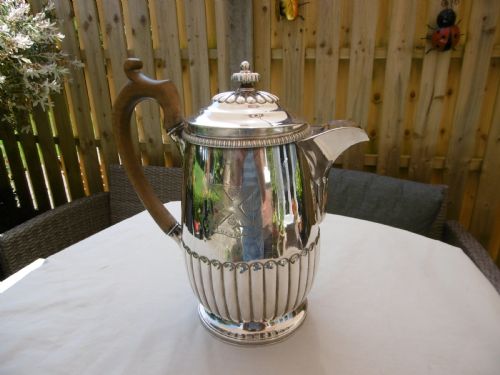
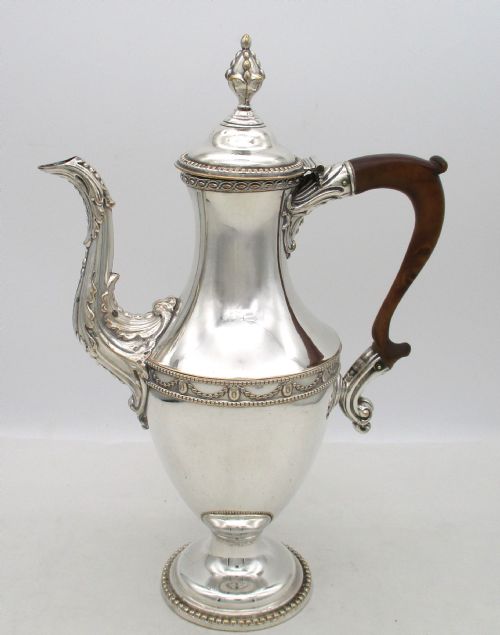
The versions most commonly met on this page span the Georgian and Regency periods, displaying styles from simple baluster shapes to grand Regency forms. Many examples feature practical additions such as wooden handles made from hardwood or fruitwood to insulate against the heat of the brew.
How they were made
Makers constructed an old sheffield plate coffee pot by fusing a silver sheet onto a copper ingot under high heat, then rolling the combined metals into workable sheets. This technique allowed silversmiths to shape hollowware that looked and wore like solid silver while remaining lighter and more affordable.
Handles often incorporate organic materials like bone, hardwood, or fruitwood, attached with insulated sockets to keep the heat away from the pourer's hand. Silver wire borders and applied mounts frequently hide the exposed copper edges at the rims and feet.
Old Sheffield Plate Coffee Pot Retail Price Guide 2026
Typical asking prices for old sheffield plate coffee pot among the pieces listed under this phrase on Sellingantiques today, from the lower quarter to the upper quarter. They describe what is for sale here now, not the wider market.
The listings here feature pieces from the eighteenth and nineteenth centuries, spanning both Georgian and Regency periods.
What varies in quality
The degree of silver wear over the underlying copper changes the visual character of each piece, revealing the warmth of the base metal through decades of polishing. Crispness in the stamped marks and the precision of applied decorative mounts separate standard workshop output from exceptional commissions.
Proportion and balance define the better examples, where the handle, spout, and baluster body harmonize cleanly. The retention of original handles and finials rather than later replacements preserves the integrity of the piece.
Matthew Boulton·John Hoyland·Henry Tudor·Roberts Smith·Richard Morton·Henry Wilkinson
The Old Sheffield Plate Coffee Pot Glossary
- Old Sheffield Plate
- A composite material made by fusing silver and copper together before shaping, invented in the eighteenth century.
- Baluster
- A vase-like body shape with a rounded lower portion tapering upward, common in Georgian hollowware.
- Biggin
- A tall pot used for brewing coffee, often incorporating a fitted internal strainer or bag.
- Fruitwood
- Dense timber such as pear or apple used for crafting insulated handles and finials on metal pots.
- Maker's Mark
- A stamped symbol or initials placed by the silversmith to identify the workshop of origin.
Old Sheffield Plate Coffee Pot: Frequently Asked Questions
Can I still use this coffee pot daily?
While these pots retain their functional shape, most owners choose to display them rather than brew coffee in them today. The historical fusion process and aged joints deserve gentle treatment to preserve their integrity.
Using them as decorative centerpieces or dry flower jugs protects the delicate silver surfaces and insulating handle materials from thermal shock.
How do I spot the exposed copper?
Look along protruding edges, rims, and high points where decades of polishing have naturally worn the top layer of silver thin. A warm, reddish glow appearing through the silver indicates the copper base beneath.
This characteristic telegraphs genuine age and distinguishes fused plate from modern electroplating, which wears away to a dull grey.
How can I tell a Georgian pot from a Regency one?
Georgian examples often feature graceful baluster bodies with flowing curves and delicate wire mounts. Regency pieces tend toward bolder, grander lines reflecting classical architectural influences.
Examining the shape of the spout and the style of the handle attachments helps clarify the period of manufacture alongside any maker's marks.