

Georgian Hallmark Silver Spoons
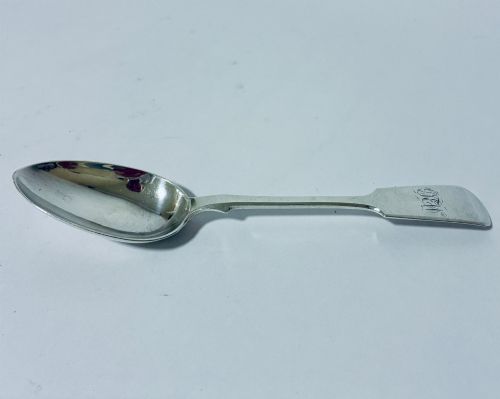
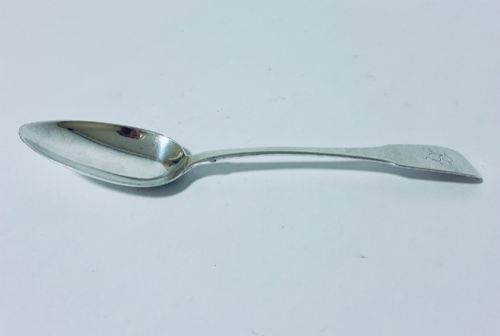
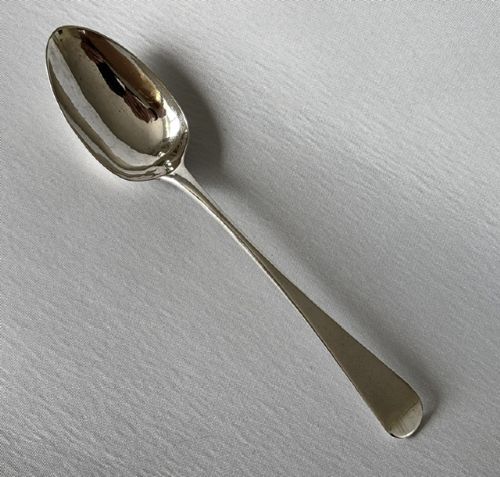
These georgian hallmark silver spoons carry the weight of eighteenth and nineteenth century dining in sterling silver.
Georgian Hallmark Silver Spoons
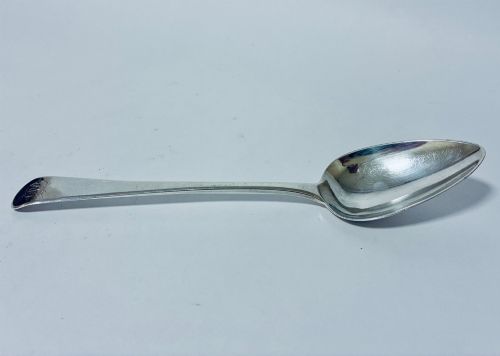
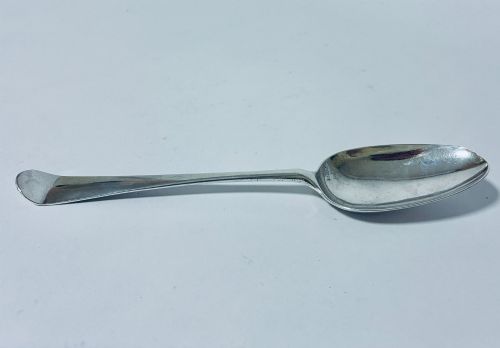
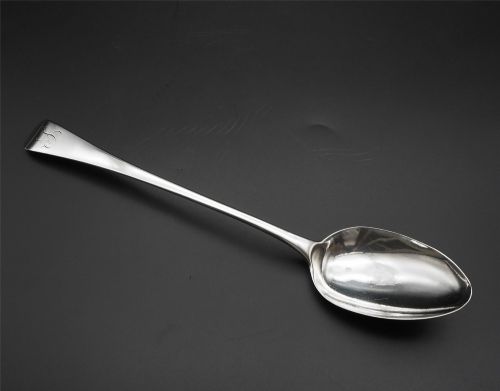
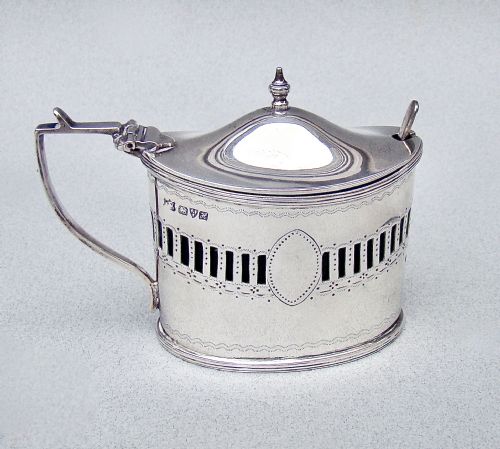
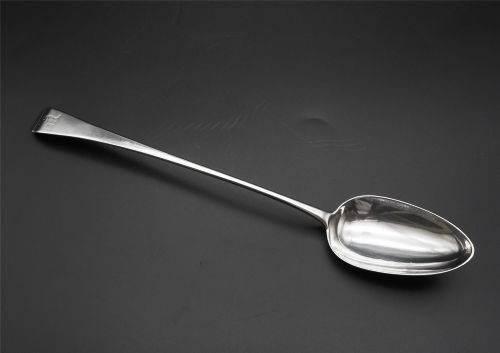
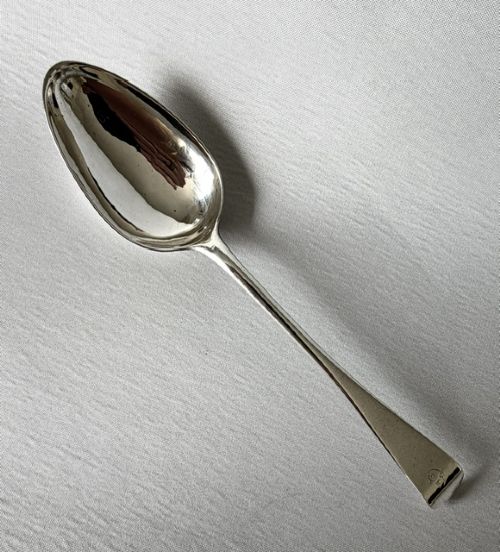
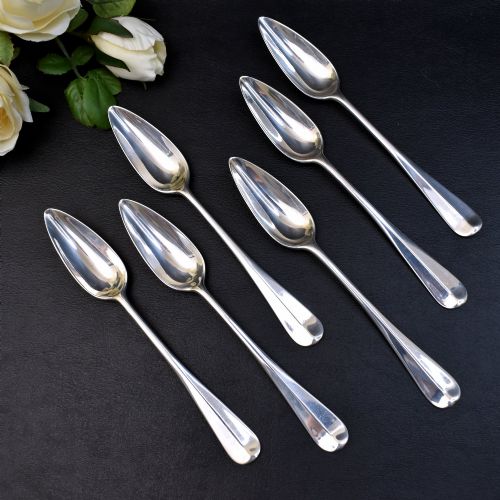
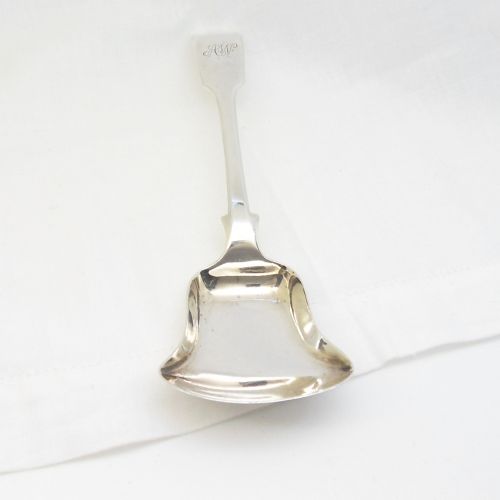
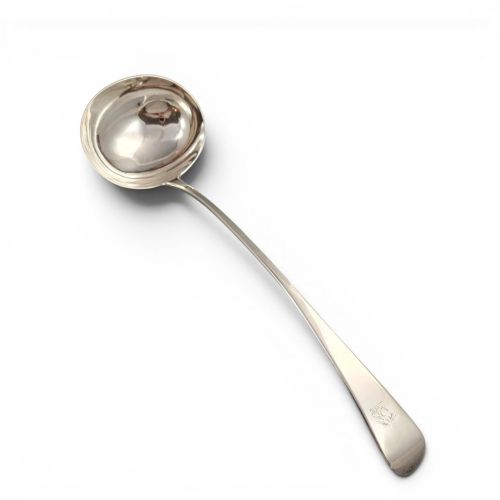
When you search for georgian hallmark silver spoons, you encounter table silver spanning the Georgian period and related eras, shaped for serving, stirring, and scooping at the dining table. The pieces range from large basting spoons and soup ladles to delicate teaspoons and caddy spoons.
How they were made
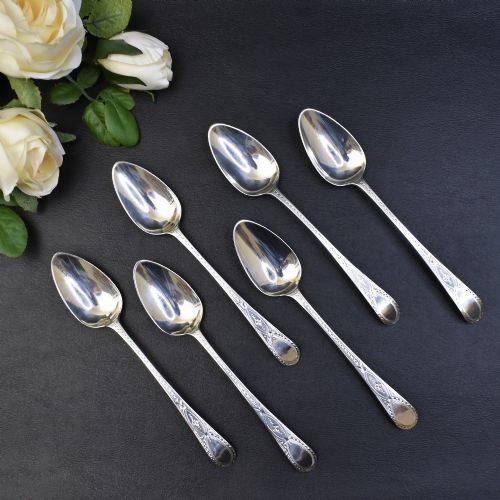
The objects are formed from sterling silver and solid silver, sometimes enhanced with parcel gilt or silver gilt highlights. Pieces are hammered, shaped, and engraved with techniques such as bright-cut work and threaded borders.
Makers struck their punches directly into the metal alongside the assay office marks, monarch's head duty marks, and date letters that verify the year of creation.
Georgian Hallmark Silver Spoons Retail Price Guide 2026
Typical asking prices for georgian hallmark silver spoons among the pieces listed under this phrase on Sellingantiques today, from the lower quarter to the upper quarter. They describe what is for sale here now, not the wider market.
Listings feature sterling silver, silver gilt, and parcel gilt items spanning the Georgian, Victorian, Edwardian, and Art Deco periods.
What varies in quality
The distinction between standard table silver and the finest examples lies in the crispness of the hallmarks, the depth of the hand-engraving, and the gauge of the metal. Heavier spoons maintain their original bowl thickness and handle profile without excessive wear from daily use.
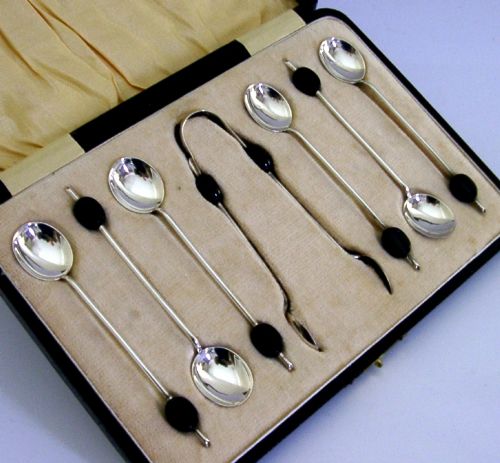
Specialist forms, such as jockey cap caddy spoons, bright-cut teaspoons, or matched pairs in fitted cases, reflect greater design ambition by the silversmith compared to plain utility items.
Peter and Jonathan Bateman·Alfred Marston·John Walton·Hamilton and Inches·Jonathan Hayne·John Wilks·Hester Bateman·James Tookey·Thomas Johnson·Stephen Adams·William Marshall
The Georgian Hallmark Silver Spoons Glossary
- Hallmark
- A series of stamped marks applied to silver indicating the maker, standard of purity, assay office, and year of manufacture. These stamps provide the primary documentation for dating antique cutlery.
- Basting spoon
- A large serving utensil designed for spooning juices over meat during roasting or for serving at the table. They often measure well over thirty centimetres in length.
- Caddy spoon
- A short-handled spoon specifically proportioned for measuring tea leaves from a caddy into a teapot. Many feature bowl designs shaped like leaves, shells, or jockey caps.
- Bright-cut
- An engraving technique utilising faceted V-cut channels that reflect light to create sparkling geometric or floral patterns. It appears frequently on spoons from the late eighteenth century.
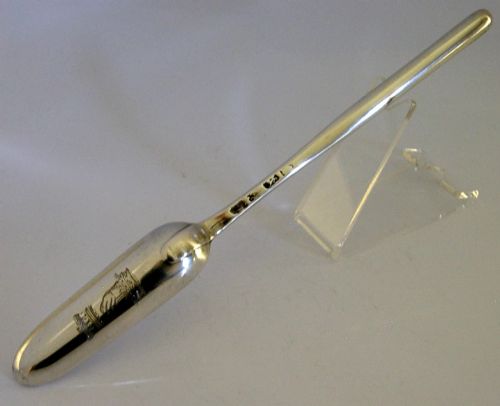
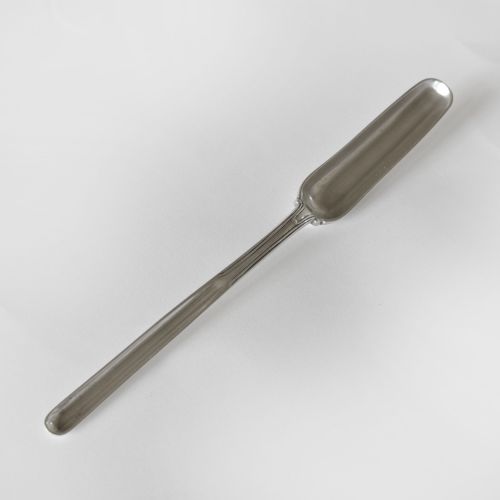
- Marrow scoop
- A narrow, trough-like utensil with a small bowl at one end and a larger scoop at the other, used for extracting marrow from animal bones at the dining table.
Georgian Hallmark Silver Spoons: Frequently Asked Questions
How do I read silver hallmarks?
Assay office marks, date letters, and maker's initials are punched directly into the silver surface. Comparing these stamps against standard reference tables reveals the exact city and year of production.
Legal regulations required silversmiths to submit their work for testing, ensuring the integrity of the sterling standard across centuries of British metalworking.
What were marrow scoops used for?
Dining etiquette in the Georgian period involved serving bone marrow as a delicacy during formal meals. The dual-ended scoop was shaped to extract the marrow cleanly from narrow bones.
These utensils formed part of an extended cutlery service alongside large tablespoons, sauce ladles, and basting spoons.
How do I care for antique silver spoons?
Gentle washing in warm water with a mild soap and drying with a soft cloth removes everyday residue. Avoid abrasive cleaners that wear down bright-cut engraving and crisp hallmarks.
Storing pieces in dry conditions or lined wooden cases protects the metal from excessive tarnishing over time.