

Georgian Glazed Cupboard
A georgian glazed cupboard brings architectural warmth to a room while securely displaying treasured books or porcelain behind glass.
Georgian Glazed Cupboard
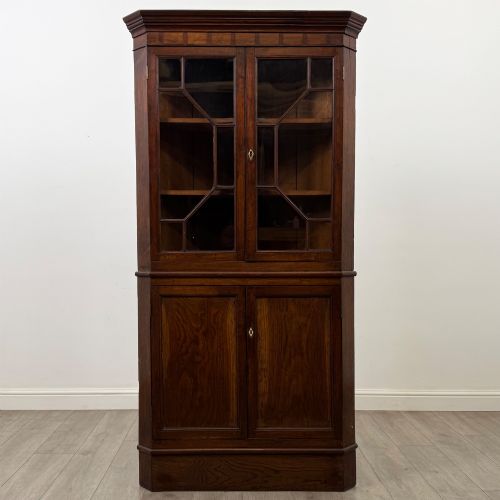
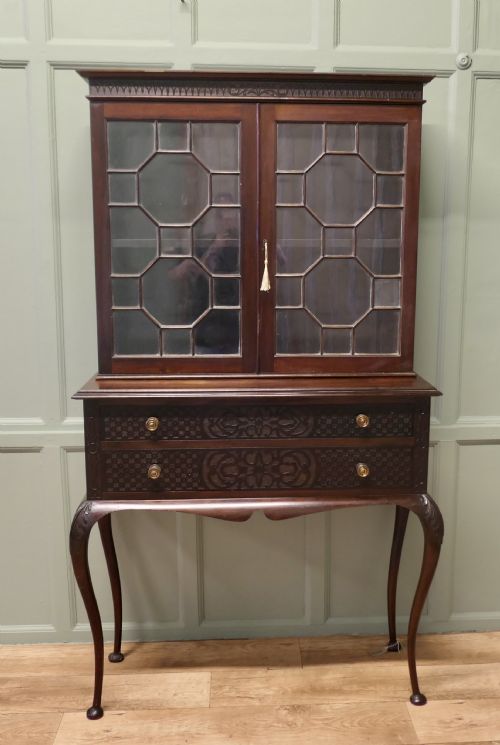
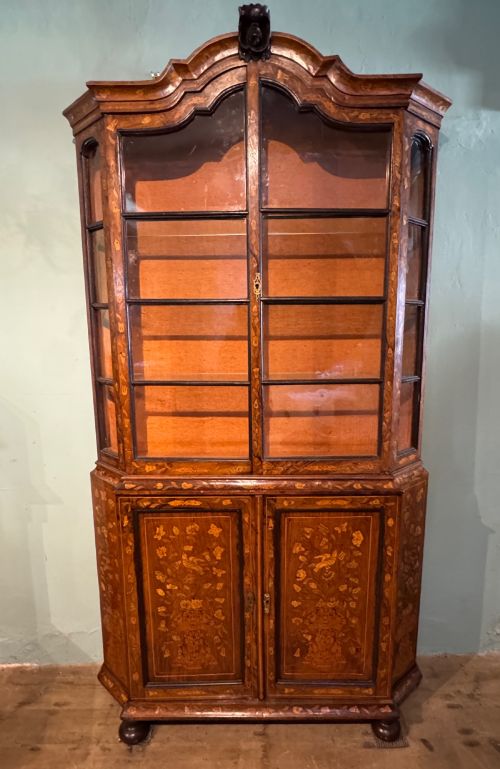
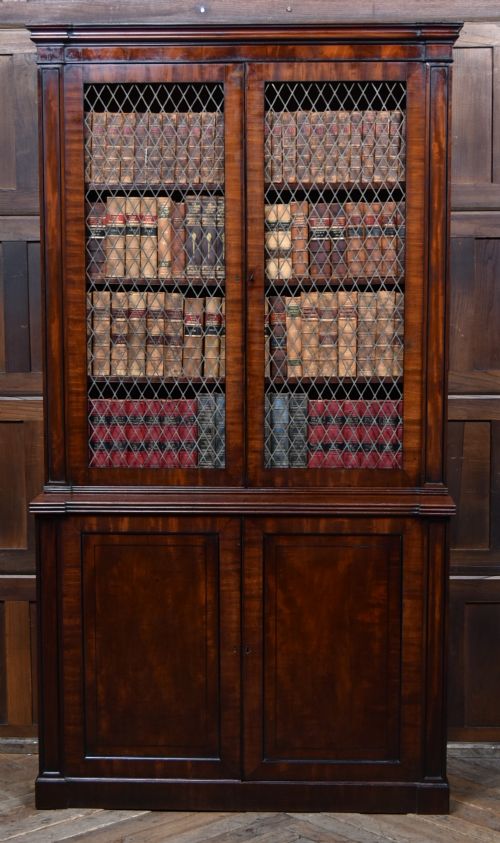
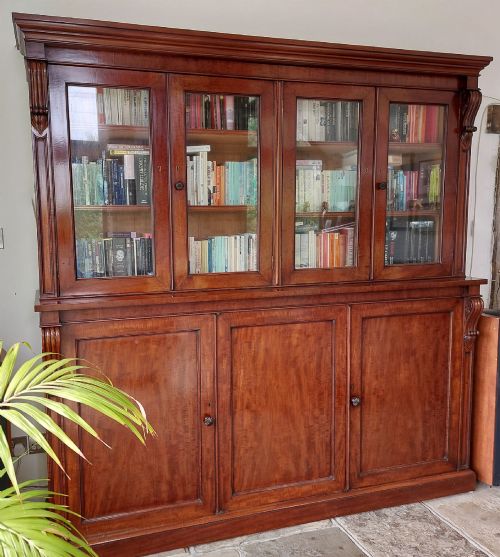
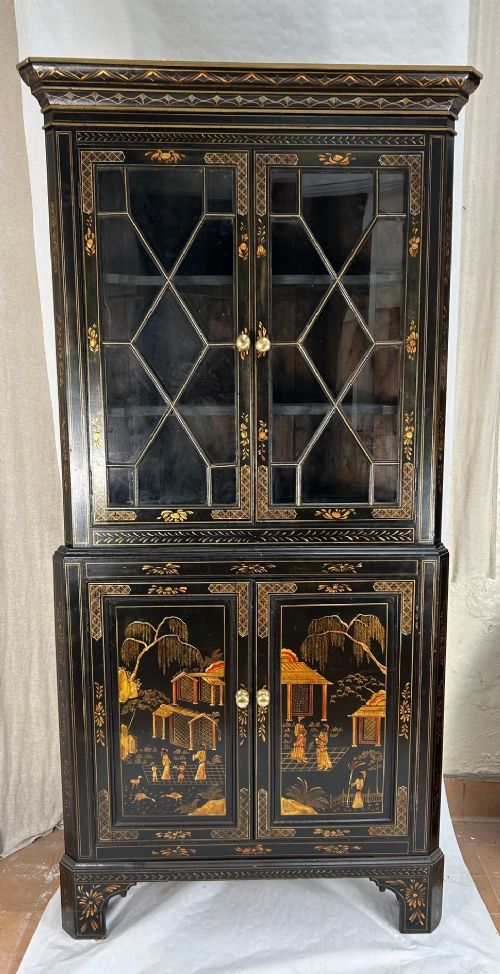
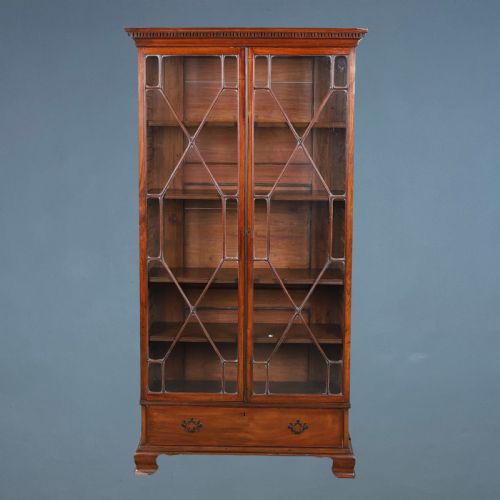
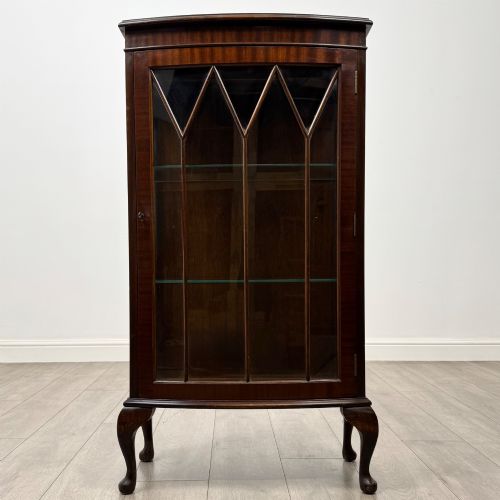
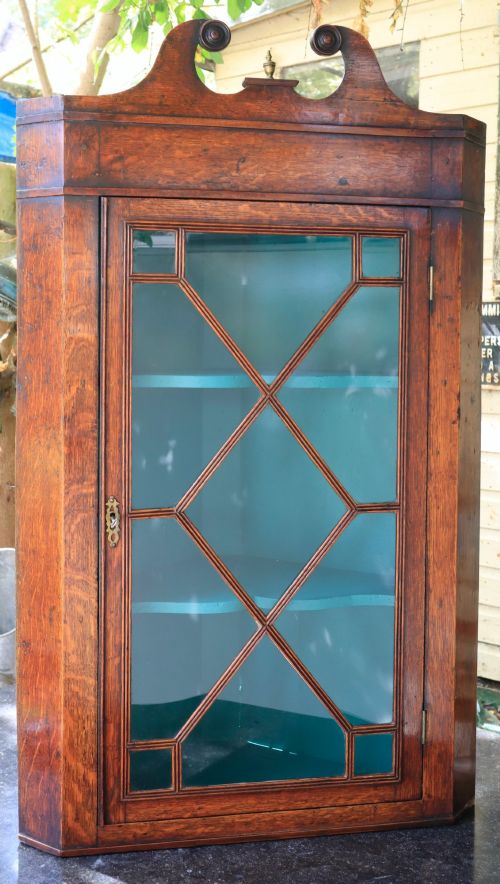
A georgian glazed cupboard encompasses a wide variety of timber storage furniture designed to display and protect contents behind glass doors. The pieces span upright bookcases, multi-tier library cabinets, wall-hanging compartments, and fitted corner cupboards intended to utilise tight domestic spaces. Oak, mahogany, and walnut dominate the forms, reflecting the principal hardwoods favoured by cabinet makers across the eighteenth and nineteenth centuries.
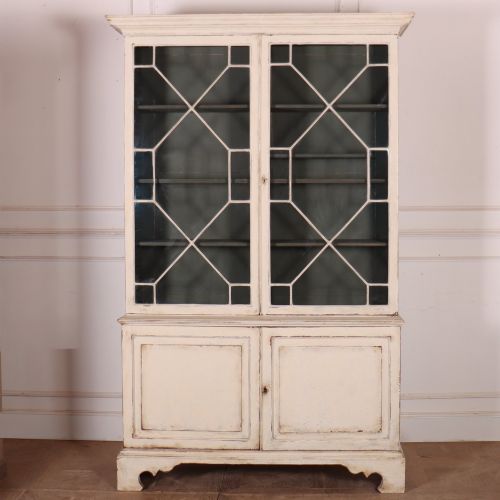
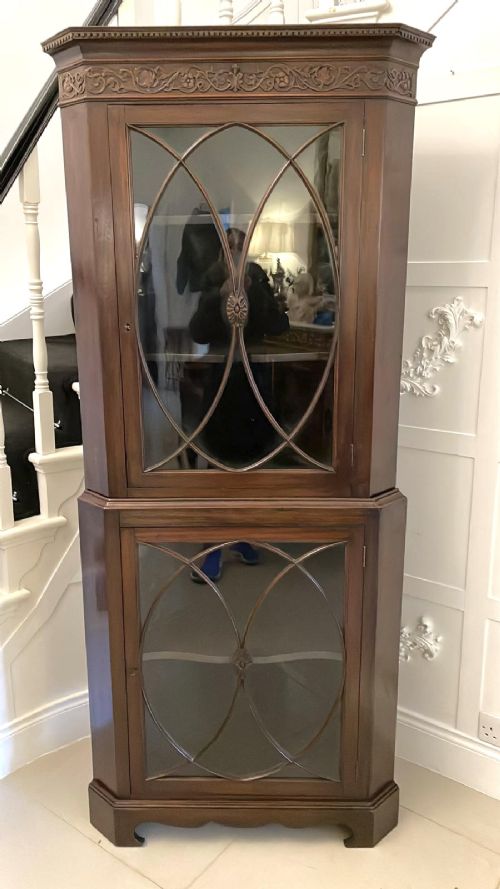
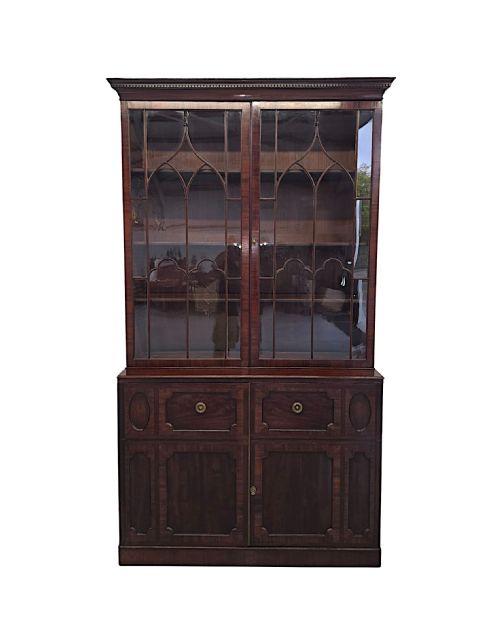
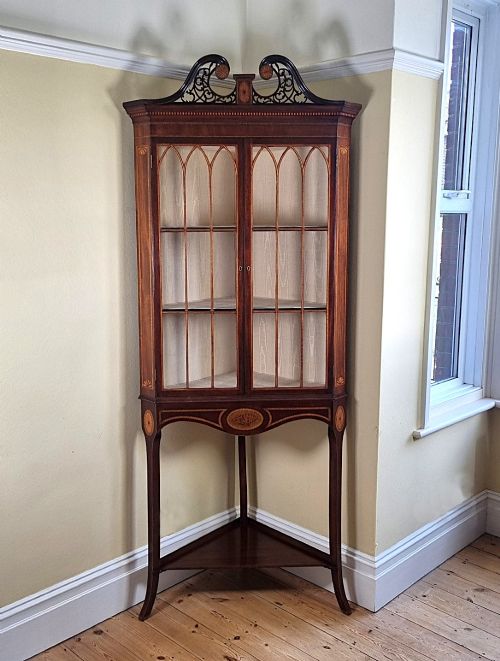
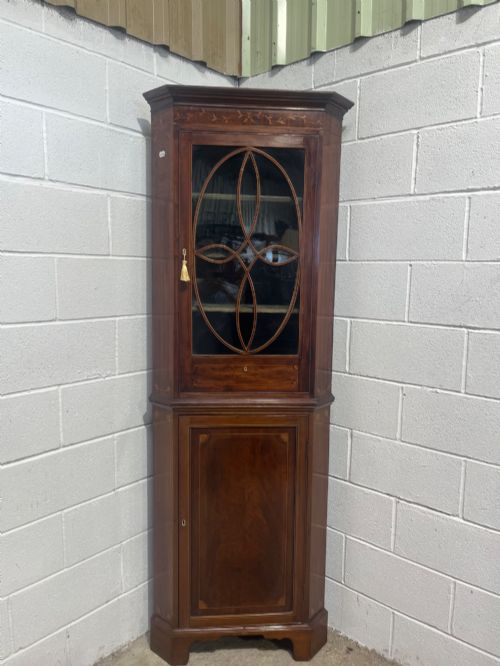
Corner cupboards appear with remarkable frequency across the archive and current listings, produced both as wall-mounted units and large floor-standing furniture. Many examples split into two distinct sections, housing glass panes in the upper door and solid timber panels below. Makers also produced breakfront bookcases and tall display cabinets, adopting styles from Chinese Chippendale to Regency and Georgian Revival.
How They Were Made
Timber selection dictated the construction method, with solid oak and mahogany providing the structural framework for heavy shelving and glass frames. Craftsmen utilised fine joinery techniques to assemble delicate wooden glazing bars, known as astragals, which divided the glass panels into geometric patterns.
Secondary timbers such as pine appeared on internal shelves and carcases, while decorative veneers like walnut or flame mahogany adorned primary exterior surfaces. Brass hardware, including hinges, escutcheons, and locks, secured the doors and completed the construction.
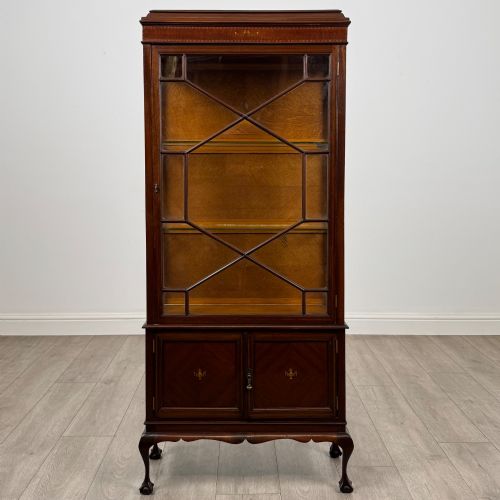
Listings feature structural forms ranging from wall-hanging display cabinets to breakfront library bookcases in oak, mahogany, and walnut.
What Varies in Quality
Quality reveals itself in the precision of the glazing bars and the selection of timber grain. Slender, evenly spaced astragals demonstrate superior hand-joinery compared to heavy, clumsy framing. Furthermore, the use of figured mahogany, rich walnut, or well-matched oak veneers elevates a piece above standard utility furniture.
Proportion and architectural detailing distinguish finer cabinets. Well-executed cornices, carved brackets, original glass panes, and intact brass hardware indicate a higher tier of workshop production from the period.
Wylie and Lochhead·Maple and Co·S and H Jewell
The Georgian Glazed Cupboard Glossary
- Astragal
- A moulding profile used to hold glass panes in place within a door frame. These slender wooden bars often form geometric lattices across the front of a bookcase.
- Breakfront
- A cabinet design where the central section projects forward from the flanking wings. This architectural layout adds visual depth to large library bookcases.
- Cwpwrdd Gwydr
- A traditional Welsh term for a glazed cupboard. Such regional pieces frequently utilise local oak and display distinct vernacular joinery.
- Escutcheon
- A protective metal plate surrounding a keyhole. Brass examples are typical on these cabinets, often retaining their original working locks and keys.
Georgian Glazed Cupboard: Frequently Asked Questions
How were corner cupboards used?
These cupboards made efficient use of unutilised room angles in domestic interiors. Households stored everyday tableware, glassware, and books inside the shelved upper sections.
The lower doors typically concealed heavier utility items and provisions. Wall-hanging variants kept precious porcelain out of reach of children and household activity.
Are the glass panes original?
Older glass frequently displays subtle surface ripples, minor bubbles, and slight thickness variations caused by early manufacturing methods. These visual irregularities distinguish historic hand-blown panes from uniform modern replacements.
Examining the putty and the fit within the wooden rebates also helps determine originality. Replacement glass often appears too flat and clean against aged timber.
How do I identify a revival piece?
Revival items, such as those made in the nineteenth or early twentieth centuries, imitate earlier eighteenth-century proportions and decorative motifs. Cabinet makers during these later periods utilised machine-sawn timber dimensions and different internal construction markers.
Secondary woods and modern backboards frequently betray a later manufacturing date despite an earlier stylistic influence. Close inspection of the drawer linings and screw types clarifies the actual age.
Where should I place a floor standing cabinet?
These tall wooden pieces require stable, level flooring away from direct sunlight and strong heat sources. Rapid temperature shifts cause timber to warp and historical veneers to lift from their carcases.
Securing taller bookcases to the wall prevents tipping, especially on uneven historic floors. Ample clearance around the doors ensures safe opening without striking nearby furniture.