
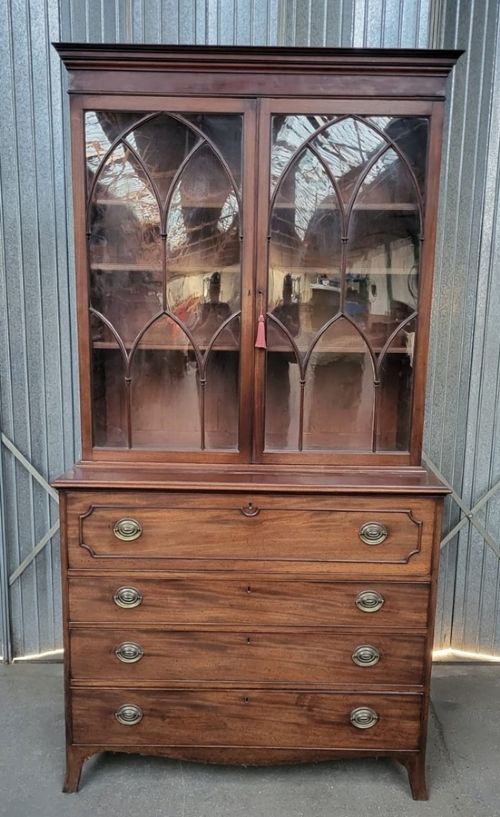
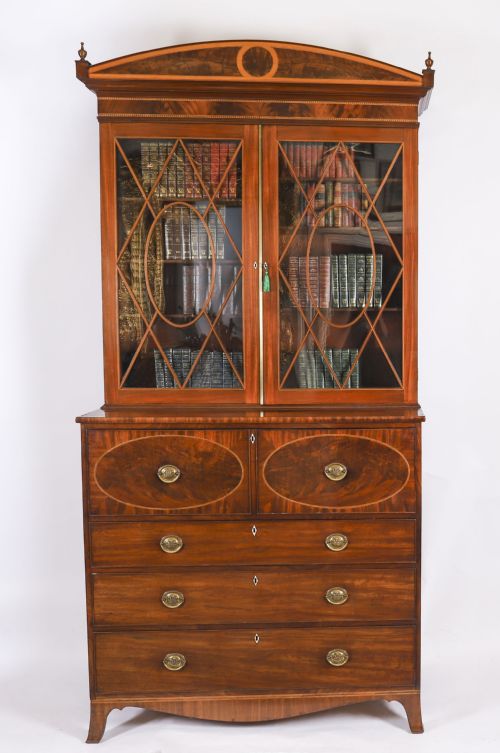

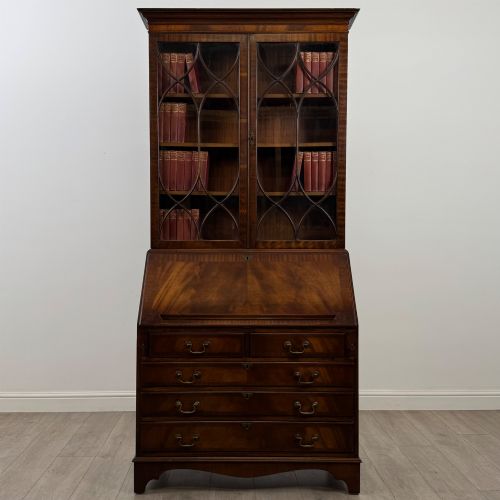
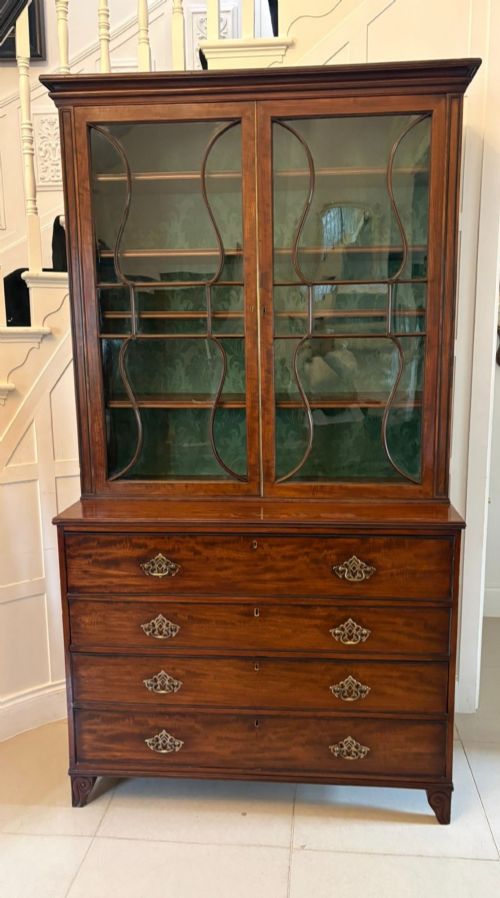
Georgian Glazed Cabinet Bureau
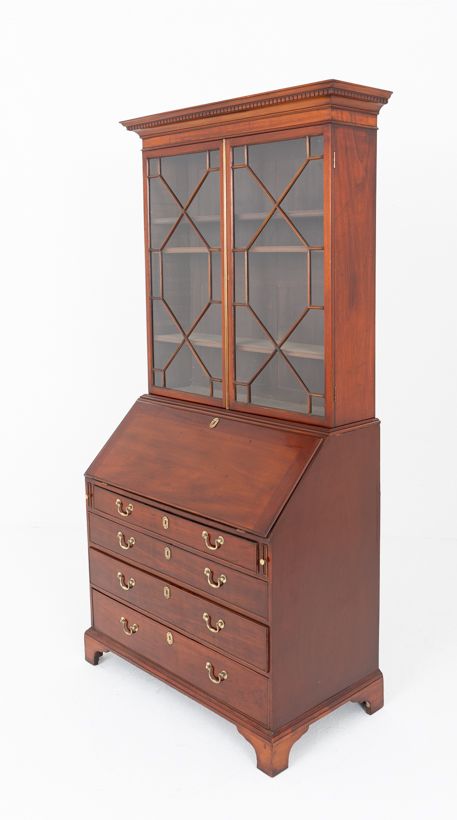
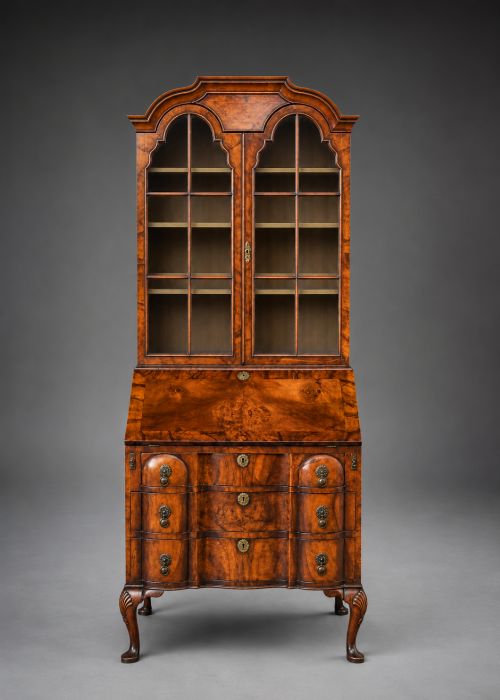
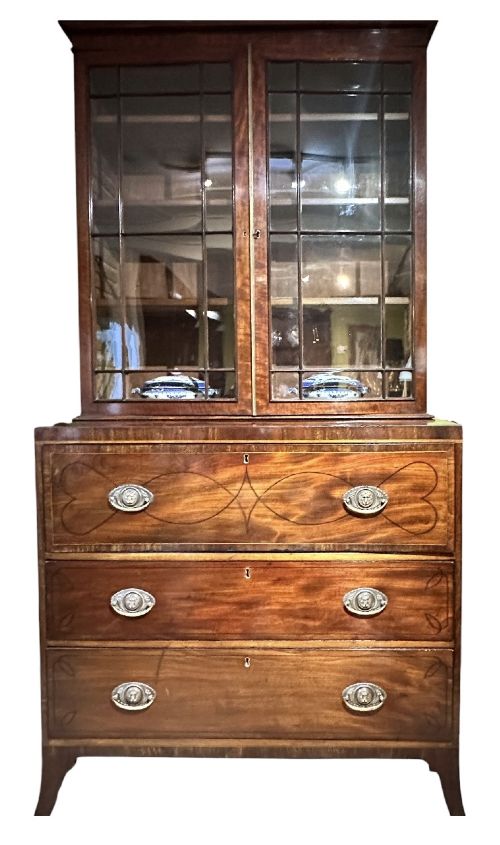
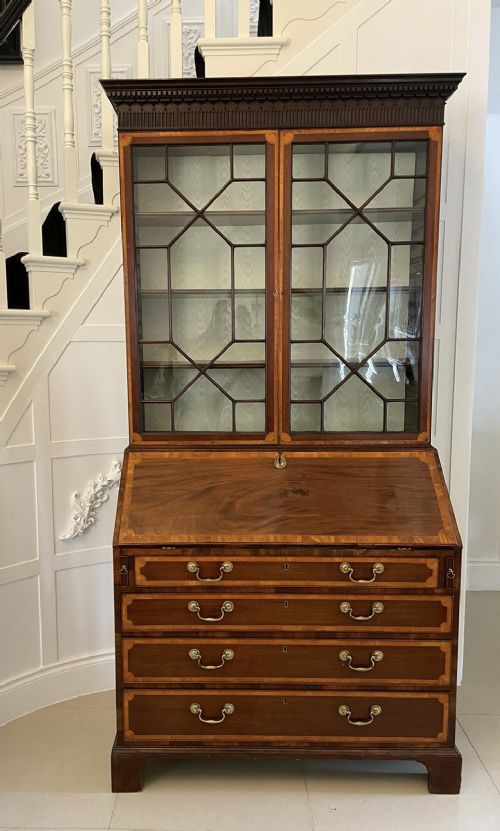
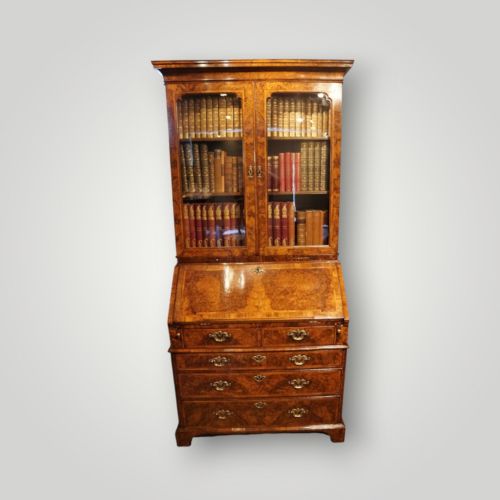
A georgian glazed cabinet bureau combines a fitted writing drawer with upper display shelving, offering a practical combination of workspace and storage that appeals to traditional interiors.
Georgian Glazed Cabinet Bureau
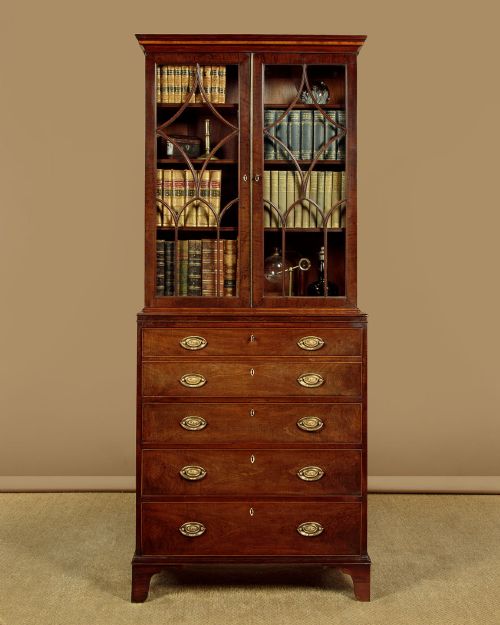
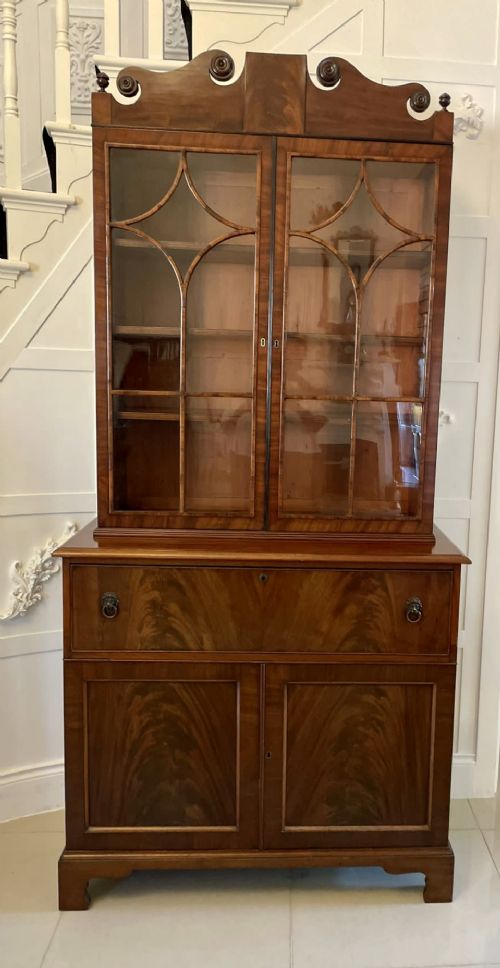
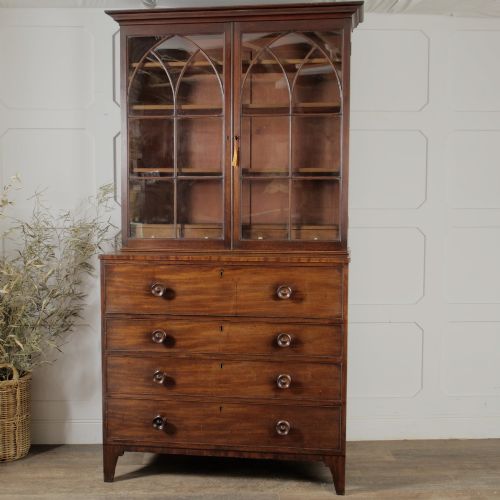
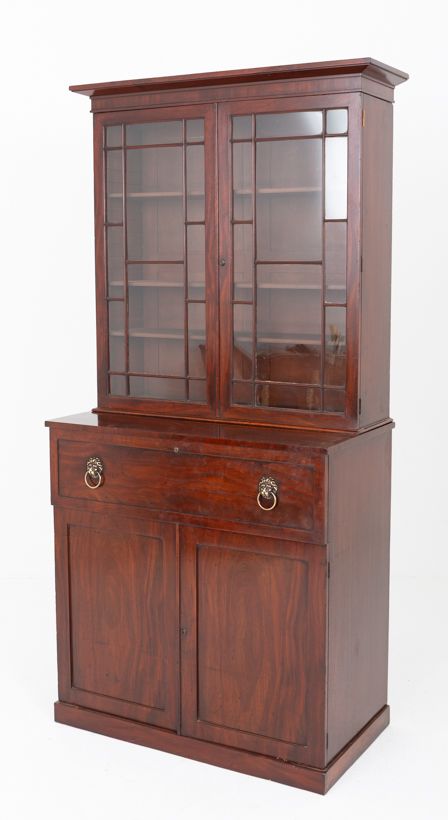
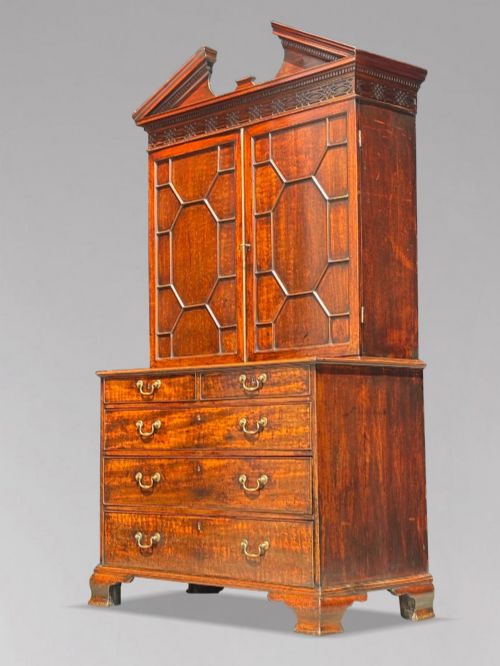
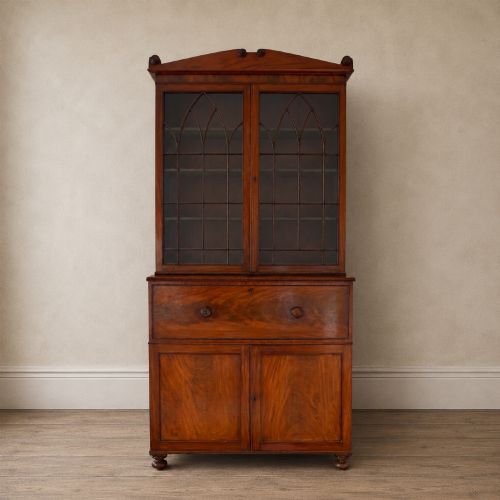
A georgian glazed cabinet bureau typically appears as a taller two-part furniture form, featuring an upper section with glass doors above a lower writing desk unit. The listings show these pieces span the eighteenth century, the Regency era, and later revival periods through the twentieth century.
Most examples found here utilise mahogany, walnut, or satinwood, structured as secretaire bookcases or bureau bookcases with fitted interiors. Cabinet makers built these pieces to serve both as a library bookcase and a private writing bureau.
Materials and Technique
Makers constructed these cabinets predominantly in solid mahogany, flame mahogany, and walnut, often applying finely figured veneers across the exterior surfaces. Satinwood and yew wood also appear in specific examples, paired with brass hardware for handles and fittings.
Glass panels are set within framed doors to protect the volumes or display items housed inside the upper cabinet. Interior compartments incorporate small drawers, pigeonholes, and writing surfaces lined in leather.
The listings on this page include pieces constructed from mahogany, satinwood, walnut, oak, and yew wood.
Distinguishing Quality
The degree of refinement in the timber figure and inlay work distinguishes one piece from another, particularly where flame mahogany or satinwood veneers are selected. Superior examples display careful matching of wood grain across the drawer fronts and cabinet doors.
The complexity of the fitted interior within the secretaire drawer also marks the standard of construction. Elaborate pigeonholes, small secret compartments, and precise joinery elevate the standing of an individual cabinet bureau.
Thomas Chippendale·Gillows of Lancaster·Tudor and Burrey
The Georgian Glazed Cabinet Bureau Glossary
- Secretaire
- A writing drawer that pulls out and drops down to reveal a fitted interior of small drawers and pigeonholes. This component replaces the sloping desk lid found on standard bureaux.
- Astragal glazed
- Glass doors divided into smaller panes by thin wooden strips called glazing bars. These bars often form geometric or Gothic patterns across the upper cabinet.
- Flame mahogany
- Timber cut from the fork of the mahogany tree to produce a distinctive rippled, flame-like grain pattern. Cabinet makers used this veneer on primary display surfaces.
- Fitted interior
- The arrangement of small drawers, compartments, and central doors housed within the bureau section. This internal setup provided space for stationery and documents.
- Candle slides
- Pull-out wooden boards positioned beneath the upper cabinet doors to hold candlesticks. They provided illumination for the writing surface before the introduction of gas and electric lighting.
Georgian Glazed Cabinet Bureau: Frequently Asked Questions
What is a georgian glazed cabinet bureau?
A georgian glazed cabinet bureau is a combined storage and writing piece featuring a glazed upper bookcase and a lower desk section.
The lower drawer typically pulls down to form a writing surface with internal compartments.
How do I identify a period piece?
Period pieces are identified through timber selection, construction methods, and hardware consistent with eighteenth and nineteenth-century cabinet making.
Examining the secondary woods inside drawers and the style of the glazing bars helps determine the era.
Where were these cabinets placed?
These cabinets served primarily in libraries, parlours, and private studies as multi-purpose furniture for reading and correspondence.
The upper glass doors allowed owners to display valued book collections while keeping them dust-free.
How do I care for mahogany and walnut?
Maintain these timber surfaces by keeping them away from direct sunlight and sudden changes in room temperature.
Regular dusting with a dry cloth and occasional light waxing preserves the finish without building up residue.