
Georgian Glass Wine Goblet
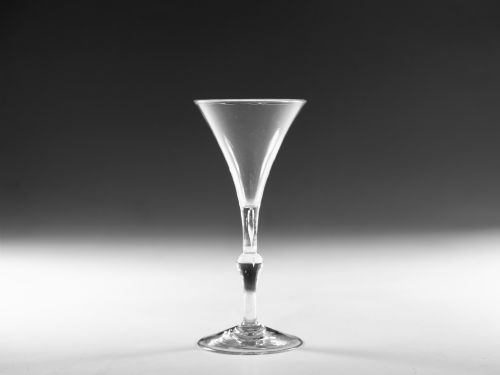
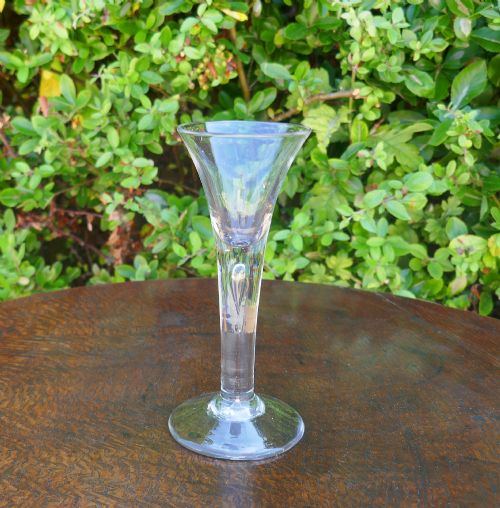
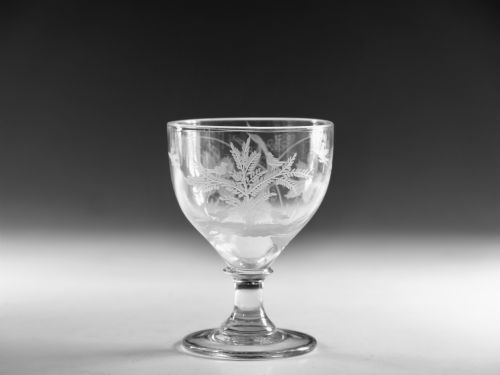
These georgian glass wine goblet pieces are substantial hand-blown vessels from the eighteenth century designed for serving wine.
Georgian Glass Wine Goblet
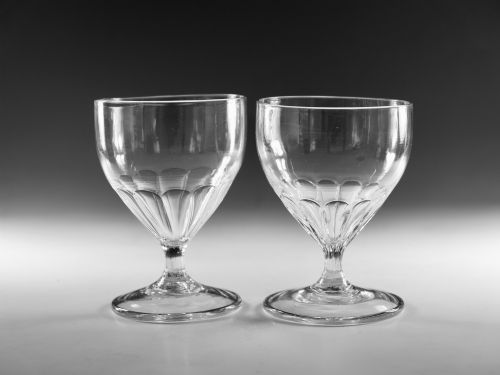
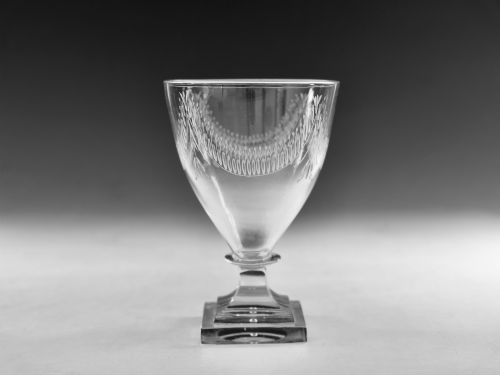
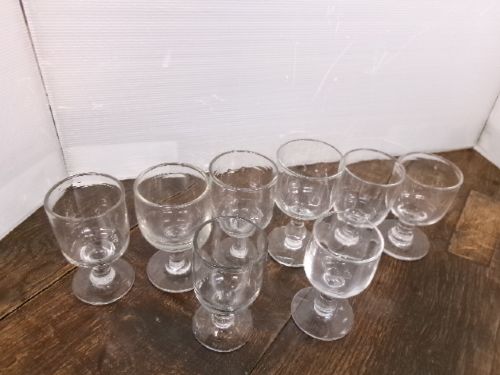
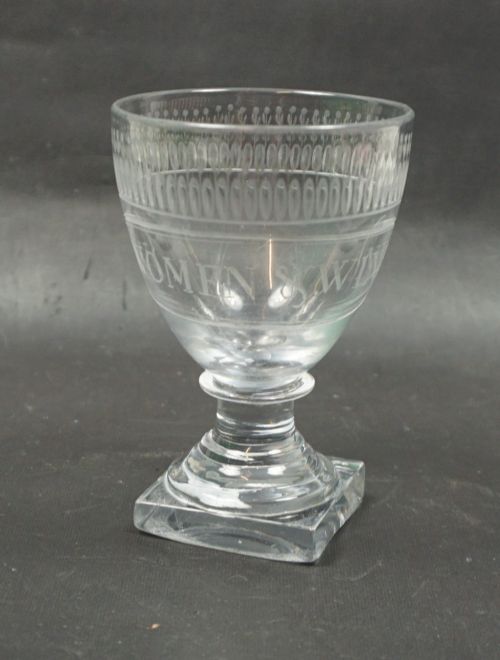
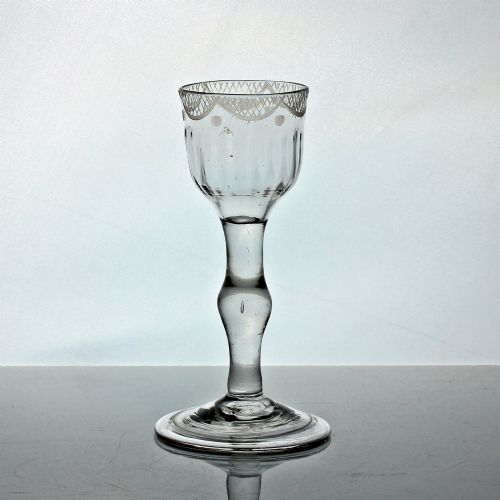
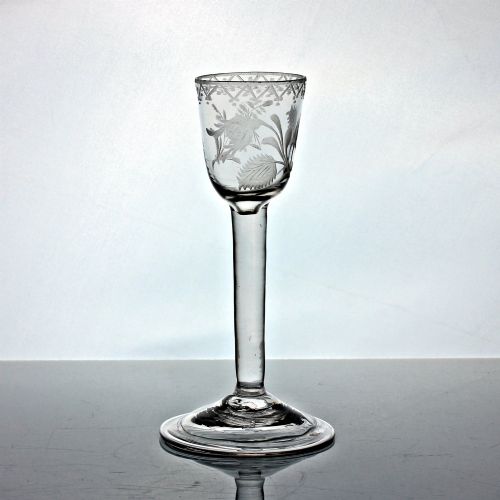
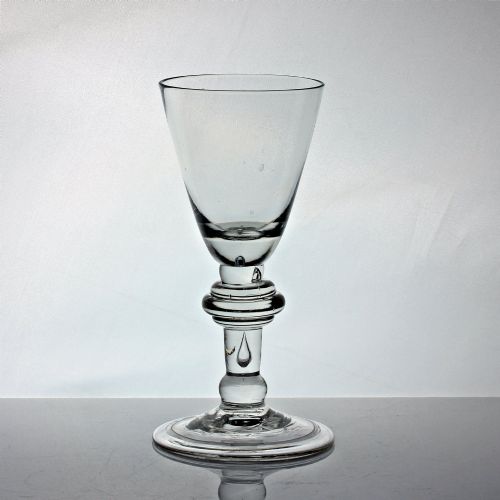
Buyers encountering this selection will find eighteenth century examples alongside nineteenth century European interpretations. The inventory ranges from plain forms to those with diamond moulded bowls and engraved decoration.
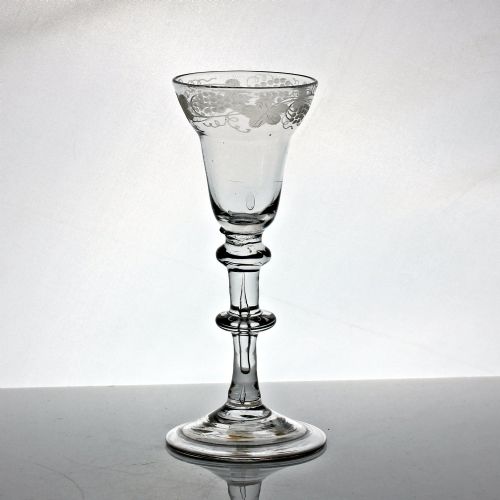
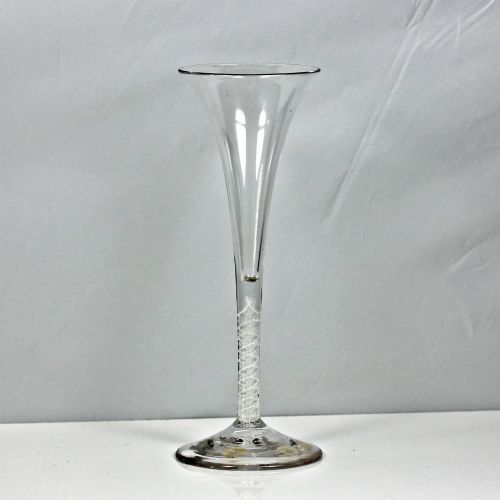
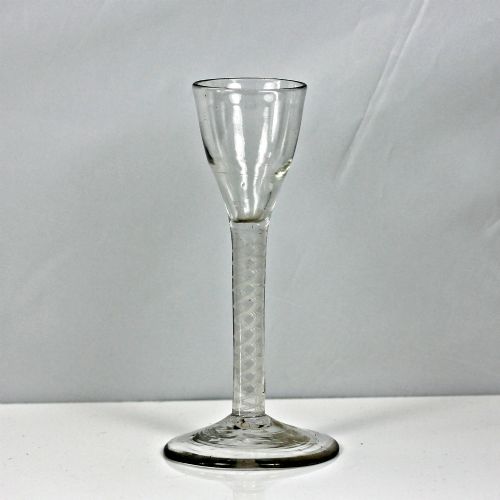
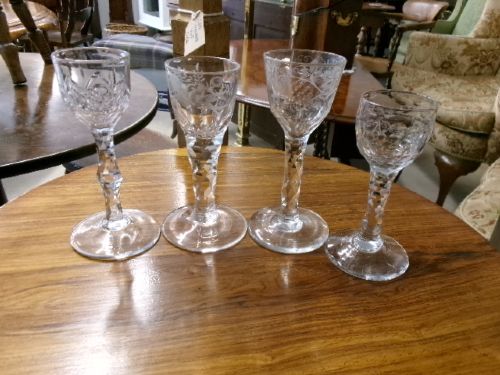
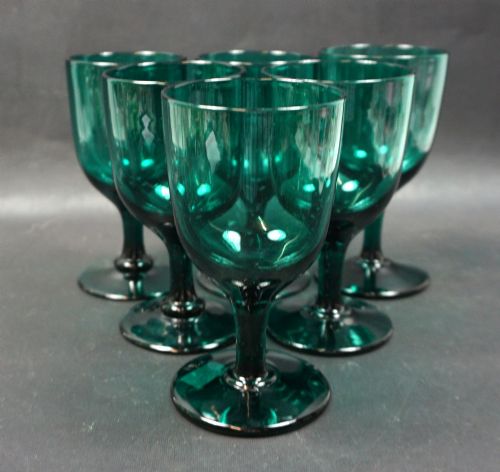
Examples often display specific stem formations such as multi spiral air twists and balustroid profiles. Bristol green and amethyst coloured glass variants also appear alongside traditional clear lead glass.
How they were made
Makers utilised hand-blown glass techniques to form the bowls and stems of each georgian glass wine goblet. Lead glass provided the heavy, refractive quality essential for eighteenth century drinking vessels.
Internal stem structures such as air twists and opaque twists were achieved through intricate manipulation of trapped air or white enamel threads within the molten metal. Engraving and diamond moulding were applied while the glass was workable or through cold-work wheel cutting.
Georgian Glass Wine Goblet Retail Price Guide 2026
Typical asking prices for georgian glass wine goblet among the pieces listed under this phrase on Sellingantiques today, from the lower quarter to the upper quarter. They describe what is for sale here now, not the wider market.
The listings show pieces spanning the eighteenth century and nineteenth century European period, utilising lead glass, clear glass, white enamel, and coloured glass.
What varies in quality
Quality in a georgian glass wine goblet rests on the clarity of the metal, the precision of the twist formation, and the crispness of any engraved decoration. Superior lead glass exhibits a deeper ring and heavier feel in the hand.
The complexity of the stem construction dictates the tier of the piece, with multi spiral air twists and well-balanced balustroid forms commanding greater attention than simple plain stems. Surface wear and manufacturing blemishes in the glass body also distinguish ordinary examples from finer works.
The Georgian Glass Wine Goblet Glossary
- Balustroid stem
- A stem form derived from architectural balusters, featuring a swelling knop above a tapered lower section. This profile is characteristic of eighteenth century English drinking vessels.
- Air twist
- A decorative stem feature containing elongated bubbles or threads of air spiralling down the length of the glass. It is created by drawing and twisting the molten metal during formation.
- Opaque twist
- A stem containing fine threads of white enamel twisted in a spiral pattern within the clear glass. This technique gained popularity in England during the mid eighteenth century.
- Diamond moulded
- A surface pattern created by pressing the molten glass into a ribbed or patterned dip mould before expanding the bowl. The resulting diamond facets catch the light.
- Lead glass
- A heavy, brilliant glass formulation containing lead oxide, developed to improve clarity and weight. It forms the basis of most fine Georgian drinking vessels.
Georgian Glass Wine Goblet: Frequently Asked Questions
What is a georgian glass wine goblet?
A georgian glass wine goblet is an eighteenth or early nineteenth century drinking vessel made from lead glass or clear glass. These pieces are characterised by hand-blown construction and distinctive stem formations.
They were utilised for serving wine at dining tables during the Georgian era. Collectors value them for their historical manufacture and variety of stem designs.
How do I identify an air twist?
An air twist contains fine, spiralling threads of trapped air running through the stem of the glass. These patterns are formed while the glass is hot and pliable.
Looking closely at the stem reveals whether the threads are straight or helical. This technique requires considerable skill from the glassblower.
What is an opaque twist stem?
An opaque twist stem incorporates white enamel threads enclosed within the clear glass of the stem. These threads often form intricate lace-like or gauze patterns.
This style succeeded the air twist in English glass production. The contrast between the white enamel and clear glass creates a striking visual effect.
Are all these goblets clear glass?
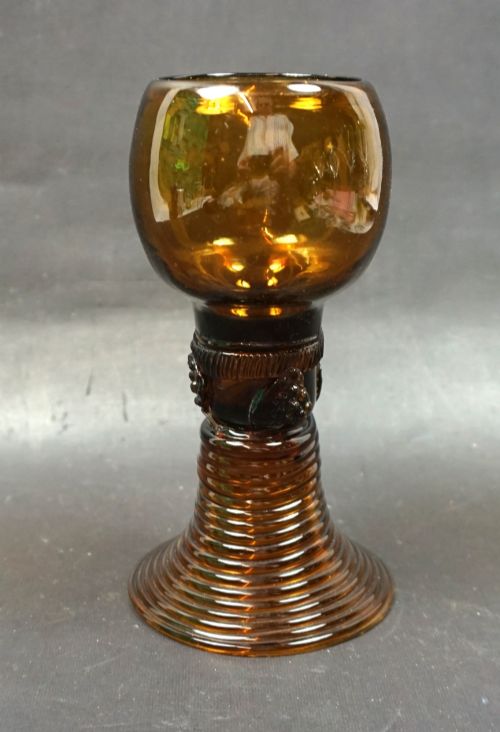
While most Georgian drinking vessels utilise clear lead glass, coloured examples do exist in the material record. Bristol green and amethyst glass variants appear alongside amber bowls.
These coloured versions provide variety within the broader category of Georgian glassware. Each type reflects the diverse techniques employed by period workshops.