



Georgian Glass Sweetmeat Dish
A georgian glass sweetmeat dish brings genuine 18th-century elegance to a table, combining lead glass clarity with period form.
Georgian Glass Sweetmeat Dish
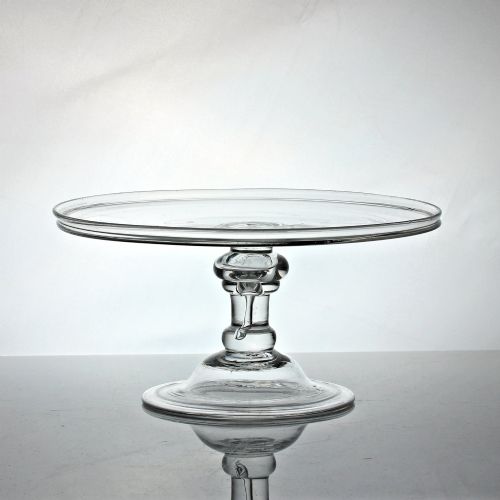
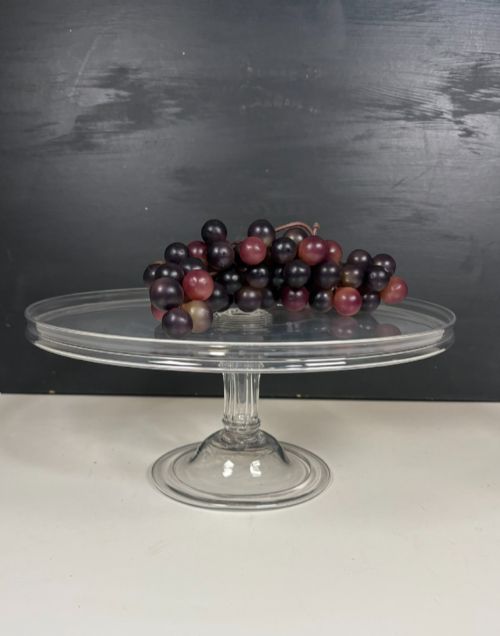
A georgian glass sweetmeat dish encompasses forms ranging from tazzas and patch stands to turnover bowls and sweetmeat glasses. These pieces originate predominantly from the 18th century, spanning periods from George II through to the broader Georgian era.
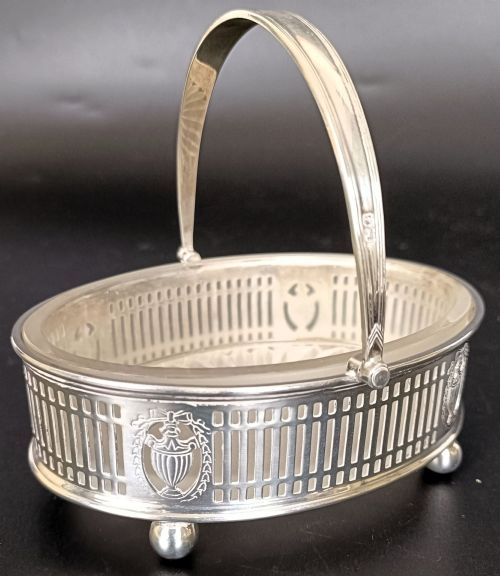
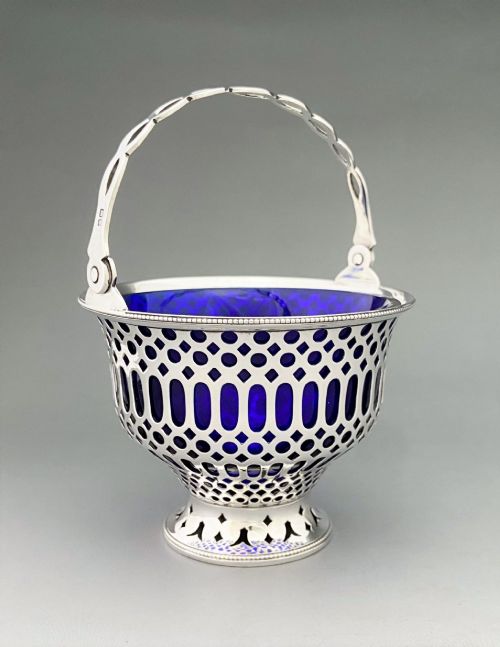
Buyers will encounter items featuring baluster stems, double series opaque twists, and rib-moulded bodies. Alongside glass pieces, related serveware includes silver swing-handled sugar baskets from later revivals.
The objects serve as functional tableware and decorative dishes designed for sweetmeats, sugar, and small confections. Origins extend to English and Irish glasshouses of the period.
Materials and techniques
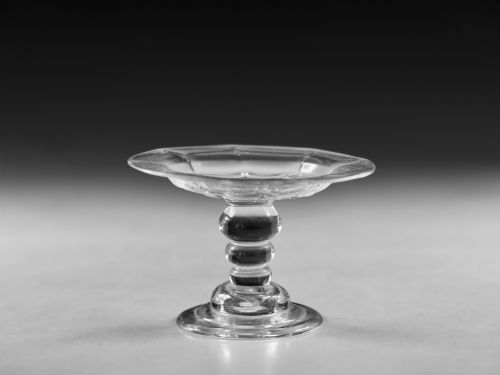
The primary material is lead glass or lead crystal, shaped through blowing and moulding techniques. Artisans utilised rib-moulding and honeycomb moulding to create tactile surface patterns on miniature patch stands and sweetmeat glasses.
Stems incorporate baluster forms and triple-knop designs joined to terraced feet. Select items combine clear glass with cobalt or ruby colouring, while silver baskets employ piercing and swing handles.
Periods represented span the 18th century, George II, Edwardian, and Victorian eras.
Judging quality
Quality rests in the crispness of the moulding and the handling of the metal, distinguishing master glasshouses from standard production. Sharpness in honeycomb patterns and clarity in lead glass mark superior examples.
Proportion and form dictate desirability, particularly in the balance of baluster stems and terraced feet. Condition of the rim and stability of the foot rim remain central to the integrity of each piece.
George Fox
The Georgian Glass Sweetmeat Dish Glossary
- Sweetmeat glass
- A stemmed glass vessel designed for serving sweet confections, nuts, or small fruits. These typically feature ribbed bowls and folded or terraced feet.
- Tazza
- A small shallow bowl raised on a central foot or stem. These serve decorative or functional roles on the table.
- Patch stand
- A small circular glass dish used originally to hold cosmetic patches. They date frequently to the mid 18th century and share forms with sweetmeat dishes.
- Baluster stem
- A heavy, thick stem shape resembling an architectural baluster. This form is characteristic of mid 18th-century English lead glass.
- Opaque twist
- A stem decoration formed by drawing out opaque white glass rods within clear metal. This technique creates spiral threads inside the glass.
Georgian Glass Sweetmeat Dish: Frequently Asked Questions
What were sweetmeat dishes used for?
These dishes held sweetmeats, preserved fruits, nuts, and small confections served at the conclusion of a formal meal. They functioned as both practical tableware and decorative centrepieces.
Their elevated forms, such as tazzas and stemmed glasses, allowed them to stand out among other tablewares.
How do I date an 18th-century glass dish?
Dating relies on stylistic markers such as baluster stems, rib-moulding, and the presence of lead glass weight. Comparing foot construction and bowl profiles helps narrow the decade.
18th-century pieces often exhibit distinct pontil marks on the underside where they were snapped from the blowing iron.
Are these glass dishes safe to use?
While historic lead glass remains chemically stable, fragile 18th-century pieces are generally treated as display items or collections. Hand washing in tepid water is essential if handled.
Thermal shock and modern dishwashers will damage antique glass beyond repair.
What is the difference between a tazza and a sweetmeat glass?
A tazza is a flat, shallow dish raised on a single foot, whereas a sweetmeat glass more closely resembles a stemmed goblet with a wider, ribbed bowl. Both served similar functions on the Georgian table.
Patch stands represent a smaller version of these forms, usually flat-topped and low to the surface.