


Georgian Glass Bottle
When you search for a georgian glass bottle, you enter a world of heavy lead crystal and deep blue vessels made to hold wine, spirits, or scent.
Georgian Glass Bottle
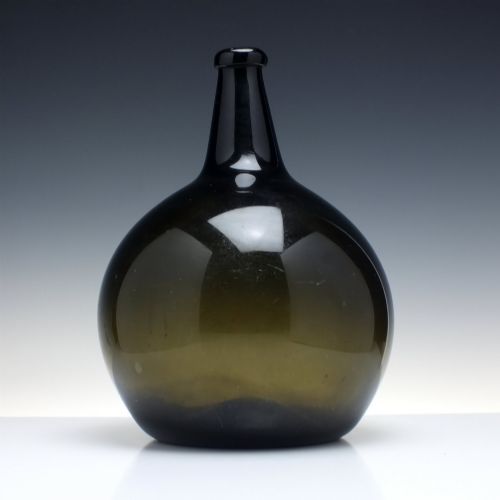
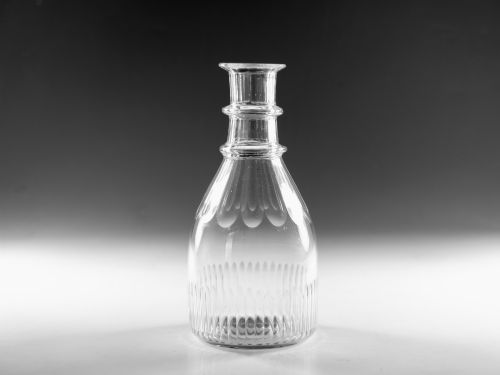
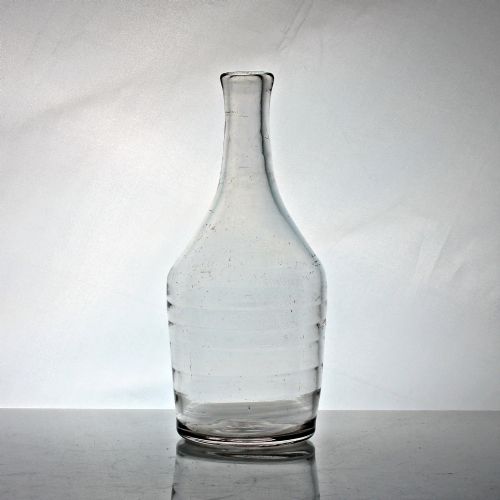
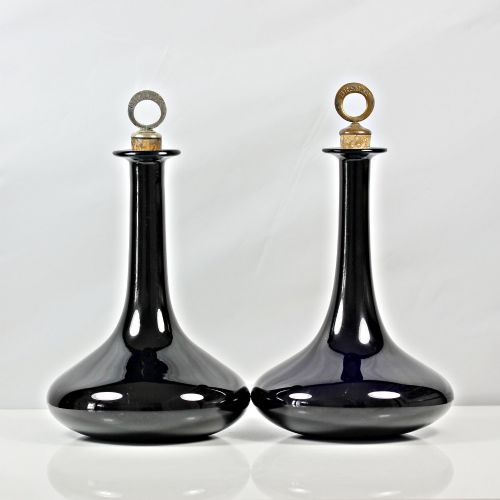
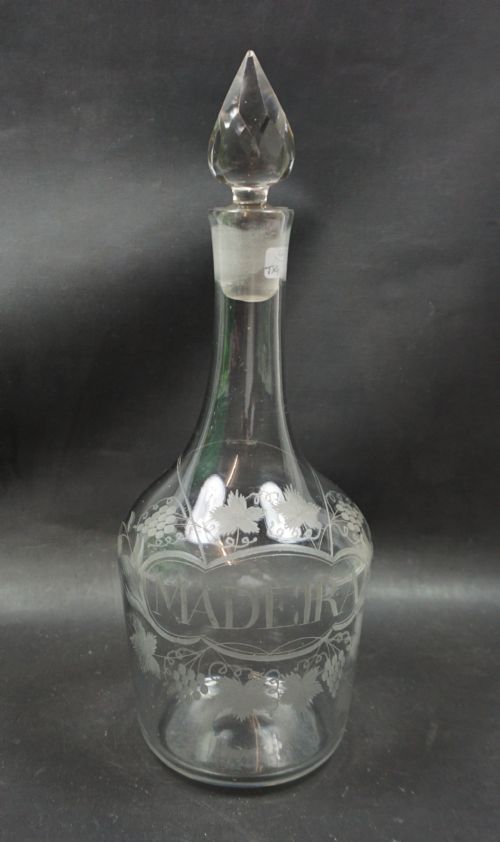
A georgian glass bottle encompasses a diverse range of functional vessels spanning the eighteenth and early nineteenth centuries, from robust wine flasks to delicate pocket scent phials. Collectors frequently encounter heavy lead crystal decanters, cylindrical wine jars, and vibrant coloured glass containers originating from English and European workshops.
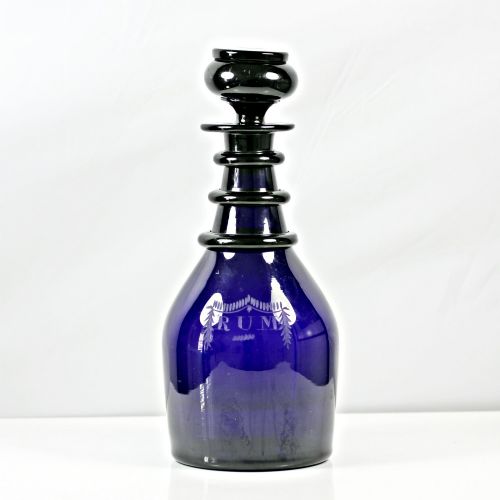
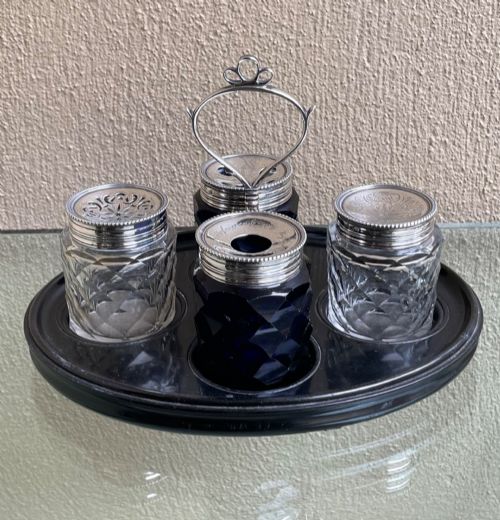
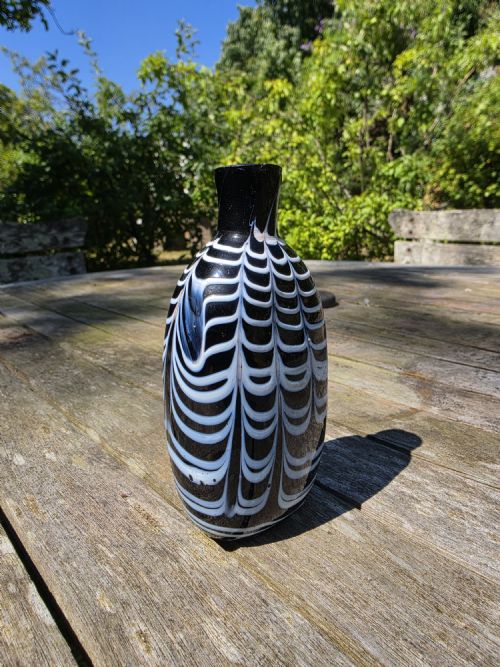
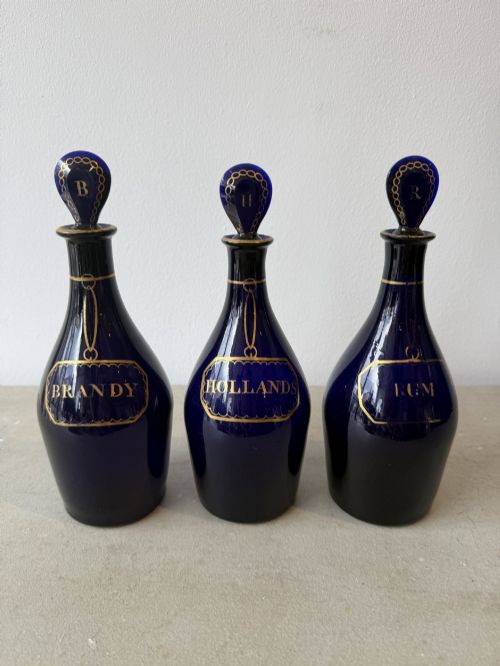
The selection includes specialised forms such as Bristol blue rum decanters, Nailsea flasks, apothecary tincture jars, and cruet bottles housed in silver or wooden stands. These pieces reflect the domestic habits of the period, designed to store and serve beverages, condiments, or personal fragrances with distinct regional character.
How they were made
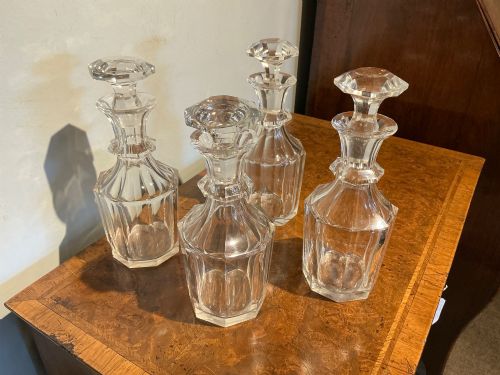
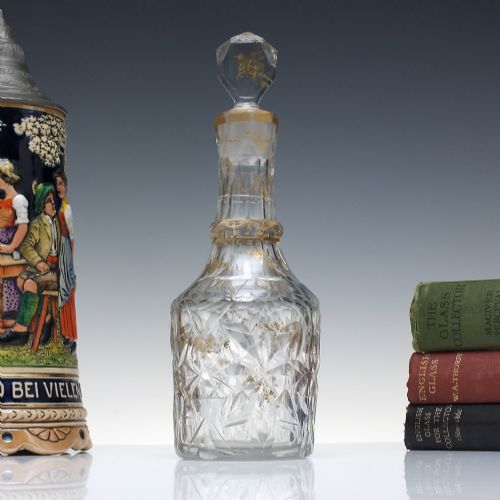
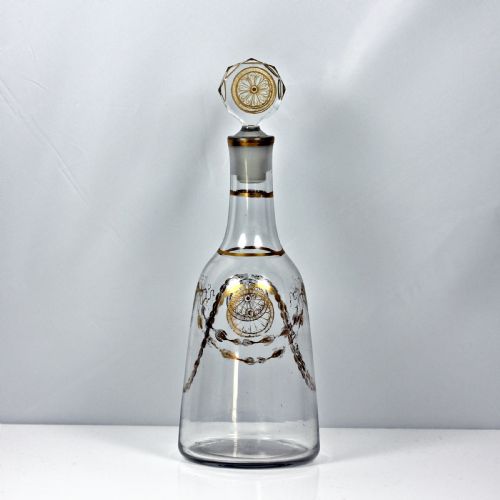
Glassmakers utilised lead crystal and blown glass, shaping vessels by hand before employing wheel-cutting techniques to create facets, flutes, and decorative rings around the neck. Many examples feature engraved labelling, hand-painted enamel details, or gilding applied by skilled decorators.
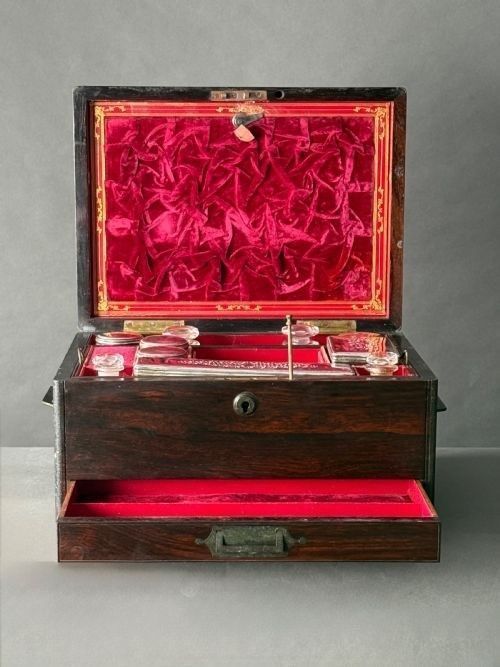
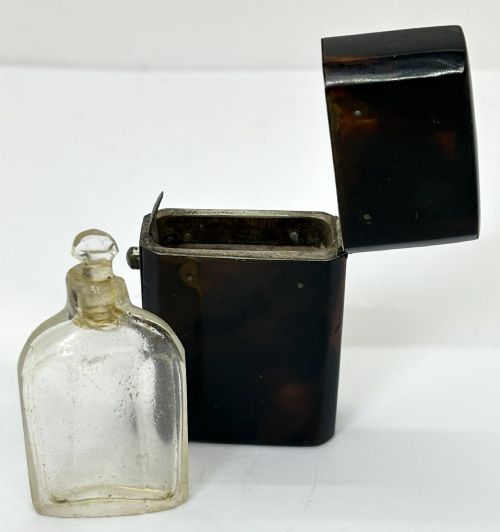
Some portable bottles integrate fitted mahogany, rosewood, or tortoiseshell boxes alongside sterling silver mounts, brass hardware, and gold leaf accents to secure fragile contents during travel.
Georgian Glass Bottle Retail Price Guide 2026
Typical asking prices for georgian glass bottle among the pieces listed under this phrase on Sellingantiques today, from the lower quarter to the upper quarter. They describe what is for sale here now, not the wider market.
Some tiny scent bottles survived inside pocket-sized tortoiseshell etuis made just for carrying perfume discreetly.
What varies in quality
The clarity and weight of the lead crystal distinguish standard utility vessels from superior examples, where deep wheel-cutting and sharp facet edges demonstrate exceptional craftsmanship. The richness of coloured glass, particularly deep Bristol blue or opaque opaline, also alters the visual presence of the piece.
Completeness dictates value and desirability, separating solitary bottles from those retaining original stoppers, matching sets, or accompanying silver labels and fitted wooden cabinetry.
James Giles·Hester Bateman·Charles Thomas Fox·Jonathan Douglas·Matthew Linwood
The Georgian Glass Bottle Glossary
- Bristol blue
- A deep cobalt-tinted glass produced in the Bristol area during the late eighteenth and early nineteenth centuries, highly prized for its intense hue.
- Mell decanter
- A mallet-shaped bottle designed with a wide base for stability during maritime or domestic transport.
- Lynn ring
- Raised horizontal glass bands encircling the neck of a decanter, originally intended to provide a secure grip for pouring.
- Nailsea glass
- Glassware characterised by streaked, looped, or splashed coloured patterns, originating from the Nailsea glassworks near Bristol.
- Decanter
- A decorative vessel utilised for holding and serving wine or spirits at the dining table.
Georgian Glass Bottle: Frequently Asked Questions
How do I date a glass bottle?
Dating relies on manufacturing traits such as pontil marks on the base, the presence of lead crystal weight, and stylistic indicators like neck rings or engraved labels. Period documentation and specific regional hues also help narrow the decade of production.
Changes in glass chemistry and cutting styles over the eighteenth and nineteenth centuries provide a reliable timeline for identification.
Were these bottles meant for display?
While many served a functional purpose on dining tables or in cellarets, finer cut glass decanters and gilded scent phials were intended to be showcased on sideboards and dressing tables.
Owners demonstrated status and taste through the quality of their glassware and the silver stands that often accompanied them.
How do I care for antique glass?
Antique glass requires gentle cleaning with warm water and mild soap, avoiding harsh chemicals or sudden temperature changes that could stress the material.
Stoppers should be stored separately or with a barrier to prevent them from sticking inside the neck.