
Georgian Giltwood Wall Mirror
A georgian giltwood wall mirror brings warmth and reflective light to a room through centuries-old craftsmanship.
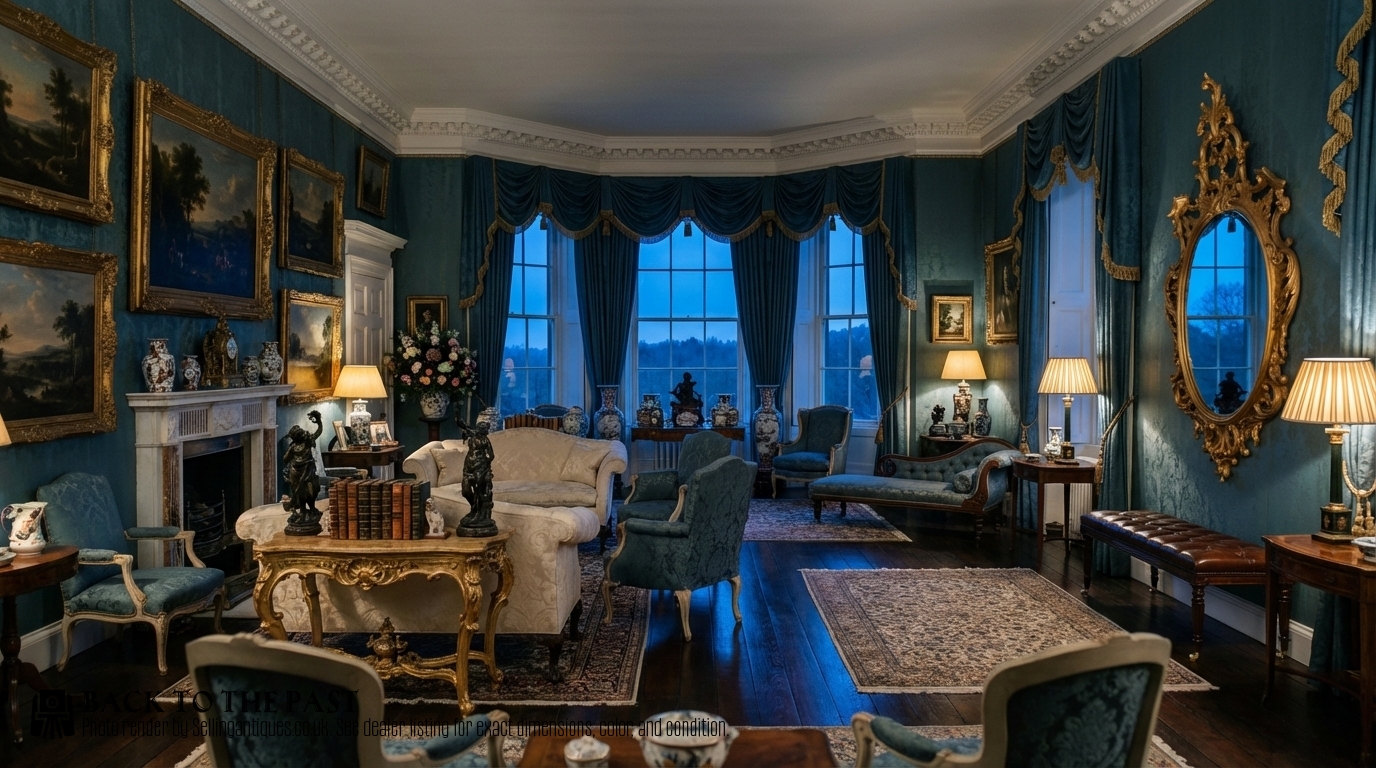
Georgian Giltwood Wall Mirror
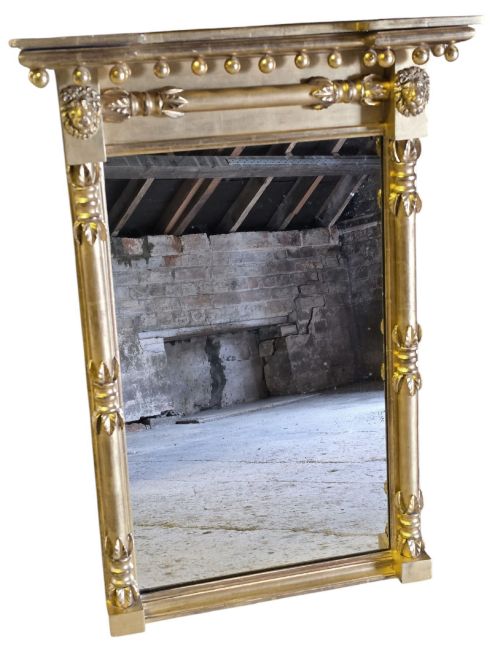
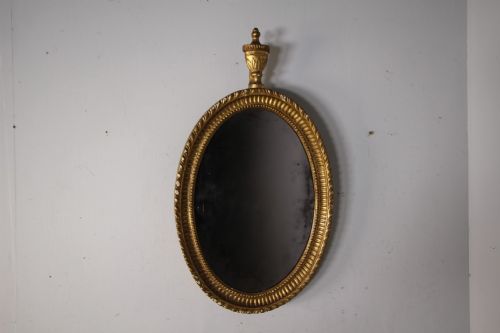
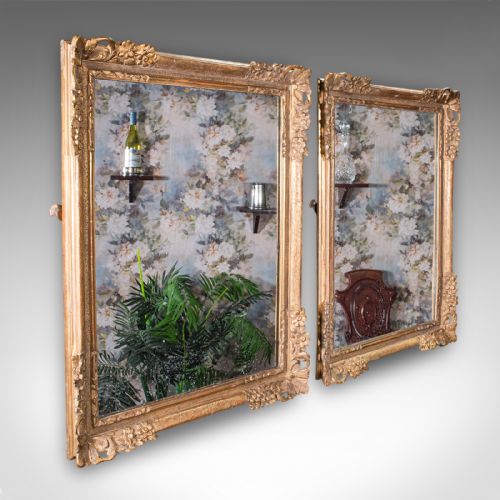
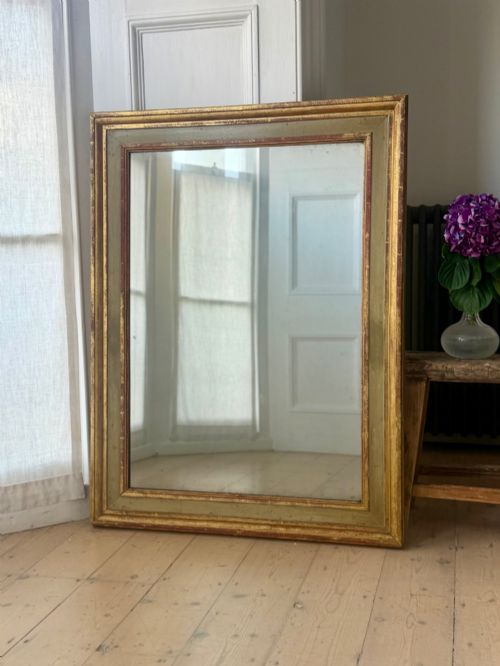
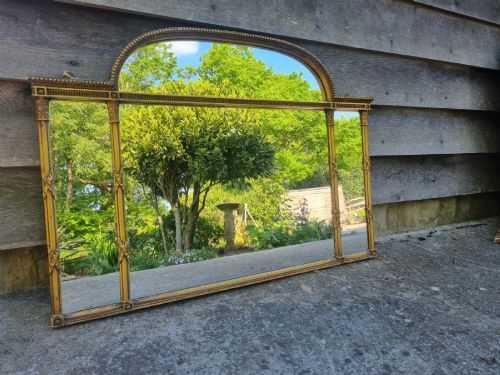
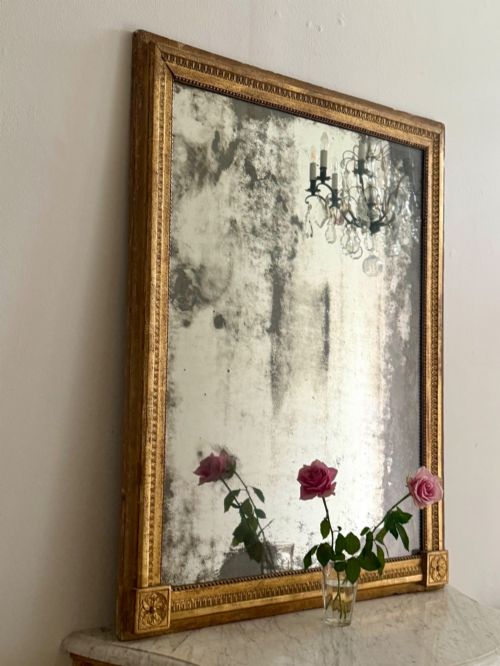
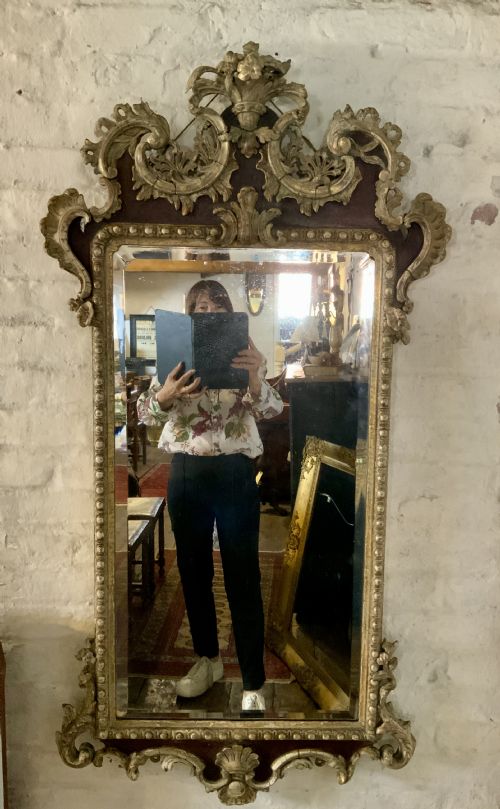
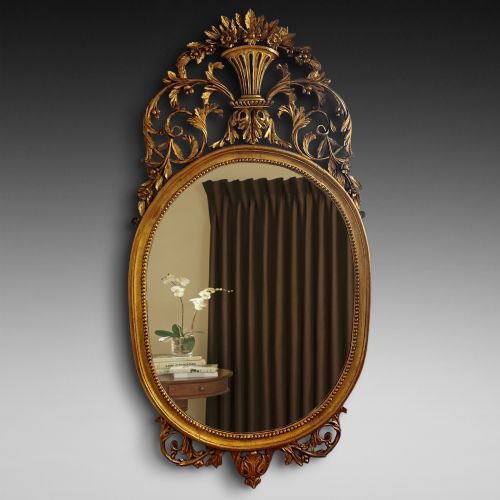
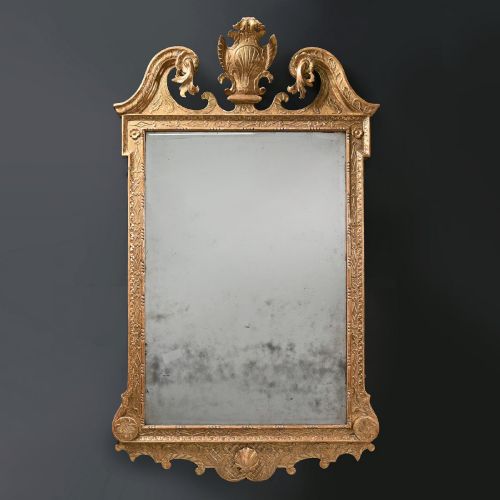
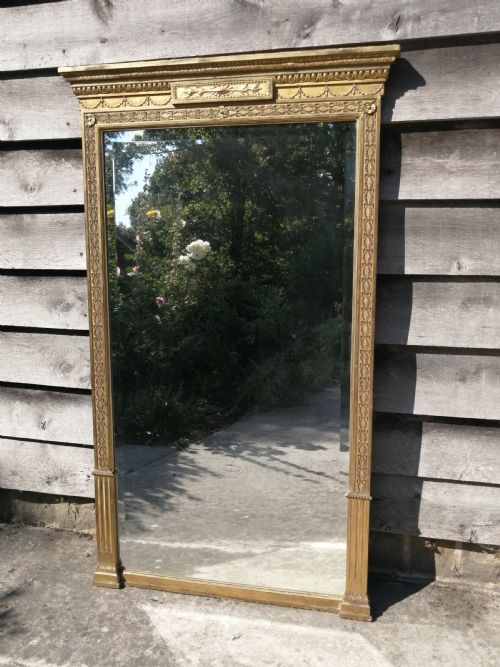
A georgian giltwood wall mirror is a framed looking glass designed to hang in principal rooms, reflecting natural daylight and interior candle or gas illumination. The selection encompasses grand overmantels, tall pier mirrors positioned between windows, and smaller oval or convex wall formats.
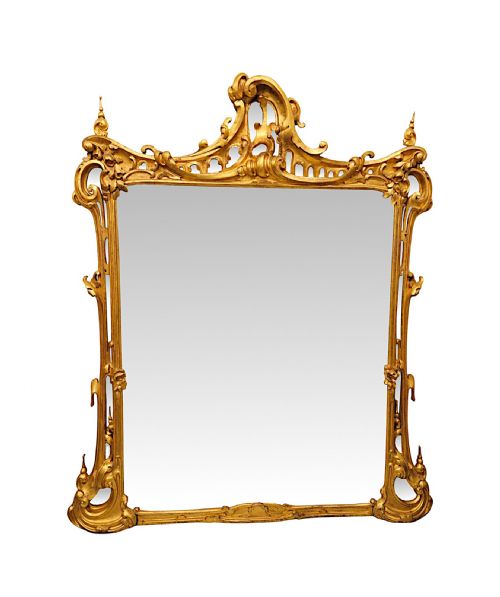
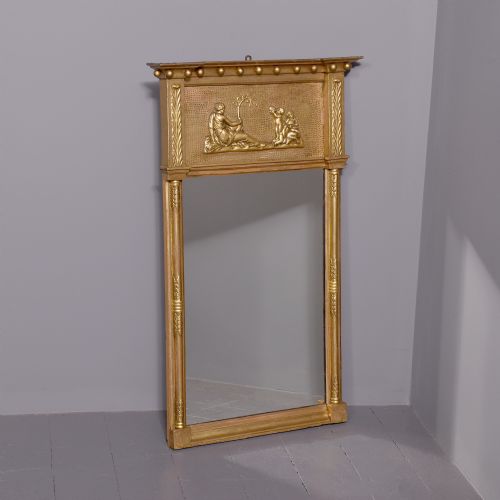
Most examples originate from the eighteenth and nineteenth centuries, spanning Georgian, Regency, and Victorian periods alongside later revival interpretations. Forms range from classical architectural frames to elaborate rococo carvings incorporating scrolls, foliage, and figural details.
How They Were Made
Frames are constructed from timber bases such as pine or mahogany, coated in layers of gesso to build up intricate relief ornaments before gilding. Artisans applied thin sheets of gold leaf over bole to achieve a brilliant metallic sheen across the carved surfaces.
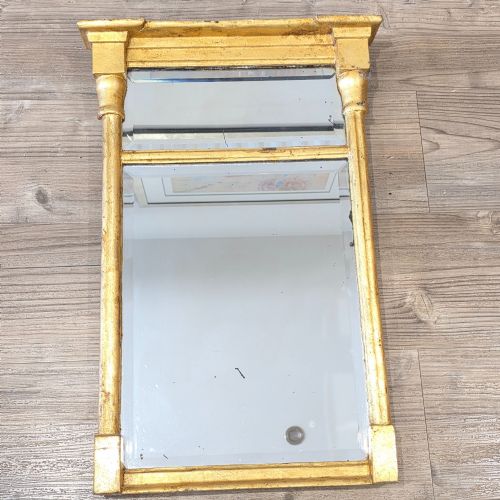
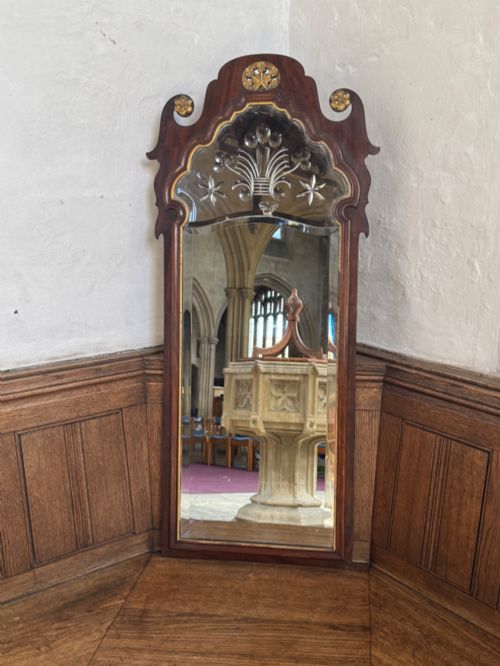
Reflective plates consist of silvered glass, often with mercury backing in older examples, held within the rebate by wooden backing boards. Specialised techniques such as verre églomisé panels and reverse cut plates frequently adorn the upper sections of pier glasses.
Listings feature 18th-century, Regency, and Victorian periods alongside George II and Chinese Chippendale styles.
What Varies In Quality
The crispness and depth of the hand-carving define the sculptural quality of the frame, where deep undercut foliage and sharp gesso mouldings outclass soft, shallow execution. Originality of components matters immensely, distinguishing untouched antique surfaces from later regilding or replaced glass plates.
Proportion and architectural balance dictate the visual impact of larger formats like overmantels and pier mirrors. Finer execution shows careful harmony between the glass dimensions and the surrounding decorative motifs.
The Georgian Giltwood Wall Mirror Glossary
- Giltwood
- Wood that has been coated with gold leaf. This finish provides a durable and reflective metallic surface.
- Gesso
- A mixture of plaster of Paris and glue used as a base for gilding. It allows artisans to carve intricate relief details before applying gold leaf.
- Overmantel mirror
- A large glass designed to hang above a fireplace mantel. These pieces often feature wide rectangular or arched formats.
- Pier mirror
- A tall, narrow looking glass made to fit the wall space between windows. They frequently incorporate console tables or candle arms beneath.
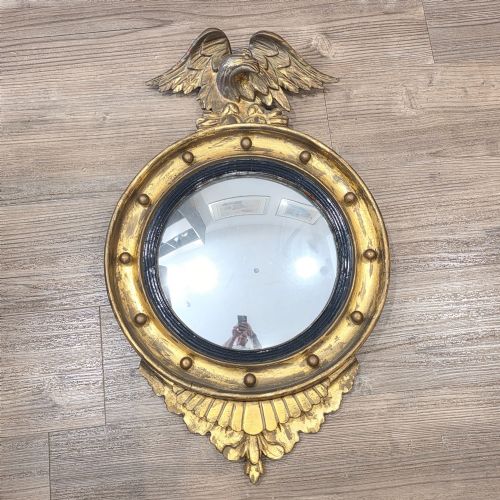
- Convex mirror
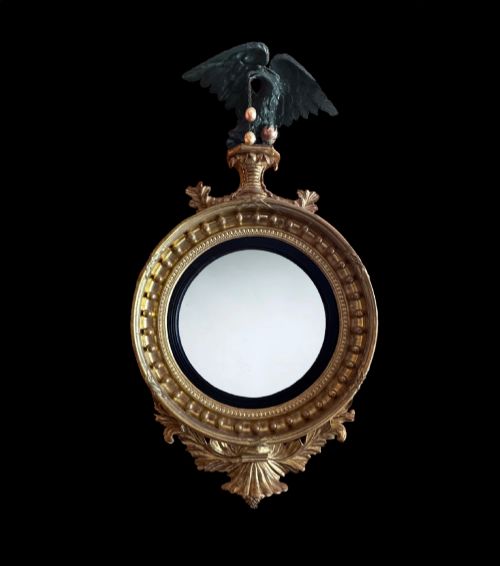
- A round glass curved outward to provide a wide-angle reflection of the room. These are often surmounted by carved eagles or topped with ball-accented frames.
Georgian Giltwood Wall Mirror: Frequently Asked Questions
Where should I hang a large overmantel mirror?
These large glasses are traditionally positioned directly above a fireplace mantelpiece to anchor the room's proportions.
Ensure the wall fixings are securely anchored into studs or masonry to support the considerable weight of the wooden and gesso frame.
How do I identify a period frame?
Examine the construction of the wooden backing boards and the composition of the gesso layers beneath the gold leaf.
Period pieces display hand-cut joinery, oxidized pins, and natural wear patterns that modern reproductions cannot replicate.
What causes foxing on antique glass?
Foxing occurs when moisture degrades the silver backing behind the glass plate over long periods.
This creates characteristic dark spots and cloudy patches that many collectors value as proof of genuine age.
How do convex mirrors function in a room?
Convex glass curves outward to capture a panoramic reflection of the entire interior space within a compact frame.
They were historically placed opposite windows to distribute incoming daylight deeper into the room.