



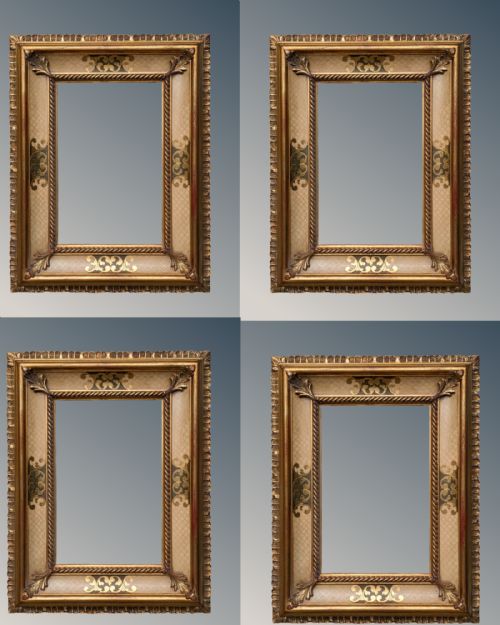
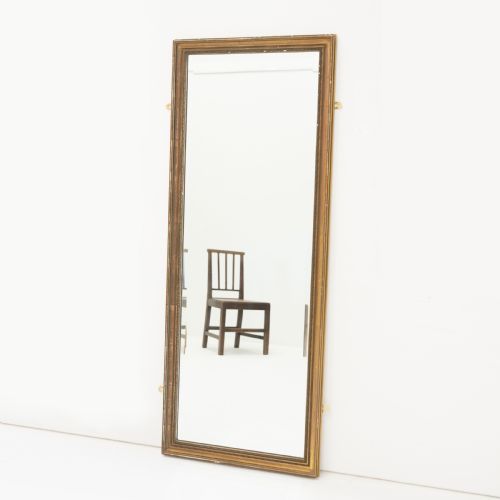


Classic Gold Frame Mirror
A classic gold frame mirror brings warmth and depth to a room, catching the light in a way few other decorative objects can.
Classic Gold Frame Mirror
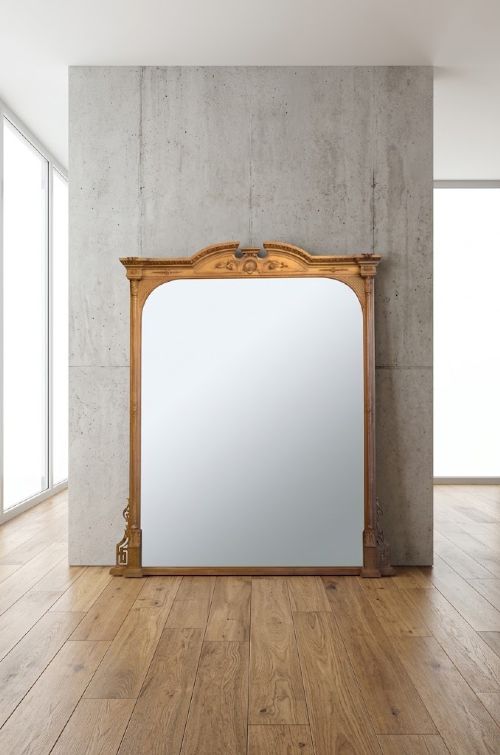
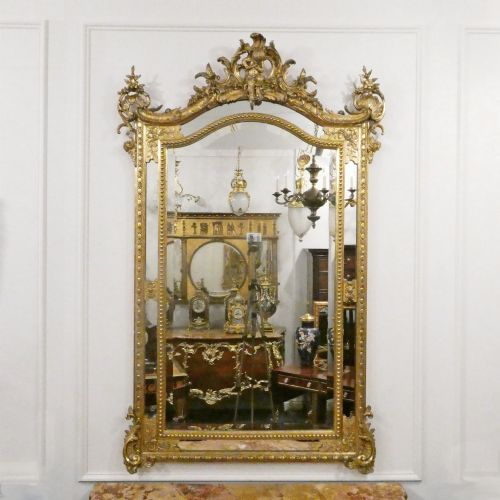
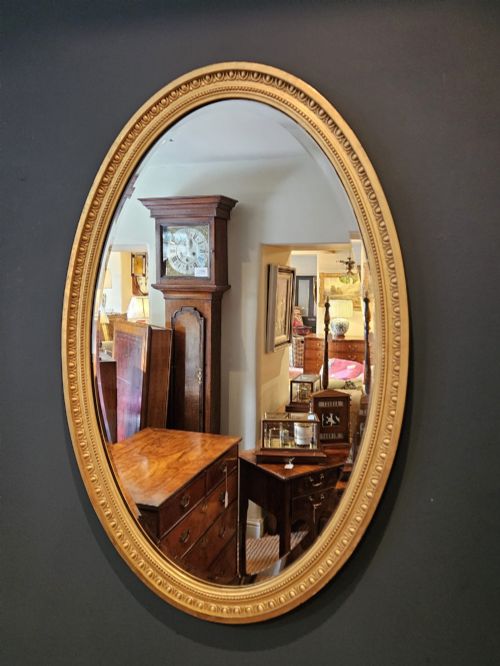
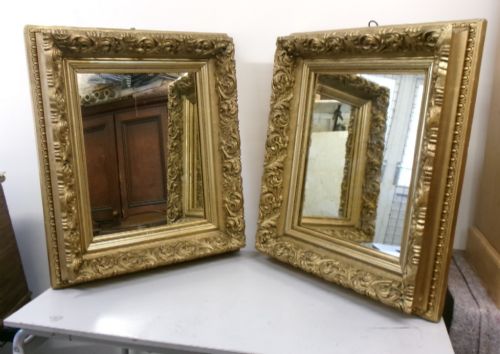
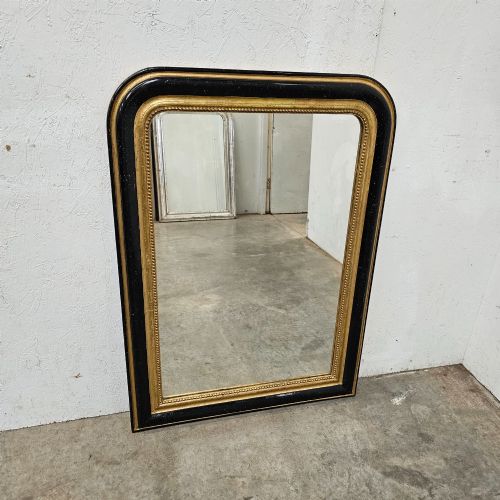
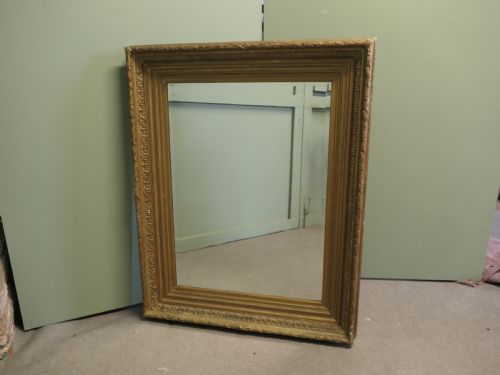
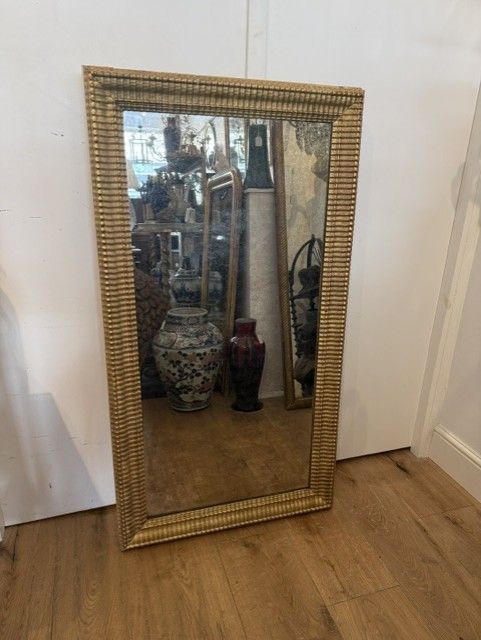
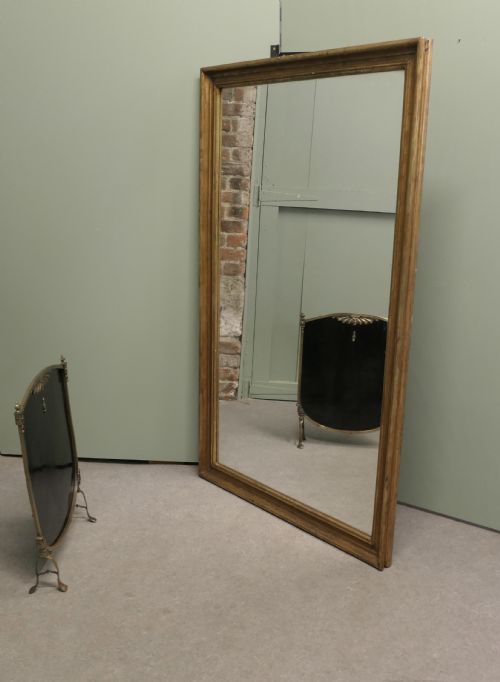
When searching for a classic gold frame mirror, buyers encounter a rich assortment of antique wall hangings, overmantels, and pier glasses spanning several centuries. The selection ranges from compact Victorian oval pieces to substantial Georgian and French nineteenth-century overmantel mirrors designed to anchor a principal room.
The pieces on this page draw on various historical traditions, including Regency, Edwardian, Louis Philippe, and Louis XVI styles. Buyers frequently meet nineteenth-century English and French examples that showcase traditional gilding and substantial proportions suited for domestic interiors.
Materials and construction methods
Makers of these mirrors utilised wood, gesso, and composition to build up elaborate decorative mouldings, which were then gilded with gold leaf or metal leaf. Carved wooden frames often incorporate gesso applied over a timber base to create crisp relief ornament.
Mirrors of this period rely on traditional mirror glass, frequently showing natural ageing and foxing that reflects their long history. Heavier frames incorporate structural joinery to support the substantial weight of the glass plate safely.
Classic Gold Frame Mirror Retail Price Guide 2026
Typical asking prices for classic gold frame mirror among the pieces listed under this phrase on Sellingantiques today, from the lower quarter to the upper quarter. They describe what is for sale here now, not the wider market.
The listings on this page span the eighteenth, nineteenth, and early twentieth centuries, featuring Victorian, Georgian, and French stylistic influences.
Factors determining quality
The distinction between standard examples and the finest pieces lies in the crispness of the carved detail and the depth of the gilding technique. Skilled artisans achieved sharper relief in gesso and wood, whereas lesser items relied on simpler cast composition ornaments.
Proportion and scale dictate the overall presence of the piece, with superior mirrors displaying balanced symmetry and well-considered sight lines. Original mirror plates and intact foundational frames further elevate the standing of an antique mirror.
The Classic Gold Frame Mirror Glossary
- Giltwood
- Wood that has been coated with gold leaf or metal leaf over a prepared surface. This traditional finish provides a warm, reflective surface that ages gracefully over time.
- Gesso
- A plaster-like material applied to wood frames and carved or moulded into intricate decorative patterns before gilding. It allows for sharp, detailed ornament.
- Overmantel mirror
- A large mirror specifically designed to hang above a fireplace mantelpiece. These pieces often feature wide horizontal proportions to suit the mantel below.
- Pier glass
- A tall, narrow mirror traditionally hung on the wall space between two windows, known as the pier. These mirrors maximise light in period rooms.
Classic Gold Frame Mirror: Frequently Asked Questions
How do I hang a heavy overmantel mirror?
Heavy antique mirrors require robust fixings secured directly into wall studs or masonry using appropriate brackets.
Professional installation ensures the weight of the timber and glass is safely supported.
How do I clean an antique gilt frame?
Dust gilt frames gently with a soft, dry brush to remove surface particles without disturbing the delicate gold leaf.
Avoid using water, chemical sprays, or abrasive cloths that can strip the historic finish.
Are antique mirror plates original?
Many antique mirrors retain their original glass, which often displays minor foxing, dark spots, and gentle distortion.
These natural signs of age confirm the antiquity of the piece and add distinctive character to the reflection.