
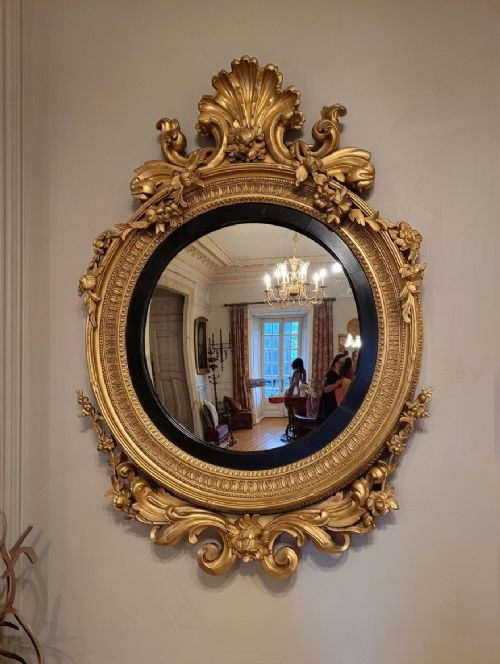


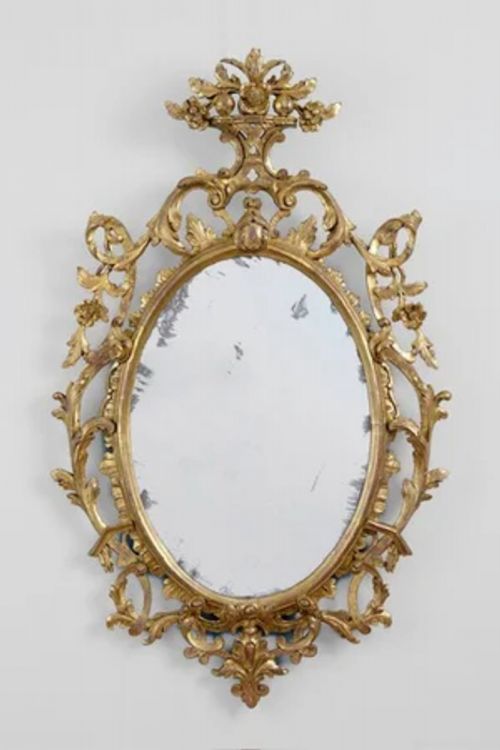


Georgian Giltwood Oval Mirror
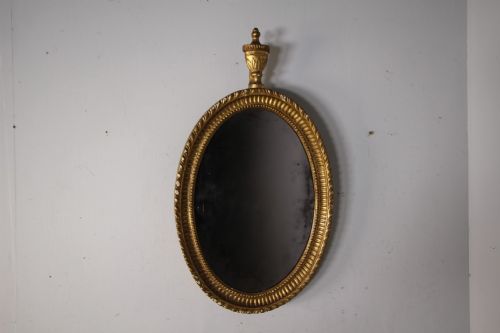
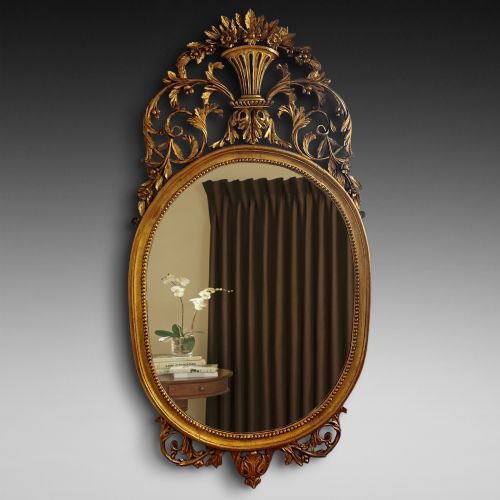
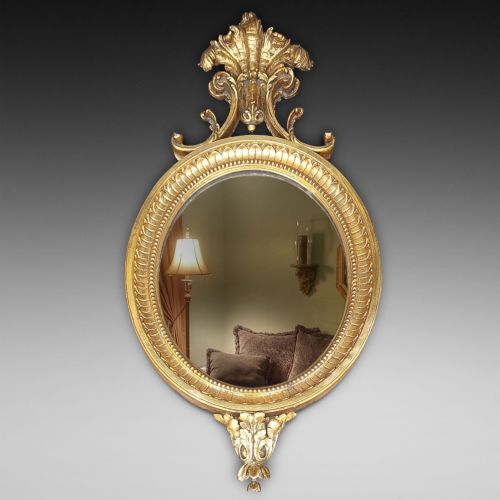
A georgian giltwood oval mirror brings warmth and neoclassical elegance to a room, reflecting light through intricately carved frames.
Georgian Giltwood Oval Mirror
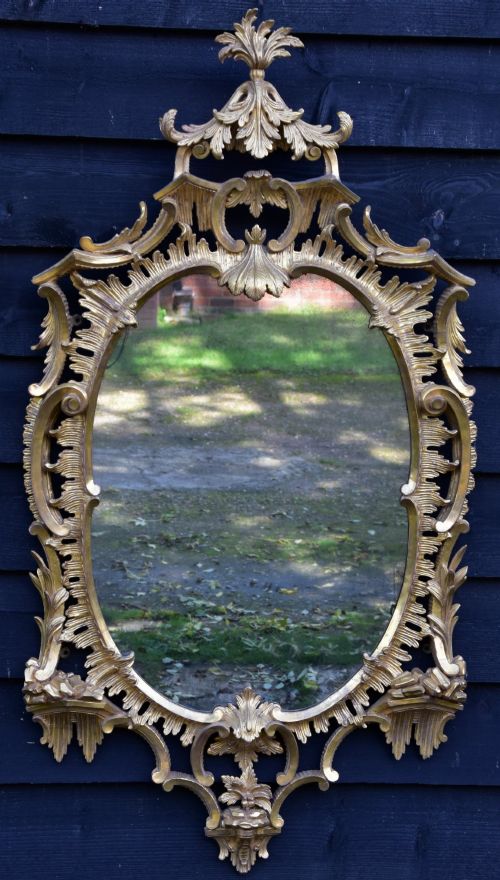
When you search for a georgian giltwood oval mirror, you encounter wall-hanging and overmantle pieces shaped by 18th-century design. The most common examples span the Georgian, Regency and Victorian periods, often incorporating Adam revival or Chippendale style motifs.
The form appears in various dimensions, from miniature wall pieces to large overmantle designs intended for principal reception rooms. Frames typically feature carved wood and gesso finished in gold leaf, framing an original or replacement glass plate.
What varies in quality
The depth and crispness of the wood carving distinguish superior examples from simpler production. Hand-carved elements display precise undercut details in the foliage and scrollwork, whereas lesser versions rely heavily on moulded gesso over plain timber bases.
The integrity of the original gilding and the condition of the glass plate influence the overall character of the piece. Surviving mercury plates with natural foxing retain greater historic depth than clear modern replacements.
The listings span multiple centuries, uniting 18th-century Georgian craftsmanship with 19th-century Regency and later revival periods.
The Georgian Giltwood Oval Mirror Glossary
- Giltwood
- Wood covered with thin sheets of gold leaf. This finish creates the characteristic luminous surface seen on period frames.
- Gesso
- A plaster mixture applied to wood frames to create a smooth surface for carving and gilding. It allows for crisp ornamental details.
- Mercury plate
- An early type of mirror glass backed with a tin-mercury amalgam. It produces a characteristic mottled reflection known as foxing.
- Girandole
- A decorative wall mirror featuring attached candle sconces. The candle arms reflect additional light into the interior space.
- Overmantle
- A large mirror designed to hang above a fireplace mantelpiece. These horizontal or tall oval pieces dominate the chimney breast.
Georgian Giltwood Oval Mirror: Frequently Asked Questions
How do I hang a heavy antique mirror?
These frames require secure wall fixings suited to the weight of the timber and gesso construction. Professional installation into structural wall studs ensures safe suspension.
Position the mirror at eye level to maximise light distribution and balance the proportions of the surrounding furniture.
Are original mirror plates clear?
Period mercury plates often exhibit foxing, which appears as dark spots and cloudy areas within the glass. This ageing process results from chemical changes behind the glass over centuries.
Many collectors prize this characteristic for confirming the antiquity of the piece, though some prefer the clarity of later replacement glass.
How should I clean a giltwood frame?
Dust the carved surfaces gently with a soft, dry brush to prevent damage to the delicate gold leaf. Moisture and commercial cleaning agents strip the historical finish.
Professional conservation is recommended for any structural repairs or extensive cleaning of fragile gesso details.
What is the difference between Georgian and Regency styles?
Georgian design frequently utilises ornate neoclassical motifs, elaborate swags and symmetrical floral arrangements influenced by architects like Robert Adam. Regency pieces lean towards bolder, heavier classical lines often drawing on ancient Roman and Greek precedents.
Both periods employ similar giltwood and gesso techniques, differing primarily in ornament and overall silhouette.