
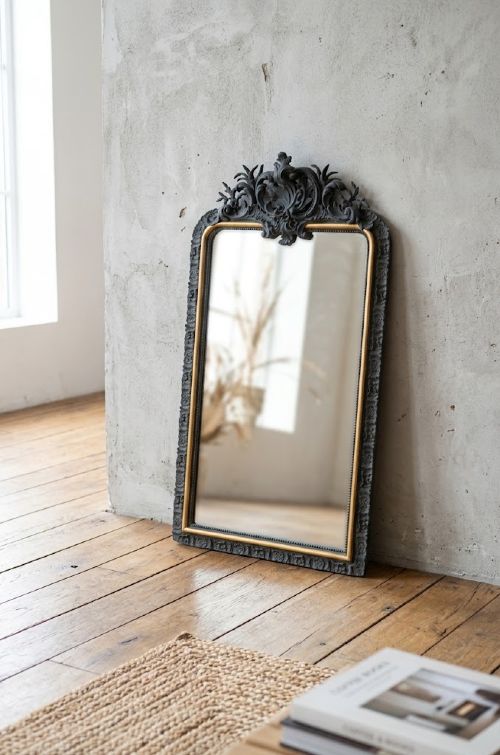
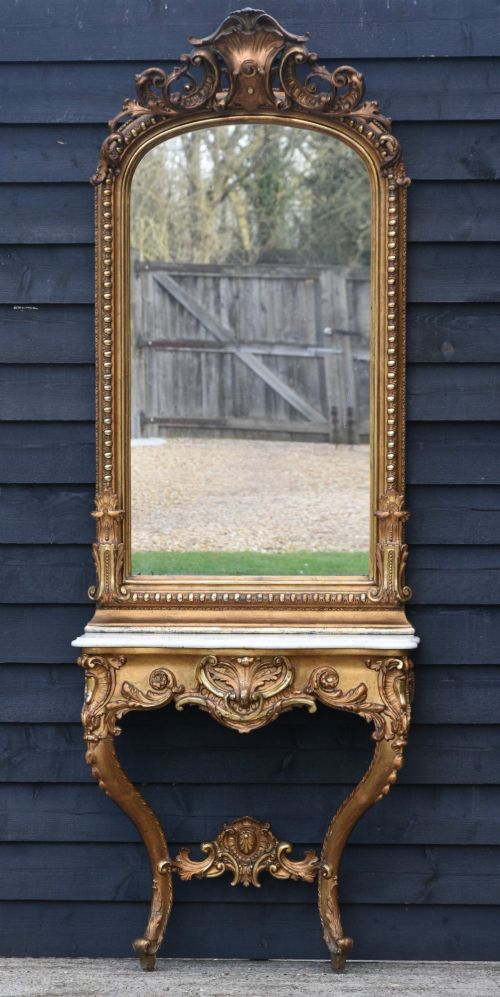
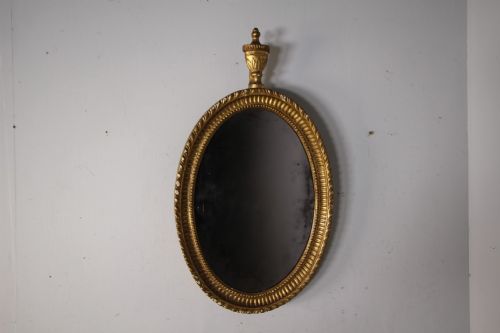
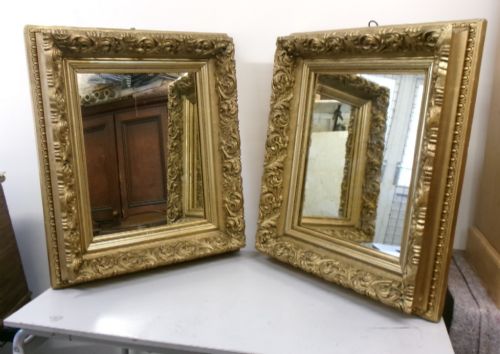

Carved Giltwood Wall Glass
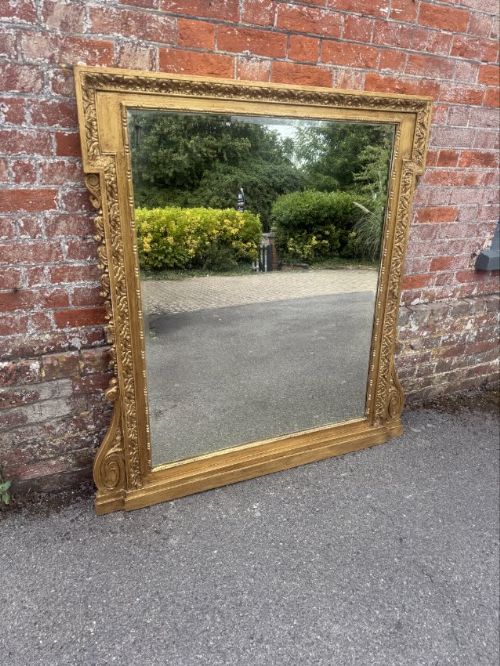
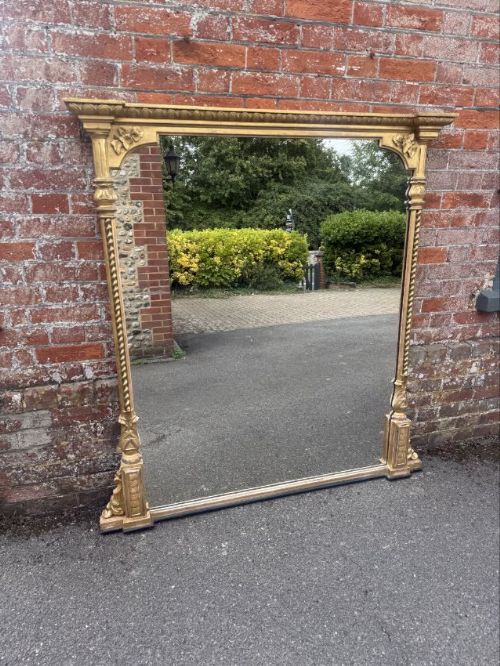
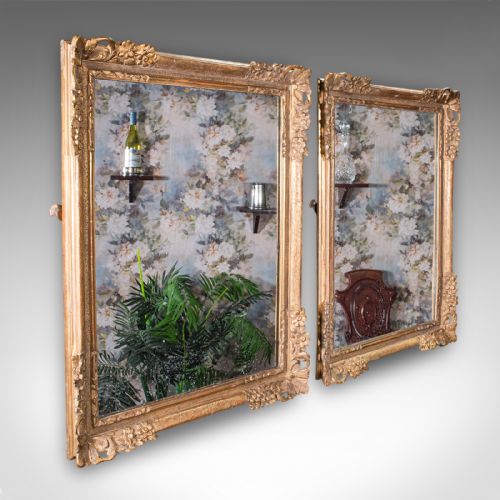
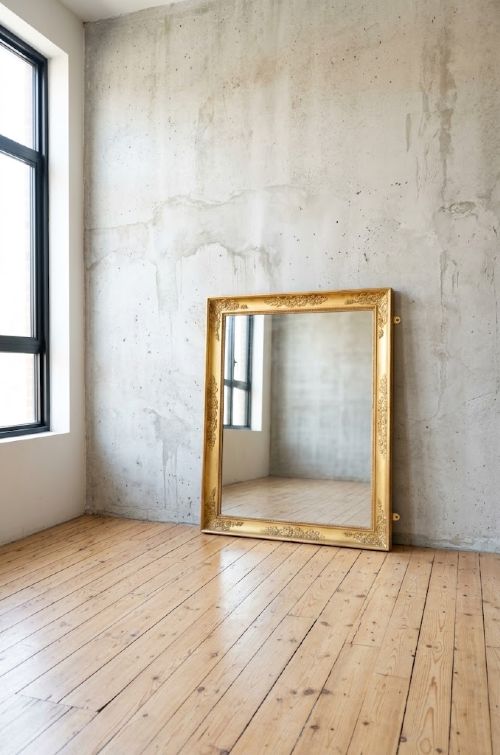
A carved giltwood wall glass brings warmth and reflected light to a room, drawing the eye with gilded surface and carved detail.
Carved Giltwood Wall Glass
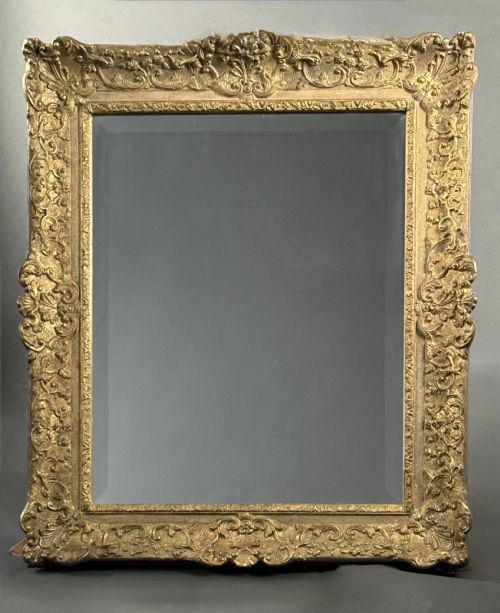
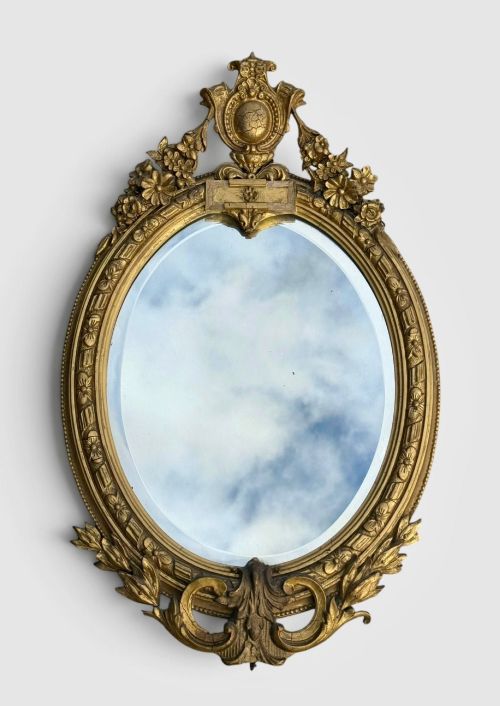
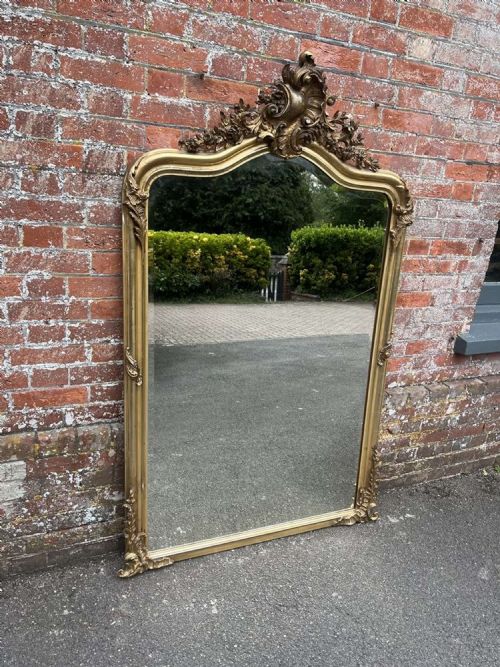
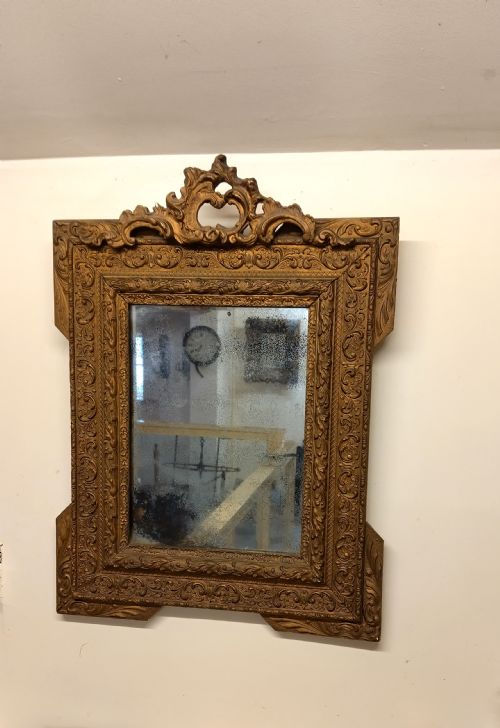
A carved giltwood wall glass is a decorative mirror designed to hang on a wall, combining a timber frame with a reflective glass plate. These pieces span several centuries, with a strong representation of nineteenth-century examples alongside eighteenth-century works.
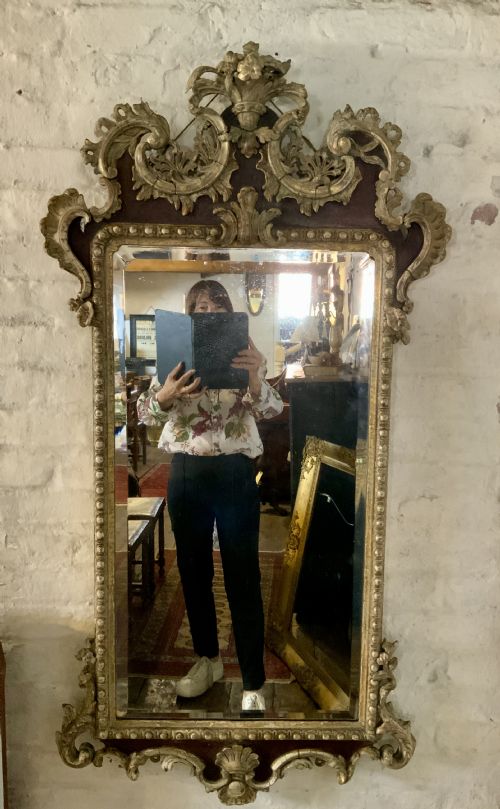
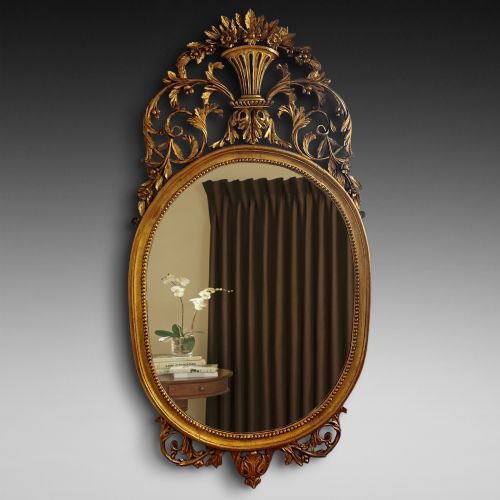
The forms on this page include tall pier mirrors, wide overmantels, and shaped wall mirrors from English and continental workshops. Buyers will frequently encounter Victorian and Regency interpretations, alongside Rococo Revival designs featuring elaborate floral and scroll motifs.
How They Were Made
Carved wood frames form the structural core, often built from pine, walnut, or mahogany before receiving layers of gesso to create a smooth surface for gilding. Artisans applied gold leaf or composition metal onto the gesso ground, sometimes burnishing the finish to achieve a bright reflective sheen.
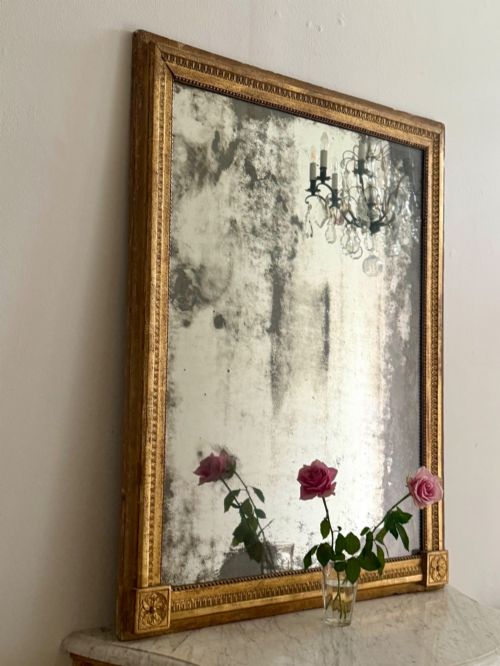
Mirror plates were traditionally produced as mercury glass or silvered glass, held within the rebate of the frame and secured with wooden backs. Many surviving plates retain foxing, where chemical changes behind the glass create mottled dark spots over time.
Carved Giltwood Wall Glass Retail Price Guide 2026
Typical asking prices for carved giltwood wall glass among the pieces listed under this phrase on Sellingantiques today, from the lower quarter to the upper quarter. They describe what is for sale here now, not the wider market.
Certain nineteenth-century mirrors on this page bear subtle Masonic symbols carved directly into the giltwood frames.
What Varies in Quality
The distinction between ordinary and superior pieces lies in the crispness and depth of the hand-carving on the wooden frame. Sharply defined acanthus leaves, scrollwork, and crisp gesso mouldings indicate skilled handcraft rather than mass-produced composition ornament.
The preservation of the original surface finish and mirror plate also determines the standing of a piece. Retaining the original gilding, untouched backboards, and authentic mercury or bevelled glass plates separates a well-preserved survivor from one with heavy later intervention.
The Carved Giltwood Wall Glass Glossary
- Giltwood
- Timber that has been coated in gold leaf or powdered gold over a prepared gesso base. This finish provides a warm, metallic lustre that ages with a soft patina.
- Gesso
- A mixture of chalk, gypsum, and glue used as a priming ground on wooden frames. It accepts fine carving details and provides a smooth bed for gilding.
- Pier glass
- A tall mirror specifically made to hang on the wall space between windows. These often sit above console tables or low cabinets.
- Overmantel mirror
- A wide mirror designed to sit directly above a fireplace mantelpiece. Their horizontal proportions reflect light across the main seating area of a room.
- Foxing
- The natural oxidation and ageing of a mirror plate resulting in dark, speckled patches. Collectors value original foxing as evidence of period authenticity.
Carved Giltwood Wall Glass: Frequently Asked Questions
How do I date a giltwood mirror?
Dating relies on combining the construction methods of the timber frame with the style of the carving. Eighteenth-century frames often use layered gesso on pine with distinct tool marks, while nineteenth-century pieces may incorporate composition ornaments.
The mirror plate itself offers further clues, as mercury glass and bevelled edges correspond to specific manufacturing periods. Comparing the joinery at the corners of the frame with known stylistic eras helps narrow the date further.
What is mercury glass?
Mercury glass is an early type of mirror plate produced by applying a tin and mercury amalgam to the back of the glass sheet. This historical method creates a characteristic deep reflection with a slightly cloudy appearance.
Over the decades, chemical reactions cause the backing to degrade into foxed spots. These mottled markings are distinct from modern silver nitrate coatings.
Where should I hang a pier glass?
A pier glass is traditionally suited for narrow wall spaces, particularly between two windows or above a narrow console table. Hanging it at eye level allows the glass to bounce natural daylight back into the interior.
Because these frames carry substantial weight from the timber and gesso construction, they require secure wall fixings anchored into studs or masonry.
How do I clean a giltwood frame?
Cleaning giltwood requires minimal intervention to protect the fragile gold leaf and gesso surface. Dusting gently with a dry, soft brush prevents particle buildup without disturbing the delicate finish.
Water and chemical solvents must be avoided, as moisture causes the underlying gesso to soften and lift from the wood.