

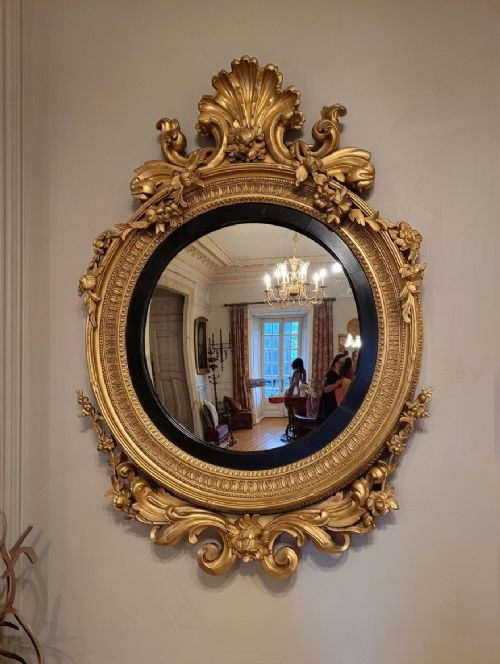
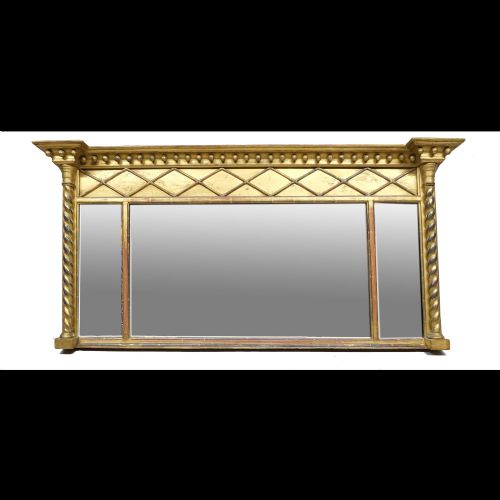
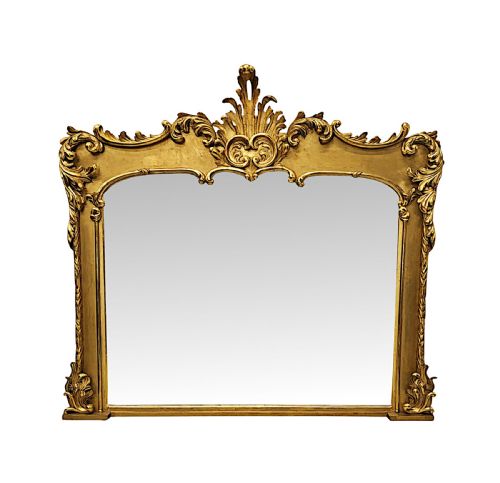
Georgian Gilt Overmantel Mirror
A georgian gilt overmantel mirror brings warmth and reflective breadth above a fireplace, anchoring a room with period proportion and bright gilding.
Georgian Gilt Overmantel Mirror
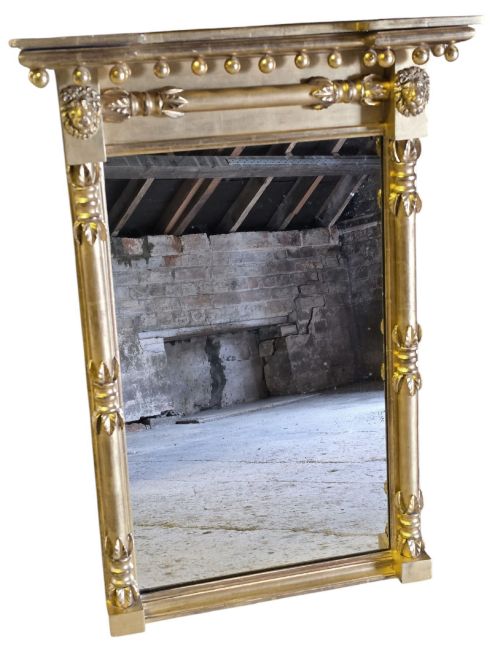
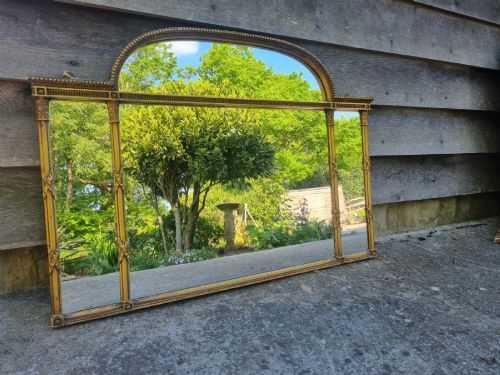
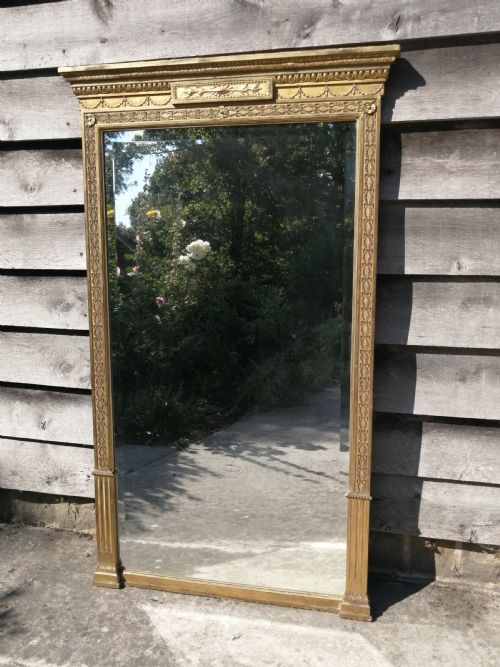
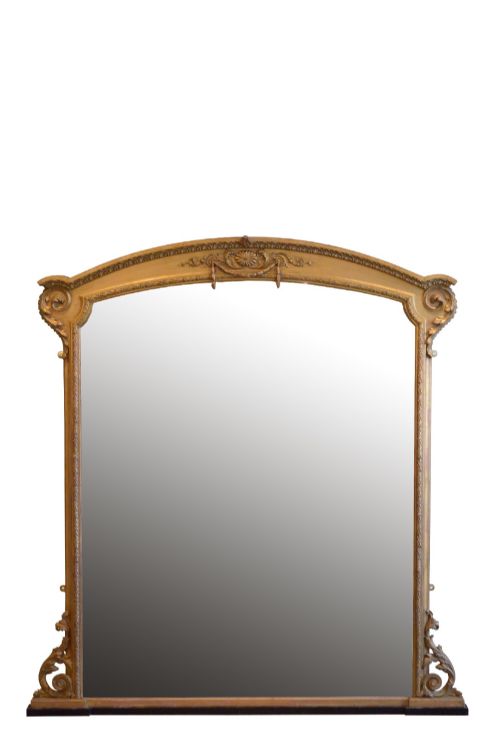
A georgian gilt overmantel mirror is a substantial wall glass designed to hang above a hearth, often stretching horizontally to reflect the breadth of the room. These works originate across the eighteenth and nineteenth centuries, spanning Georgian, Regency, and Victorian periods with revival designs.
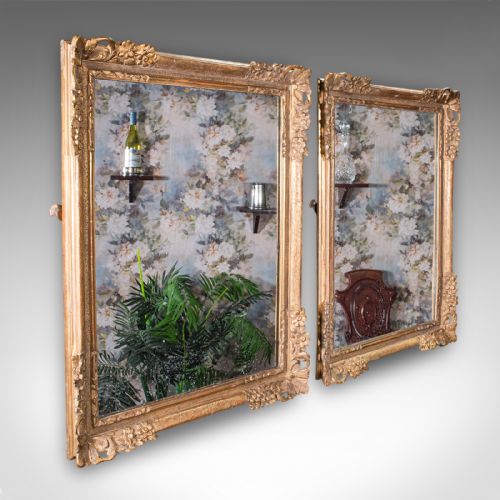
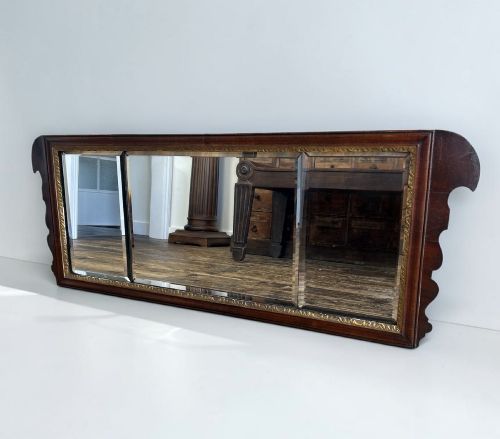
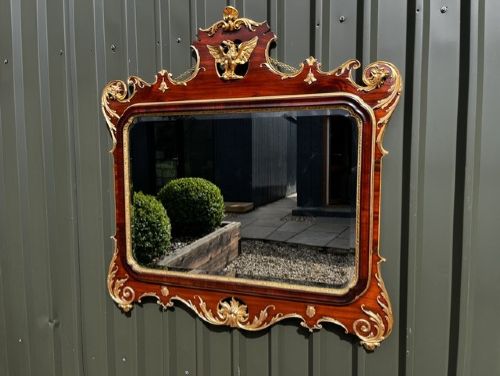
The versions most commonly met on this page include large giltwood frames, landscape formats, and pier mirrors alongside carved wooden overmantels. Makers utilised mahogany, walnut, and parcel gilt alongside composition and gesso mouldings to achieve classical proportions.
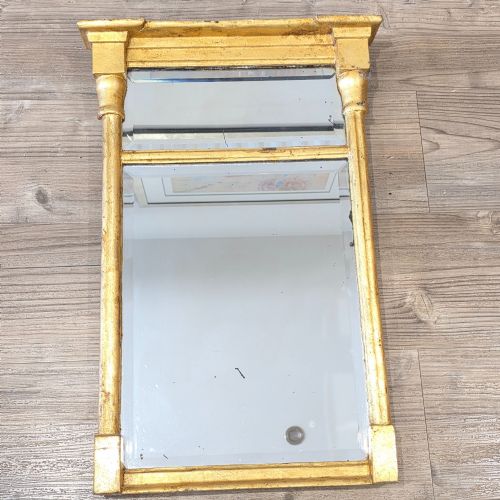
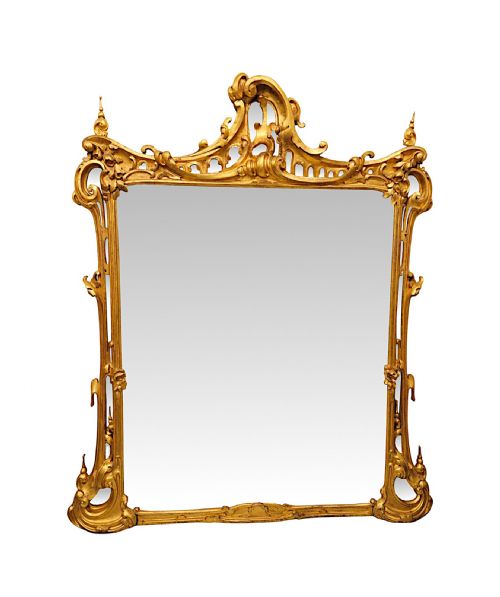
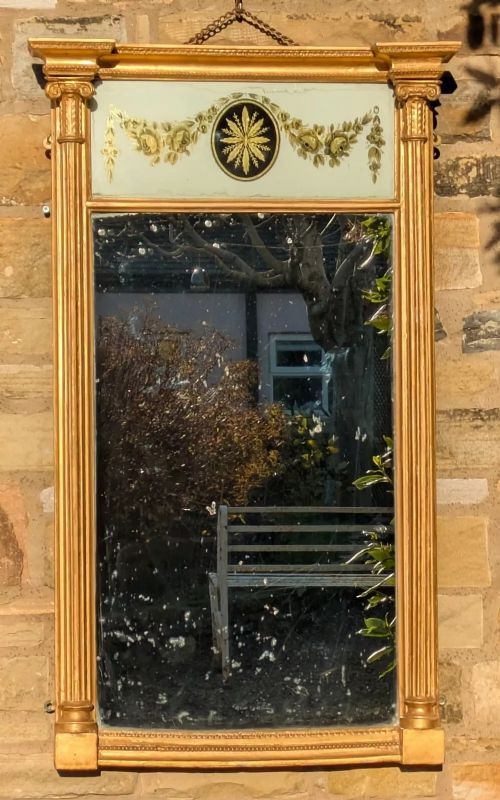
Surviving examples range from simple rectangular plates to elaborate compartmental frames incorporating verre eglomise panels, painted surfaces, and neoclassical or rococo motifs.
How they were made
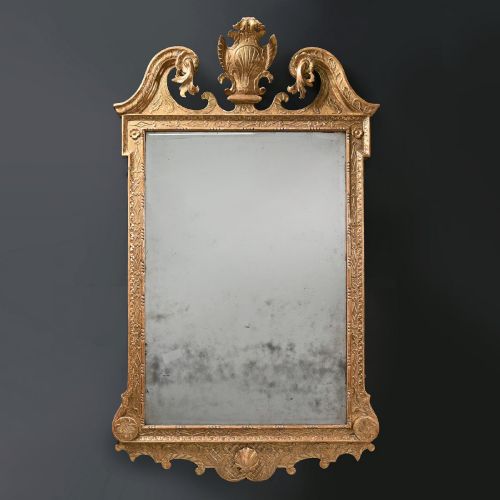
Carvers shaped wooden foundations from timber such as mahogany, walnut, and softwoods, applying layers of gesso to build up intricate relief details before gilding. Artisans utilised gold leaf and composition mouldings to create the metallic brilliance seen across these frames.
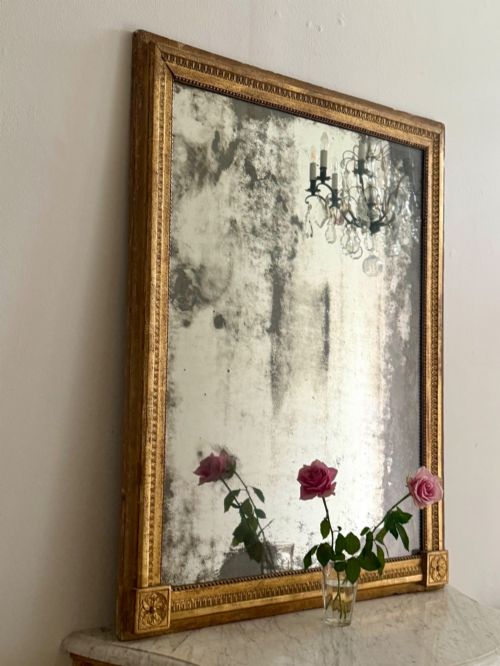
Mirrors relied on mercury glass or early silvered plates, which frequently exhibit foxing over time. Glaziers sometimes sectioned the glass into triple plates or added decorative top panels to suit the grand scale of domestic interiors.
Listings feature 18th-century, Regency, and Victorian periods, utilising giltwood, gesso, mahogany, and glass.
What varies in quality
Depth of carving and crispness of relief separate standard frames from superior examples, as skilled carvers undercut the wood rather than relying heavily on moulded composition. The integrity of the original gilding and the survival of early or untouched mirror plates elevate the stature of a piece.
Proportion dictates visual success, with finer mirrors displaying balanced framing that complements the architectural scale of fireplace mantelpieces. The presence of secondary woods and untouched backboards further indicates the standard of workshop execution.
The Georgian Gilt Overmantel Mirror Glossary
- Overmantel mirror
- A large wall glass specifically proportioned to hang on the chimney breast above a fireplace mantel.
- Giltwood
- Timber that has been coated with a thin layer of gold leaf over a prepared gesso ground. This surface provides a warm, reflective metallic finish.
- Gesso
- A plaster mixture applied to carved wooden frames to create a smooth surface for gilding and low-relief ornament. Artisans carved intricate details directly into this hardened layer.
- Foxing
- The natural age-related spots and discoloration that develop within antique mirror plates as the backing degrades. This chemical reaction creates a soft, mottled appearance across the glass.
- Verre eglomise
- A traditional technique involving cold painting and gilding on the reverse side of glass panels. These decorative inserts frequently appear above the main mirror plate in Regency pieces.
- Trumeau mirror
- A decorative wall glass combined with a painted or carved panel within a single architectural frame. These large fixtures originated in France before becoming popular in English interiors.
Georgian Gilt Overmantel Mirror: Frequently Asked Questions
Where should an overmantel mirror be hung?
These mirrors traditionally anchor the space directly above a fireplace mantelpiece, reflecting light and balancing the vertical proportions of the hearth.
They also function effectively on principal salon walls where their grand scale can replicate the architectural presence of a chimney breast.
How do I identify a Regency mirror?
Regency pieces often display classical motifs such as reeded columns, ball-stud frames, and verre eglomise panels reflecting early nineteenth-century neoclassical tastes.
Makers frequently incorporated bold architectural lines and lighter giltwood mouldings compared to the heavier ornamentation of later Victorian revivals.
What is foxed glass?
Foxed glass refers to the natural speckling and dark patches that develop across antique mirror plates as the reflective backing ages over centuries.
This atmospheric oxidation indicates genuine period antiquity rather than modern reproduction.