
Georgian Gateleg Table
A georgian gateleg table provides a practical folding surface rooted in centuries of domestic use.
Georgian Gateleg Table
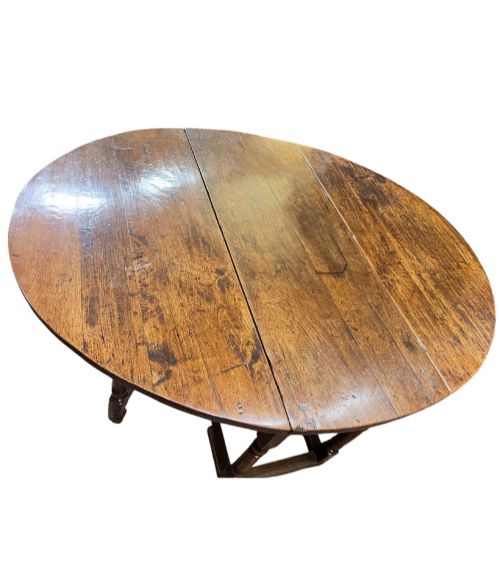
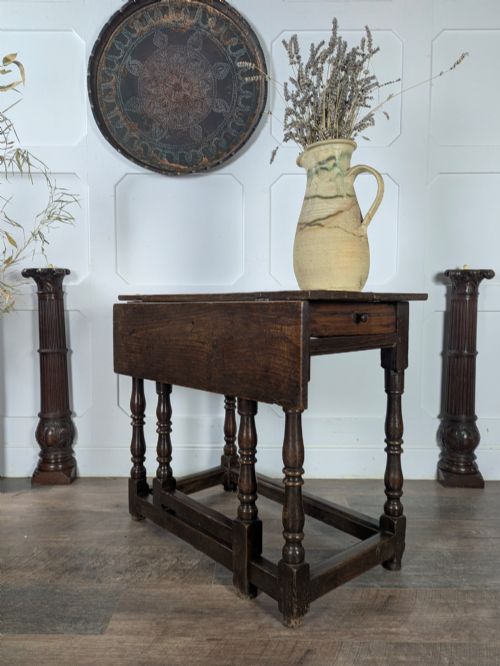
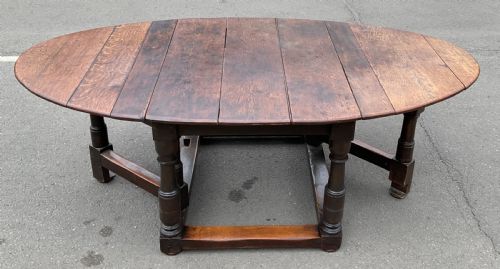
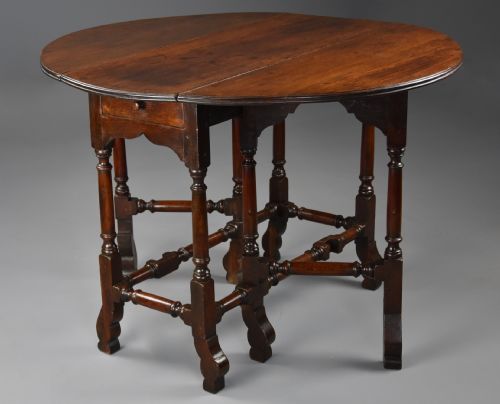
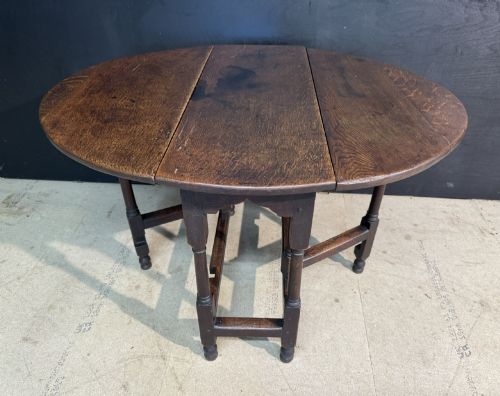
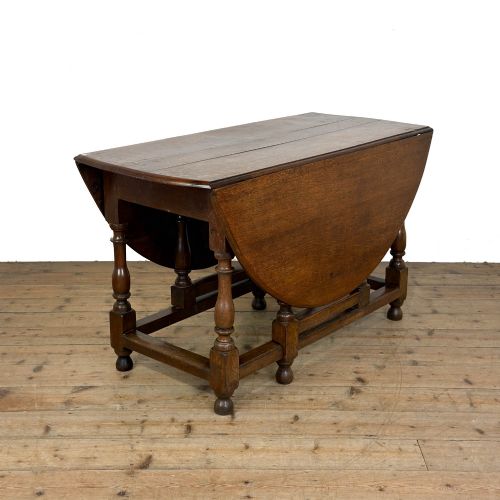
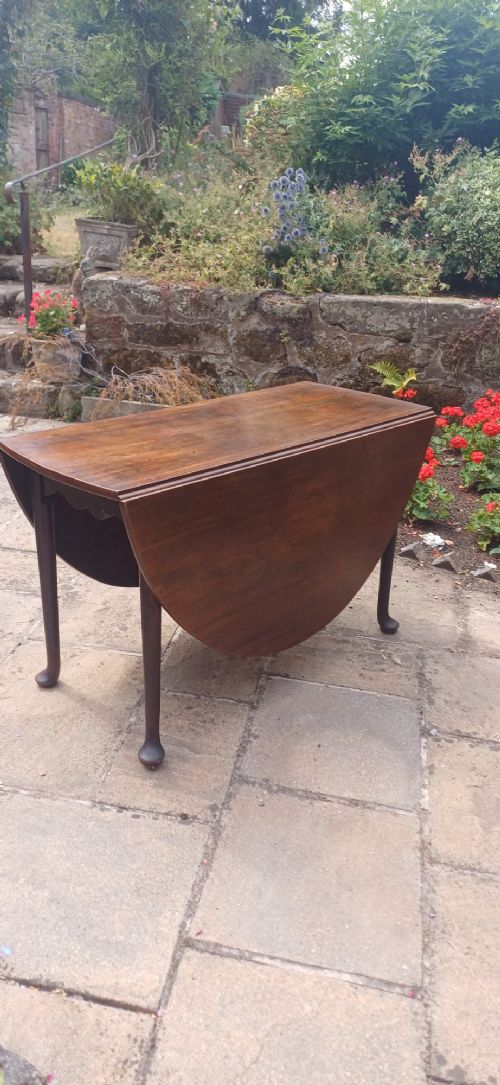
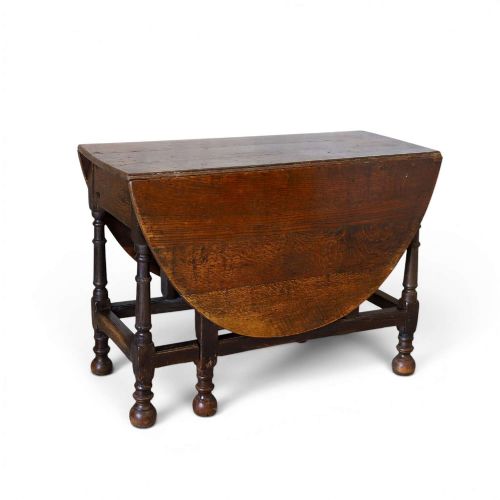
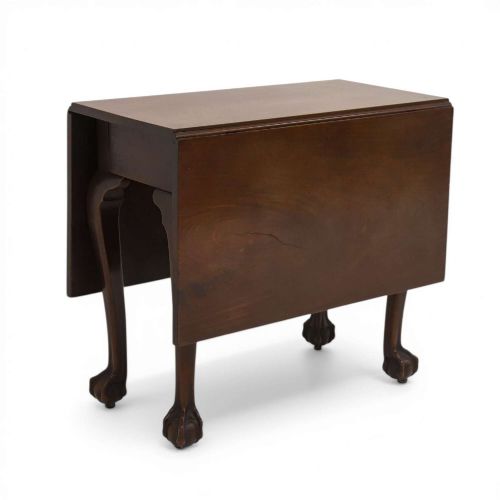
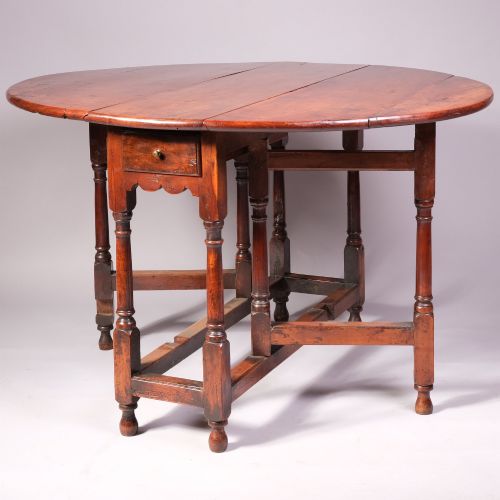
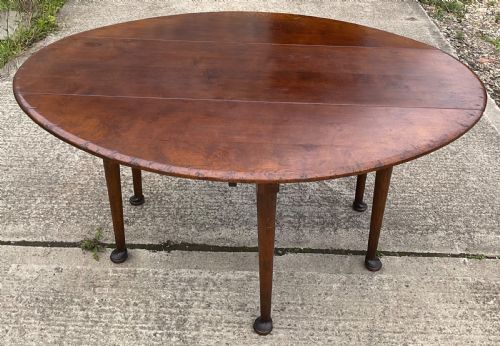
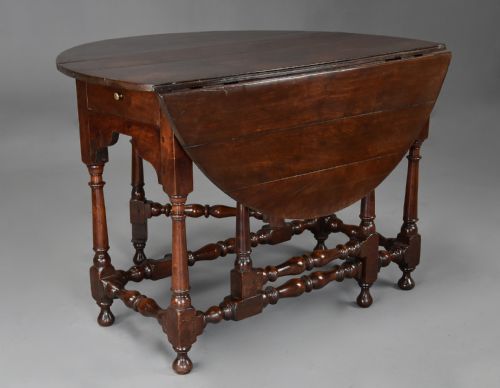
A georgian gateleg table functions as a versatile dining or occasional surface, featuring hinged leaves supported by pivoting legs that swing out like gates.
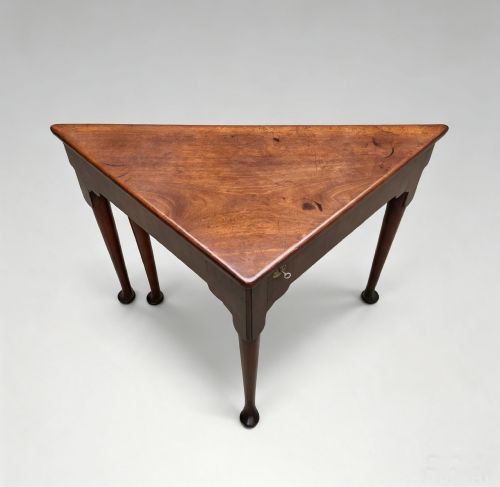
The versions most commonly met on this page span the eighteenth and nineteenth centuries, taking the form of compact tea tables, side tables, and larger dining formats.
Constructed primarily in oak, mahogany, and walnut, these tables reflect both formal urban cabinet-making and sturdier English country traditions.
What Varies in Quality
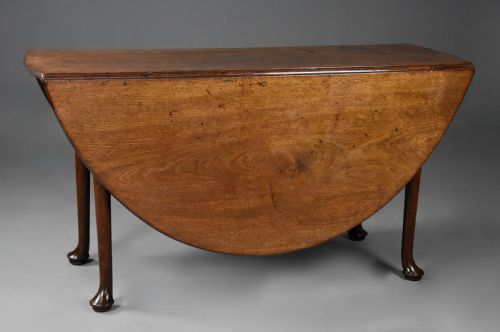
The choice of timber heavily influences the character of a piece, with figured mahogany and rich red walnut commanding attention alongside dependable solid oak.
Proportion and scale dictate elegance, separating small-scale occasional tables from utilitarian dining formats.
Subtleties of carving on the knees and feet, combined with the depth of the patination built up over generations, mark the distinction between standard provincial work and superior cabinet-making.
Georgian Gateleg Table Retail Price Guide 2026
Typical asking prices for georgian gateleg table among the pieces listed under this phrase on Sellingantiques today, from the lower quarter to the upper quarter. They describe what is for sale here now, not the wider market.
Some clever gatelegs hide small drawers tucked neatly beneath the frame for storing stray teaspoons.
The Georgian Gateleg Table Glossary
- Gateleg table
- A table with hinged leaves supported by one or more legs that swing outward on a gate-like action. This design allows the surface area to expand or contract as needed.
- Drop-leaf table
- A table featuring a fixed centre section with movable flaps attached by hinges on either side. When lowered, the leaves hang vertically to save space.
- Pad foot
- A simple rounded foot found at the base of a cabriole leg, popular during the early eighteenth century. It rests flat on the floor without added ornamentation.
- Patina
- The surface sheen and softened colour developed by wood over long periods through handling, polishing, and ageing. A fine patina is valued for its depth and warmth.
- Spider leg
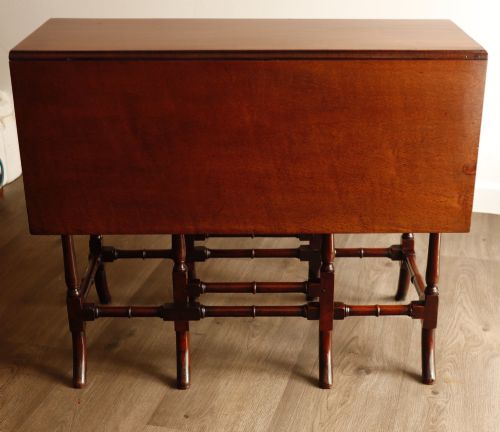
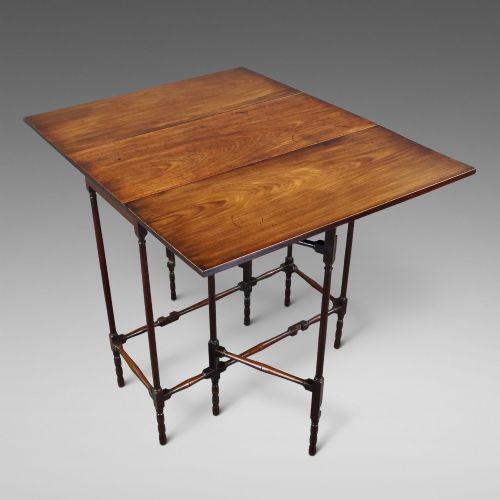
- A delicate, very slender turned leg characteristic of lighter eighteenth- and nineteenth-century occasional and tea tables. These legs provide support while minimising visual weight.
Georgian Gateleg Table: Frequently Asked Questions
How do I use a gateleg table in a small room?
Keep both leaves dropped against the wall to use the table as a narrow console or side table when floor space is tight.
Swing the gatelegs outward and raise the leaves only when you need an eating or working surface.
Were these tables used for dining or daily tasks?
Larger oak and mahogany examples served families for daily meals and kitchen preparation in both country homes and townhouses.
Smaller walnut and mahogany versions functioned as tea tables, games tables, or occasional surfaces in formal reception rooms.
How can I tell oak pieces from mahogany ones?
Oak pieces generally exhibit a pronounced grain pattern with visible medullary rays, often associated with earlier vernacular styles and country workshops.
Mahogany items display a smoother, reddish-brown grain typical of mid-eighteenth-century and later urban cabinet-making.
What does a pad foot indicate about the date?
A pad foot resting at the base of a cabriole leg frequently points to the early eighteenth century, particularly the reigns of Queen Anne and George I.
This foot style bridges heavy seventeenth-century turnings and the more ornate carved details of later periods.