


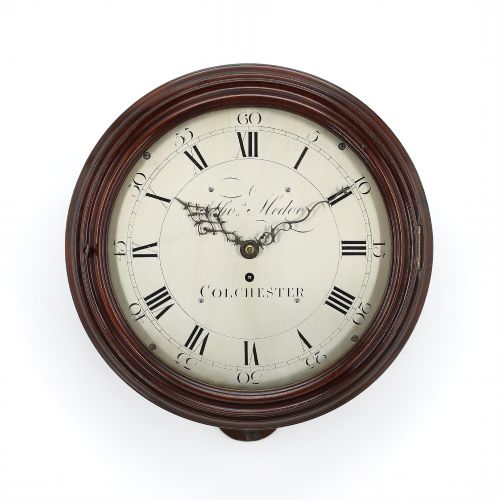

Georgian Fusee Clock
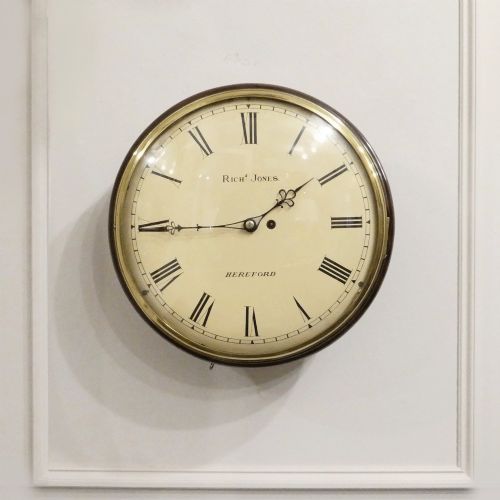
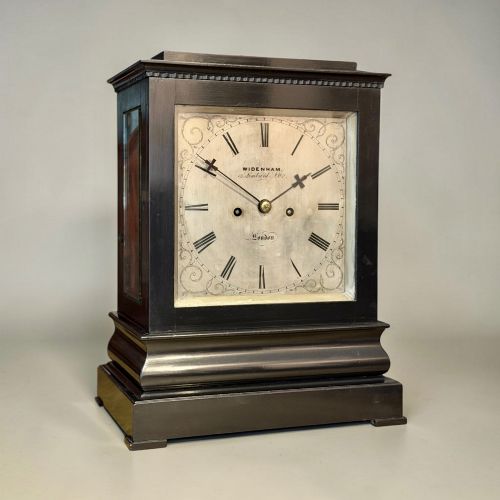
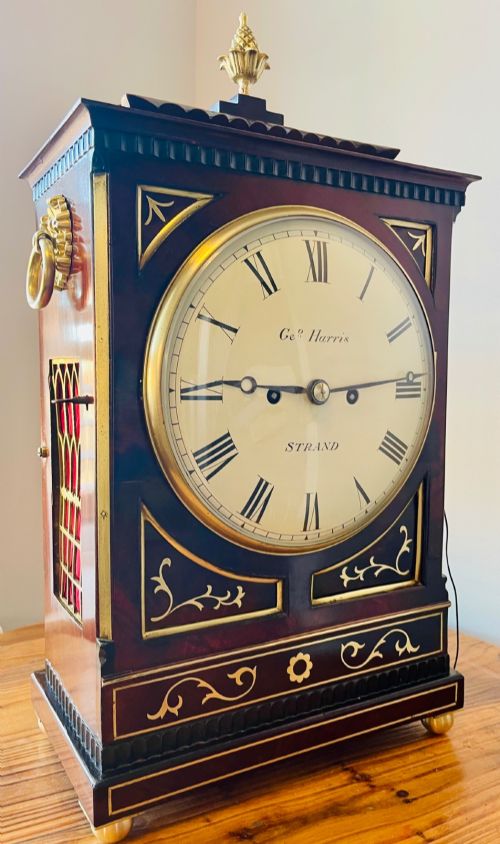
When you search for a georgian fusee clock, you encounter precision timepieces housed in mahogany and ebonised wood cases designed for walls and mantelpieces.
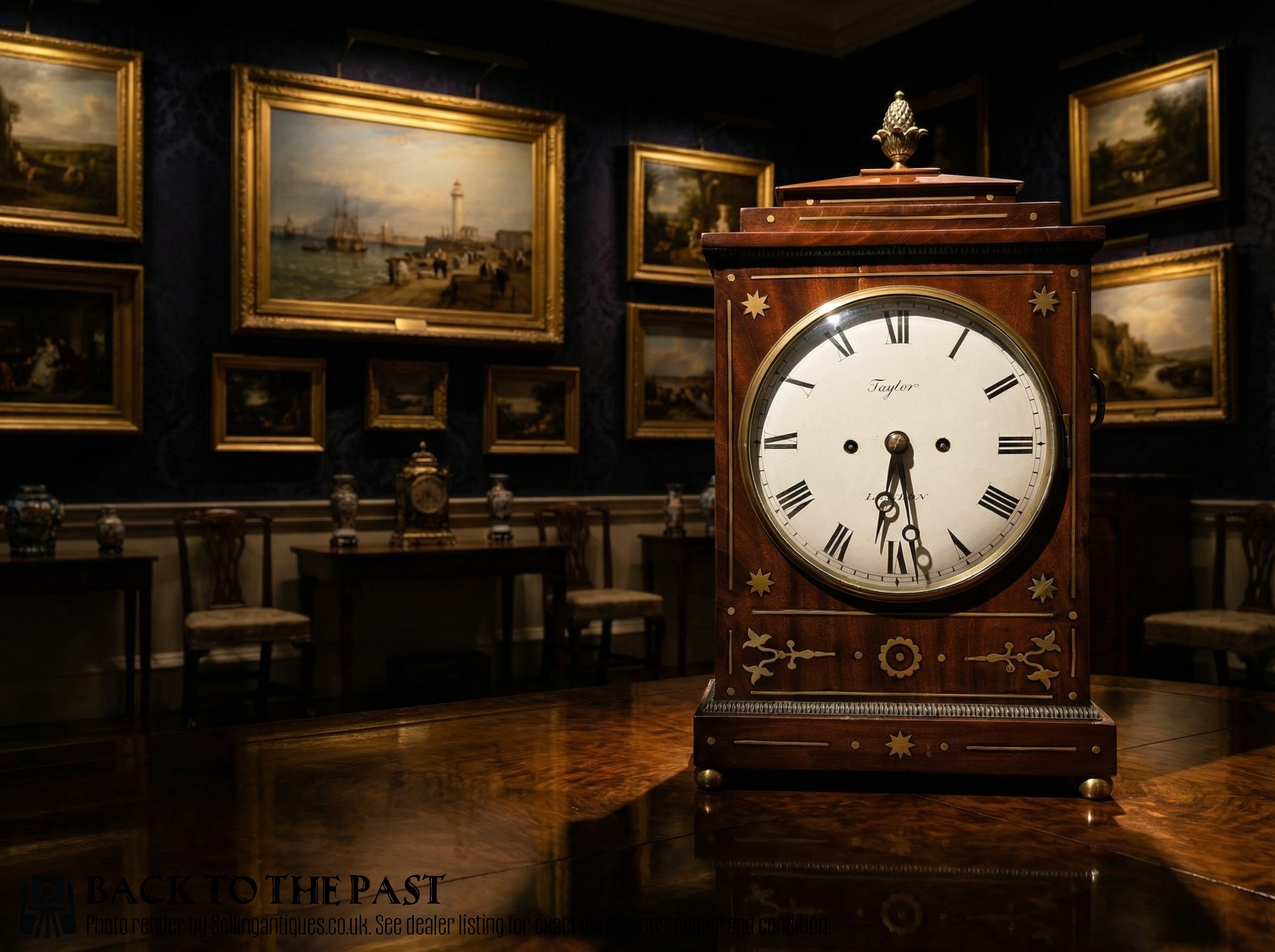
Georgian Fusee Clock
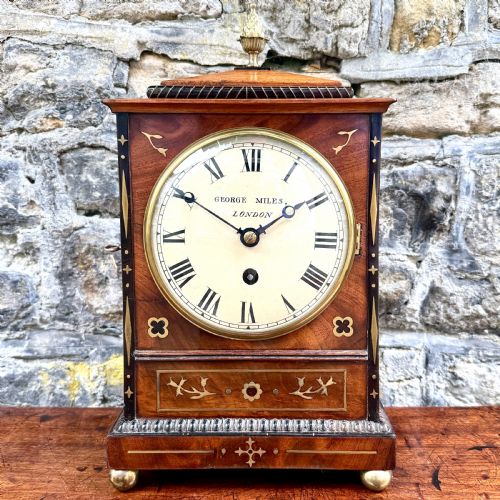
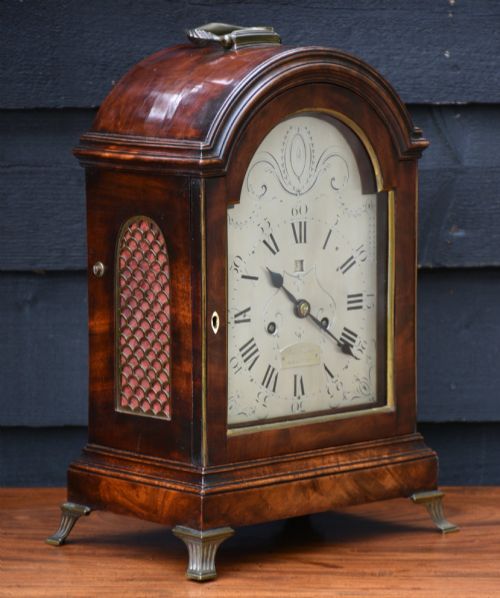
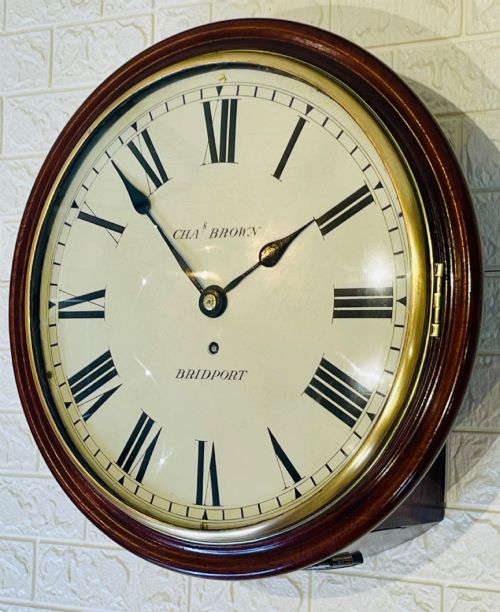
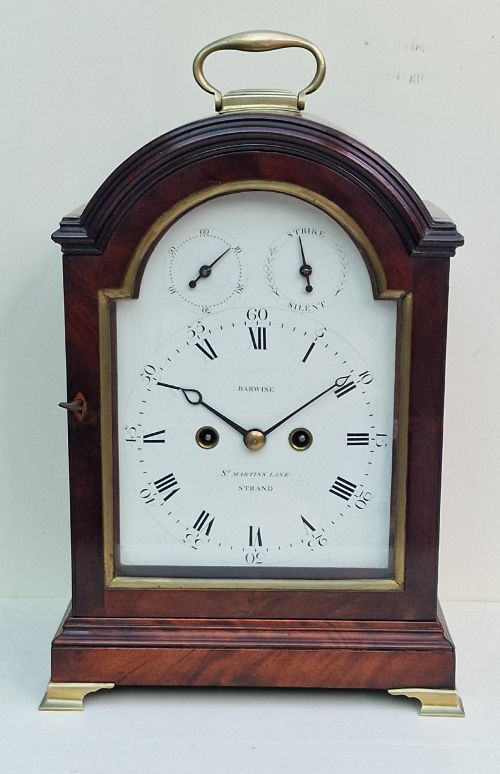
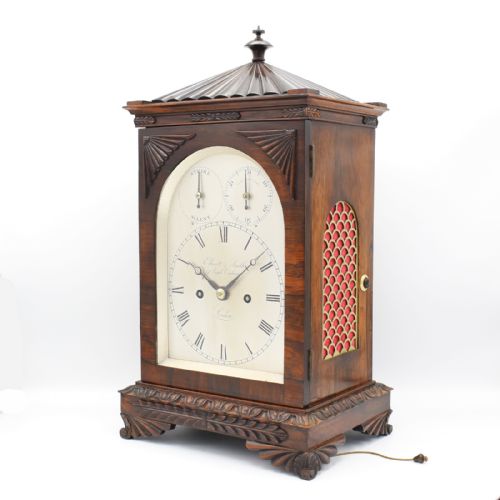
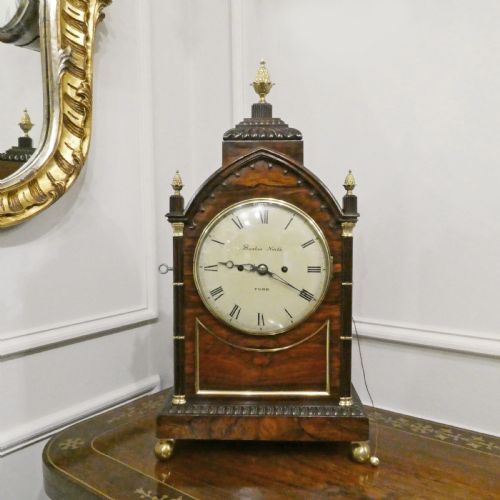
A georgian fusee clock is a mechanical timepiece driven by a fusee movement, designed to maintain equal power as the mainspring uncoils. These horological instruments appear principally as wall clocks, dial clocks, and bracket or table clocks spanning the Georgian, Regency, and Victorian periods.
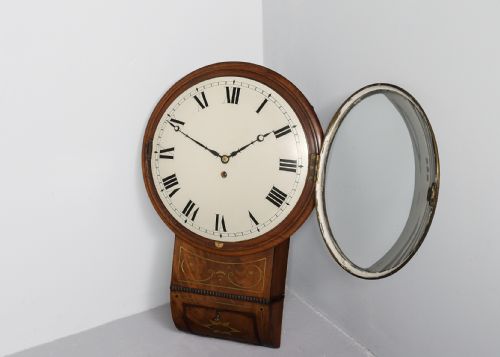
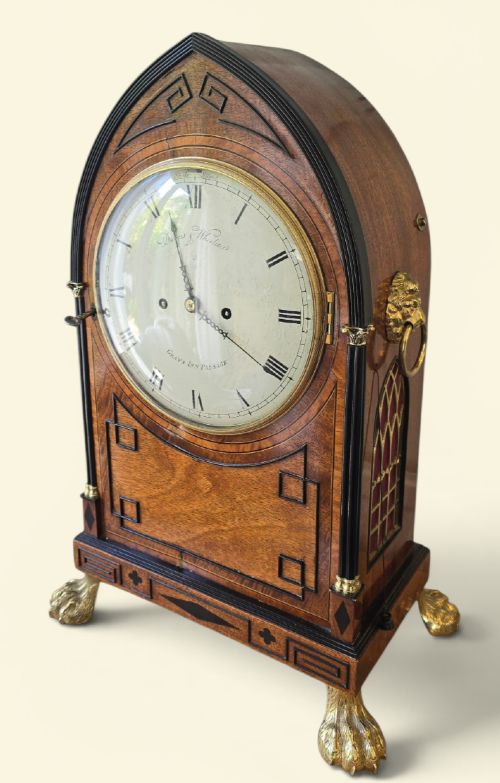
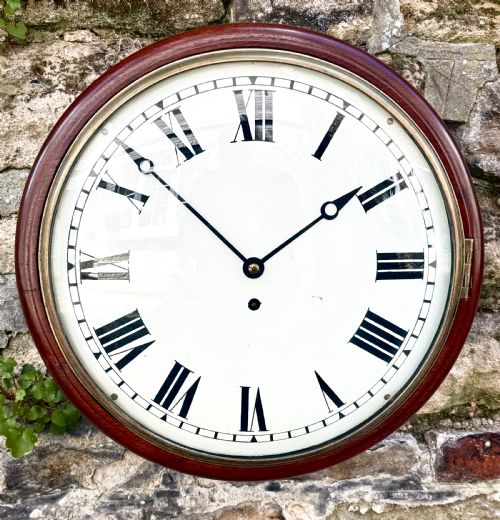
The wall-mounted versions often feature round wooden or convex dials housed in wooden cases, while the bracket formats showcase architectural wooden shapes like lancet, pad, and pagoda tops. Many originate from London makers alongside regional centres such as Bristol, York, and Hereford.
Collectors encounter both simple timepieces and complex striking or repeating movements. The examples seen on this page reflect centuries of domestic timekeeping, ranging from large dial wall clocks to library and mantel formats.

How they were made
The construction relies on seasoned timber cases fashioned from mahogany, rosewood, ebonised wood, and satinwood, frequently inlaid with brass or built with glazed apertures. Inside, brass mechanisms incorporate steel pivots and wheels, driven by the signature cone-shaped fusee pulley connected via chain or gut line to the mainspring.
Dials demand meticulous attention, utilising painted convex iron, silvered metal, or turned wood, protected behind hinged glass bezels. Case makers shaped architectural tops such as single pads, lancets, and chamfers, uniting joinery with precision metalwork.
Georgian Fusee Clock Retail Price Guide 2026
Typical asking prices for georgian fusee clock among the pieces listed under this phrase on Sellingantiques today, from the lower quarter to the upper quarter. They describe what is for sale here now, not the wider market.
Several wall clocks include wooden dials, offering a lighter alternative to traditional heavy painted iron.
What varies in quality
The distinction between tiers rests upon the sophistication of the movement and the integrity of the housing. Twin and triple fusee movements with quarter-strike or repeating complications represent a higher order of craftsmanship than a simple single fusee timepiece.
Case execution dictates visual success, where well-figured mahogany, crisp brass inlay, and original carved wooden bezels separate standard production from superior workshop output. Signed dials bearing the provenance of recognised makers add notable distinction to the physical object.

Richard Jones of Hereford·Widenham of London·Barwise London·Ellicott and Smith·Barber and North·Desbois and Wheeler·Webster Cornhill London·Joseph Bird of Stroud·Thomas Hedge of Colchester·Cording of London·Taylor of London·Richard Rooker·James Murray·Marks of London·Birch of London·Peter Le Gros·James Delasalle·S B Gaze·Jerimiah Lowman·John Harper·Thomas Hawley·Heap London·William Pearce·Daniels Liverpool·Viner of London
The Georgian Fusee Clock Glossary
- Fusee
- A conical pulley used in mechanical clocks to equalise the torque of the mainspring as it winds down. This ensures consistent driving force to the escapement throughout the running period.
- Bracket Clock
- A portable mechanical clock traditionally designed to sit on a bracket or table. These spring-driven pieces often feature striking mechanisms and carrying handles.
- Dial Clock
- A wall-mounted clock dominated by a prominent face with a short drop case below. They were widely utilised in public buildings, offices, and large domestic spaces.
- Verge Escapement
- An early type of mechanical escapement controlled by a balance wheel or foliot. It creates the characteristic ticking motion found in older timepieces.
- Lancet Top
- A pointed, arch-shaped case top resembling a lancet window. This architectural silhouette appears frequently on Regency and nineteenth-century mantel clocks.
Georgian Fusee Clock: Frequently Asked Questions
What is a fusee clock?
A fusee clock is a mechanical timepiece driven by a conical pulley system that regulates the pull of the mainspring. This mechanism ensures the driving force remains even as the spring unwinds.
Such movements were standard in British horology for centuries, prized for their accuracy and reliability in both wall and bracket formats.
How do wall clocks differ from bracket clocks?
Wall clocks are designed to hang securely, featuring circular faces and often drop-dial wooden cases meant for continuous viewing in rooms and hallways. They focus primarily on timekeeping.
Bracket clocks are portable table or mantel pieces equipped with flat bases, handles, and frequently striking trains that chime the hours or quarters.
Where were these clocks used?
These timepieces served as essential fixtures in Georgian and Victorian households, libraries, offices, and public spaces. Bracket clocks sat prominently on mantelpieces or furniture.
Wall dials hung in spaces where workers or residents needed clear, reliable visibility of the time from across the room.
How do you wind a fusee clock?
Winding involves inserting a key into the dial aperture and turning it clockwise until the movement encounters resistance. The fusee chain or cord transfers power safely to the gear train.
Careful winding preserves the delicate internal components and maintains the accurate operation of the escapement.