




Georgian Fused Plate
Georgian fused plate offers the rich appearance of solid silver through a clever copper core fused with a thin sheet of silver.
Georgian Fused Plate
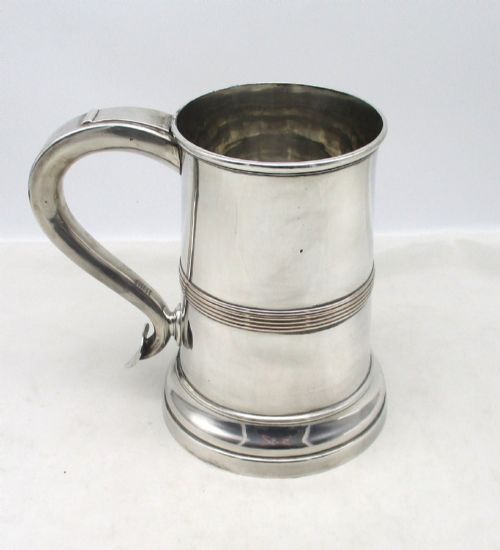
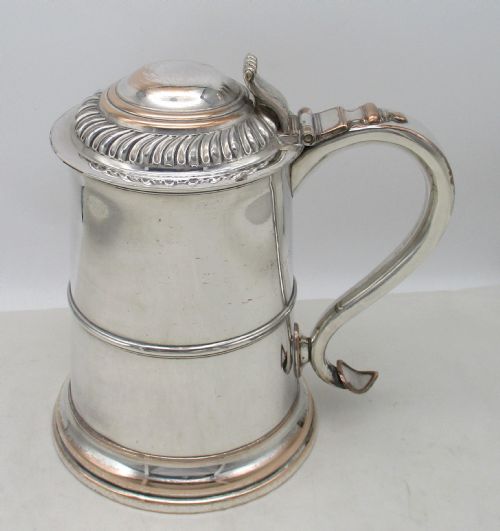
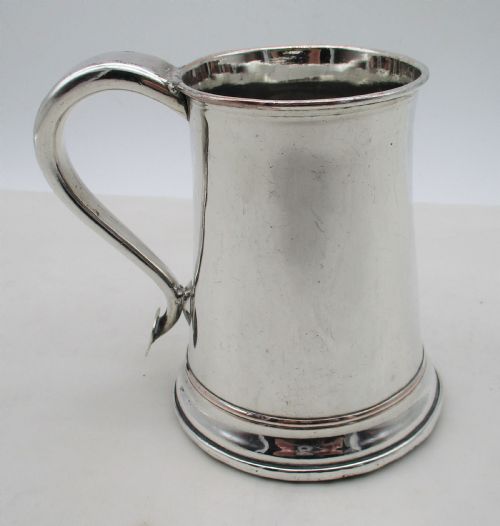
When you search for Georgian fused plate, you are looking at items produced during the Georgian and Regency periods that utilise a clever combination of base and precious metals. The pieces most commonly met on this page include tankards, candlesticks, teapots on stands, sauce boats, and candelabra.
These forms span both the eighteenth and nineteenth centuries, typically dating from around eighteen hundred up to eighteen thirty. You will find everyday drinking vessels alongside dining and lighting accessories created during this distinct era of metalwork.
How they were made
The manufacture of these objects relies on copper fused with silver, often referred to as Sheffield plate or Old Sheffield plate. This technique involves bonding a thin layer of silver to a thicker copper ingot through heat and pressure.
Makers then shaped this combined sheet into tankards, candlesticks, and sauce boats, sometimes concealing exposed copper edges with thin wire mounts. Wood also appears in the construction, particularly in the insulated handles of teapots and tankards.
Listings for georgian fused plate span the eighteenth and nineteenth centuries, featuring copper, silver, and wood.
What varies in quality
Quality in these items rests upon the preservation of the original silver layer over the copper base. Pieces retain greater merit when the silver skin remains intact across high-wear areas like handles, rims, and bases.
Proportion and decorative detail also distinguish the range, from plain utilitarian pint tankards to substantial pairs of candelabra with crisp casting. The skill involved in concealing the underlying copper at the seams marks out the finer examples.
Richard Morton
The Georgian Fused Plate Glossary
- Sheffield plate
- A method of fusing a thin sheet of silver to a copper ingot. This material dominated tea wares, lighting, and drinking vessels before modern electroplating took over.
- Tankard
- A tall, cylindrical drinking vessel with a single handle. These often feature lids and sturdy bases suited to holding ale or other drinks.
- Candelabra
- A branched candlestick holding multiple lights. Georgian examples in fused plate provide formal table or sideboard illumination.
- Sauce boat
- An open vessel with a spout and handle used for serving gravies or sauces. They sit on matching stands or feet during formal dining.
- Taper candlestick
- A small candlestick designed specifically for holding wax tapers used for lighting pipes or sealing letters. They represent a more delicate scale of lighting.
Georgian Fused Plate: Frequently Asked Questions
What is georgian fused plate?
Georgian fused plate is an early form of silver plating created by fusing a sheet of silver onto a copper base. This technique allowed Georgian silversmiths to produce large items like tankards and candelabra that looked like solid silver at a lower cost.
Items made this way date primarily from the eighteenth and nineteenth centuries. They combine the durability of copper with the bright finish of silver.
How do I clean old sheffield plate?
Cleaning requires a gentle touch because aggressive polishing can wear through the thin silver layer to reveal the copper beneath. Use a mild silver cleaner and a soft cloth without harsh scrubbing.
Avoid chemical dips entirely, as they strip the aged surface character and can react badly with the exposed base metals. Regular light dusting preserves the finish best.
How can I tell copper from silver?
You can spot the underlying copper by looking closely at the edges, rims, and high-friction areas where the silver layer has worn thin over decades of use. A warm, reddish glow beneath the silver indicates the copper core.
Solid silver maintains a uniform grey-white colour throughout, even where minor surface wear occurs. Fused pieces often show this characteristic warm bleed at the seams.
Were these items used daily?
Tankards, teapots, and sauce boats saw regular use in Georgian households for dining, drinking, and social gatherings. Their robust copper construction made them practical for daily service rather than display alone.
Candlesticks and candelabra provided essential illumination for evening meals and rooms before gas or electric lighting arrived.