
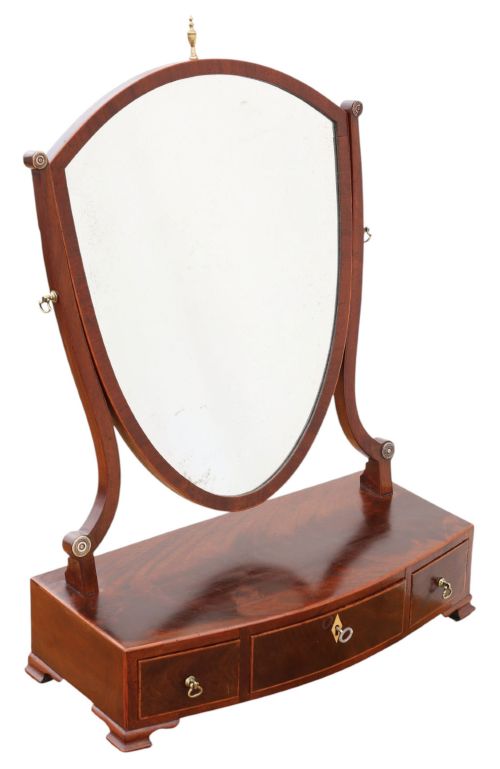
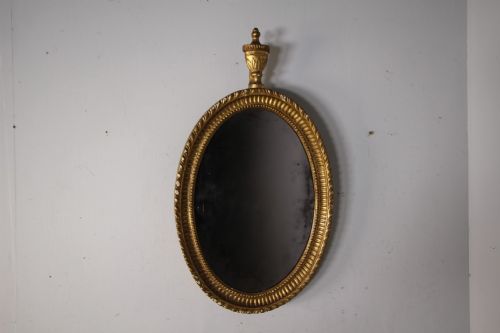
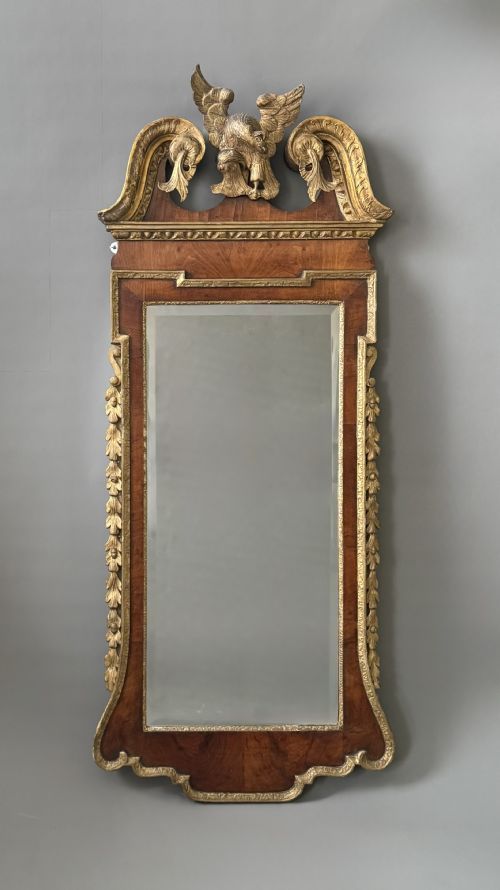
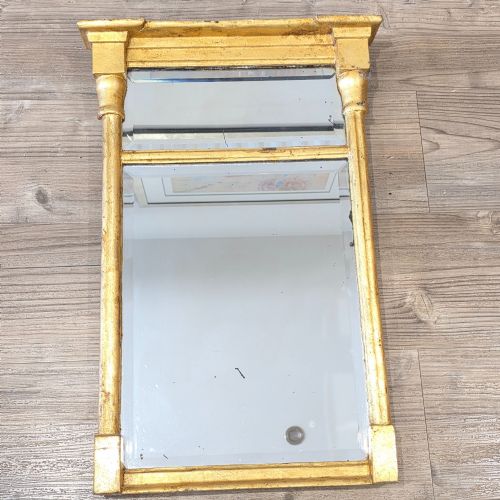
Georgian Framed Mirror
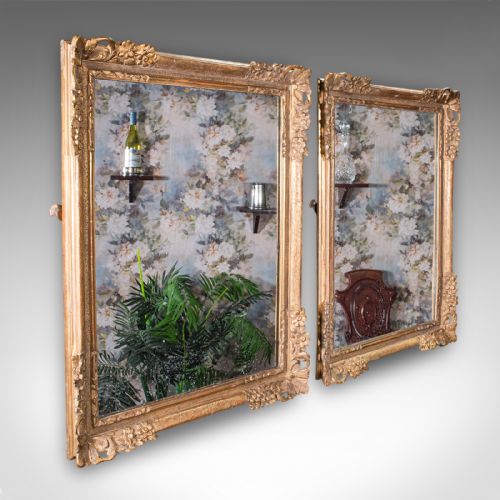
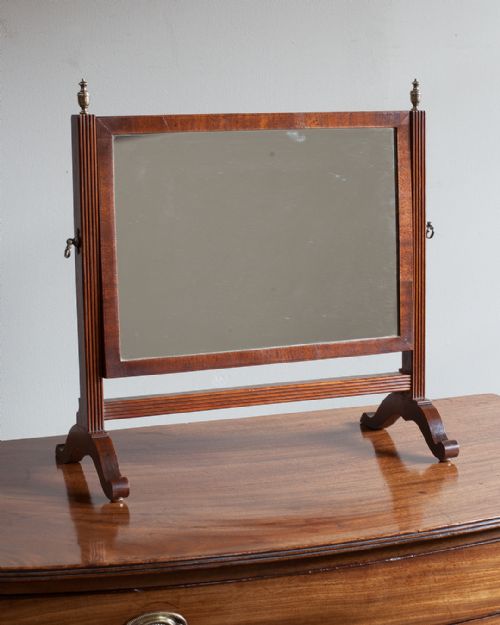
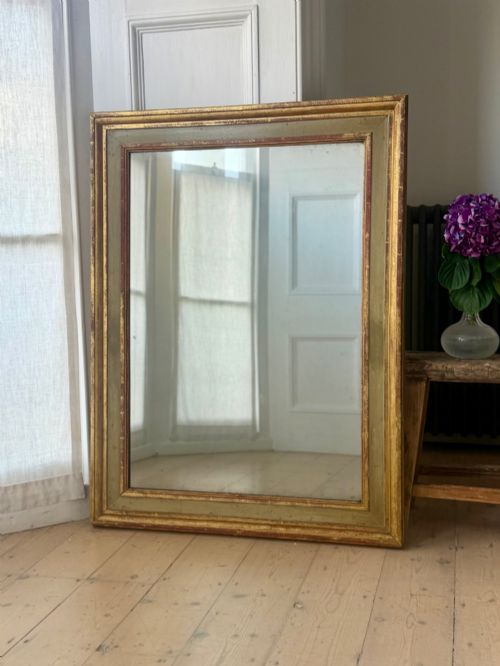
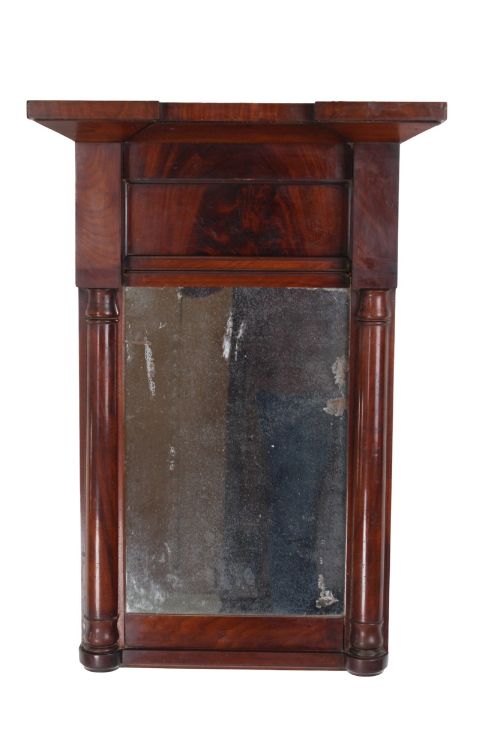
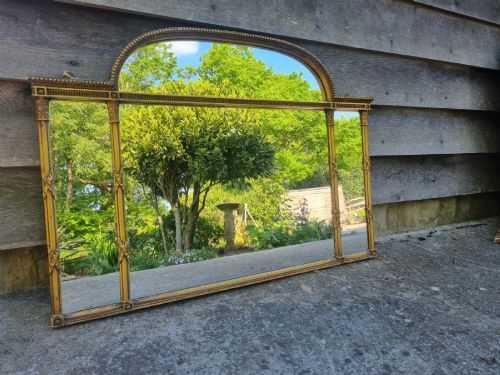
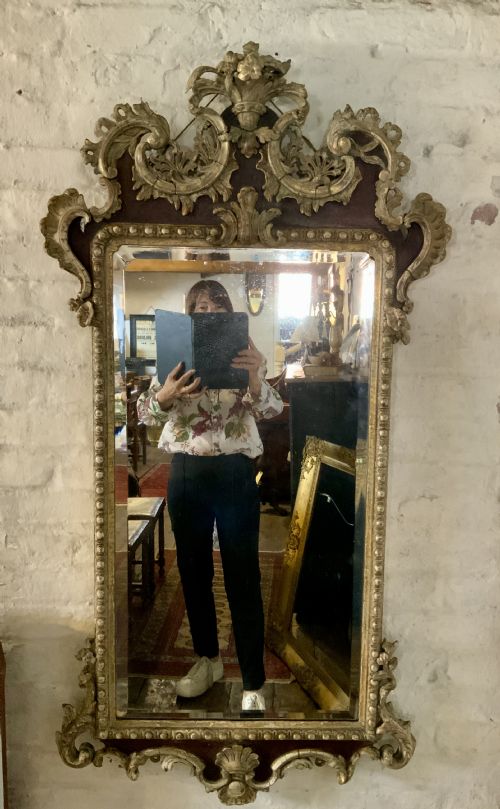
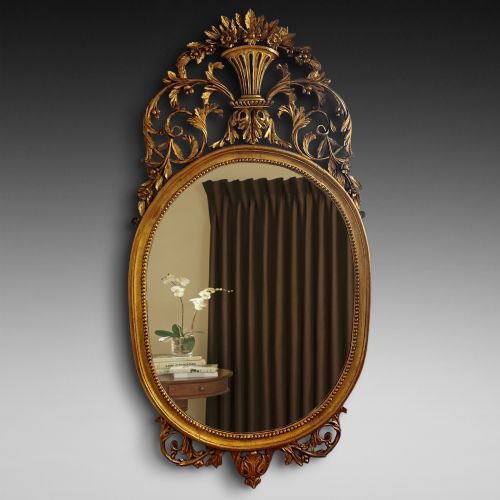
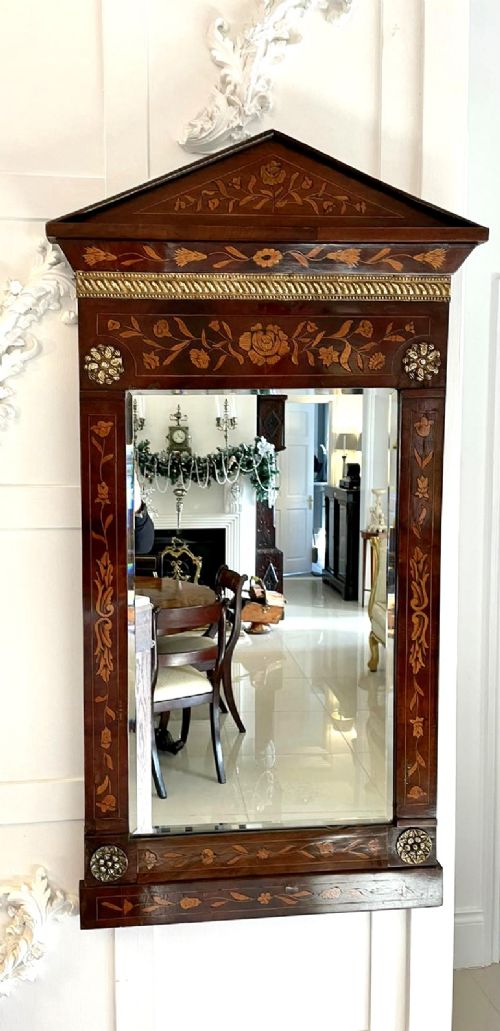
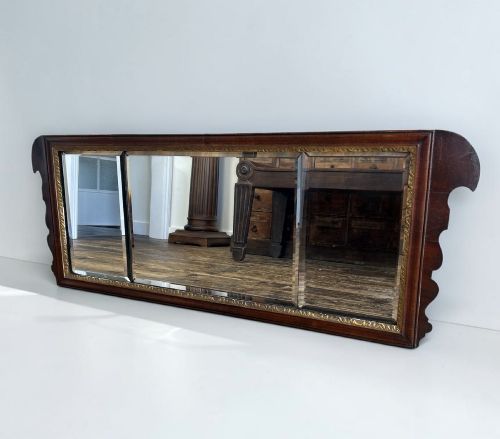
These pieces are a georgian framed mirror, offering historic reflection and carved timber or gilded form for a traditional room.
Georgian Framed Mirror
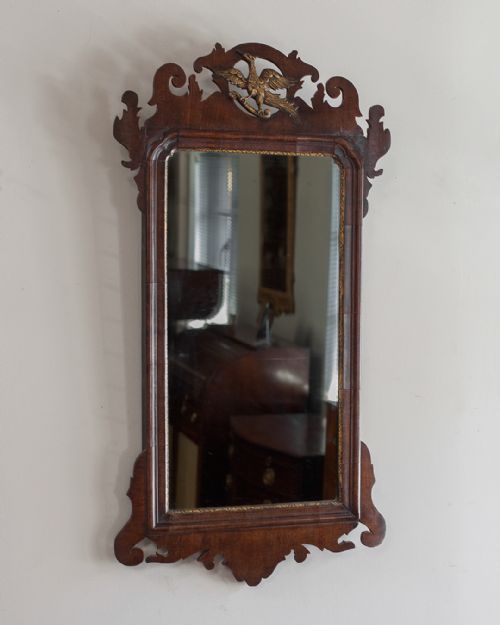
A georgian framed mirror bridges functional reflection and decorative architectural presence, appearing across wall-mounted, overmantel, and dressing table formats. Buyers searching for a georgian framed mirror encounter various configurations, from simple fret-cut mahogany plates to grand gilded pier and convex glasses.
The materials and styles span centuries of craftsmanship, drawing on 18th century origins, Regency adaptations, and later revival pieces. Mahogany, walnut, and giltwood dominate the selection, forming rectangular, oval, and shield shapes designed for principal rooms.
Materials and construction
Makers shaped timber frames from mahogany, walnut, and pine, often adding parcel-gilt details, gesso ornamentation, or intricate fret-cut work. Artisans applied thin layers of gold leaf over prepared gesso grounds on carved wooden bases to achieve bright gilded surfaces.
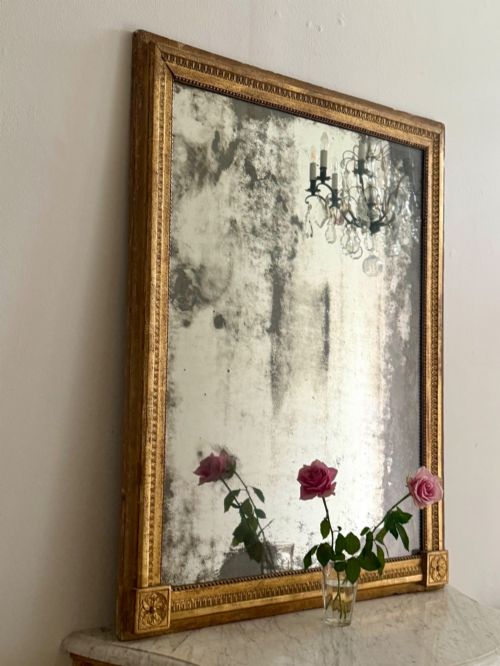
Glass plates were silvered using traditional methods, sometimes leaving mercury glass with characteristic foxed spots or incorporating original convex and flat plates.
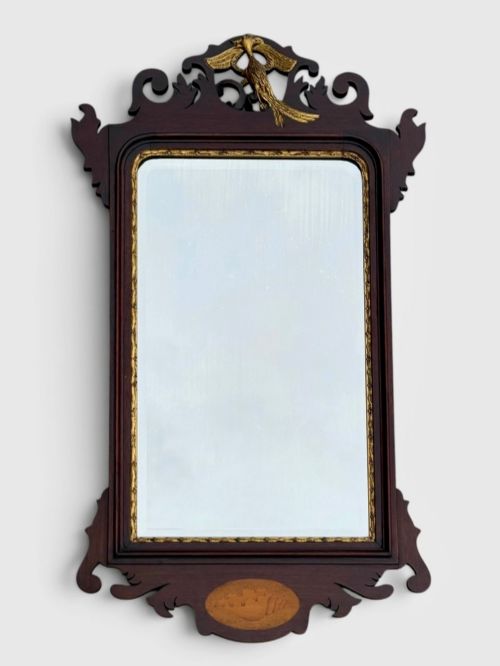
Several mahogany frames feature carved ho-ho birds perched above the glass, adding an eccentric touch of chinoiserie to domestic interiors.
Factors of quality
The crispness of carved details, such as the feathers on a ho-ho bird or the depth of scrolling foliage, distinguishes superior examples from simpler productions. Original glass plates with authentic foxing and undisturbed backing provide historical integrity that replaces modern uniformity.
The preservation of original gilding and secondary timber construction indicates how well a piece retains its structural and decorative character over time.
The Georgian Framed Mirror Glossary
- Giltwood
- Wood carved and coated with gold leaf. This finish defines many formal wall and pier mirrors.
- Mercury glass
- A type of silvered glass popular in older mirrors. It often develops dark spots known as foxing over time.
- Pier glass
- A tall mirror designed to hang on the wall between windows. These pieces often feature gilded frames and elaborate crests.
- Fret mirror
- A mirror with a flat wooden frame cut using a fretsaw. These typically feature scrollwork and architectural outlines in mahogany or walnut.
- Convex mirror
- A round mirror with a curved glass plate that reflects a wide-angle view of the room. These frequently include spherical gilt frames and eagle crests.
Georgian Framed Mirror: Frequently Asked Questions
How do I identify a period mirror?
Examine the timber species, backboards, and construction methods used in the frame. Older pieces often show hand-cut joinery and signs of age in the wood.
Inspect the mirror plate itself for mercury backing, bevel edges, or natural distortion that points to historical manufacture.
Where should I hang an overmantel mirror?
Overmantel mirrors suit placement directly above a fireplace mantelpiece. Their wide proportions balance the width of the hearth below.
Ensure secure wall fixings support the weight of heavy giltwood or timber frames before mounting.
What is foxed glass?
Foxed glass refers to the mottled dark spots and age-related degradation that occurs on older silvered mirror plates. This natural oxidation process creates a soft, cloudy reflection.
Collectors often value foxed mercury glass as an indicator of authenticity and age.