


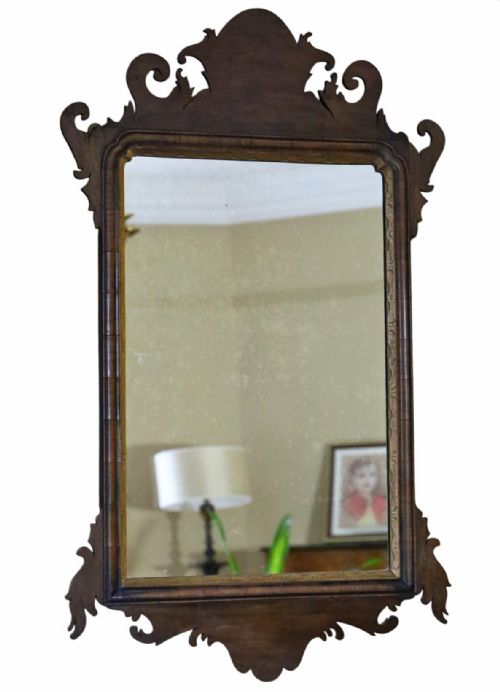


Gilt and Walnut Mirror
When you search for a gilt and walnut mirror, you seek the rich warmth of figured timber paired with bright metallic detail.
Gilt and Walnut Mirror
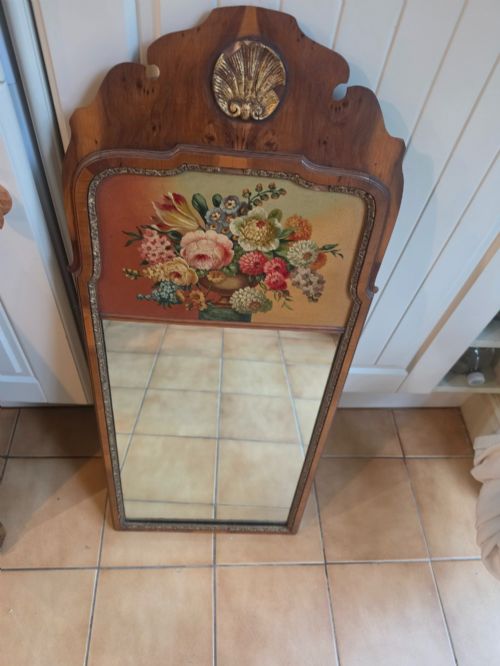
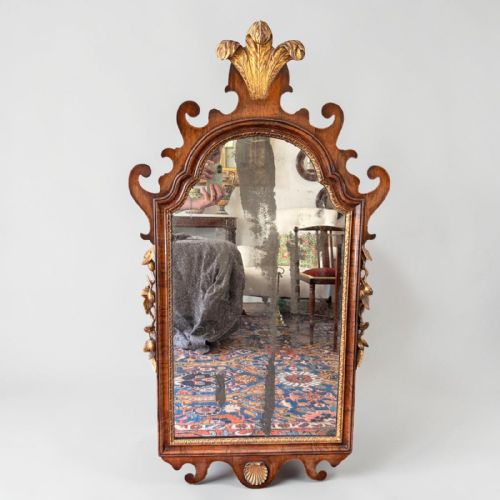
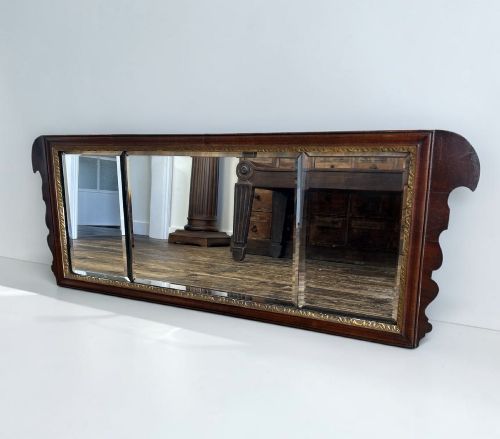
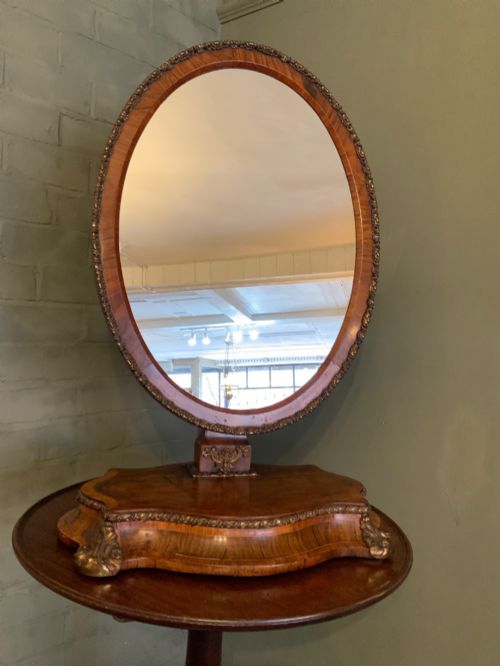
A gilt and walnut mirror combines dark, figured timber frames with selective gold leaf enrichment, a pairing popularised during the Georgian and Victorian eras. These pieces range from compact pier glasses and fretwork wall hangings to grand overmantels designed to anchor a room.
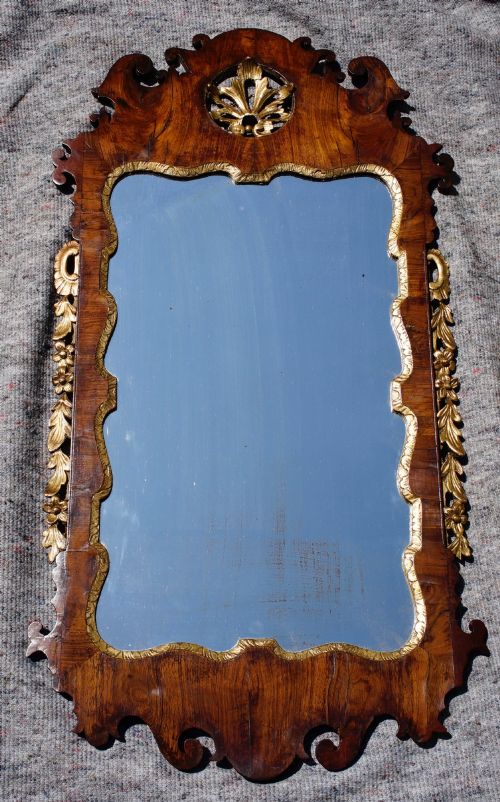
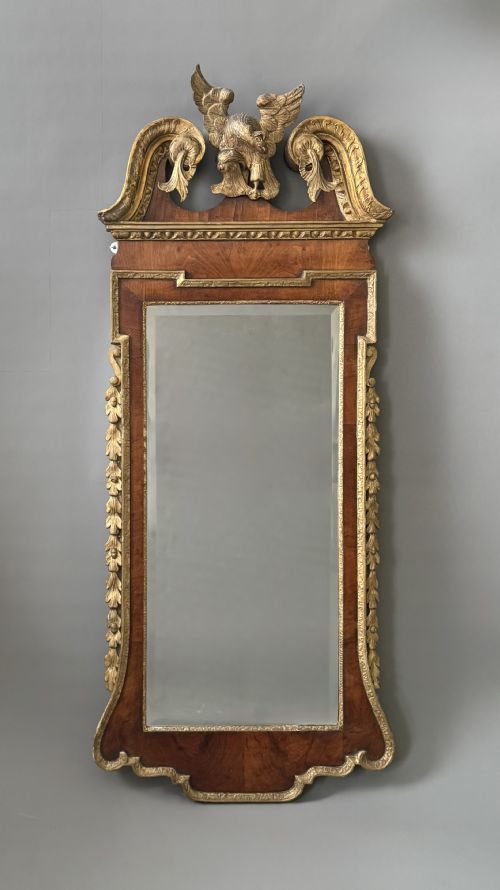
The survival of these objects spans from early eighteenth-century examples with parcel-gilt mouldings to later nineteenth-century revivals and twentieth-century interpretations. Most pieces on offer adopt classic Georgian proportions, frequently featuring scroll pediments, carved giltwood accents, and original mirror plates.
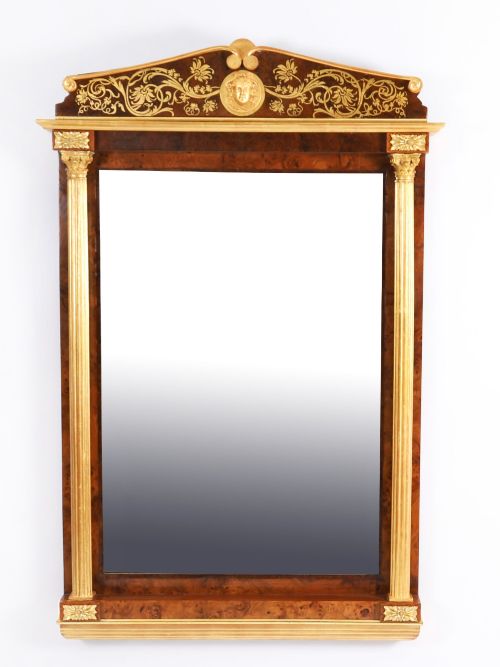
Buyers encounter various formats, including triple-plate wall mirrors, tall cheval dressing glasses, and architectural Palladian designs. The integration of walnut veneer and solid framing provides structural depth, while the gilt work catches natural light in domestic interiors.
How They Were Made
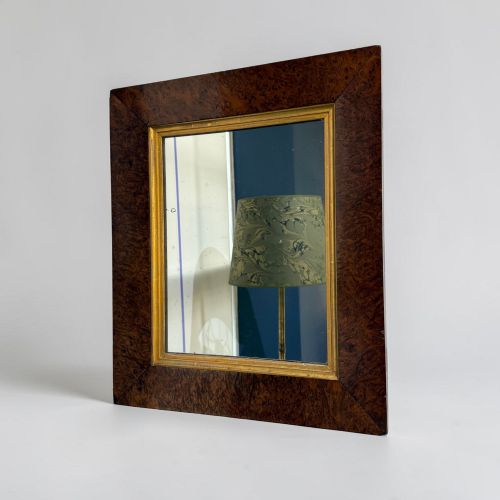
Cabinetmakers constructed these frames using solid walnut and applied veneers, often selecting figured or burr timber for decorative grain patterns. Gilt decoration was then applied selectively as parcel-gilt highlights, using thin metal leaf over a prepared gesso base on carved wooden details.
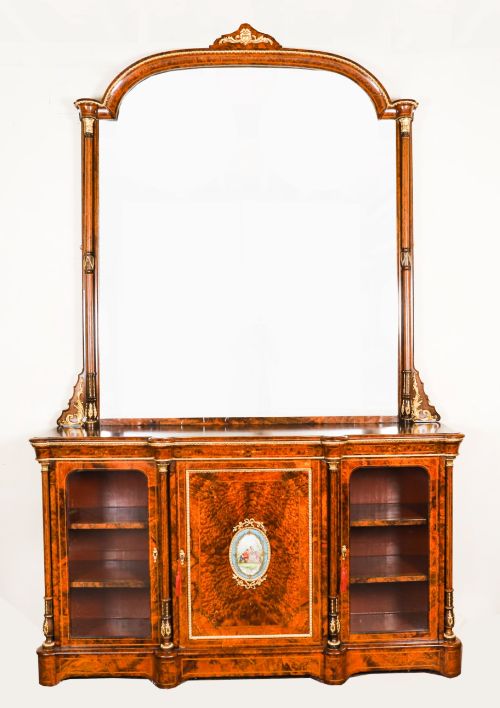
Glass production evolved across the periods represented, with early examples utilising hand-silvered mirror plates that exhibit subtle distortions and ageing. Joinery techniques such as fret-cutting formed intricate silhouette borders, while later Victorian iterations incorporated cast or applied ormolu mounts.
Gilt and Walnut Mirror Retail Price Guide 2026
Typical asking prices for gilt and walnut mirror among the pieces listed under this phrase on Sellingantiques today, from the lower quarter to the upper quarter. They describe what is for sale here now, not the wider market.
Materials recorded across the inventory include figured burr walnut, carved giltwood, ormolu mounts, and original bevelled mirror glass.
What Varies in Quality
The standard of a gilt and walnut mirror rests on the depth of the timber figuring and the precision of the carved ornament. Superior examples display crisp fretwork edges, well-matched veneer panels, and harmonious proportions between the dark wood and the gilded highlights.
Preservation of original surfaces dictates the standing of an antique mirror, particularly the retention of early glass plates and unstripped wood patination. Finer pieces demonstrate hand-carved relief work rather than moulded composition ornament, reflecting the skill of the original workshop.
Gillows
The Gilt and Walnut Mirror Glossary
- Parcel Gilt
- A method of decorating a frame where gold leaf is applied only to specific carved details, leaving the underlying walnut exposed.
- Fretwork
- Openwork patterns cut into thin boards using a fretsaw, frequently seen on the scrolled crests and side ears of Georgian frames.
- Pier Glass
- A tall, narrow mirror designed specifically to hang on the wall space between two windows.
- Vauxhall Plate
- An early type of mirror glass characterised by a bevelled edge and subtle imperfections from historical manufacturing methods.
- Ormolu
- Gilded bronze mounts cast in decorative motifs and applied to furniture and mirror frames during the eighteenth and nineteenth centuries.
Gilt and Walnut Mirror: Frequently Asked Questions
How do I date a walnut mirror?
Dating relies on examining the construction methods, glass plate characteristics, and stylistic traits of the frame. Eighteenth-century versions often feature hand-cut fretwork and pegged joints, whereas later revivals use machine-cut elements.
The backing boards and screws also offer reliable clues to the age of the piece.
Where should I hang a pier mirror?
Pier mirrors suit narrow wall spaces, particularly between windows or above console tables. Their vertical proportions help reflect light into darker areas of a room.
Ensure the wall fixings support the weight of the frame, as solid walnut and glass assemblies are heavy.
Are original mirror plates common?
Original glass plates survive in numerous antique examples, identifiable by foxing, minor scratches, and wavy reflections. These age marks confirm the authenticity of the piece.
Many collectors prefer original glass for its character, even when the silvering shows signs of age.