

Georgian Footed Glasses
Georgian footed glasses bring seventeenth and eighteenth-century drinking vessels into modern hands, offering substantial lead glass forms for collectors and users.
Georgian Footed Glasses
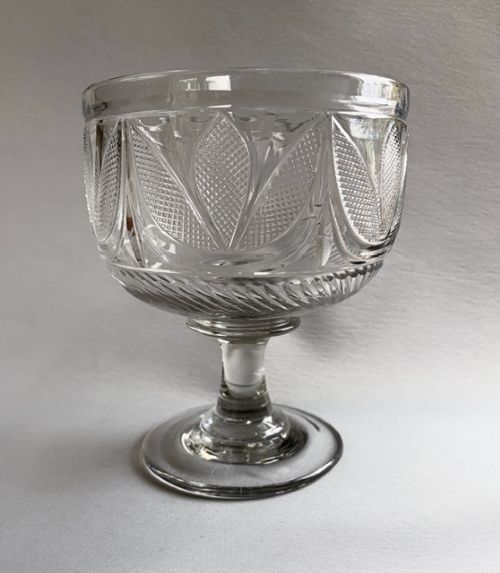
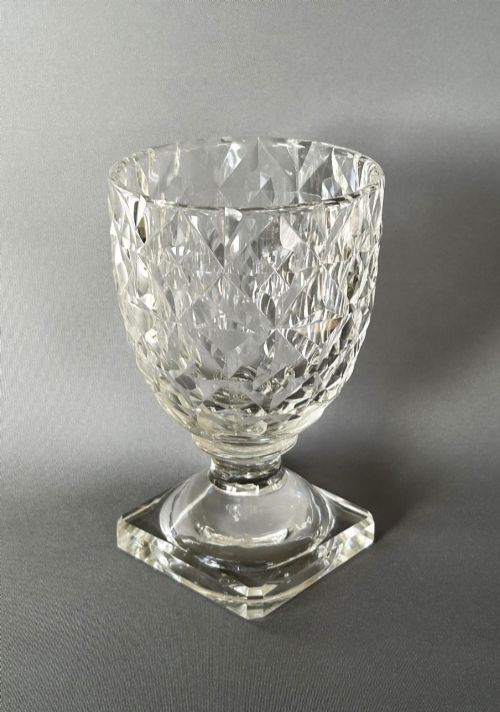
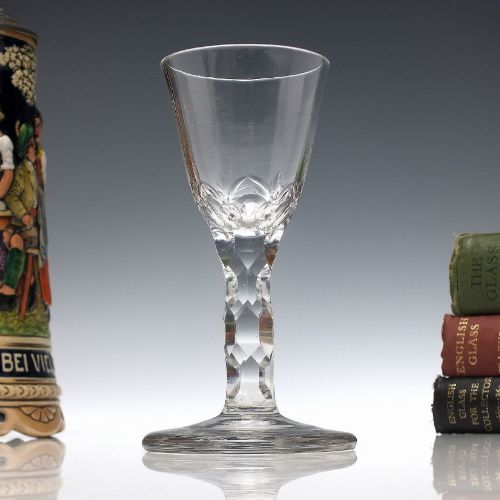
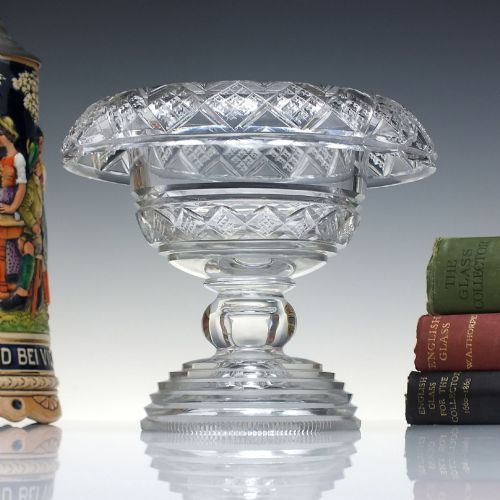
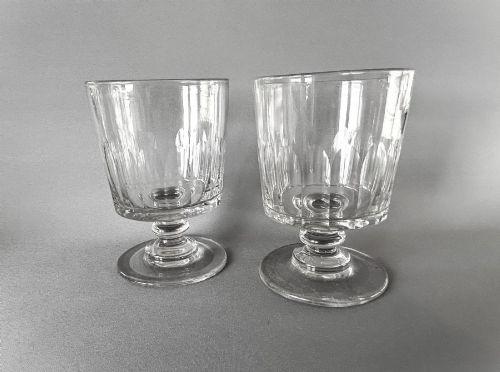
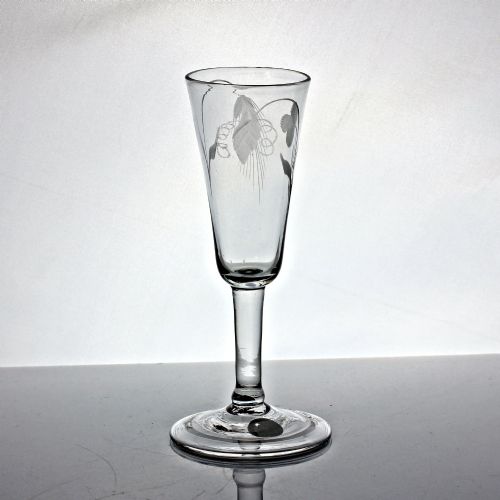
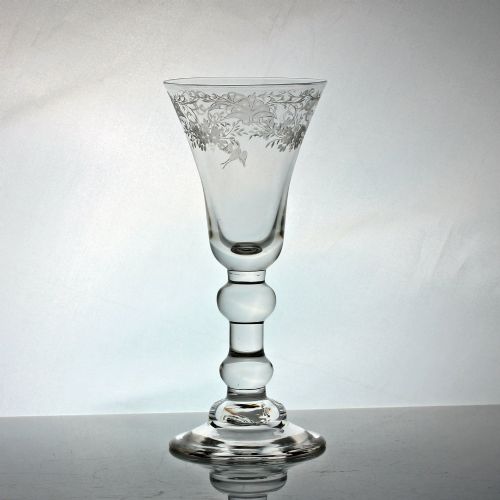
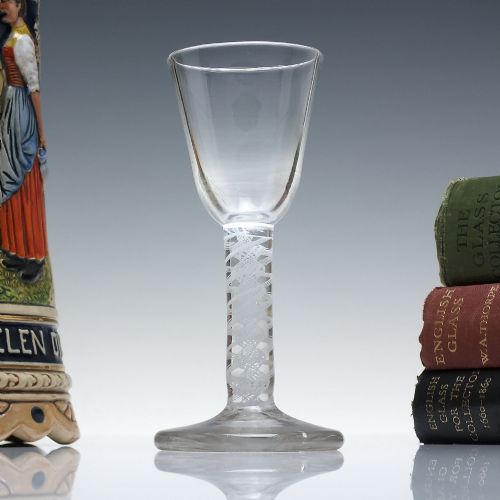
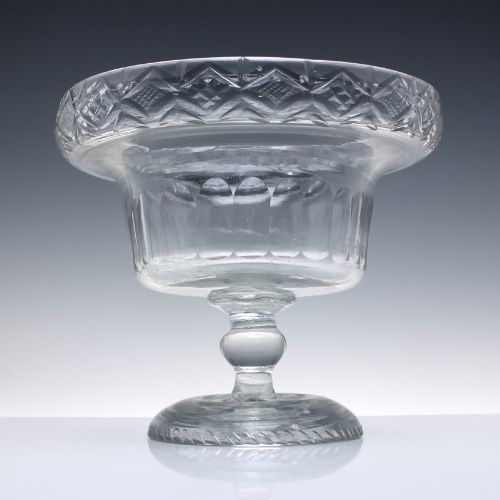
When you search for georgian footed glasses, you encounter drinking vessels and serveware primarily from the eighteenth century, including wine glasses, rummers, ale glasses, gin glasses, and tazzas.
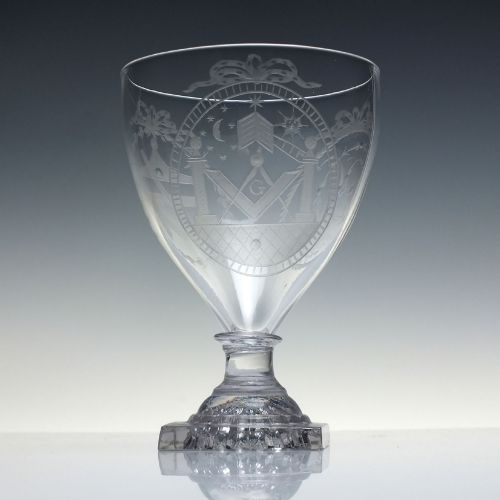
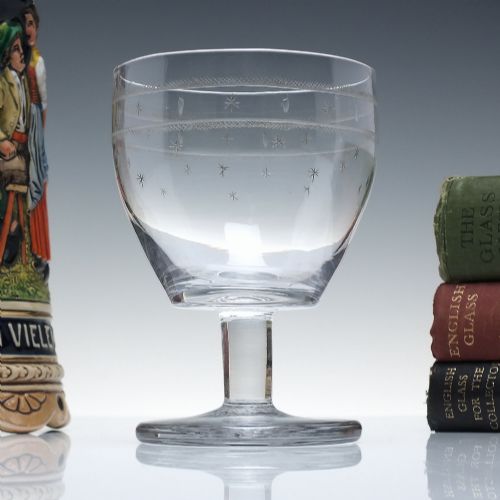
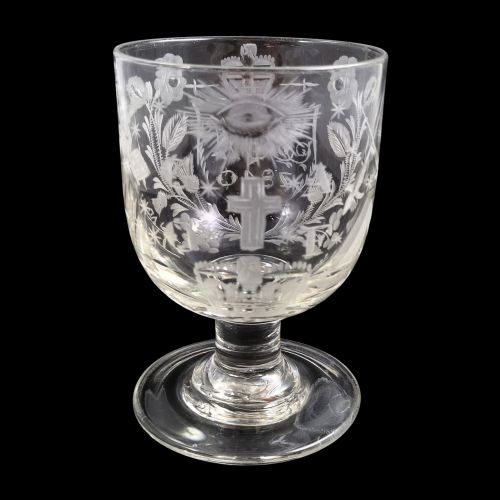
The pieces appearing on this page span the 1700s through the Georgian era, featuring distinct regional variations such as North-East English engraved rummers and German roemers.
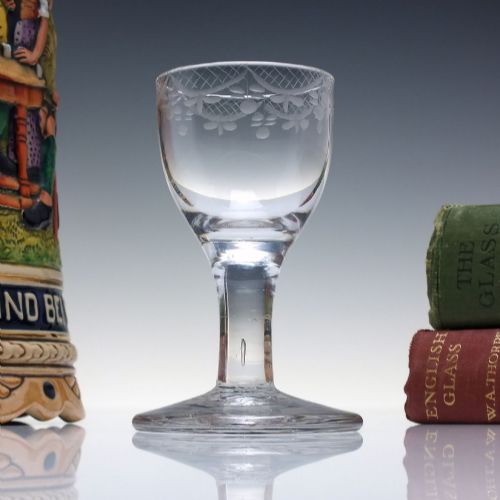
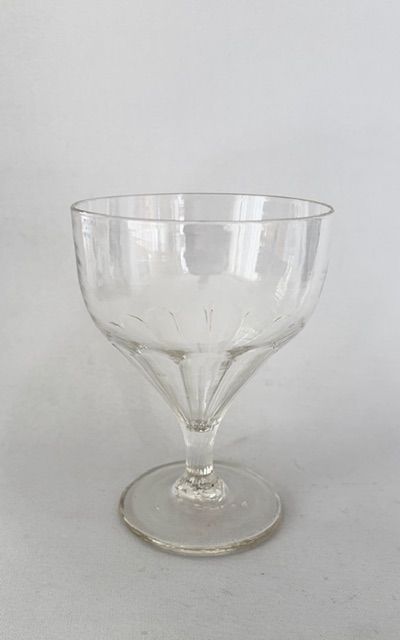
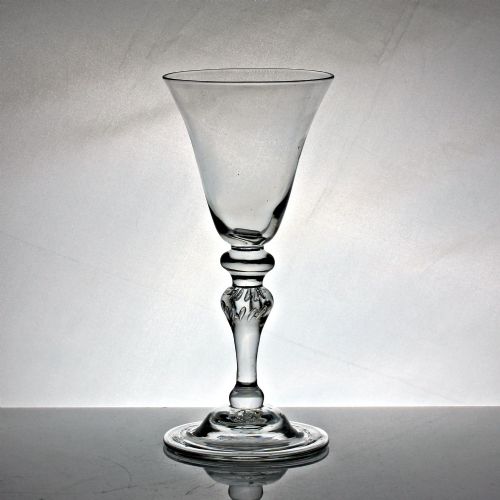
Forms range from tall drawn trumpet wine glasses and baluster stems to heavy square base rummer goblets and broad tazzas.
Materials and Technique
Makers shaped these objects predominantly from lead glass, lead crystal, and flint glass, utilising heavy metal oxides to achieve brilliance and weight.
Craftsmen employed techniques such as air tear inclusion, panel moulding, and detailed hop and barley or swag and tail engraving upon the bowls.
Feet were formed with folded rims, domes, terraced steps, or square lemon squeezer bases to provide stability to the elevated vessels.
Georgian Footed Glasses Retail Price Guide 2026
Typical asking prices for georgian footed glasses among the pieces listed under this phrase on Sellingantiques today, from the lower quarter to the upper quarter. They describe what is for sale here now, not the wider market.
Listings feature lead glass and flint glass forms across the eighteenth century, including baluster stems, tazzas, and square lemon squeezer feet.
Distinctions in Execution
Quality rests in the proportional balance between bowl, stem, and foot, alongside the clarity and weight of the lead glass.
The Georgian Footed Glasses Glossary
- Baluster
- A thick, swelling stem form derived from architectural supports, commonly seen in mid-eighteenth-century drinking vessels. This heavy stem style gives the glass a substantial feel in the hand.
- Folded foot
- A glass foot where the outer rim is turned underneath to create a thickened double layer of metal. This technique adds strength to the edge of the base.
- Tazza
- An elevated flat plate or dish mounted upon a central foot or pedestal stem. These open serving pieces were used for display and presentation.
- Air tear
- An elongation of an air bubble trapped intentionally within the glass stem during manufacture. Makers used this technique as a decorative internal element.
- Lemon squeezer foot
- A square glass base pressed into a ribbed, sloping profile resembling a nineteenth-century citrus juicer. These heavy bases anchor larger rummers and goblets.
Georgian Footed Glasses: Frequently Asked Questions
What are Georgian footed glasses?
These pieces are eighteenth-century drinking and serving vessels featuring elevated bases, including wine glasses, rummers, and tazzas.
They represent the dominant glass forms produced during the Georgian period in lead glass and flint glass.
How do I identify a folded foot?
A folded foot has a visible rim where the hot glass has been doubled back underneath the base during shaping.
This adds physical weight and edge strength to eighteenth-century drinking vessels.
What is an air tear stem?
An air tear is an elongated bubble captured inside the stem of a glass during the initial blowing process.
Maker manipulation created these internal optical accents in mid-eighteenth-century wine glasses.
How were tazzas used?
Tazzas served as raised display dishes for sweetmeats, fruit, or sugar wares on Georgian dining tables.
Their broad top plates stood firmly upon pedestal stems and spreading feet.