




Cut Panel Glass
These cut panel glass pieces bring heavy brilliance and sharp light to a room, exactly what collectors want for their tables and windows.
Cut Panel Glass
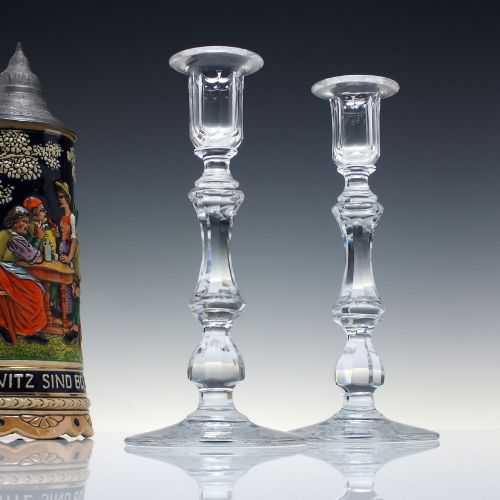
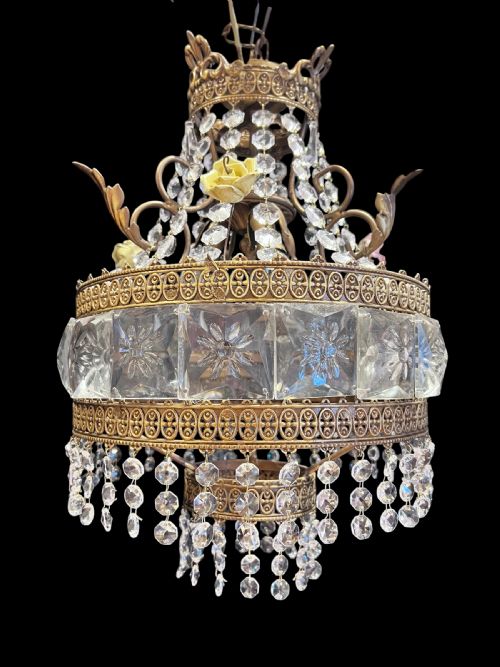
When you search for cut panel glass, you are looking at items shaped by grinding flat, polished facets into the surface of the material. These pieces range from household tableware to architectural shop window panels and large chandeliers.
The versions you are most likely to meet on this page span several eras, appearing in Georgian drinking vessels, Victorian tumblers, Edwardian shop displays, and later decorative items. Each period brings its own weight and method of faceting to the form.
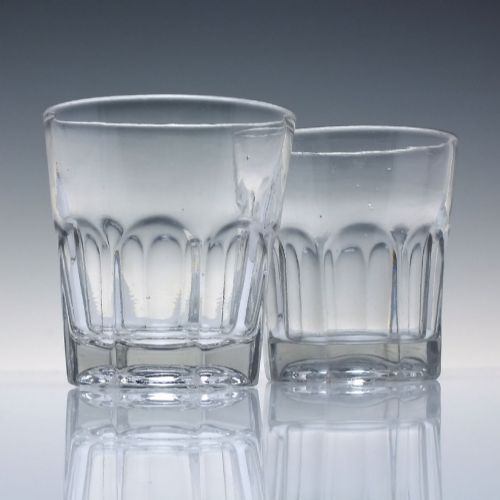
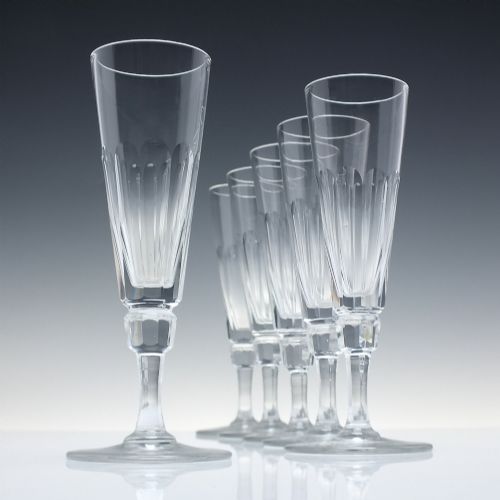
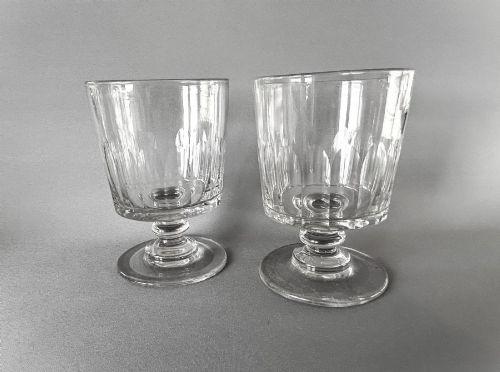
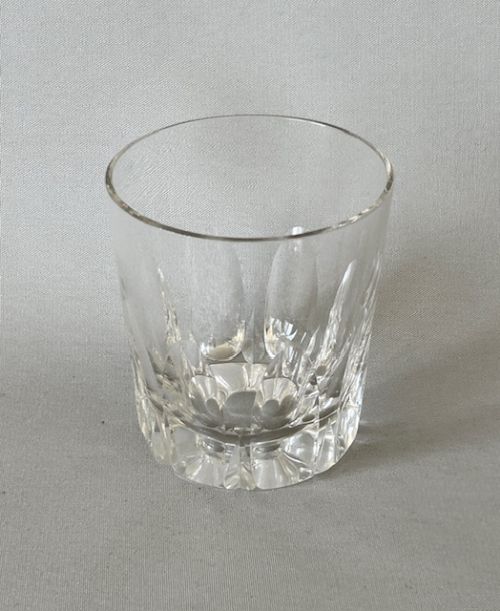
Forms include rummers, jelly glasses, whisky tumblers, and vases alongside structural panels and lighting. The common thread is the linear cutting that breaks the surface into clear, reflecting planes.
How they were made
The makers formed these objects using lead glass or crystal, which provided the necessary density and softness for deep grinding. Workers held the vessel against rotating stone or iron wheels fed with abrasive grit to cut the primary facets.
Following the initial cutting, artisans smoothed the facets on finer wheels and polished them with putty powder or cork to restore complete transparency. In architectural and decorative examples, workers combined this faceting with reverse painting or metal framing in brass.
Cut Panel Glass Retail Price Guide 2026
Typical asking prices for cut panel glass among the pieces listed under this phrase on Sellingantiques today, from the lower quarter to the upper quarter. They describe what is for sale here now, not the wider market.
Current listings demonstrate a broad span of forms, including Georgian drinking glasses, Edwardian shop window panels, and Victorian coloured glassware.
What varies in quality
Quality rests principally on the crispness of the facet edges and the depth of the metal. Superior examples display sharp, clean geometric transitions between planes without rounding or blurring.
The clarity and weight of the underlying material also dictate the grade of the piece. Better items utilise dense lead glass that rings clearly and holds a bright, refractive polish across every cut surface.
The Cut Panel Glass Glossary
- Lead glass
- Glass containing lead oxide, which increases weight, brilliance, and softness for cutting. This material allows artisans to achieve deep, sharp facets.
- Facet
- A flat, polished surface ground into the body of glassware. Multiple facets create the characteristic sparkle and play of light.
- Rummer
- A large, heavy drinking glass popular in the Georgian and Victorian eras. These often featured cut panels around the lower bowl.
- Reverse cut
- A technique where glass is carved from the back rather than the front. This method creates depth and perspective in pictorial window panels.
Cut Panel Glass: Frequently Asked Questions
What is cut panel glass?
Cut panel glass refers to vessels, panels, and decorative objects finished with flat, polished geometric cuts across the surface. These cuts catch and refract light to highlight the clarity of the material.
Items range from small drinking tumblers to large architectural window displays and chandeliers produced across the Georgian, Victorian, and Edwardian periods.
How do I date these pieces?
Dating relies on observing the form, weight, and style of the cutting combined with the context of the piece. Georgian and Victorian examples often show heavier metal and distinct facet proportions compared to later items.
Window panels and decorative items frequently carry stylistic markers from the Edwardian period or Art Nouveau era that help pin down their decade of production.
Where were shop panels used?
Architectural shop window panels served as advertising or decorative screens in Edwardian commercial premises. They hung in windows or interiors to draw the eye using reverse painting and cut glass effects.
These panels combined structural metal frames with heavy glass surfaces designed to withstand busy retail environments while displaying intricate lettering or imagery.
How should I clean them?
Cleaning requires warm water and mild soap applied with a soft cloth to protect the polished facets and any delicate framing. Avoid harsh abrasives that can dull the sharp edges of the cut glass.
Dry the pieces thoroughly with a lint-free cloth to maintain the bright refractive quality of the material without leaving water spots on the flat planes.